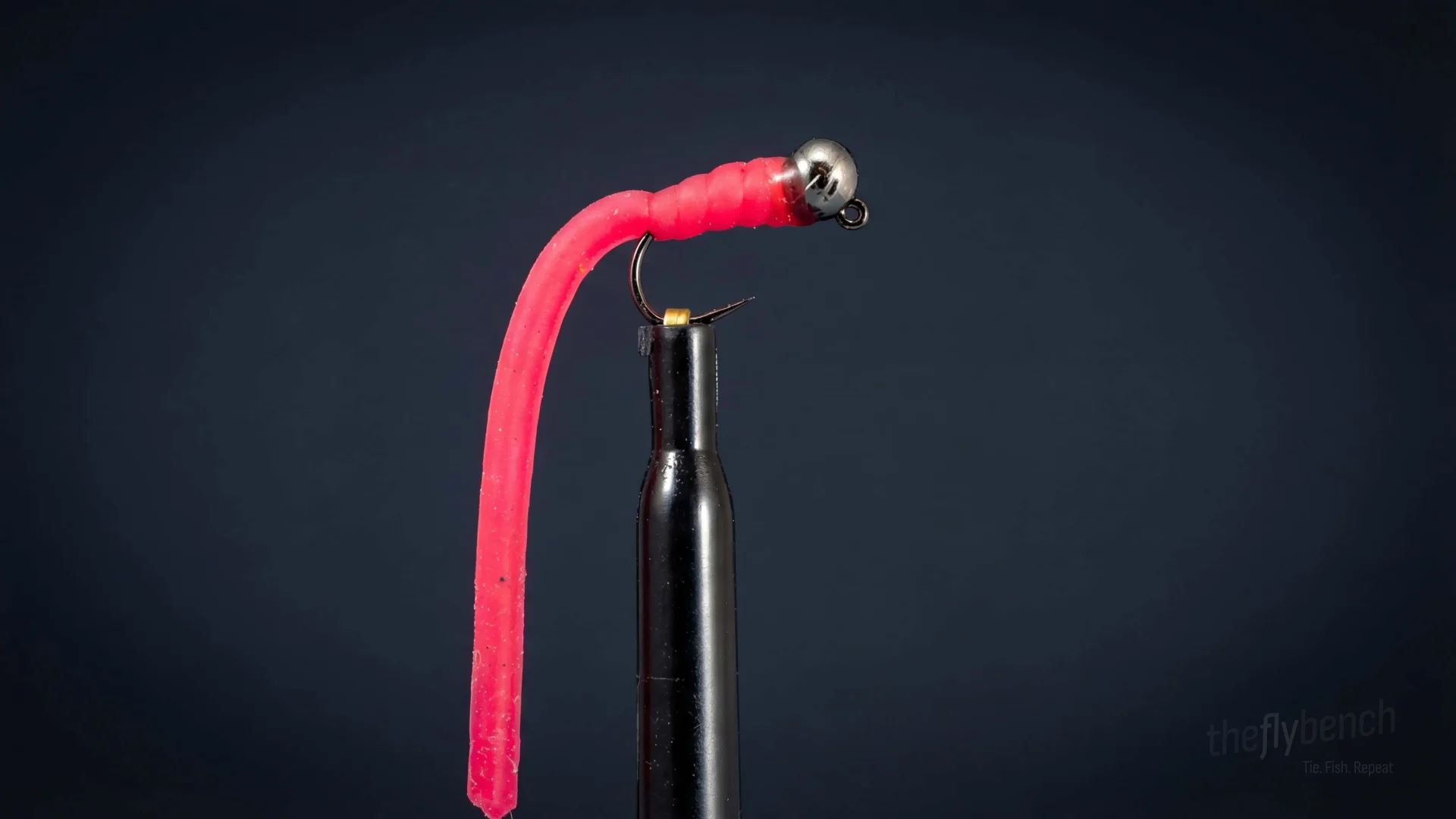
NymphSquirminator
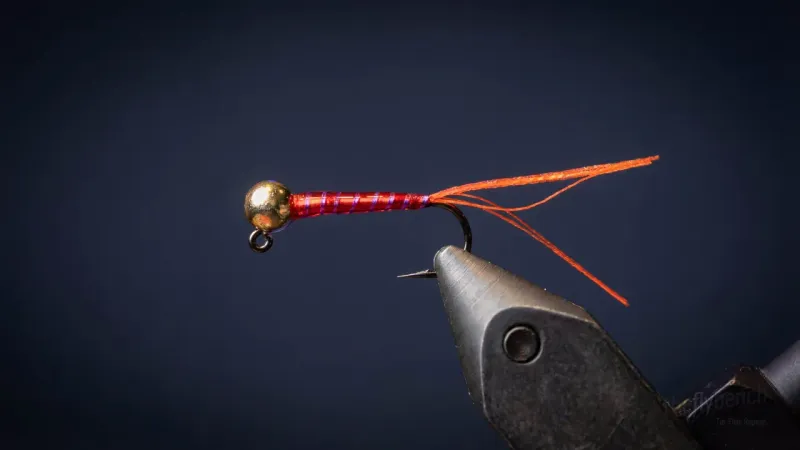
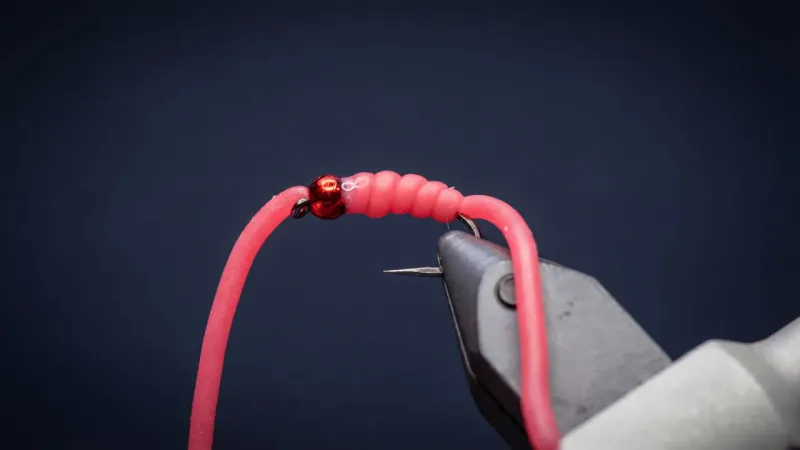
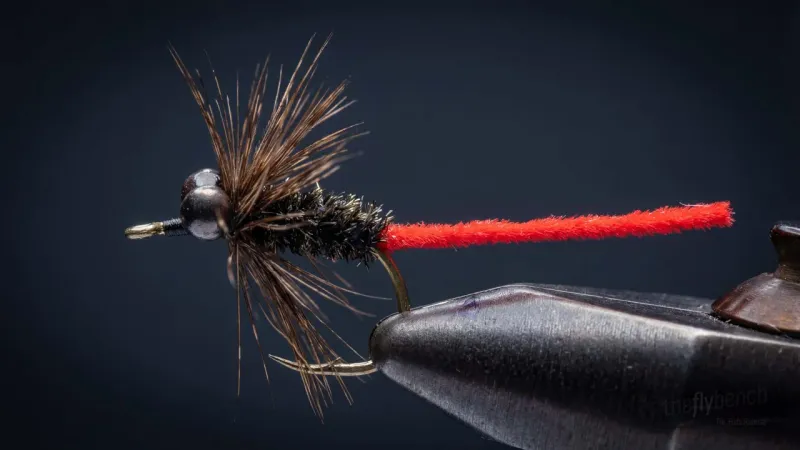
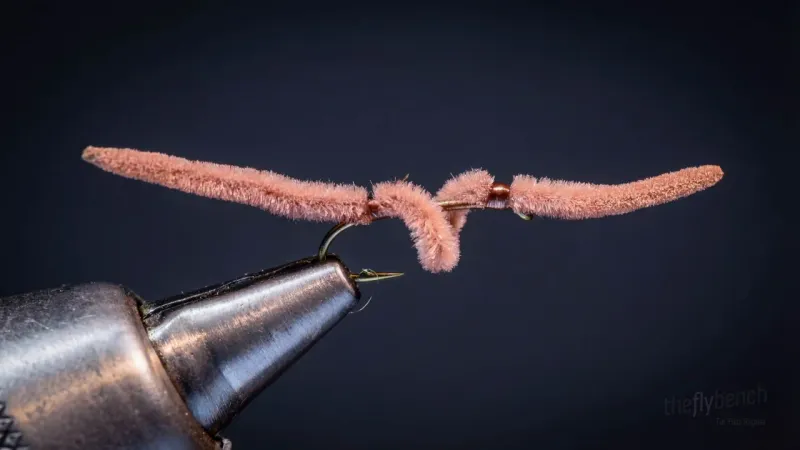
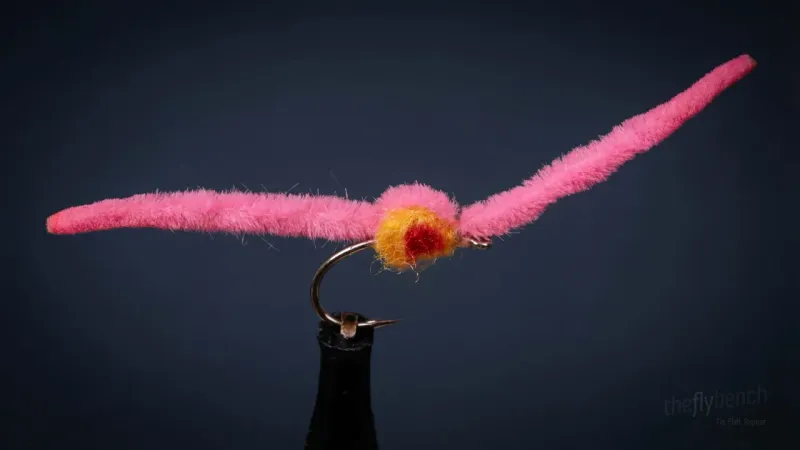
Effective pattern combines the attractiveness of a squirmy worm with the profile of a traditional beadhead nymph. The rubbery worm material moves enticingly in the water, often triggering strikes from curious fish. Modern, gaudy worm imitation tied with squirmy worm material and a tungsten beadhead.
Year Round
Beginner
Trout
Apr 2025
Overview
Modern worm imitation developed in the 2010s tied with squirmy worm material and a beadhead (often tungsten). The squirmy material moves with any current, making it appealing to trout, especially in high or dirty water. The bright colors and undulating movement trigger strikes from fish that might not be feeding actively. Most effective in sizes #10-14 with pink, red, or chartreuse being popular color choices for visibility in varied conditions.
Where to Buy This Fly
We only link to fly shops we trust. Some links are referral links, which may earn us a commission at no extra cost to you.
Materials
- Hook:
- Orvis Tactical Barbless Jig Hook, size 12
- Head:
- Slotted tungsten bead, 1/8-inch, gold
- Tail:
- Light-Up Googly Worm tentacle
- Thread:
- 8/0 or 70 Denier, fluorescent orange
- Underbody:
- Antron dubbing, fluorescent orange
- Overbody:
- Egg yarn, yellow (Optional)
Behavior & Presentation
Natural Behavior: Brightly colored invertebrates dislodge from muddy bottoms when currents disturb their habitat, their continuous wiggling providing high contrast visibility even in turbid conditions. Fish respond aggressively to both the vivid coloration and constant motion during off-color water events.
Where Trout Eat It: Fish intercept drifting worms near the bottom in runs, pockets, and riffle edges at depths of 2-6 feet.
How to Fish It: Dead-drift this pattern near the bottom where the worm material's movement triggers strikes automatically.
Best Water: Target runs, pockets, riffle edges, and moderate current zones with depths of 2-6 feet.
Strike Type: The squirming material triggers confident takes shown by deliberate indicator drops rather than tentative bumps. Fish inhale the pattern decisively, creating clear visual signals on the indicator.
Fishing Strategy
Rigging Suggestions: This pattern works well on its own or as part of a tandem nymph rig. Fish as the point fly with a smaller pattern 18-24 inches above. Use 4X-5X fluorocarbon tippet.
Seasonal Timing: Works , but can be especially effective March-May during and after rains when worms are abundant. Water temperatures between 45-65°F and rising conditions trigger best results.
Pro Tips: This fly is designed to sink quickly to the feeding zone (2-5 feet). The bright, moving worm material is highly visible in a variety of conditions, especially stained water where visibility is reduced.
Entomology
Red aquatic worms and bloodworms inhabit silty bottom substrates and vegetation, occasionally entering the drift when disturbed by current or feeding fish. Their constant wiggling motion and bright coloration make them highly visible prey items that trigger aggressive feeding responses, particularly in stained or turbid water where fish rely on movement and contrast to locate food.
- Organism Type
- worm
- Life Stage
- general