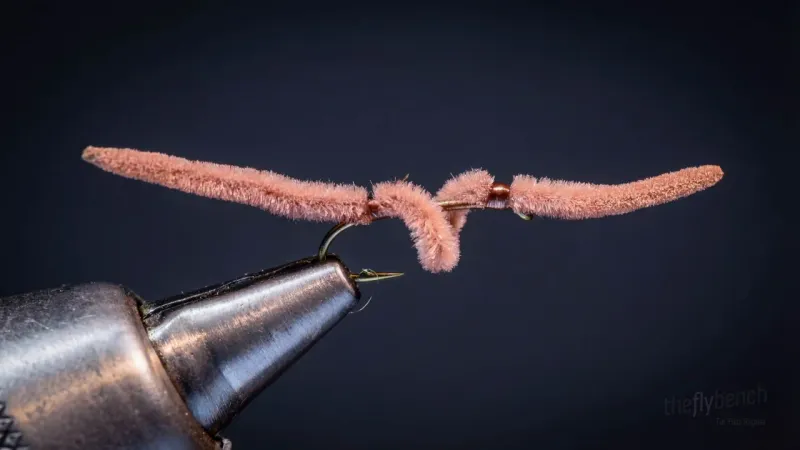
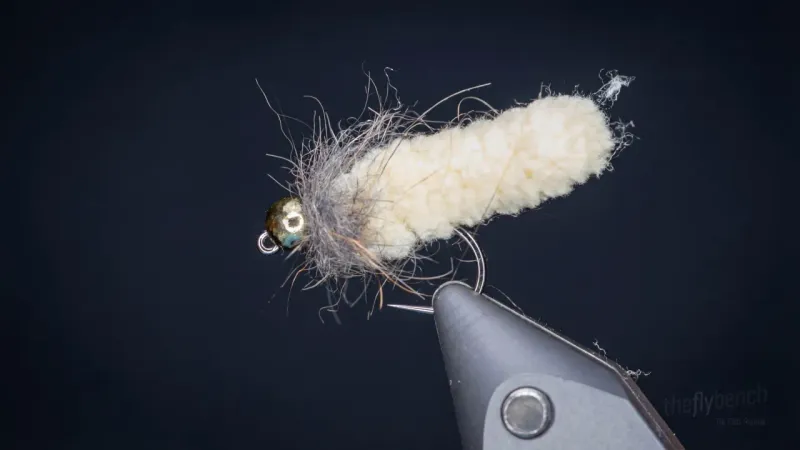
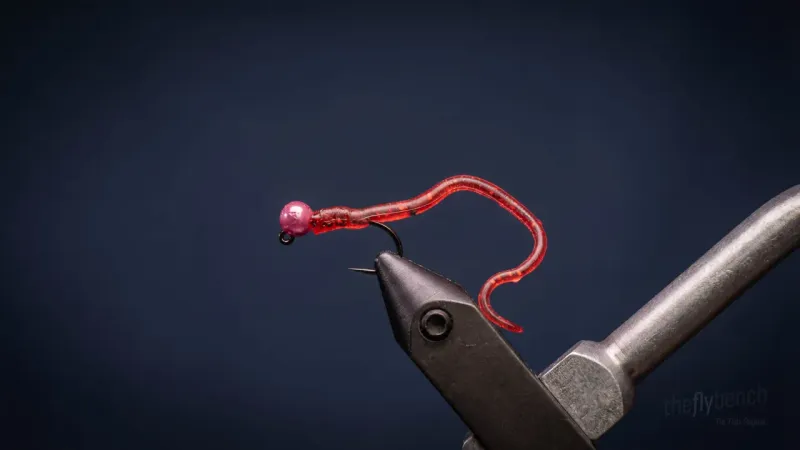
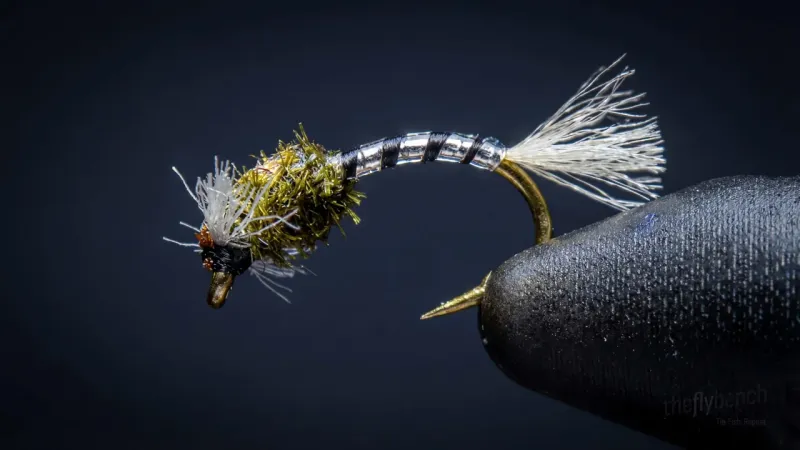
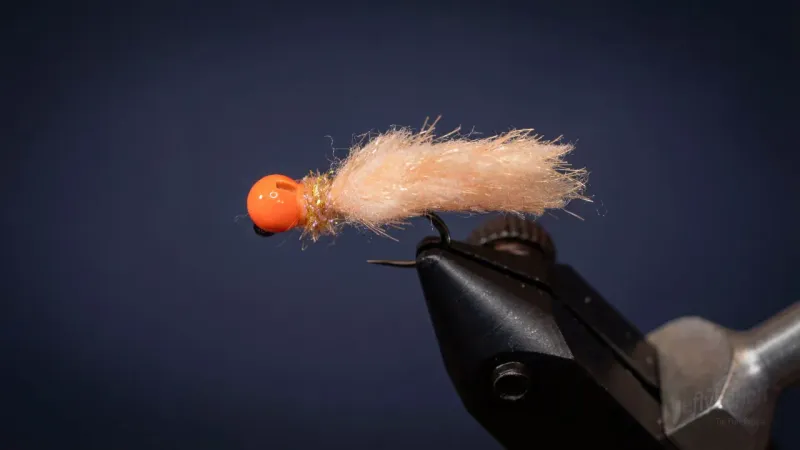
NymphSparkle Worm
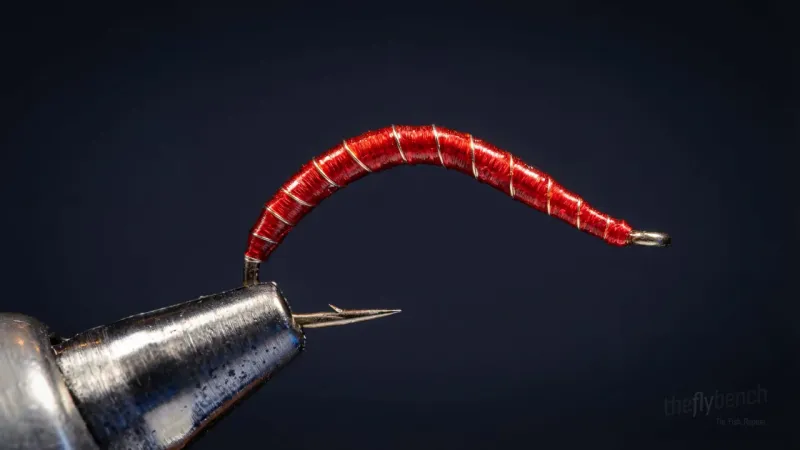
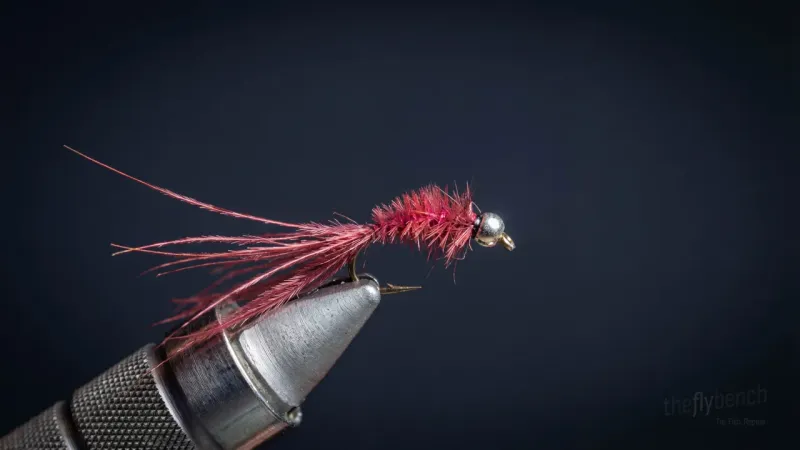
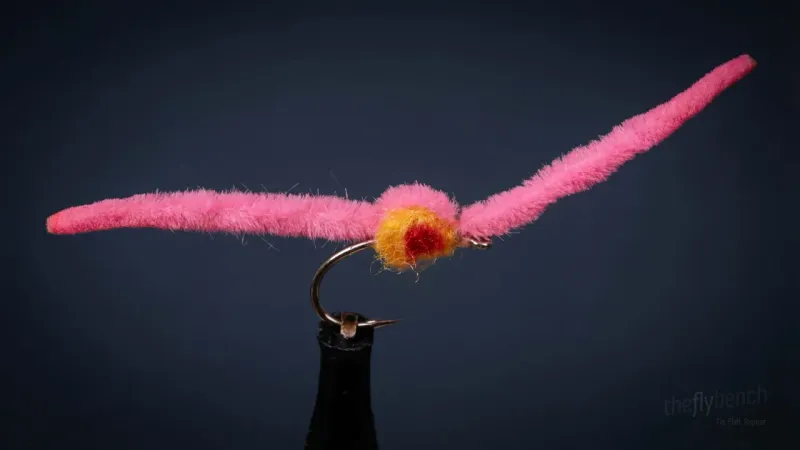
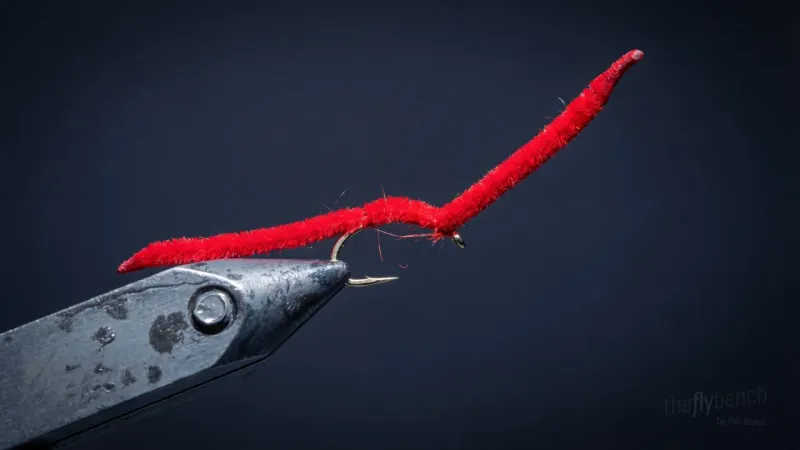
The Sparkle Worm is a flashy, attention-grabbing pattern that imitates a wide variety of aquatic worms and larvae. Its bright colors and sparkly materials make it a great attractor pattern.
Year Round
Beginner
Trout
Apr 2025
Overview
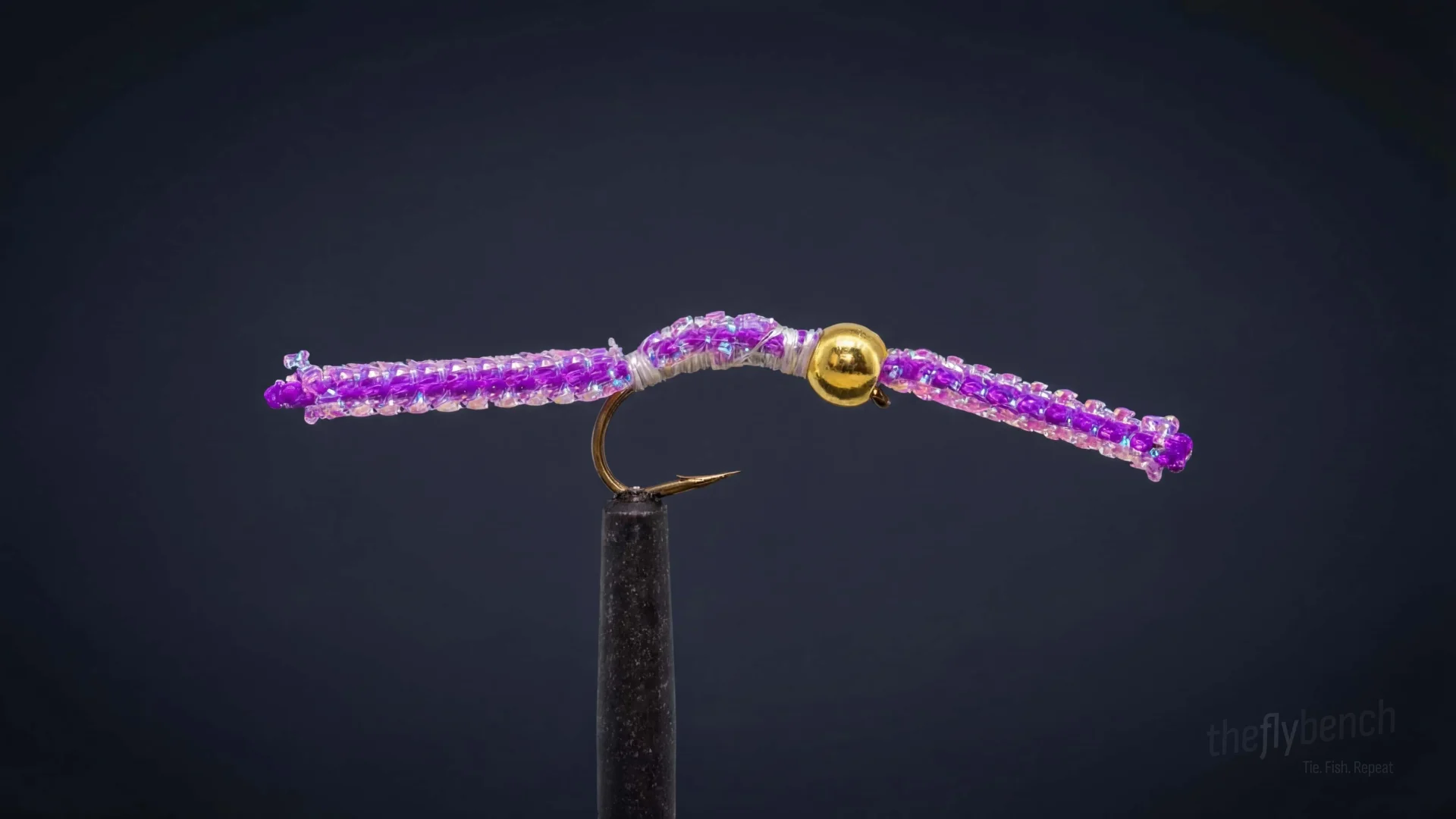
A flashy, synthetic take on the San Juan Worm, this pattern uses sparkle chenille for the body, sometimes with a bead for added weight. It's simple to tie and highly visible in stained water—perfect for high water or runoff conditions.
Where to Buy This Fly
We only link to fly shops we trust. Some links are referral links, which may earn us a commission at no extra cost to you.
Materials
- Hook:
- Tiemco 2457, sizes #10–#18
- Thread:
- Red UTC 70
- Body:
- Pearl Core Braid
Behavior & Presentation
Natural Behavior: During storm runoff, aquatic worms release from substrate and tumble downstream with high visibility in chocolate-colored water, their constant squirming motion making them easy to locate. Fish eagerly consume these during flood events when other prey is scarce.
Where Trout Eat It: Fish hold near the bottom in slower runs, deep pools, and along structure at depths of 2-6 feet during off-color water.
How to Fish It: Dead drift near bottom using standard nymph techniques with jigging rod tip lifts to imitate squirming movement.
Best Water: Target runs, pockets, riffle edges, deep pools, and bottom structure during stained water and runoff conditions.
Strike Type: In high water, indicator drops are often aggressive and unmistakable as fish gorge on drifting worms. Watch for sudden plunges or sideways movements signaling committed takes.
Fishing Strategy
Rigging Suggestions: Fish on 4X-5X fluorocarbon tippet with 9-foot leader. Effective solo or positioned as point fly in multi-nymph rig 18-24 inches above a smaller natural pattern. Use split shot or indicator for depth control.
Seasonal Timing: effectiveness with peak productivity during March-May runoff periods and October-November when aquatic worms become dislodged during flow fluctuations. Excellent during any stained water conditions throughout the calendar.
Pro Tips: Pink, red, and chartreuse variations work best in stained water. The sparkle materials provide both visibility and triggering flash.
Entomology
Aquatic worms become dislodged from substrate during storm runoff and flood events, tumbling helplessly in high flows where they are highly visible to opportunistic trout. Fish eagerly consume these protein-rich invertebrates as they drift past in chocolate-colored water, especially during spring snowmelt and after heavy rainfall.
- Organism Type
- worm
- Life Stage
- general