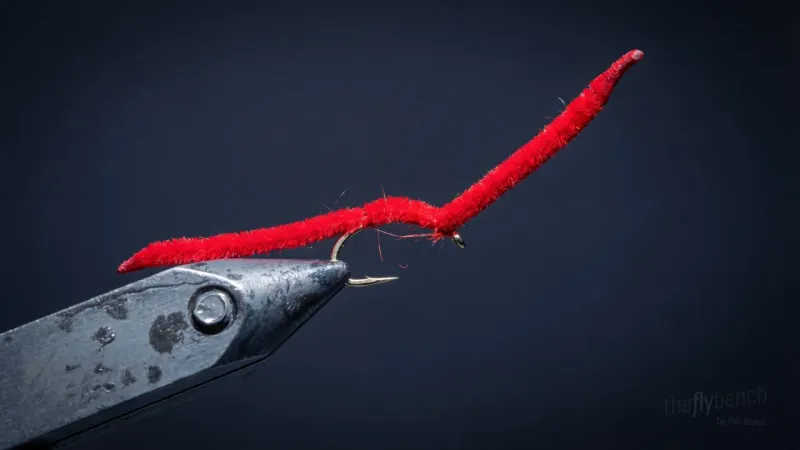
Euro NymphsSquiggle Worm
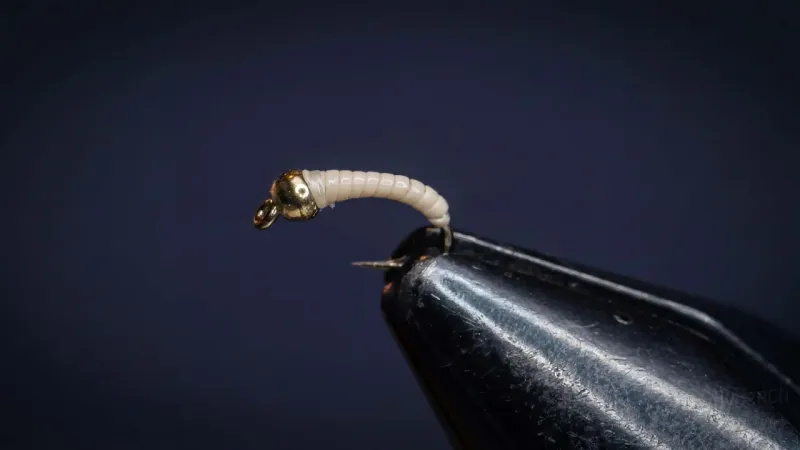
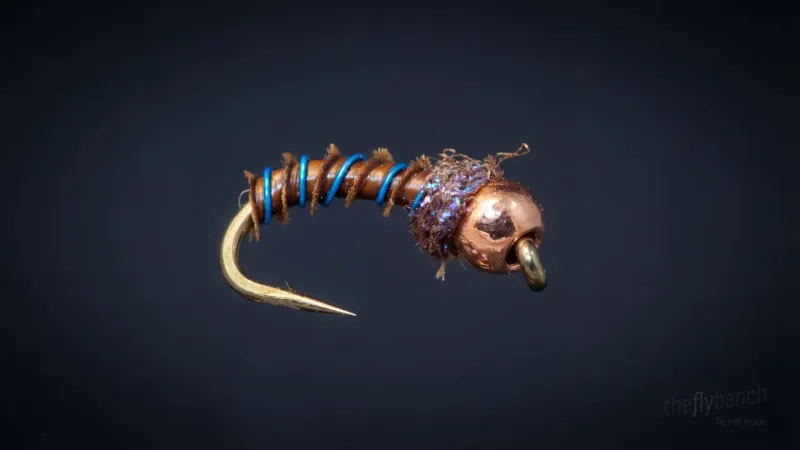
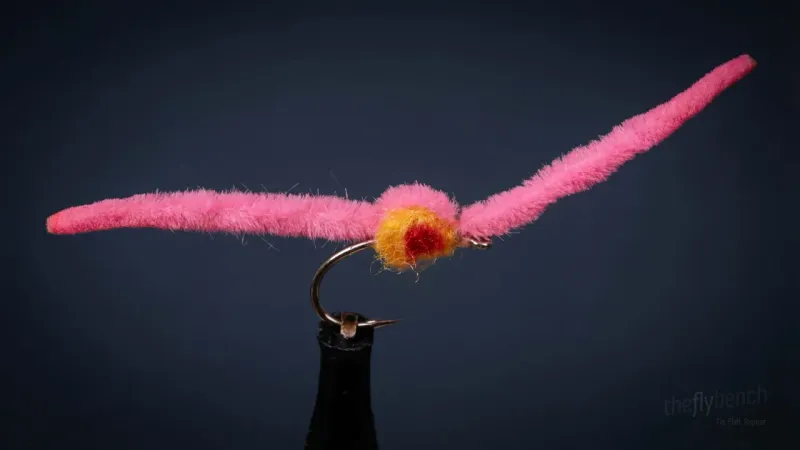
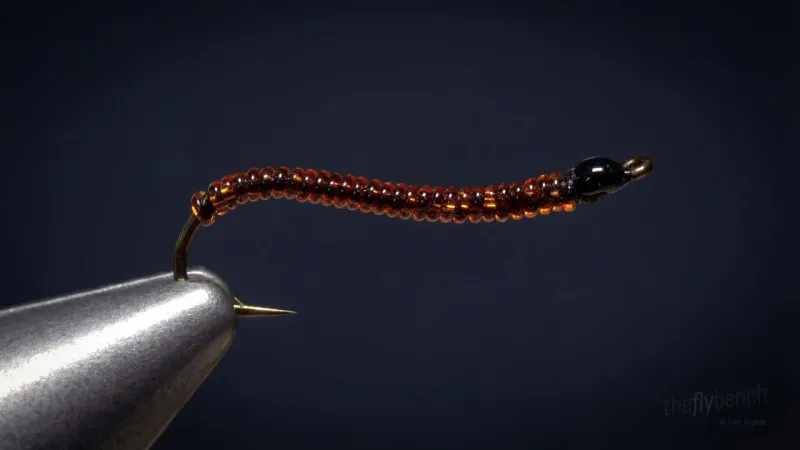
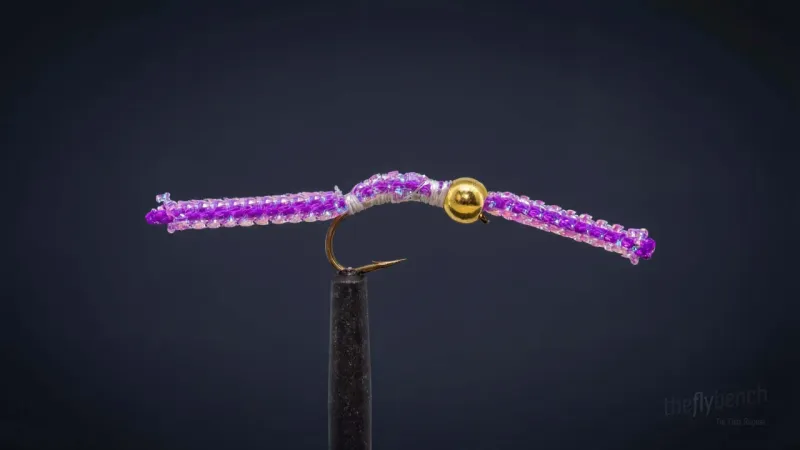
The Squiggle Worm is a simple and effective euro nymph pattern that imitates aquatic worms with its distinctive squirmito material. The pink color and UV shrimp collar create an attractive hot-spot presentation that draws attention in clear water. Quick to tie with excellent underwater movement, making it a reliable pattern for technical presentations.
Year Round
Beginner
Trout
Dec 2025
Overview
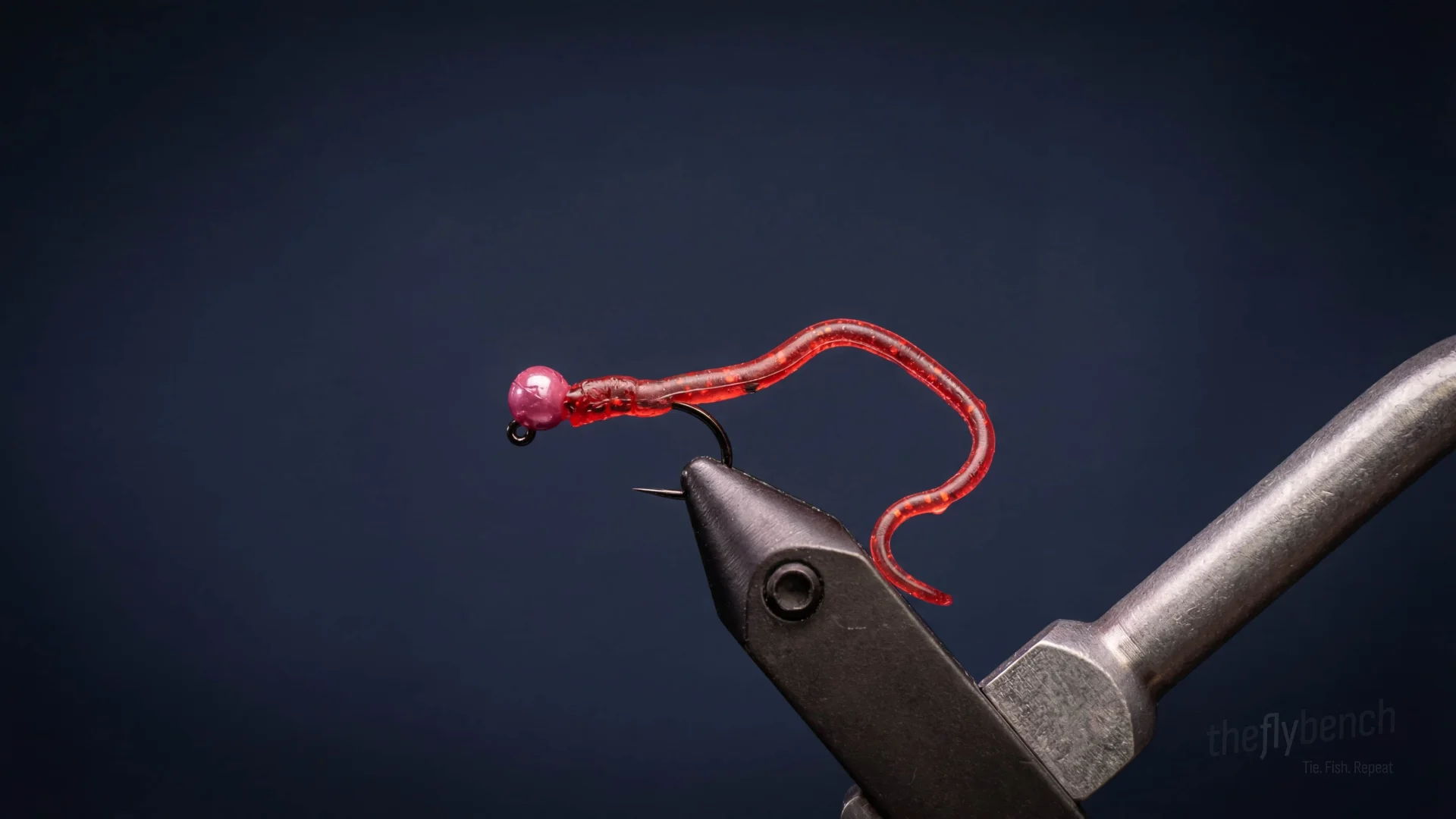
Developed by Fly Fish Food, this pattern leverages the lifelike movement of squirmito material to create a realistic worm imitation. The squirmito's segmented texture and natural wiggle action in the current closely mimics the undulating movement of live aquatic worms. The UV collar adds a subtle attraction point without overwhelming the natural appearance. Can be tied in various colors to match different water conditions.
Materials
Hook: Fulling Mill 5045 Jig Force Barbless, size #14
Bead: Fulling Mill Slotted Tungsten, metallic light pink, 3.0mm
Thread: Semperfli Classic Waxed Thread 12/0, fl. pink
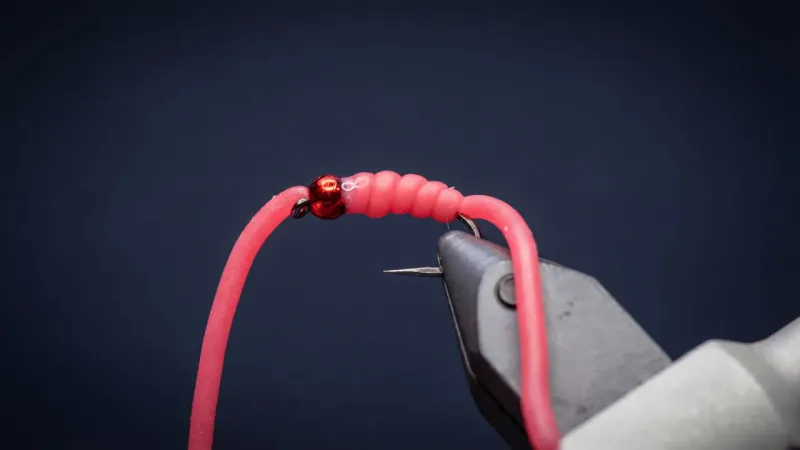
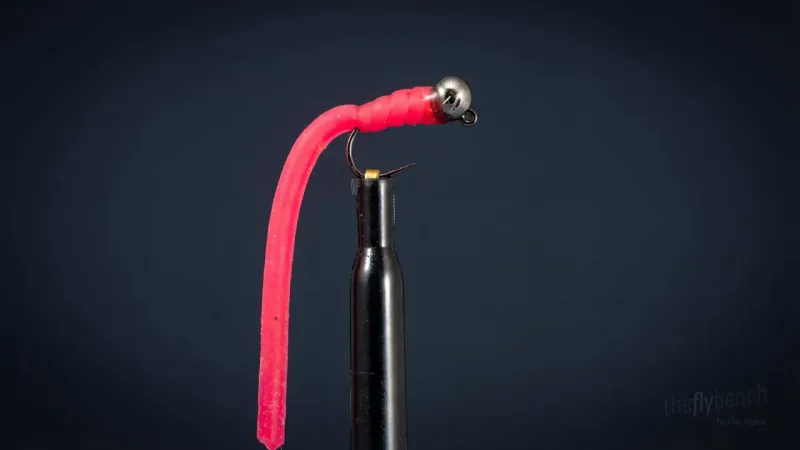
Tail: Squirmito - Squiggly worm material, pink
Body: Squirmito - Squiggly worm material, pink
Collar: Ice Dub - UV Shrimp Pink
Behavior & Presentation
Natural Behavior: Aquatic worms undulate through substrate and drift in current with distinctive side-to-side motion. Their segmented bodies and bright coloration make them visible prey items in moving water.
Where Trout Eat It: Trout feed on drifting worms tumbling along the bottom in South Fork Snake River and Henry's Fork, particularly after high water dislodges them from substrate. The pink UV collar provides visibility in faster currents at 2-5 foot depths where fish hold in feeding zones.
How to Fish It: Use tight-line euro nymphing with high-stick presentation, maintaining contact throughout the drift. Cast upstream and lead the fly slightly in faster currents to keep it tumbling along bottom in the feeding lane.
Best Water: Work pockets, seams, and riffle edges where current concentrates drifting food along bottom at 2-5 feet deep, particularly after runoff events.
Strike Type: Feel for weight changes or see sighter stop—fish often grab and hold the soft silicone material.
Fishing Strategy
Rigging Suggestions: Fish on 9-11 foot euro nymphing leader with 4X-5X fluorocarbon tippet. Use as point fly in two-fly euro rig with lighter pattern as dropper. Position 12-18 inches above a smaller nymph or midge pattern.
Seasonal Timing: Effective as aquatic worms are present in streams throughout all seasons. Particularly productive after high water events or during runoff when worms are dislodged into the current.
Pro Tips: Sinks quickly due to the tungsten bead and slim profile of the squirmito material. The pink coloration provides good visibility to fish without being overly bright or unnatural.
Entomology
Aquatic worms writhe and flex their segmented bodies as they navigate through aquatic vegetation and bottom debris, creating sinuous S-curves that attract attention. These soft invertebrates become exposed during substrate disturbances, drifting with vulnerable undulating motions. Fish eat worms readily because their lack of hard structures makes them easy to digest, while their bright coloration in some species makes them simple to locate against darker backgrounds.
- Organism Type
- worm
- Life Stage
- general