Dry FliesTrude
The Trude is a versatile and effective fly pattern that's great for attracting various species. Its brightly colored wing helps it stand out in various water conditions.
Spring, Summer
Intermediate
Trout
Apr 2025
Overview
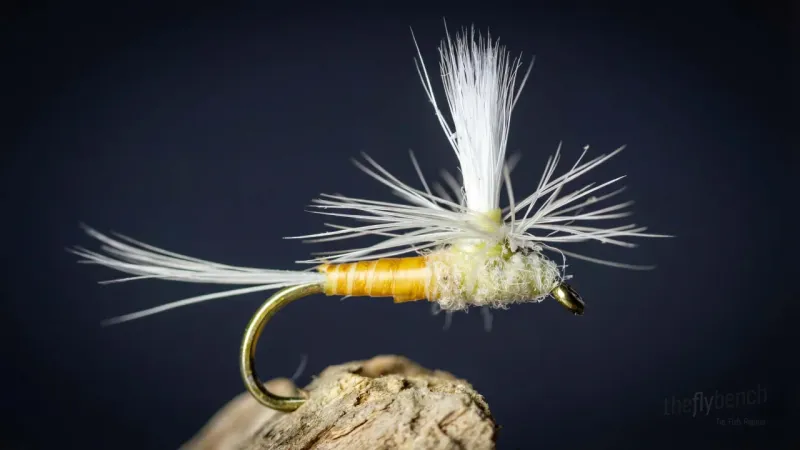
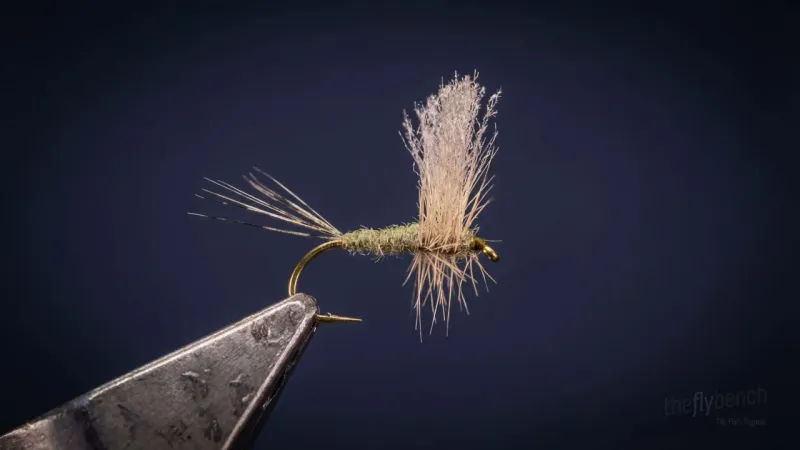
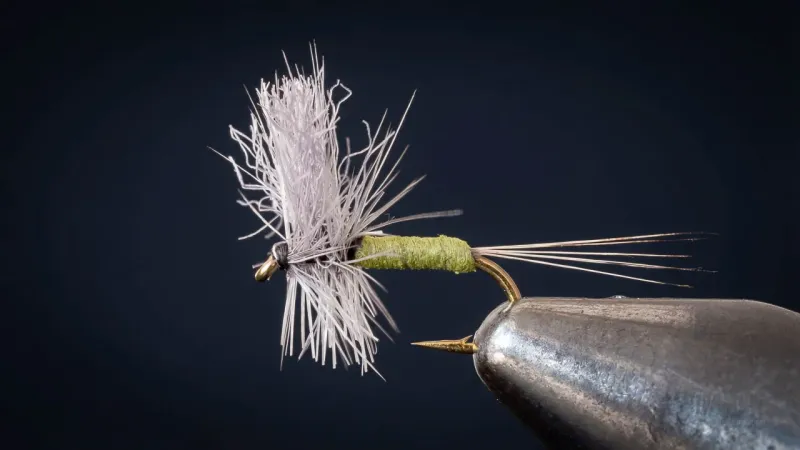
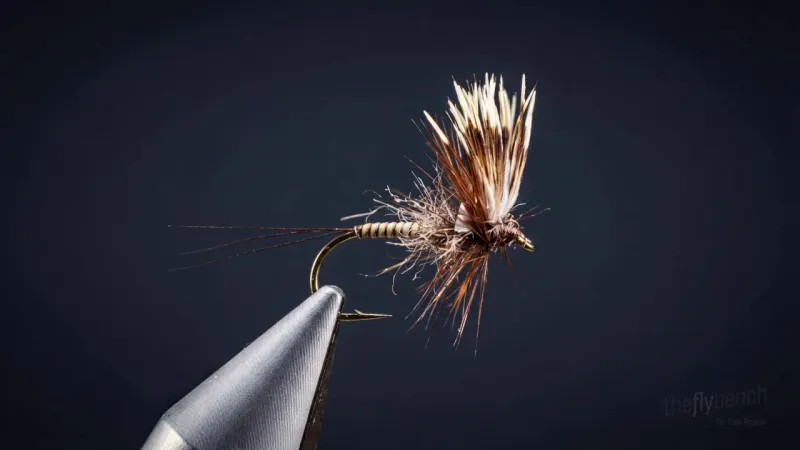
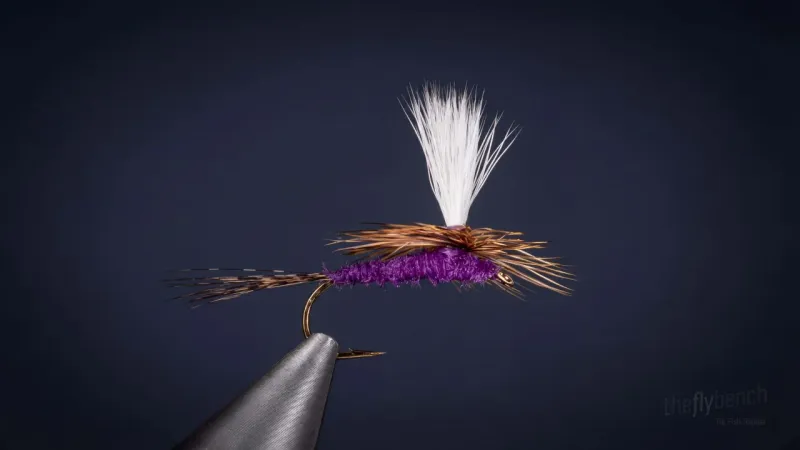
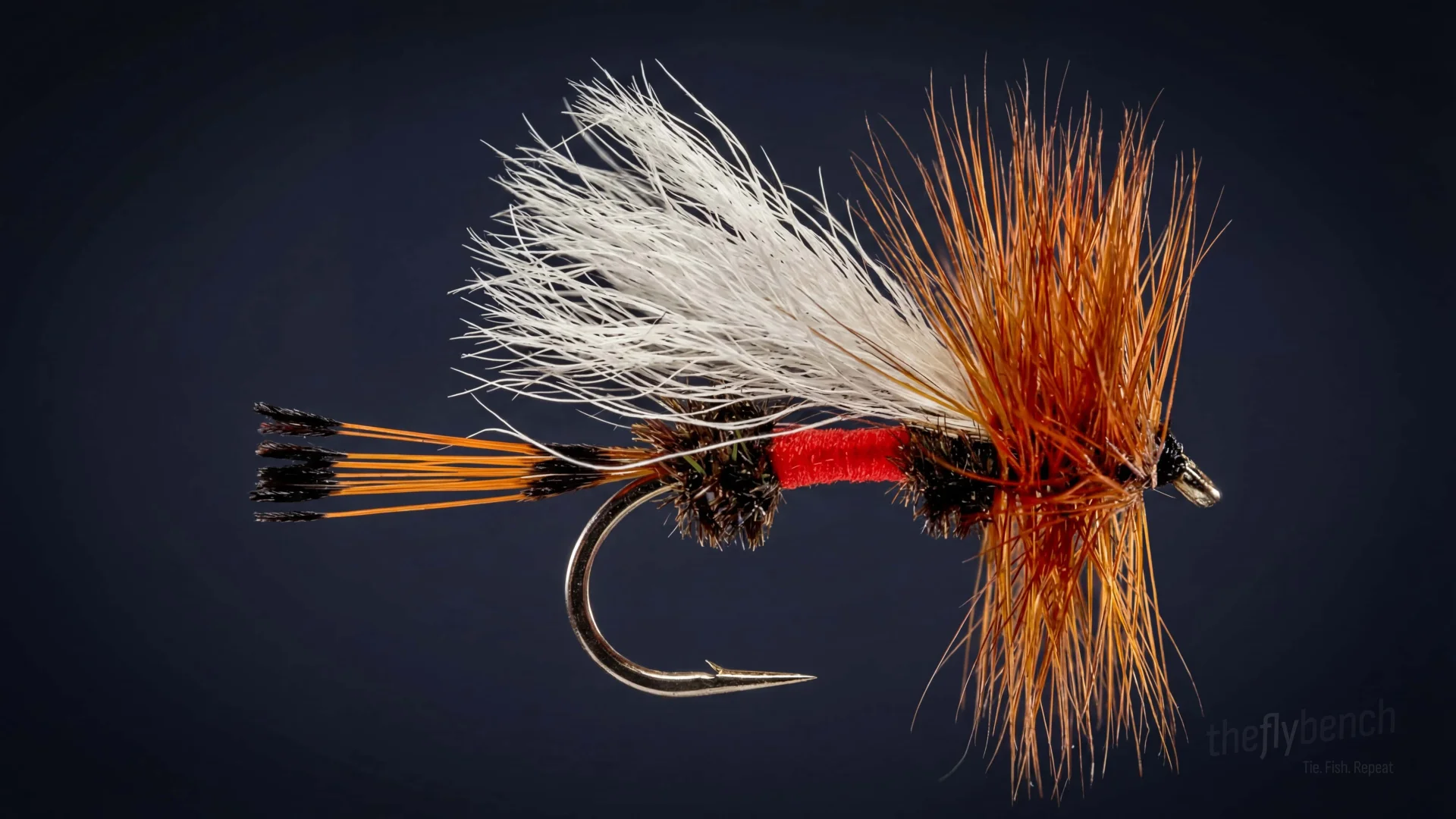
A traditional attractor dry fly with a downwing made from white calf tail or hair, dubbed or floss body, and hackle. Originally tied with red floss and peacock herl, modern Trudes come in many color variants. The wing offers great visibility and skates well in riffles.
Where to Buy This Fly
We only link to fly shops we trust. Some links are referral links, which may earn us a commission at no extra cost to you.
Materials
- Hook:
- #08-16 Tiemco 100
- Thread:
- Black UTC 70
- Tail:
- Golden Pheasant Tippets
- Body:
- Peacock Herl
- Tag:
- Red or Chartreuse Floss
- Wing:
- White Calf Tail
- Hackle:
- Brown Whiting Rooster Cape
Behavior & Presentation
Natural Behavior: Egg-laying females dip their abdomens repeatedly to deposit eggs, locked in surface tension by upright wings acting as sails. This commitment to reproduction prevents quick escape, making them leisurely targets.
Where Trout Eat It: Fish rise in moderate runs, pocket water, and lake shoals at depths of 2-6 feet, focusing on lanes where mayflies concentrate.
How to Fish It: Dead drift with occasional micro-twitches during selective feeding periods to suggest struggling adults unable to escape the film.
Best Water: Target seams, tail-outs, and riffle edges in spring creeks and freestone waters where surface insects accumulate naturally.
Strike Type: Look for visible rises, expanding rings, or audible sips as trout confidently take drifting adults from the surface.
Fishing Strategy
Rigging Suggestions: Use 5X-6X tippet (4-5 lb test) on 9-12 foot leaders for single presentations. As a dry-dropper, attach a nymph 18-30 inches behind. The buoyant design supports dropper flies effectively.
Seasonal Timing: Prime effectiveness May through September during major mayfly hatches. Peak activity occurs in June and July when multiple mayfly species emerge simultaneously. Water temperatures between 55-65°F produce the most consistent surface feeding.
Pro Tips: The bright white calf tail wing provides exceptional visibility in broken water and low light. The hackle collar creates a convincing mayfly silhouette while keeping the fly riding high on the surface.
Entomology
Adult mayflies ride the water surface during ovipositing runs, their upright wings acting as sails as they dip abdomens to deposit eggs. The surface tension keeps them locked in the film where fish can leisurely rise and sip them, exploiting the mayflies' egg-laying commitment that prevents quick escape.
- Order
- Ephemeroptera
- Common Name
- Mayfly
- Organism Type
- insect
- Life Stage
- adult