Dry FliesH&L Variant
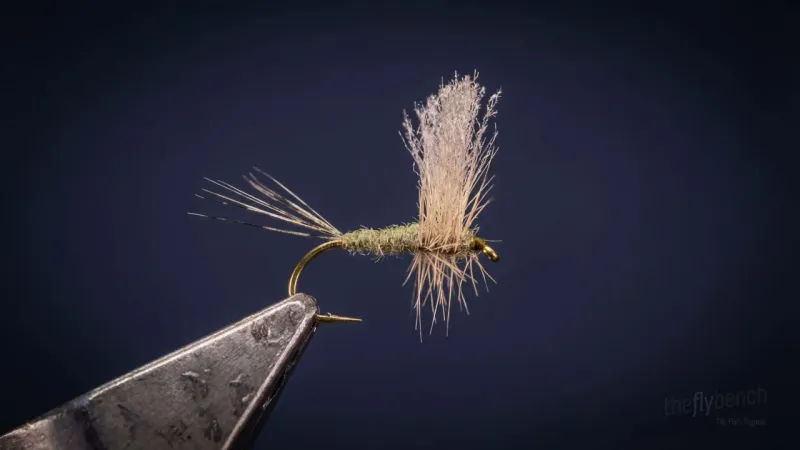
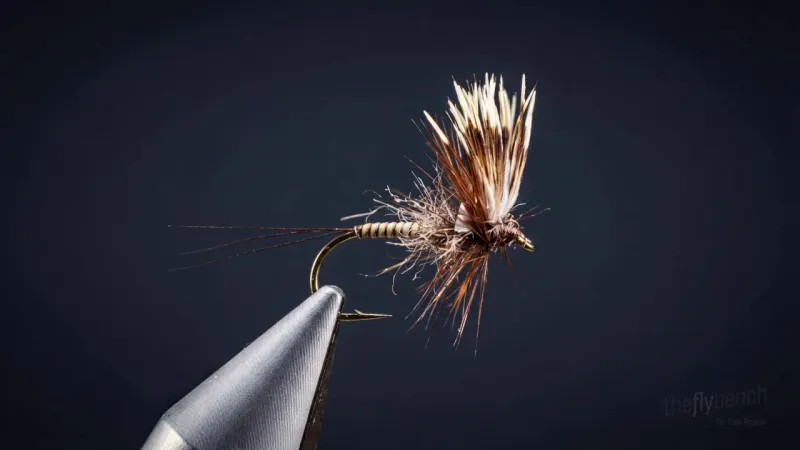
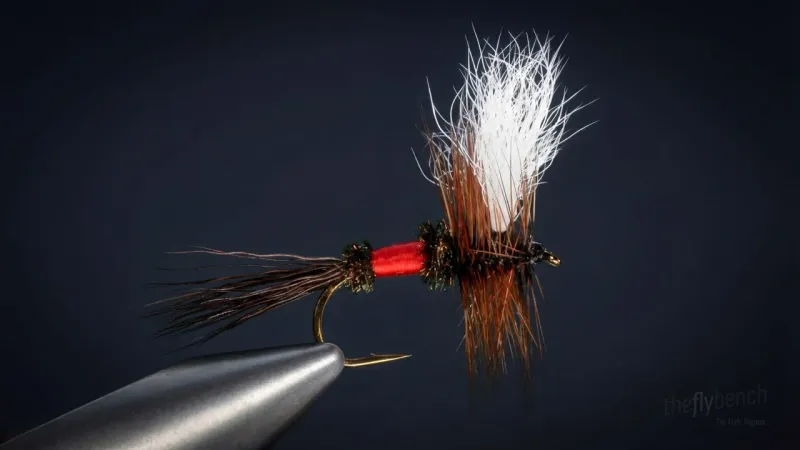
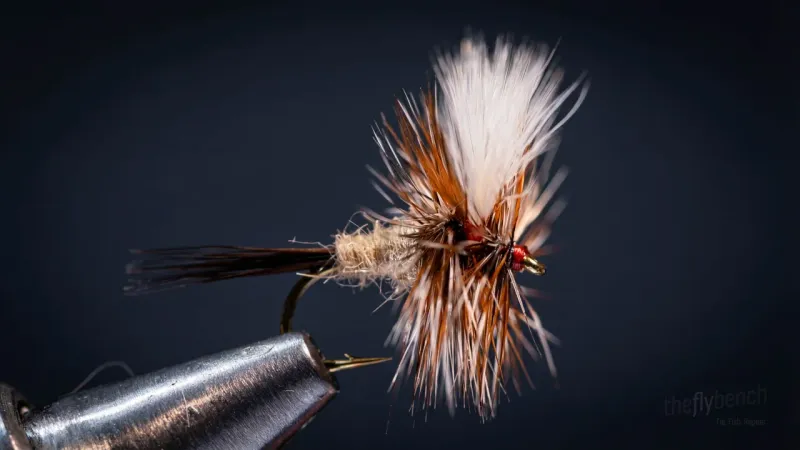
The H&L Variant is a highly effective dry fly pattern that is beloved by anglers due to its versatility and ability to mimic a variety of aquatic insects. This fly is best fished on the surface and is known for its high visibility and floatation.
Spring, Summer, Fall
Intermediate
Trout
Apr 2025
Overview
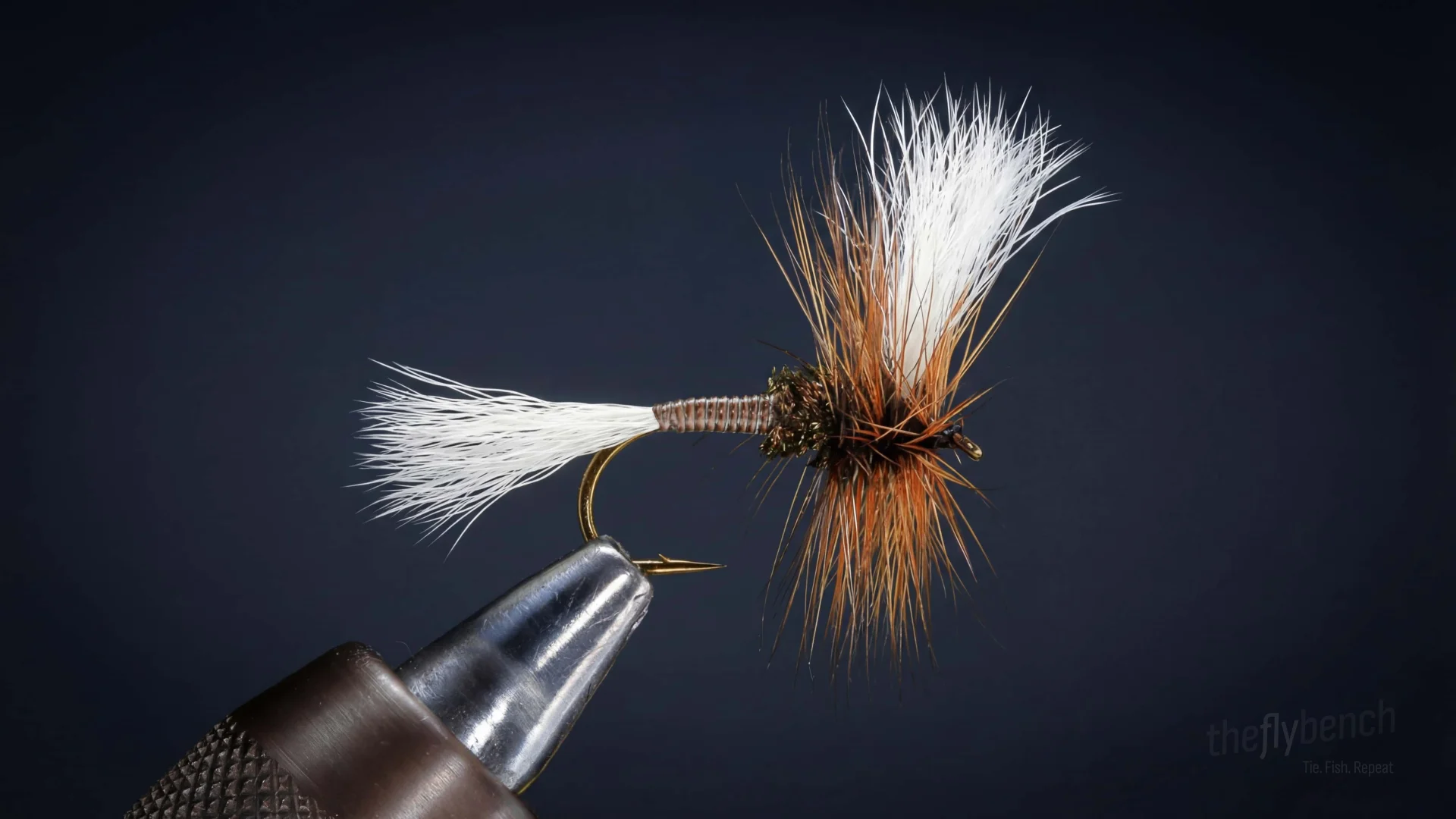
A high-floating dry fly using white calf tail wings, grizzly and brown hackle, and a robust body of cream or tan dubbing. Originally a mayfly imitation, it doubles as an attractor and visibility anchor in faster water or twilight hours.
Where to Buy This Fly
We only link to fly shops we trust. Some links are referral links, which may earn us a commission at no extra cost to you.
Materials
- Hook:
- Tiemco 100SP-BL, sizes #12-#16
- Thread:
- Black Veevus 14/0
- Tail:
- Calf Body Hair
- Body:
- Stripped Peacock Herl
- Thorax:
- Peacock Herl
- Wing:
- Calf Body Hair
- Hackle:
- Brown Whiting Rooster Cape
Behavior & Presentation
Natural Behavior: Classic mayfly duns rest on the surface after emergence, riding currents with upright wings while their bodies harden before flight. The high-floating silhouette creates a distinctive profile as these vulnerable insects drift through feeding lanes.
Where Trout Eat It: Trout rise to duns in the surface film along seams and tail-outs where mayfly hatches concentrate drifting insects in predictable zones.
How to Fish It: Fish with drag-free presentations through rising fish, using the buoyant hackle design to maintain surface visibility in complex currents.
Best Water: Focus on seams and tail-outs in runs and flats where mayfly hatches funnel surface insects through concentrated feeding zones.
Strike Type: Expect confident, deliberate rises as trout feed selectively on drifting duns.
Fishing Strategy
Rigging Suggestions: Use a standard dry fly setup with a floating line and a 9-12 foot leader ending in a 5X or 6X tippet.
Seasonal Timing: Effective during active feeding periods throughout the season. Fish morning and evening for best results.
Pro Tips: The white wings and hackle give this fly excellent visibility and floatation. The peacock herl body adds a bit of shine and attracts attention.
Entomology
Mayfly duns balance on the water's surface tension with their legs splayed wide, creating a distinctive light footprint as they drift downstream waiting for their wings to strengthen for flight. The exaggerated hackle profile of these insects makes them easy to spot from below, and their extended surface time provides fish with leisurely feeding opportunities on substantial meals.
- Order
- Ephemeroptera
- Common Name
- Mayfly
- Organism Type
- insect
- Life Stage
- adult