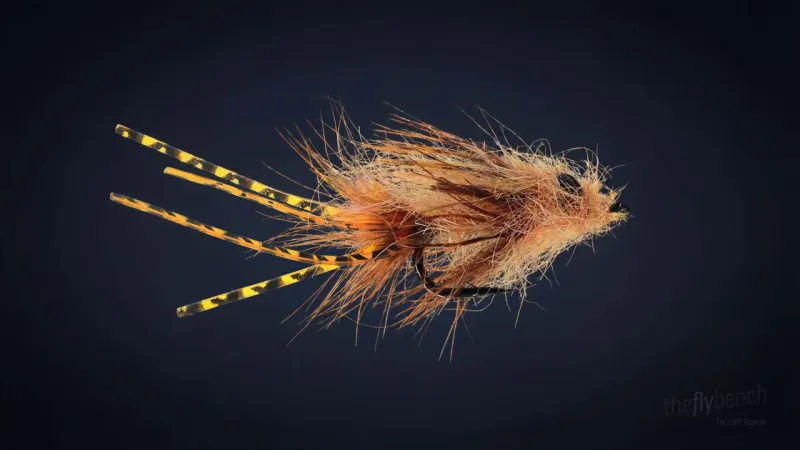
NymphCDC Downey Wonder Nymph
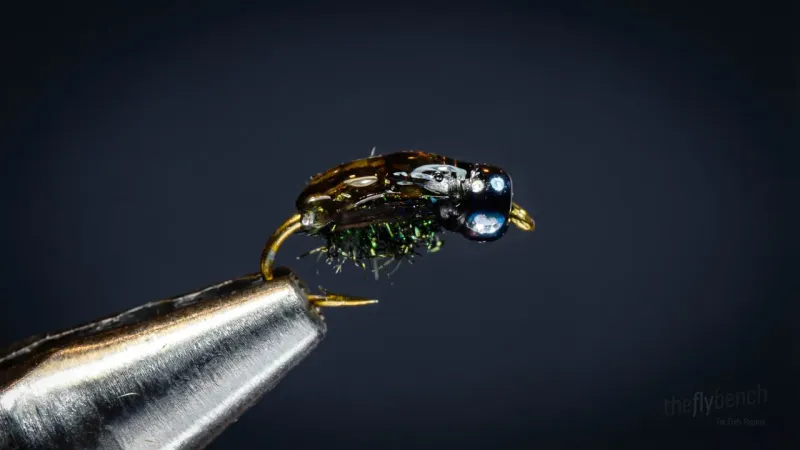
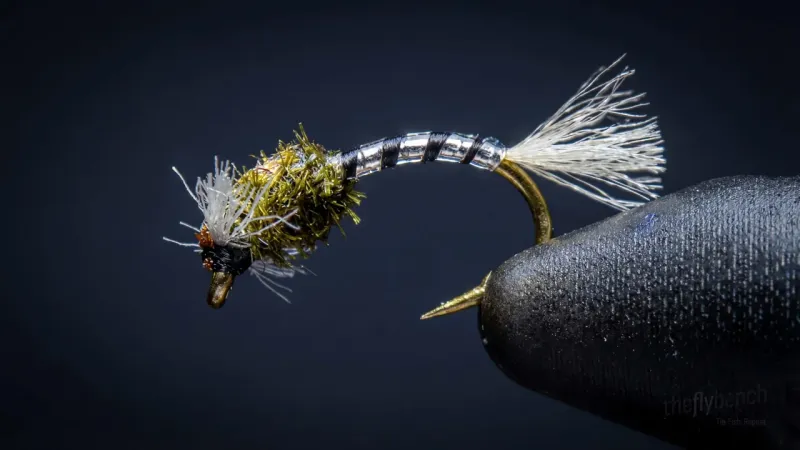
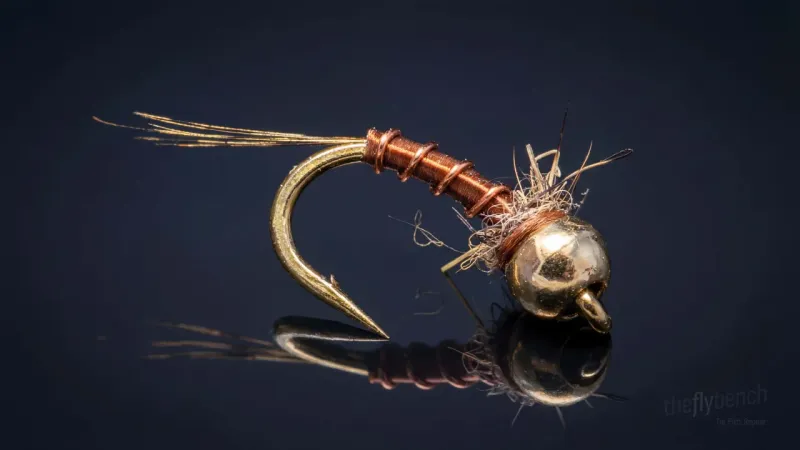
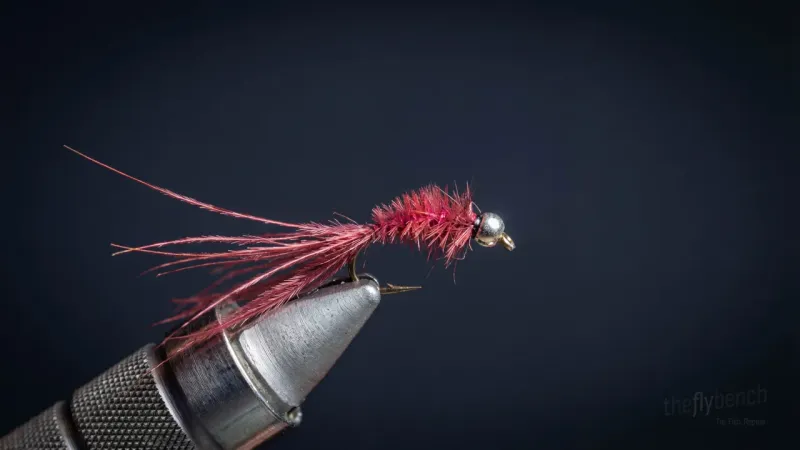
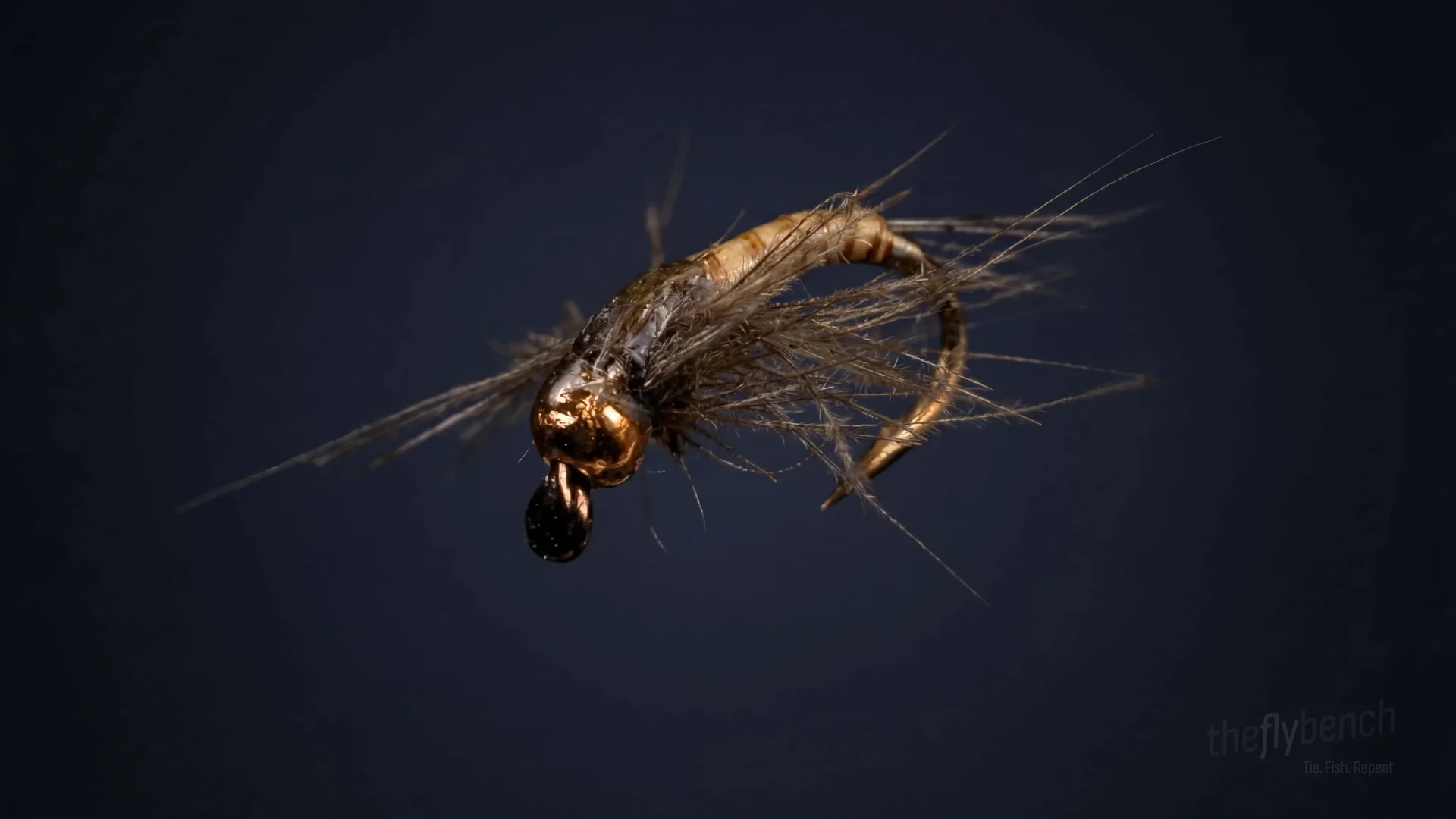
The CDC Downey Wonder Nymph is an effective pattern that imitates a variety of aquatic insects in their nymphal stage. The use of CDC feathers gives the fly a lifelike movement in the water, making it irresistible to trout.
Spring, Summer, Fall
Intermediate
Trout
Apr 2025
Overview
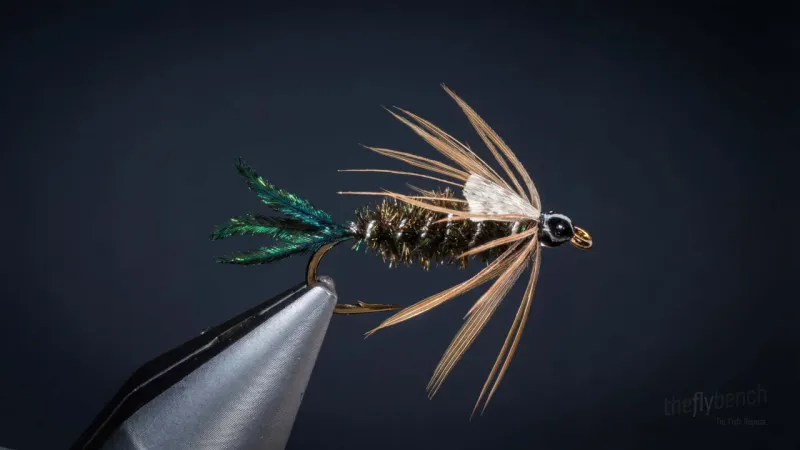
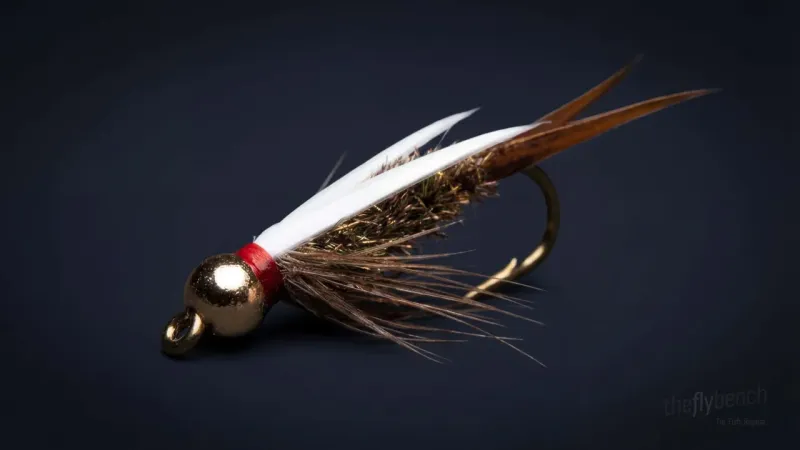
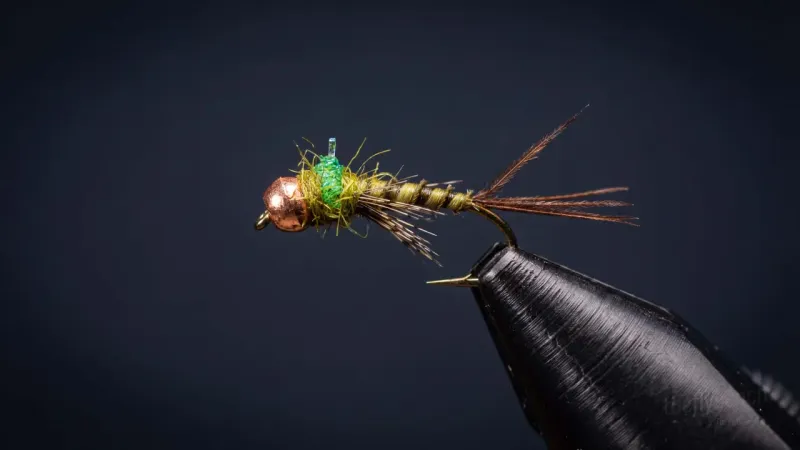
This soft, buggy nymph uses CDC in the thorax and tail to add subtle movement and trap air bubbles, mimicking an emerging insect. Typically tied with a sparse dubbed body and fine wire rib, it's a simple, effective pattern for picky trout in clear water.
Where to Buy This Fly
We only link to fly shops we trust. Some links are referral links, which may earn us a commission at no extra cost to you.
Materials
- Hook:
- Tiemco 3769, size #12-#16
- Thread:
- Olive Dun 8/0
- Bead:
- Copper, 2.5mm
- Tail:
- Coq de Leon
- Body:
- Olive dubbing
- Ribbing:
- Copper wire
- Thorax:
- Peacock herl
- Wingcase:
- CDC feathers
Behavior & Presentation
Natural Behavior: Dislodged nymphs tumble helplessly through current, their slim profiles rolling erratically as they attempt to regain substrate holds. The natural drift makes them easy targets for opportunistic feeders.
Where Trout Eat It: Fish hold in feeding lanes through runs and pools, intercepting tumbling nymphs at mid-depth where current concentrates drifters.
How to Fish It: Dead drift with the CDC providing subtle movement, occasionally twitching to mimic a struggling nymph trying to swim back to the bottom.
Best Water: Target tail-outs where current slows and nymphs suspend, runs with consistent depth, and pockets below obstructions.
Strike Type: Watch for indicator hesitation, subtle line tightening, or a brief pause in the drift as fish mouth the fly.
Fishing Strategy
Rigging Suggestions: Can be used in a tandem nymph rig with a heavier pattern to get it down in the water column.
Seasonal Timing: When trout are feeding subsurface, typically during non-hatch periods.
Pro Tips: This nymph pattern is designed to sink and imitate a struggling nymph. Its slim profile and natural colors make it less visible, but more appealing to trout.
Entomology
Aquatic insect nymphs tumble and drift naturally in currents after being dislodged from their substrate holds, exhibiting erratic swimming motions as they attempt to regain footing on the streambed. Fish opportunistically feed on these dislodged nymphs because they represent calorie-rich meals that require minimal energy expenditure to capture. The irregular drift patterns and vulnerability during these displacement events trigger aggressive feeding responses, especially in faster pocket water and riffles.
- Organism Type
- insect
- Life Stage
- general