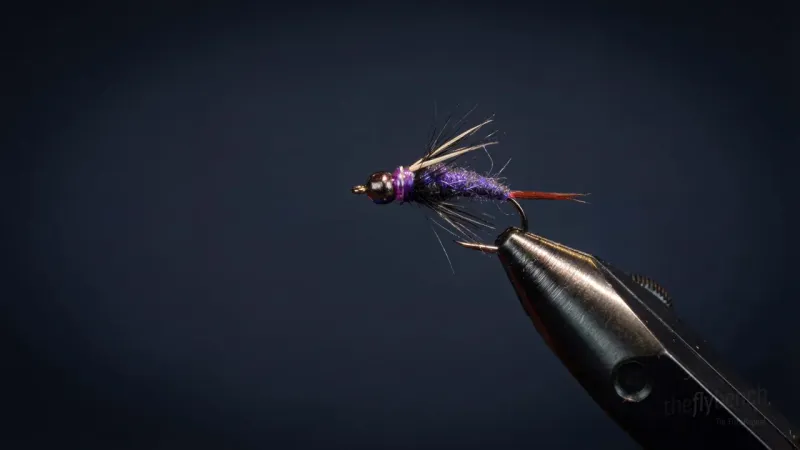
NymphZug Bug
The Zug Bug is a classic nymph pattern that can be highly effective in many different water conditions. It imitates a variety of aquatic insects and is particularly successful during the winter months.
Winter
Intermediate
Trout
Apr 2025
Overview
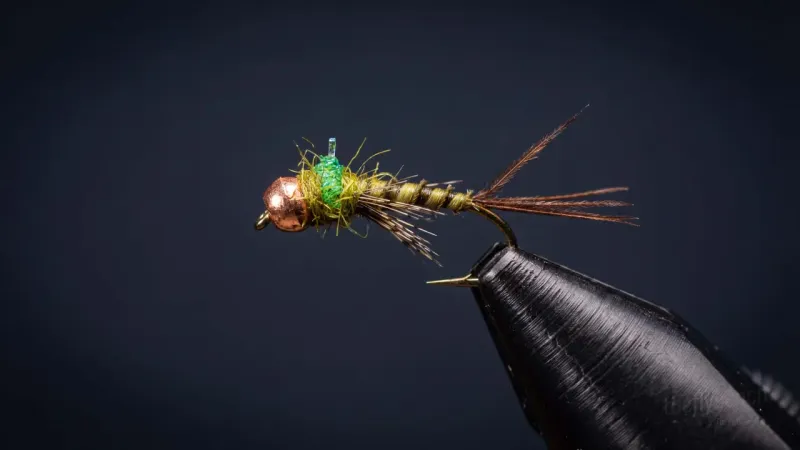
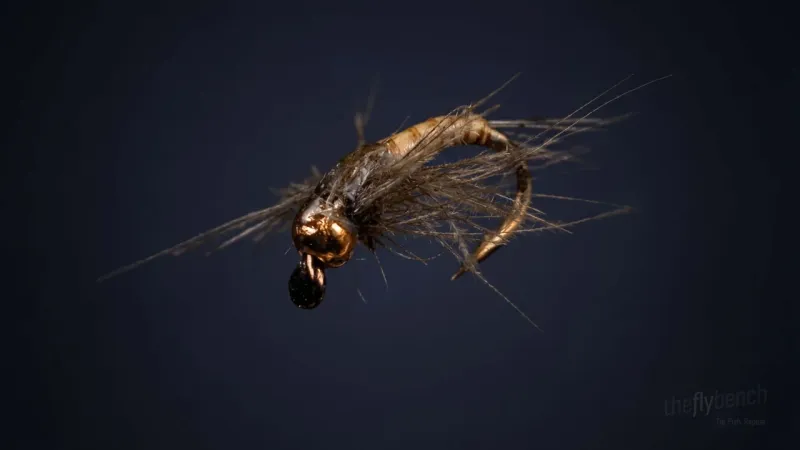
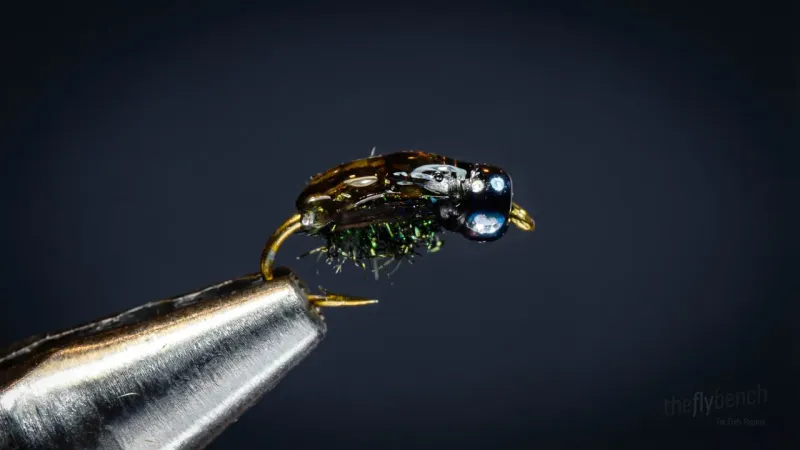
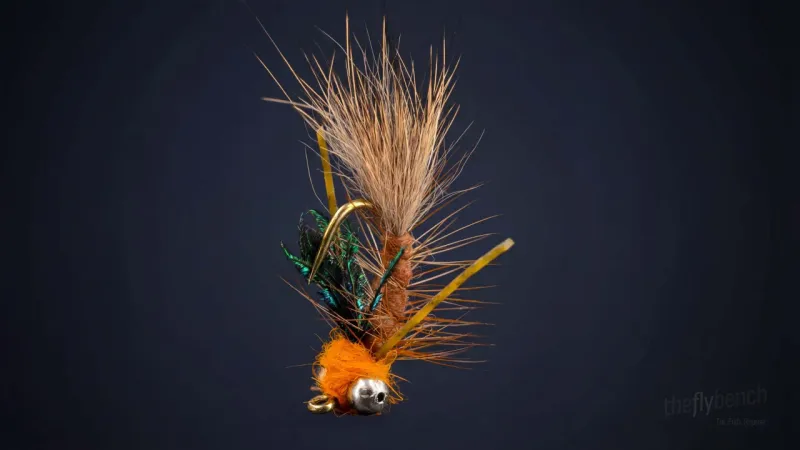
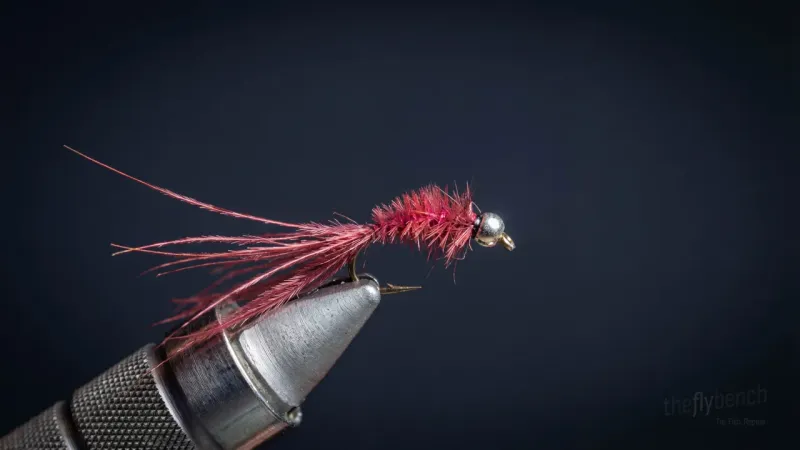
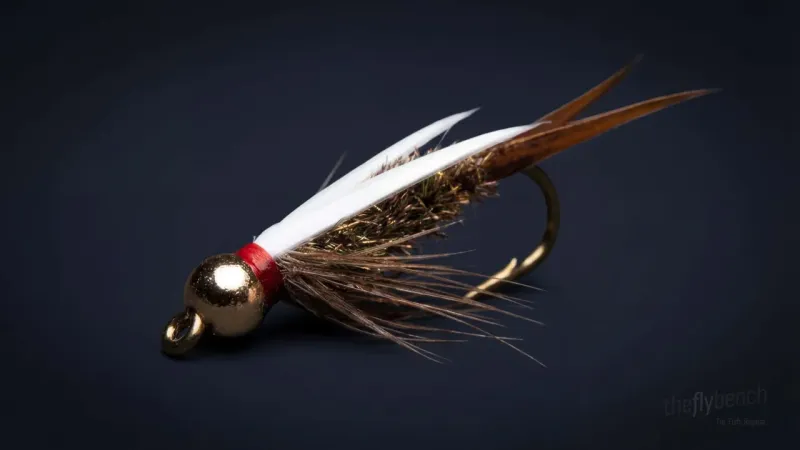
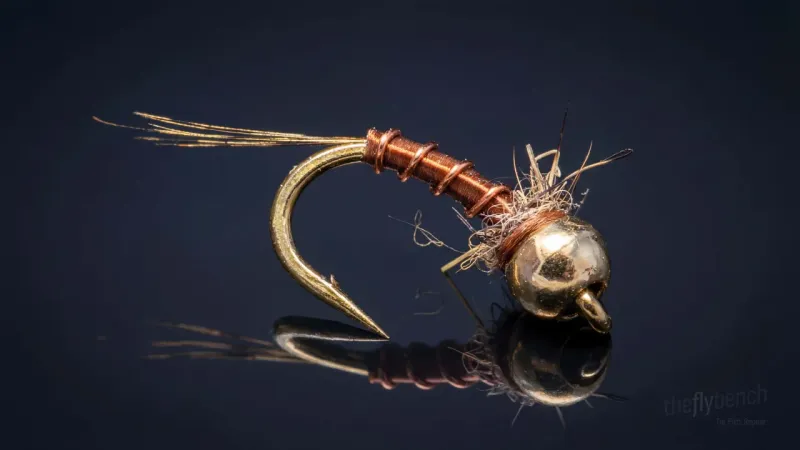
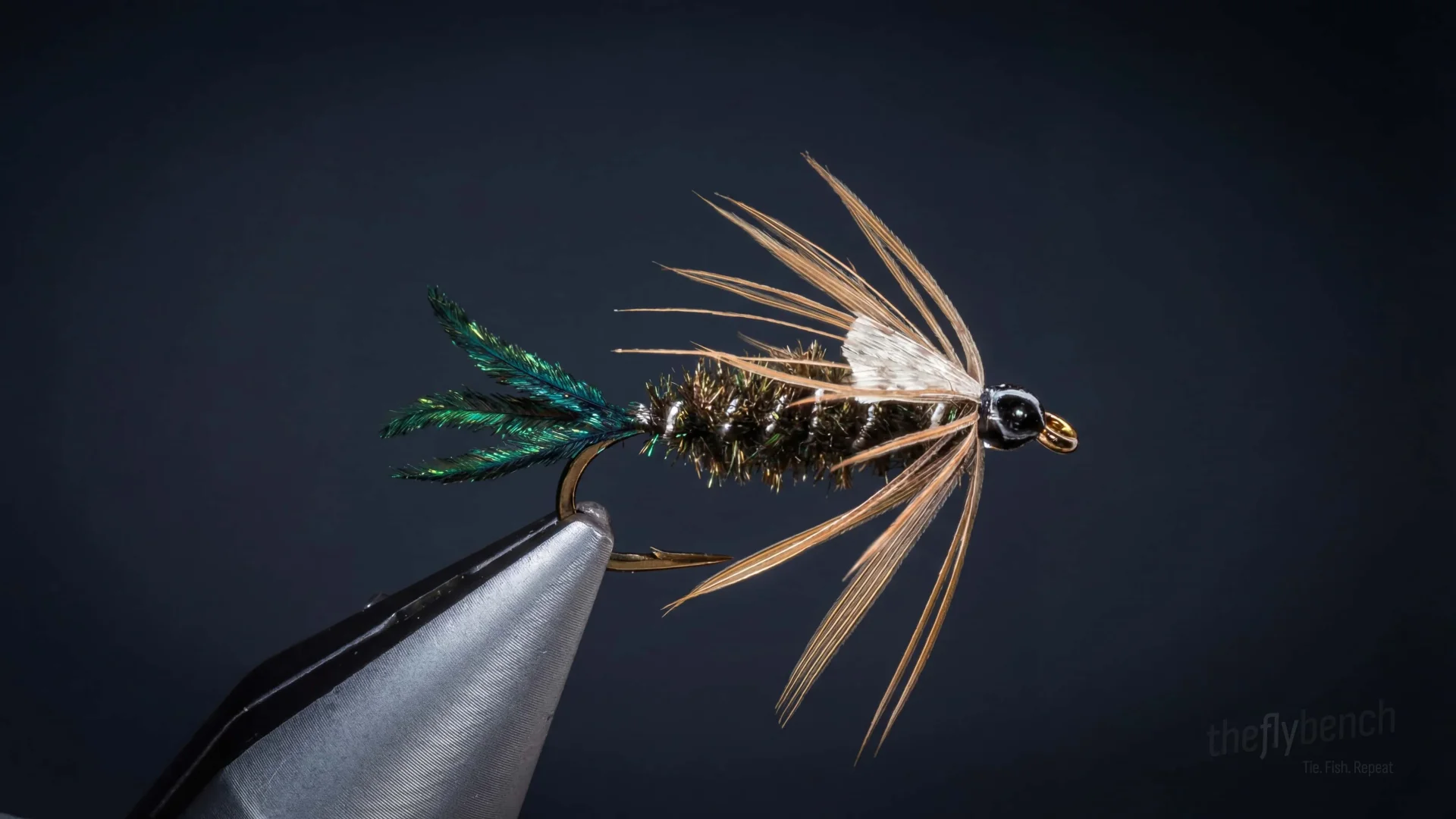
The Zug Bug is a classic searching nymph that imitates a variety of aquatic insects. It's tied with a peacock herl body, a peacock sword tail, and a soft hackle collar—typically partridge—for natural movement. The wing case is often made from turkey tail fibers. A bead head or lead underbody can be added for weight. This durable, flashy pattern is easy to tie and works well in a range of conditions.
Where to Buy This Fly
We only link to fly shops we trust. Some links are referral links, which may earn us a commission at no extra cost to you.
Materials
- Hook:
- Tiemco 3769, size #12–#16
- Thread:
- Black, 8/0
- Tail:
- Peacock sword fibers
- Body:
- Peacock herl
- Ribbing:
- Silver Wire, or Tinsel
- Wing Case:
- Mallard, or Wood Duck Flank Feather
- Hackle:
- Brown Hen Neck Hackle
Behavior & Presentation
Natural Behavior: Generic aquatic insect nymphs tumble and drift along stream bottoms, their dark segmented bodies bouncing through current seams as they dislodge from cobble and gravel substrate.
Where Trout Eat It: Trout take this opportunistically as it tumbles along stream bottoms in medium-depth runs and pocket water, imitating multiple aquatic insects.
How to Fish It: Fish three ways: dead drift near bottom, stripped slowly for small baitfish, or swung like a wet fly for emerging insects.
Best Water: Classic Eastern freestone runs and moderate-depth channel swings. The soft hackle collar makes it effective in seams and tail-outs.
Strike Type: The indicator may dip sharply, pause unnaturally, or move upstream slightly as fish intercept this tumbling nymph. Strikes often feel like a brief weight or resistance—set the hook on any hesitation in the natural drift.
Fishing Strategy
Rigging Suggestions: This fly can be rigged with split shot for additional depth. It can also be used as a dropper off a dry fly.
Seasonal Timing: This fly is particularly effective during the months.
Pro Tips: The Zug Bug is a sinking fly designed to be fished subsurface. The peacock herl body provides a natural iridescent quality that can catch a fish's attention in various lighting conditions.
Entomology
Generic aquatic insect nymphs tumble and drift along stream bottoms, their dark segmented bodies bouncing through current seams as they dislodge from cobble and gravel substrate. Fish recognize these opportunistic food items as consistently available calories, taking them confidently when natural drift presents them in feeding lanes.
- Organism Type
- insect
- Life Stage
- general