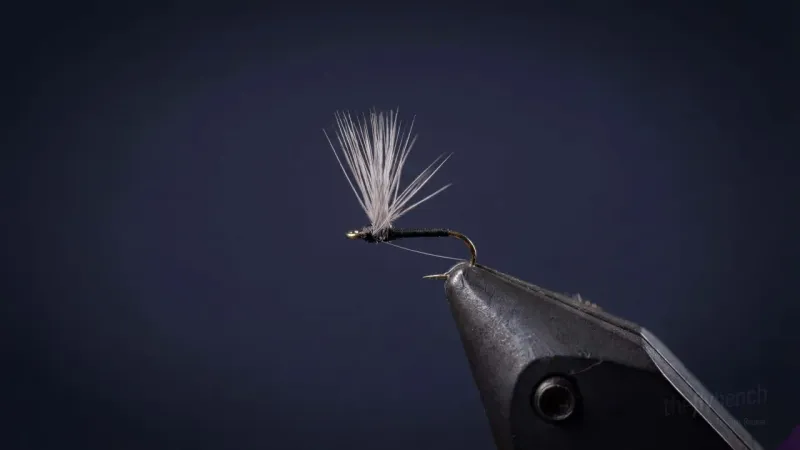
NymphDouble Standard
The Double Standard is a versatile and effective streamer pattern that mimics a variety of baitfish. It's two-tone body and articulated design give it a lifelike movement in the water, making it irresistible to predatory fish.
Spring, Summer, Fall
Intermediate
Trout
Apr 2025
Overview
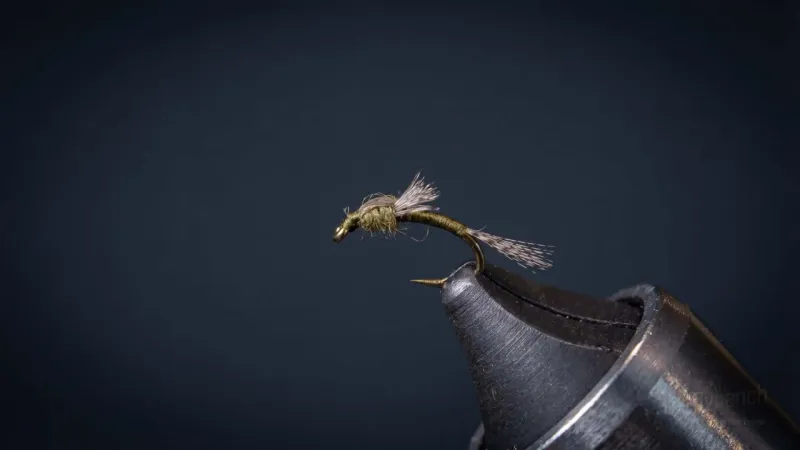
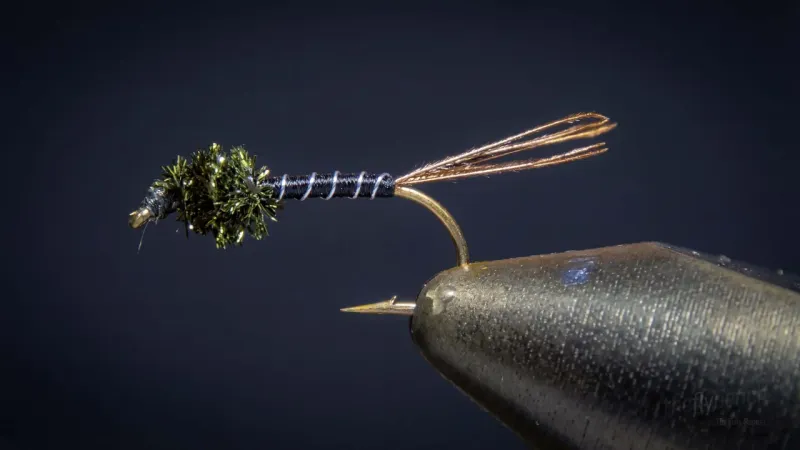
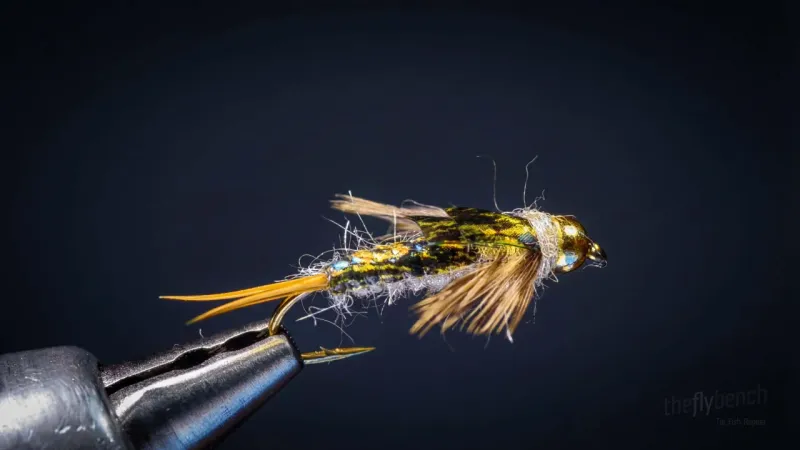
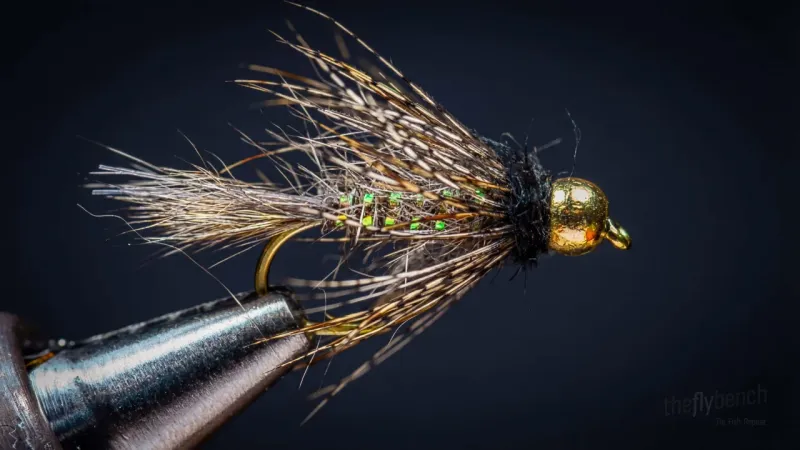
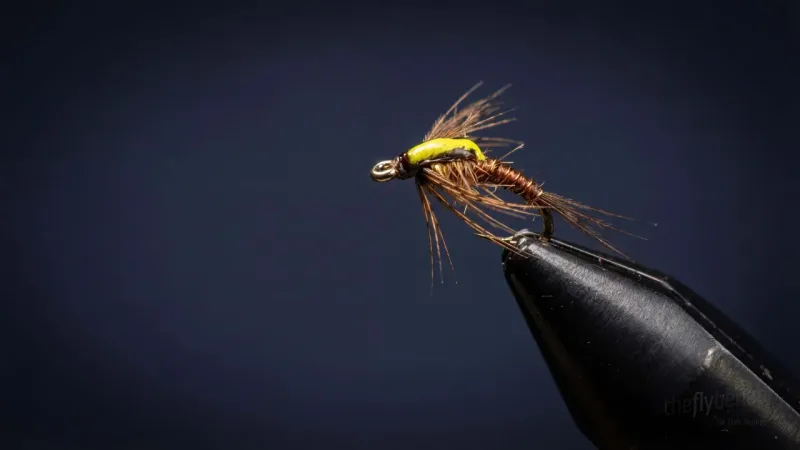
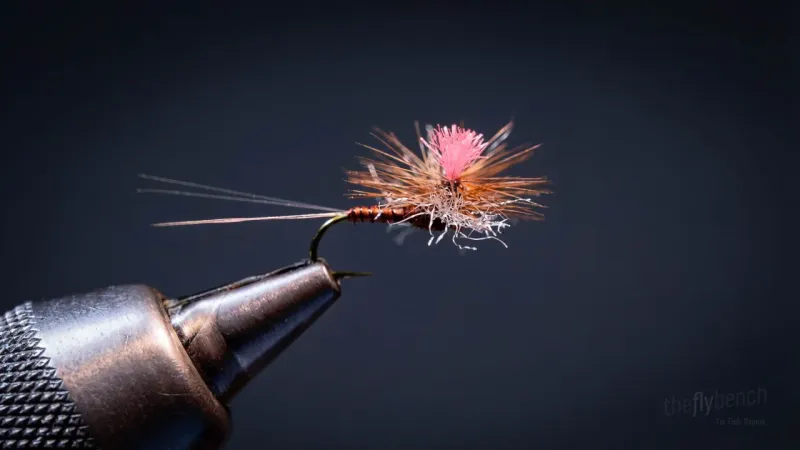
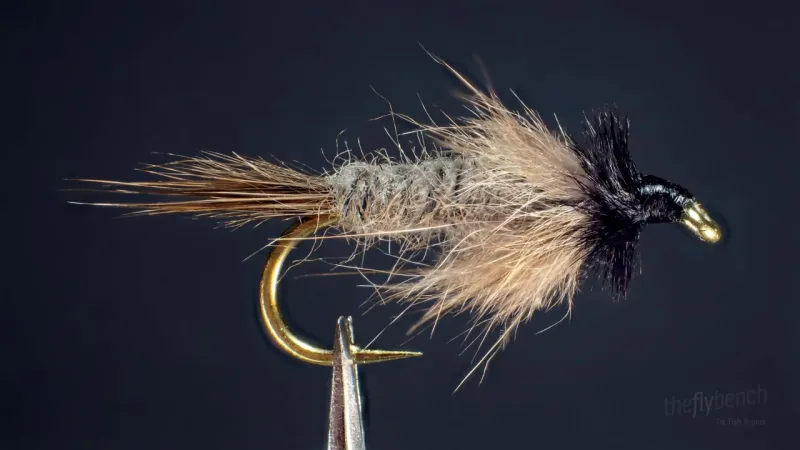
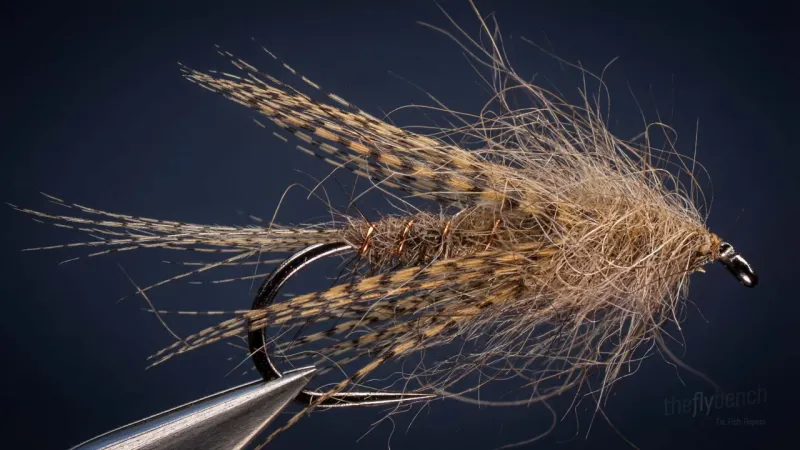
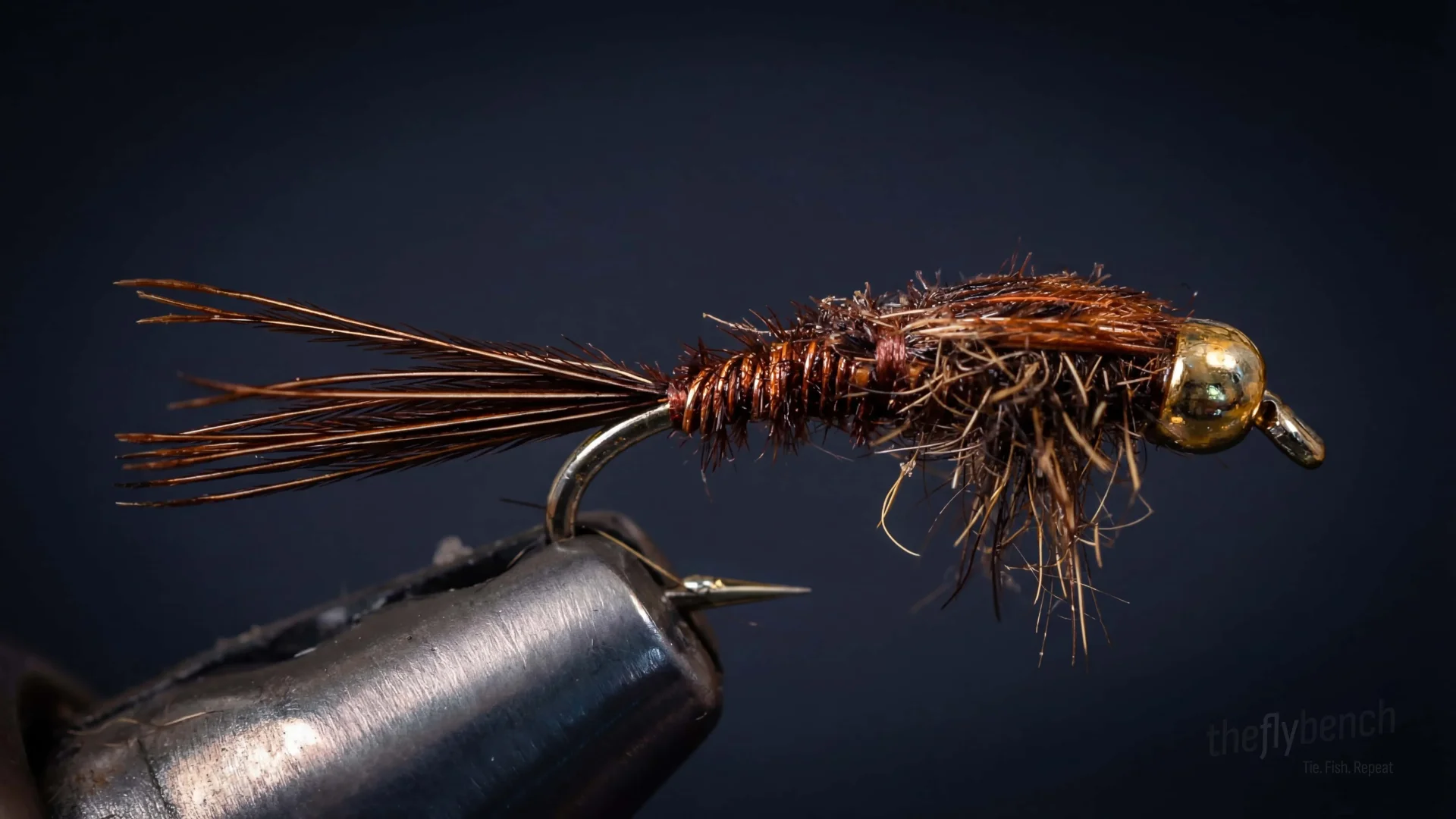
A hybrid nymph that combines the slender, segmented abdomen of a Pheasant Tail with the buggy thorax of a Hare's Ear. It's tied with pheasant tail fibers in back, hare's mask dubbing up front, and finished with a gold bead for weight. A simple, durable pattern that covers multiple food forms.
Where to Buy This Fly
We only link to fly shops we trust. Some links are referral links, which may earn us a commission at no extra cost to you.
Materials
- Hook:
- Tiemco 5262, size #2-#6
- Hook:
- Standard nymph hook, sizes #12–#18
- Bead:
- Gold tungsten bead (size to match hook)
- Thread:
- Brown 6/0 or 8/0
- Tail:
- Pheasant tail fibers
- Ribbing:
- Fine gold wire
- Abdomen:
- Pheasant tail fibers
- Thorax:
- Hare's ear dubbing
- Wingcase:
- Pheasant tail fibers
- Legs:
- Optional – partridge or pheasant tail fibers
Behavior & Presentation
Natural Behavior: Generalist nymphs occupy diverse habitats from riffles to pools, exhibiting variable behaviors from clinging to active crawling based on current. Their opportunistic feeding creates consistent drift availability throughout daylight hours.
Where Trout Eat It: Tumbling near bottom in runs, tail-outs, and pocket water where diverse nymphs drift opportunistically.
How to Fish It: Dead drift with high-stick techniques, maintaining bottom contact through natural tumble zones.
Best Water: Search runs, tail-outs, and riffle edges where generalist nymphs concentrate in feeding lanes.
Strike Type: Watch for indicator dips or subtle line hesitation signaling interception of drifting nymphs.
Fishing Strategy
Rigging Suggestions: Use as a dropper 18-24 inches below a dry fly indicator, or in a tandem nymph rig with a heavier fly as anchor. Use 5X or 6X tippet.
Seasonal Timing: Effective throughout and from April through October, with peak productivity during May-June and September when mayfly hatches are most consistent.
Pro Tips: The tungsten bead ensures quick descent to feeding zones. Natural tones provide subtle realism that selective trout find convincing in clear water. The slim profile allows for natural drift and quick penetration through the water column.
Entomology
Generalist nymphs occupy diverse stream habitats from riffles to pools, exhibiting variable behavior patterns from clinging to active crawling depending on species and current velocity. Their opportunistic feeding and movement patterns result in consistent drift availability throughout daylight hours. Fish feed on these nymphs because their predictable presence across multiple microhabitats means they're always available as prey, making them reliable searching patterns when no specific hatch is occurring and fish are feeding opportunistically.
- Organism Type
- insect
- Life Stage
- nymph