Dry FliesTrico Dun
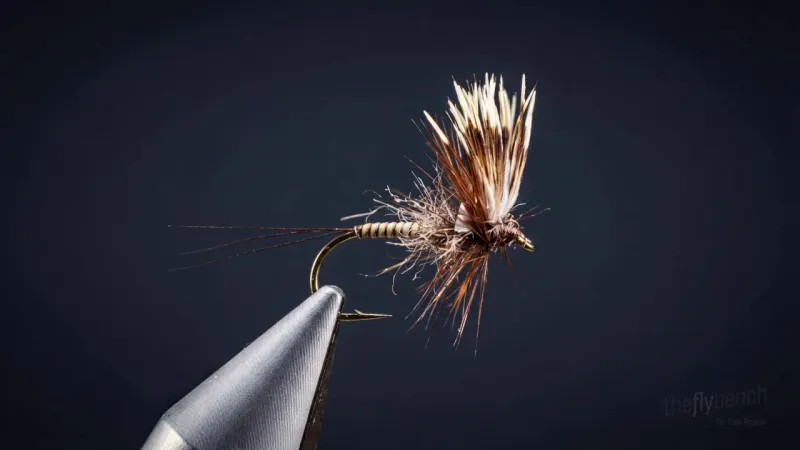
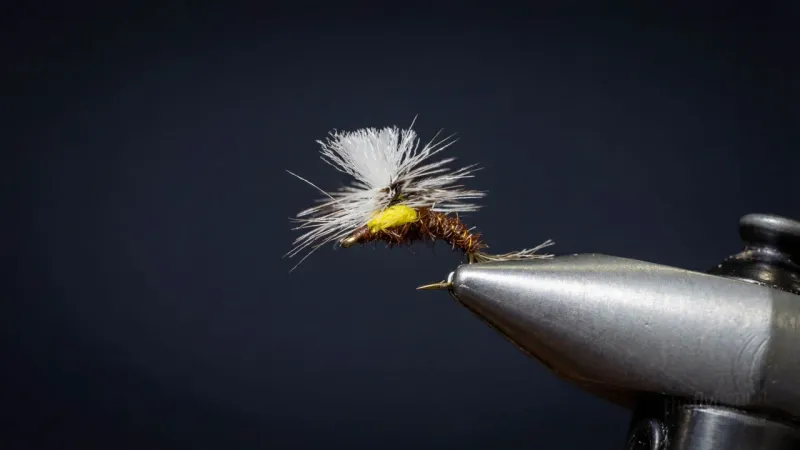
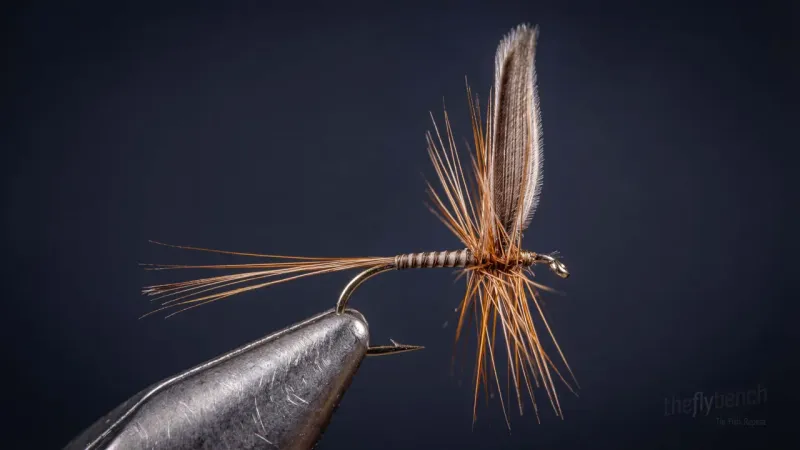
A small, delicate dry fly pattern designed to imitate the adult stage of the Trico mayfly. It's a must-have pattern during Trico hatches, especially on spring creeks and tailwaters.
Summer, Fall
Advanced
Trout
Apr 2025
Overview
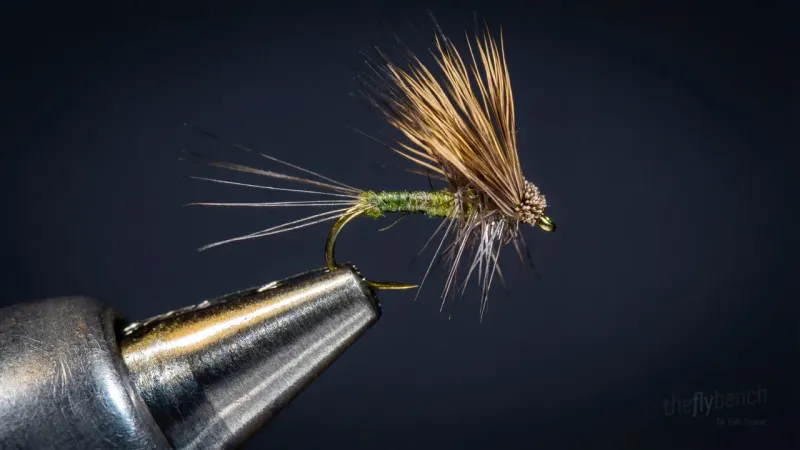
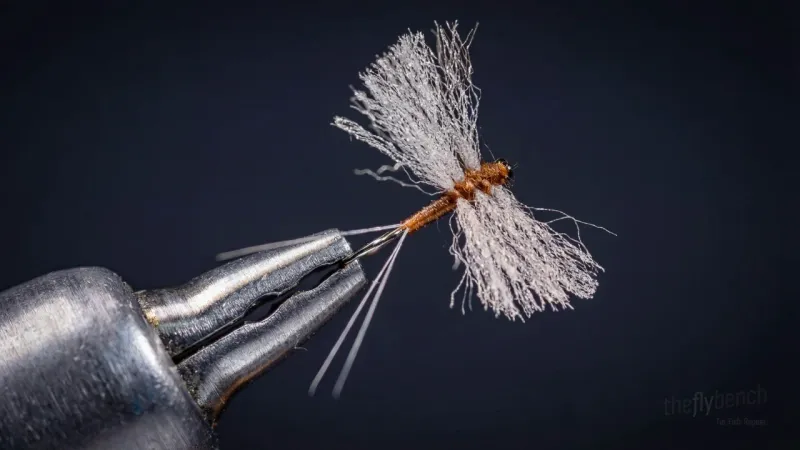
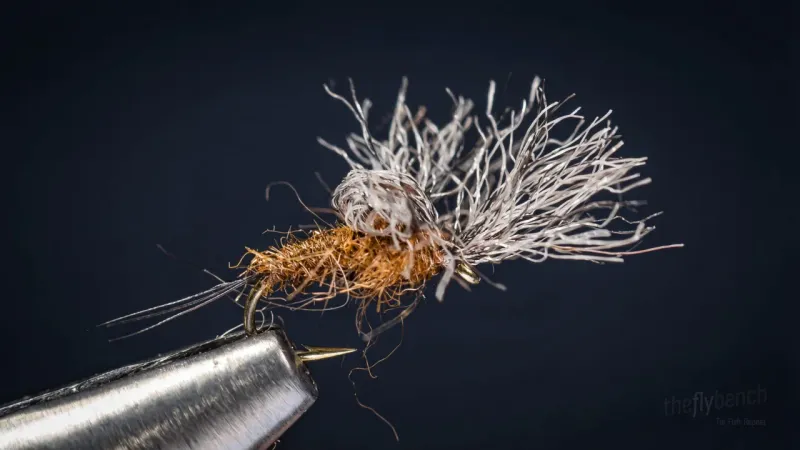
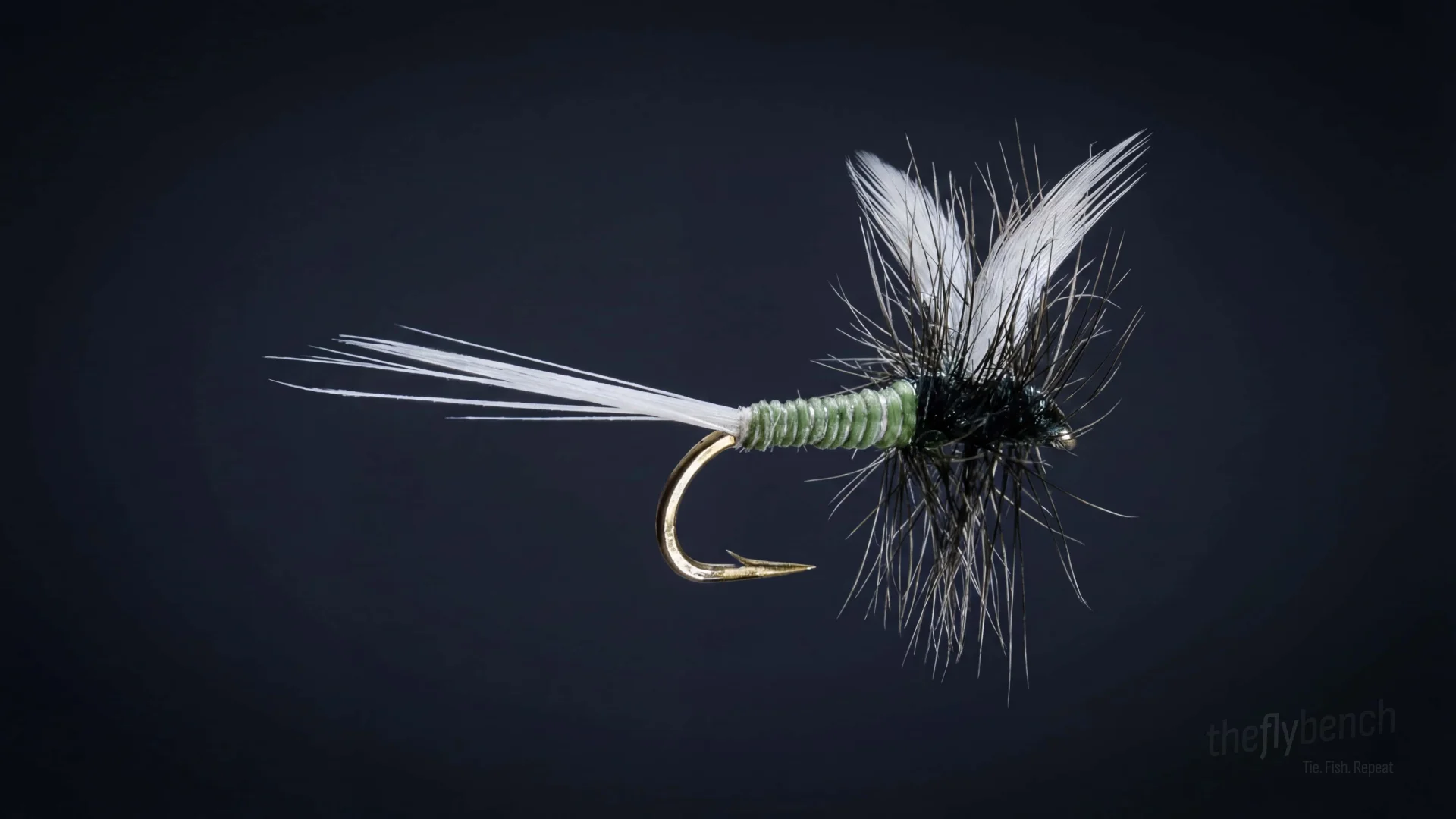
This delicate dry fly imitates the male Trico mayfly dun. Tied small (#20–#26), it uses a slender thread or biot body, upright dun-colored hackle tips for wings, and a sparse tail. Best tied in black or olive with exacting proportions for selective trout.
Where to Buy This Fly
We only link to fly shops we trust. Some links are referral links, which may earn us a commission at no extra cost to you.
Materials
- Hook:
- #18-22 Tiemco 100
- Thread:
- Black UTC 70
- Tail:
- White Coq De Leon
- Body:
- Olive Stripped Quill
- Wing:
- White Hen Neck Feathers
- Hackle:
- Black Whiting Rooster Cape or Midge Saddle
Behavior & Presentation
Natural Behavior: Trico duns emerge from the nymphal shuck in massive early morning hatches, floating upright on the surface while their wings dry and stiffen. These tiny mayflies cluster on calm water for several minutes before taking flight to mate.
Where Trout Eat It: Fish rise methodically during dawn Trico emergences as duns float upright on surface while wings dry on the Bighorn and Missouri Rivers. Selective trout establish feeding rhythms during the narrow morning window of vulnerability before duns fly off to mate in massive swarms.
How to Fish It: Use 10-12 ft leaders to 6X-7X (8X in clear water) with drag-free upstream casts. Focus on one rising trout, determine feeding rhythm, present fly when expecting rise. Keep rod tip low and set gently to avoid breaking fine tippet. CDC wing provides natural buoyancy without bulk.
Best Water: Fish smooth runs, pool glides, and tail-outs with weed edges during morning hatches. Target spring creek and tailwater sections where Tricos emerge daily late June-October with peak July-August activity.
Strike Type: Selective trout create tiny ring-rises during morning Trico emergences, sipping the upright dun with metronome-like rhythm; gentle lift at the visual cue prevents tippet breakage on 6X-7X leaders.
Fishing Strategy
Rigging Suggestions: Use 10-12 foot leaders tapered to 6X or 7X tippet. In extremely clear water with highly selective trout, 8X tippet may be necessary. Apply dry shake floatant to maintain buoyancy.
Seasonal Timing: Most effective from late June through October with peak activity in July and August. Trico hatches are remarkably consistent during their season, occurring almost daily.
Pro Tips: The small size demands precise presentation and hook sets. Keep rod tip low and strike gently to avoid breaking fine tippet. CDC wing provides natural buoyancy without excessive hackle bulk.
Entomology
Adult Tricos emerge in massive dawn swarms, with duns riding the surface film as they dry their wings before taking flight. Trout target these tiny mayflies during the brief window when duns are most vulnerable, making selective feeding on this abundant food source highly efficient for the energy expenditure.
- Order
- Ephemeroptera
- Family
- Leptohyphidae
- Common Name
- Trico
- Organism Type
- insect
- Life Stage
- adult