Dry FliesCDC Biot Thorax Dun
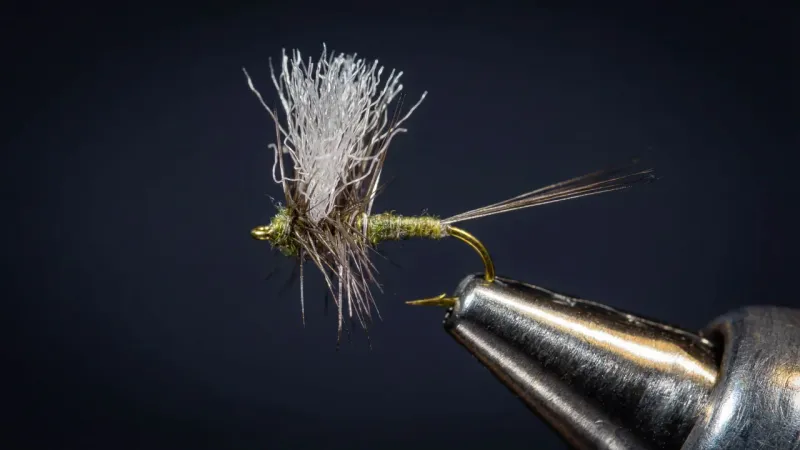
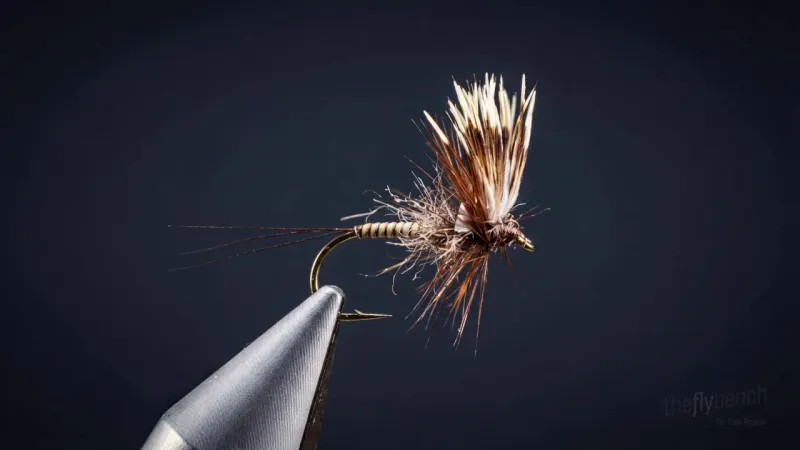
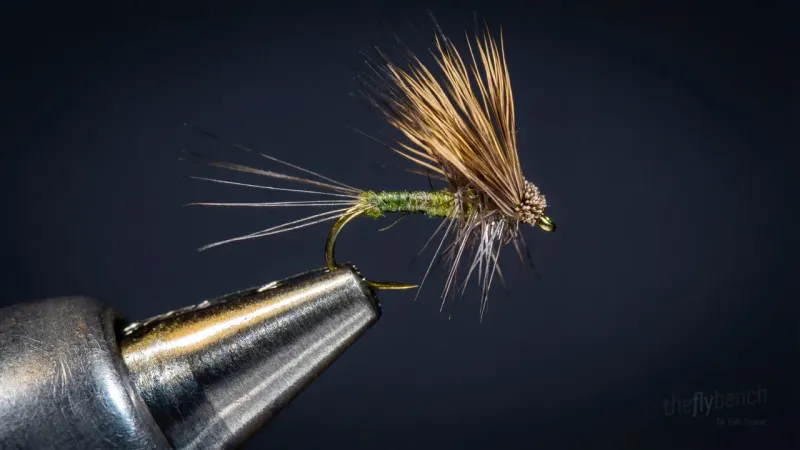
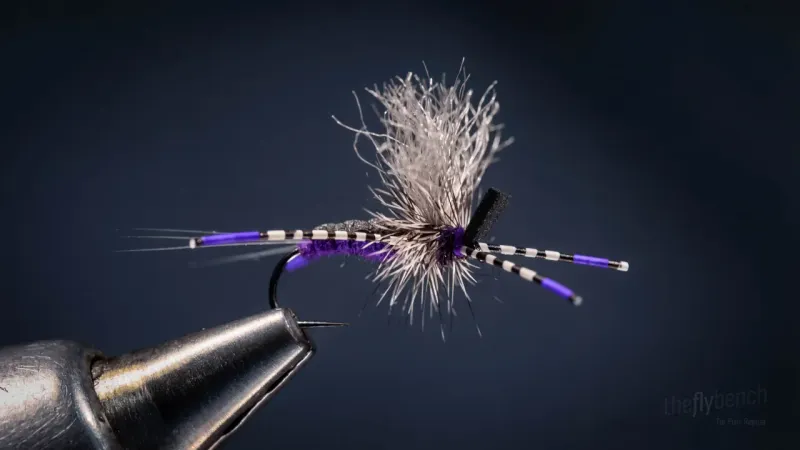
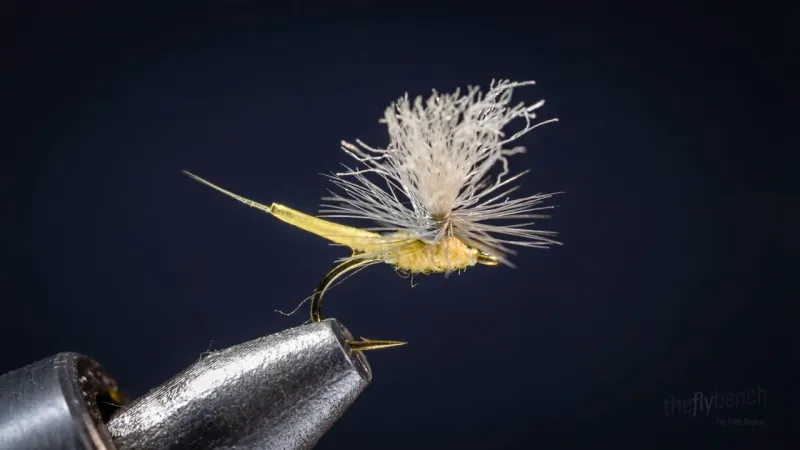
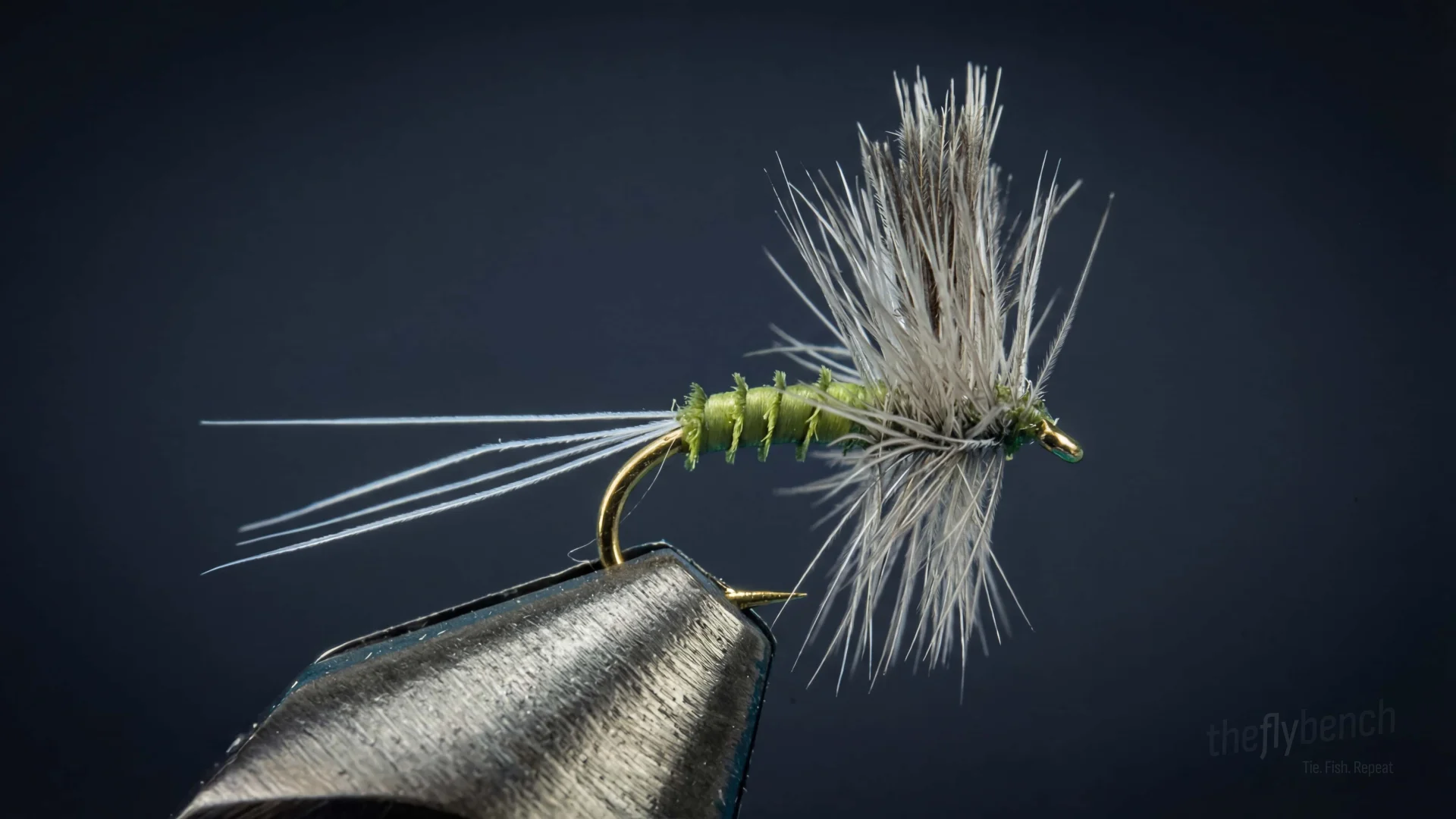
The CDC Biot Thorax Dun is a highly effective and life-like mayfly imitation. CDC (Cul de Canard) provides this fly with a realistic profile and excellent buoyancy. The biot body perfectly mimics the segmented body of a natural dun, making it an irresistible choice for trout during a hatch.
Spring, Summer, Fall
Advanced
Trout
Apr 2025
Overview
This variation features a biot body for segmentation and a CDC thorax or collar for buoyancy and subtle motion. A sparse, upright wing helps it ride flush in the film. It's an effective pattern during light hatches or when fish are selective on mayfly duns.
Where to Buy This Fly
We only link to fly shops we trust. Some links are referral links, which may earn us a commission at no extra cost to you.
Materials
- Hook:
- Tiemco 100, size #12-#20
- Thread:
- Olive Dun 8/0 Uni-Thread
- Tail:
- Coq de Leon
- Body:
- Olive goose biot
- Wing:
- Natural gray CDC feathers
- Thorax:
- Olive superfine dubbing
Behavior & Presentation
Natural Behavior: Freshly emerged mayfly duns rest on the surface film while their wings dry, riding the current in an upright posture with wings held together vertically. This vulnerable period can last several seconds to minutes depending on weather conditions, during which the newly emerged adult cannot escape predation.
Where Trout Eat It: Trout sip this in spring creek flats and tailwater slicks where freshly emerged duns drift while wings dry.
How to Fish It: Add occasional subtle twitches mimicking struggling duns, presenting with drag-free drift using light tippet during evening hatches.
Best Water: Most productive in spring creek flats with consistent shallow depth, tailwater glides with smooth surface, and back channels.
Strike Type: Trout intercept this low-riding pattern with head-and-tail rises, producing a smooth roll at the surface—set gently as the rise-form completes.
Fishing Strategy
Rigging Suggestions: Use a light tippet to prevent spooking fish in clear water. Apply floatant to the CDC to keep the fly riding high on the water surface.
Seasonal Timing: Use the CDC Biot Thorax Dun during a mayfly hatch. It can be particularly effective in the evening when duns are most active.
Pro Tips: The CDC feathers provide excellent buoyancy and the segmented biot body makes this fly highly visible on the water surface. The natural colors of the materials blend well with the surrounding environment, fooling wary trout into taking a bite.
Entomology
Freshly emerged mayfly duns rest on the surface film while their wings dry, riding the current in an upright posture with wings held together vertically. This vulnerable period can last several seconds to minutes depending on weather conditions, during which the newly emerged adult cannot escape predation. Trout key on these drifting duns because they represent a reliable, calorie-rich food source during predictable hatch windows.
- Order
- Ephemeroptera
- Common Name
- Mayfly
- Organism Type
- insect
- Life Stage
- adult