Dry FliesTrico Parachute
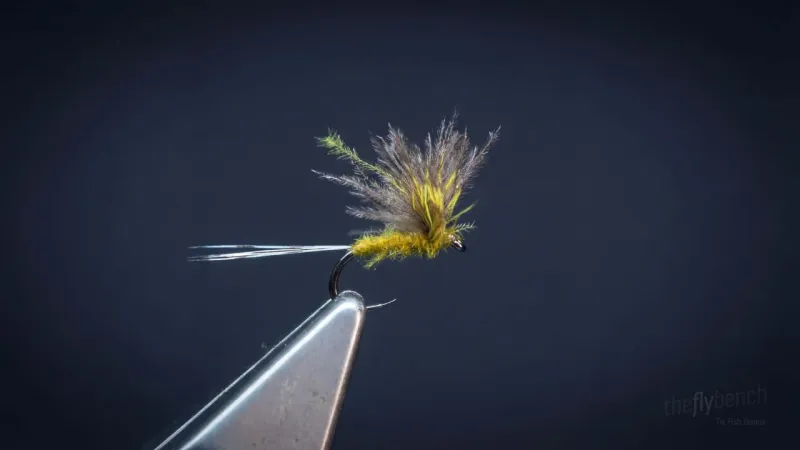
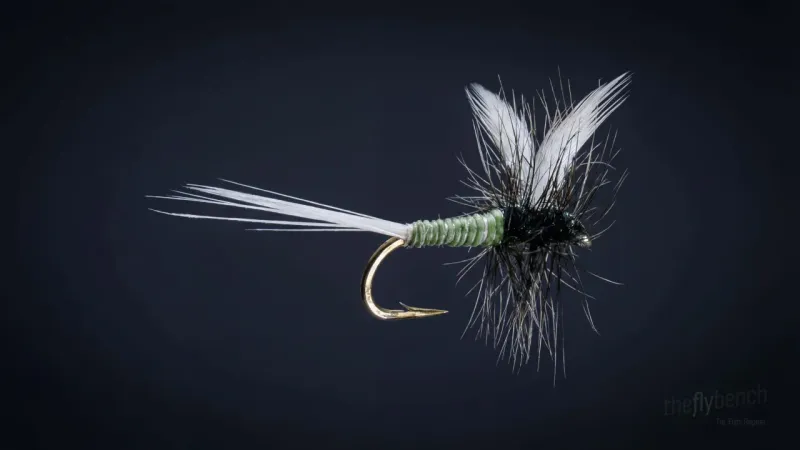
The Trico Parachute is a dry fly designed to imitate Tricorythodes mayflies, coZmmonly known as Tricos. This pattern excels during Trico hatches, which can create some of the most exciting dry fly fishing of the year.
Summer
Intermediate
Trout
Apr 2025
Overview
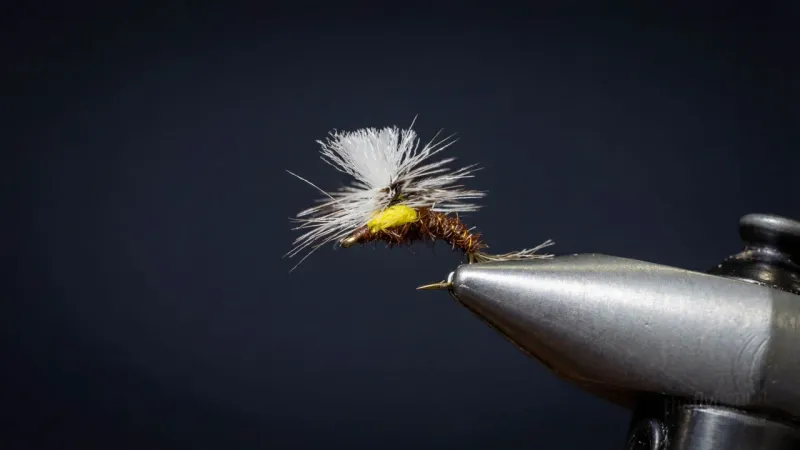
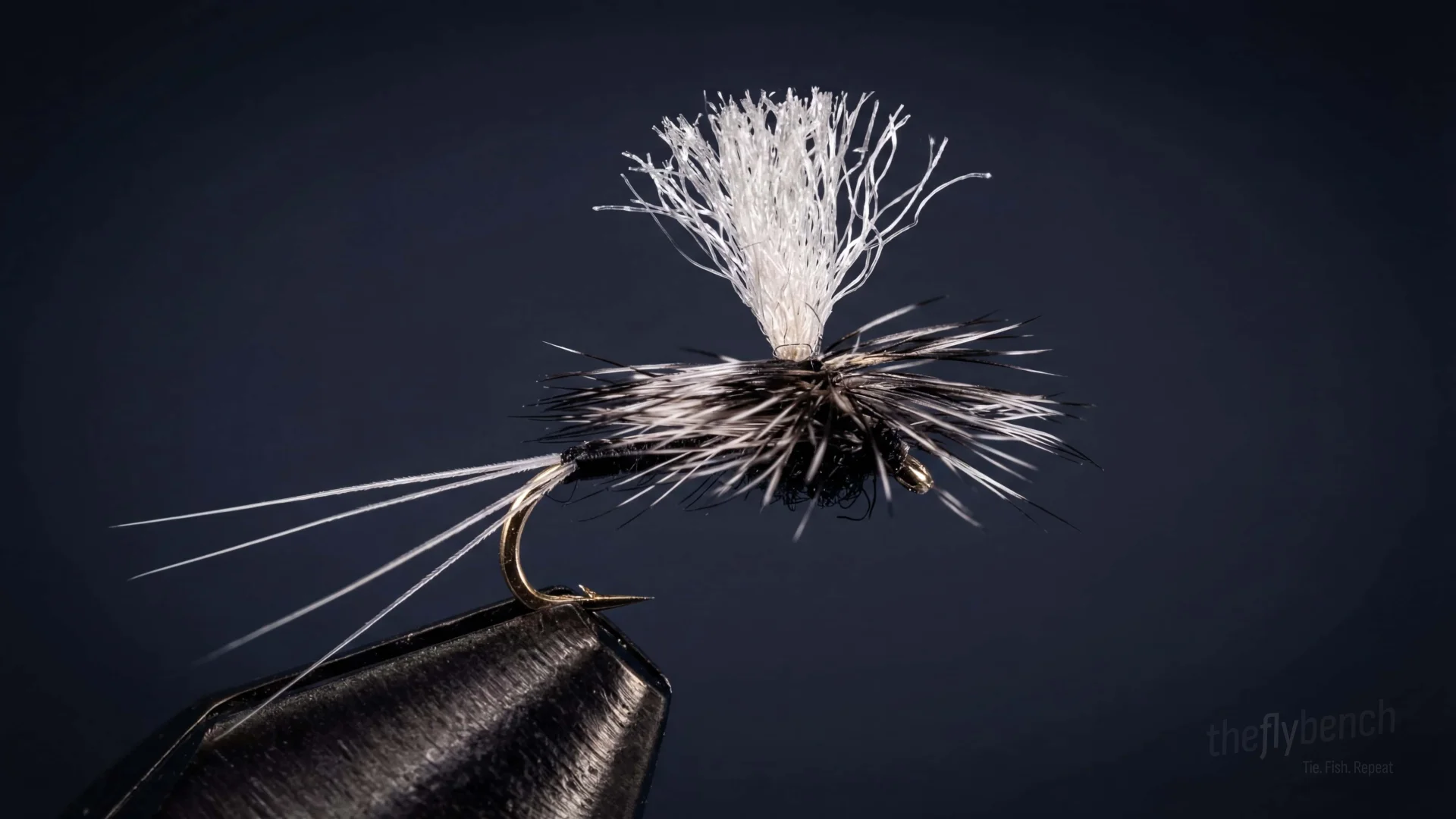
This variation uses a parachute-style hackle wound around a post (usually white or gray poly yarn) for visibility and floatation. The body remains slender and dark, with microfibbet tails and a subtle thorax bump. It rides low in the film for finicky fish.
Where to Buy This Fly
We only link to fly shops we trust. Some links are referral links, which may earn us a commission at no extra cost to you.
Materials
- Hook:
- 1X-fine dry-fly hook (here a TMC100), size 20-24
- Thread/abdomen:
- 70 Denier or 6/0, black
- Tails:
- Dark dun Microfibbets
- Tail separator:
- Tying thread tag end
- Wingpost:
- White EP Trigger Point Fibers
- Hackle:
- Hackle, light dun
- Thorax:
- Australian possum dubbing, black
Behavior & Presentation
Natural Behavior: Trico duns emerge from the nymphal shuck in massive early morning hatches, floating upright while their wings stiffen and dry. These tiny mayflies cluster on calm water surfaces for several minutes before flying off to mate.
Where Trout Eat It: Fish rise steadily during massive early morning Trico dun emergences (6-10am) in smooth runs and glides. Trout feed in predictable feeding lanes during dense hatches creating feeding frenzies where fish maximize caloric intake in calm water during the narrow morning window.
How to Fish It: Cast upstream with drag-free drift using 6X-7X tippet, focusing on individual rising fish. White parachute post provides visibility in low light. Lead trout several feet with fly-first presentation, casting from angle to avoid lining fish. Fish from 6am (hot days) to noon (cool days).
Best Water: Work smooth runs, pool glides, and eddy lines during morning emergences. Focus on tail-outs and riffle edges where calm water meets current and sipping fish establish feeding stations.
Strike Type: Morning rises during Trico hatches produce rhythmic surface sips visible as small rings around the white post. Set with a smooth upward lift when the post disappears in the rise form.
Fishing Strategy
Rigging Suggestions: Consider using a 6X or 7X tippet due to the small size of this fly and the typically clear water conditions during Trico hatches.
Seasonal Timing: This pattern is most effective in during Trico hatches.
Pro Tips: The Trico Parachute floats on the surface of the water. Its white poly yarn wing and grizzly hackle make it highly visible to both the angler and the fish.
Entomology
Trico duns emerge in massive numbers during early morning hours, sitting upright on the surface as their wings dry before taking flight from calm water. Selective trout rise steadily to these tiny mayflies because the dense emergences create feeding frenzies where fish can maximize caloric intake during a narrow window of opportunity in late summer and early fall.
- Order
- Ephemeroptera
- Family
- Leptohyphidae
- Common Name
- Trico
- Organism Type
- insect
- Life Stage
- adult