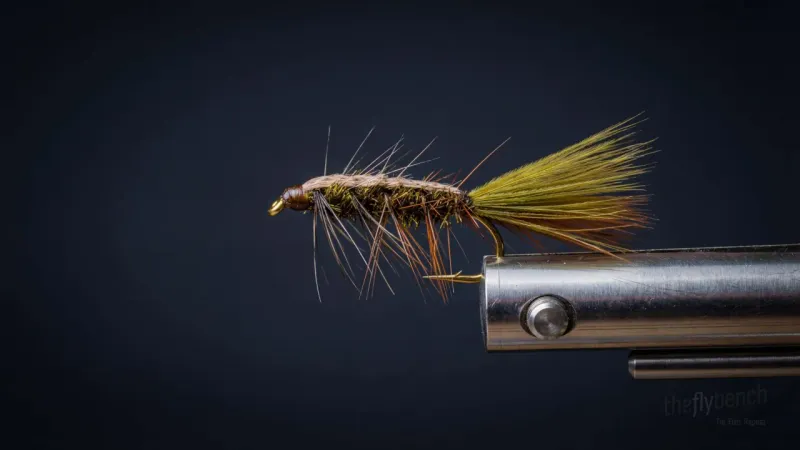
Dry FliesTimmy
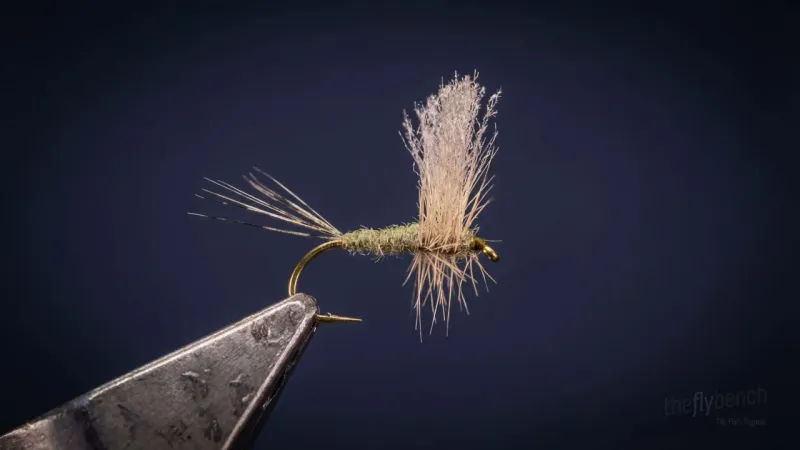
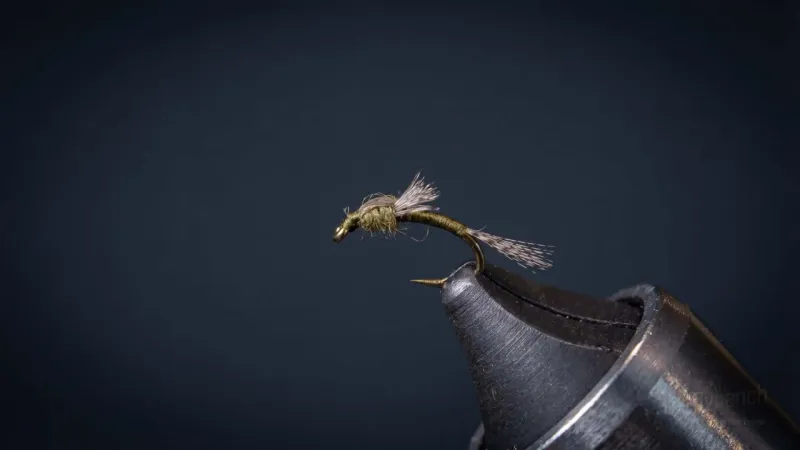
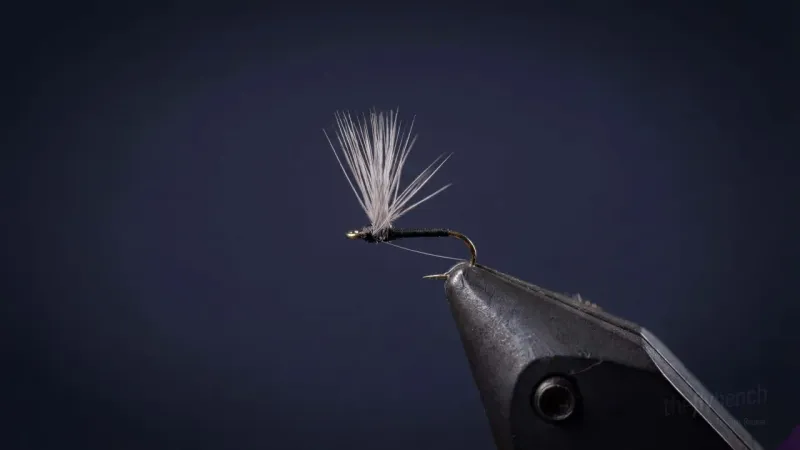
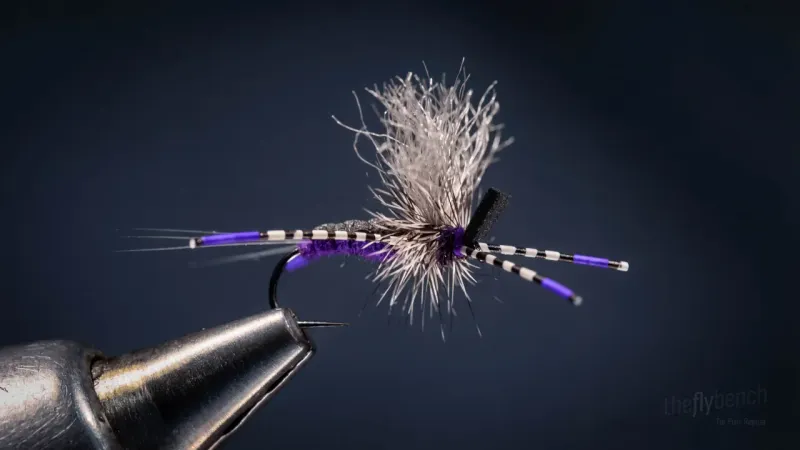
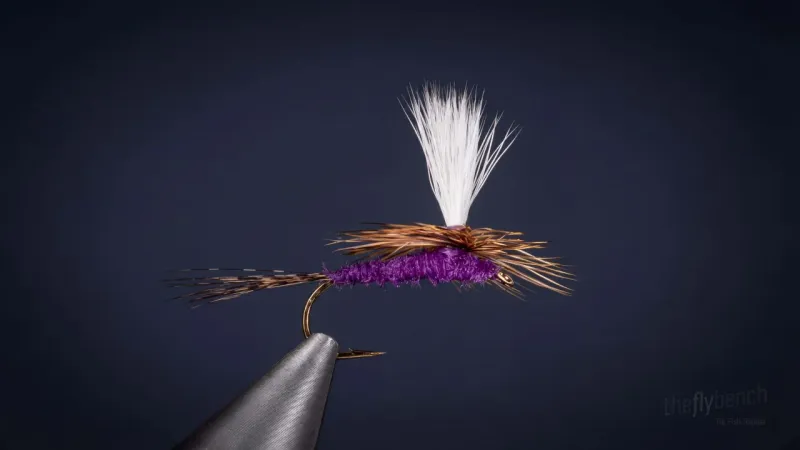
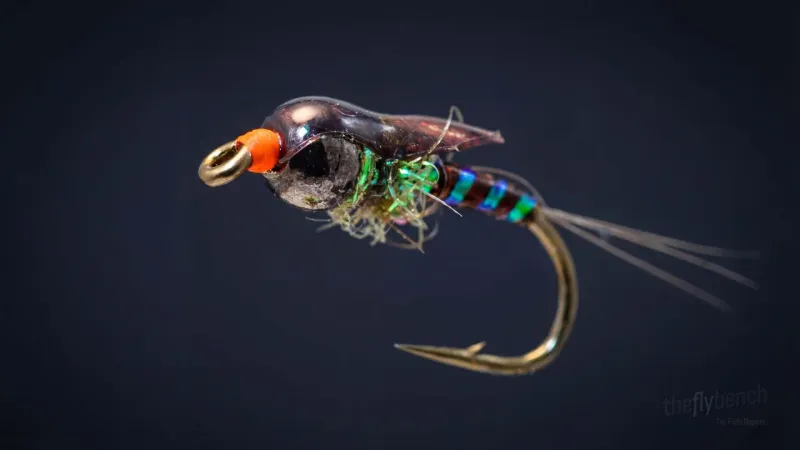
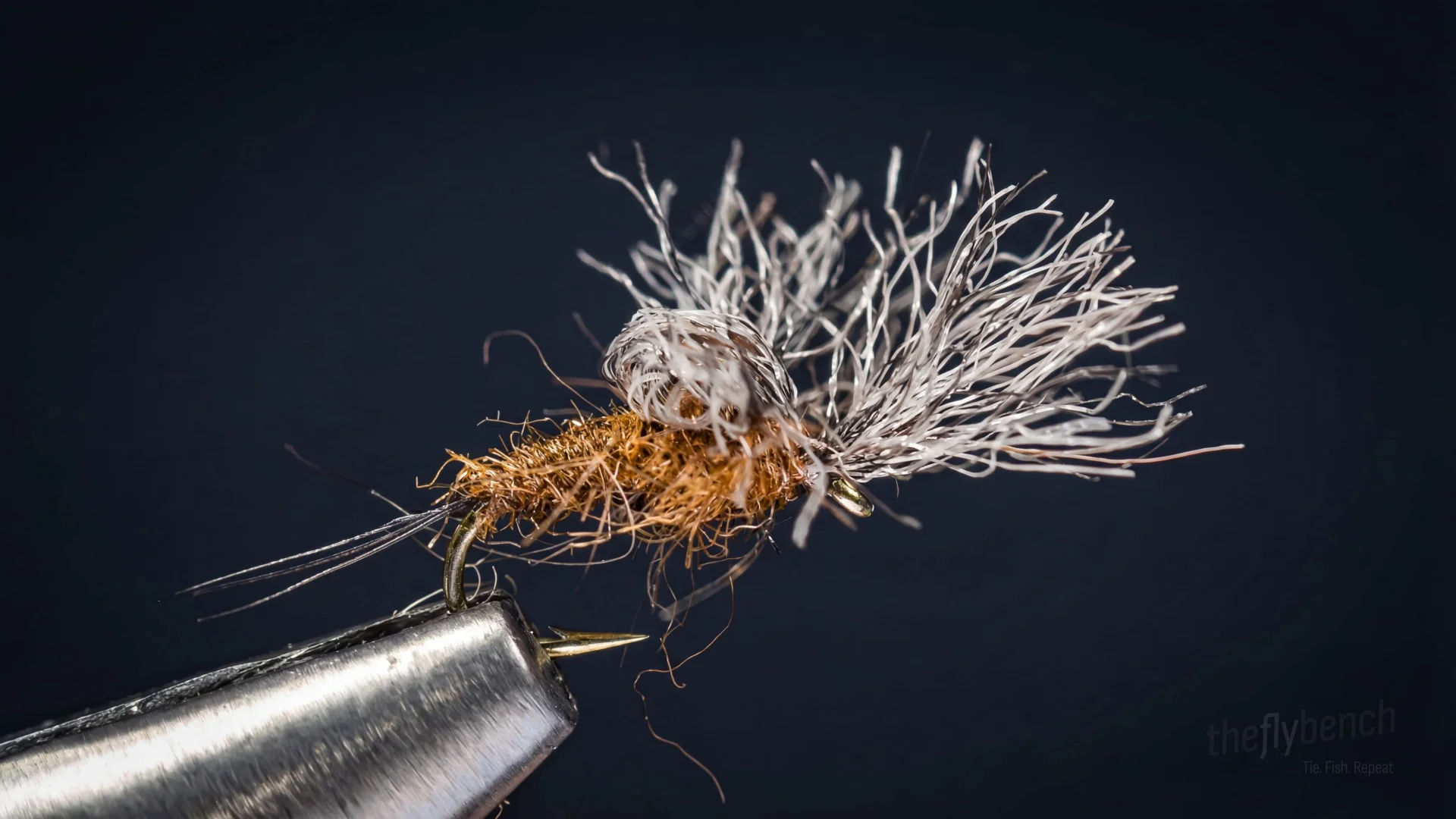
The Timmy is a versatile dry fly emerger pattern that combines the proven effectiveness of a dubbed hare's mask body with innovative poly pro yarn elements that create wing, legs, and casing. This pattern features a split moose body hair tail, a slim brown hare's mask dubbing body, and a multi-colored poly pro yarn configuration in black, smoke grey, and brown that suggests both emerging wings and splayed legs. The result is a highly impressionistic pattern that can imitate various mayfly emergers including baetis and small PMDs.
Spring, Summer, Fall
Intermediate
Trout
Dec 2025
Overview
This Charlie Craven pattern from Charlie's Fly Box demonstrates his creative approach to emerger design. The name "Timmy" reflects Craven's personable approach to naming flies. The curved Tiemco 2487 hook creates the emerging posture that helps this fly ride correctly in the surface film with the abdomen curving down into the water. The moose body hair tail provides excellent buoyancy and the split fibers suggest the trailing shuck of an emerging mayfly. The hare's mask dubbing creates a buggy, textured body with natural variation in color and fiber length. The poly pro yarn, used in multiple colors, serves triple duty as wing material, leg suggestion, and wing case - creating a complex silhouette with minimal bulk. The combination of dark (black), medium (smoke grey), and natural (brown) yarn colors adds depth and visual interest to the fly.
Materials
Hook: Tiemco 2487, #14-22
Thread: Nano Silk 18/0 (Semperfli), brown
Tail: Moose Body Hair
Body: Nature's Spirit Hare's Mask Dubbing, brown
Wing/Legs: Polypropylene Macrame Yarn, black, smoke grey, and brown
Behavior & Presentation
Natural Behavior: Mayfly emergers struggle upward through the surface film as their wing cases split open and adult forms begin to unfurl. Their prolonged vulnerability during this transitional phase makes them prime targets during concentrated emergence periods.
Where Trout Eat It: Fish suspend just beneath the surface in eddies and pool tail-outs, intercepting emergers drifting in the film.
How to Fish It: Present the fly in the surface film with drag-free drift, allowing it to sit partially submerged like naturals trapped mid-emergence.
Best Water: Focus on eddies where emergers concentrate, tail-outs collecting drifting insects, and seams where surface currents funnel hatching mayflies.
Strike Type: Watch for subtle sipping rises and barely visible takes as fish delicately intercept emergers in the film.
Fishing Strategy
Rigging Suggestions: Fish on a 12-15 foot leader tapering to 5X-6X fluorocarbon tippet. The small hook sizes and delicate presentation require fine tippet. Can be used as part of a dry-dropper rig with a small nymph below.
Seasonal Timing: Most effective during mayfly emergence seasons -. Particularly productive during baetis hatches in and when fish are looking for emergers in the surface film.
Pro Tips: The poly pro yarn wing provides visibility for the angler. Apply minimal floatant to keep the fly sitting correctly in the film - too much floatant will prevent the proper emerger posture.
Entomology
Baetis emergers drift just beneath the surface film in their final nymphal stage, struggling upward while their wing cases begin to split and their adult form starts to emerge. Fish key on these transitioning mayflies because they're highly vulnerable during the extended emergence process and appear in dense concentrations during spring and fall hatches.
- Order
- Ephemeroptera
- Family
- Baetidae
- Common Name
- Baetis
- Organism Type
- insect
- Life Stage
- emerger