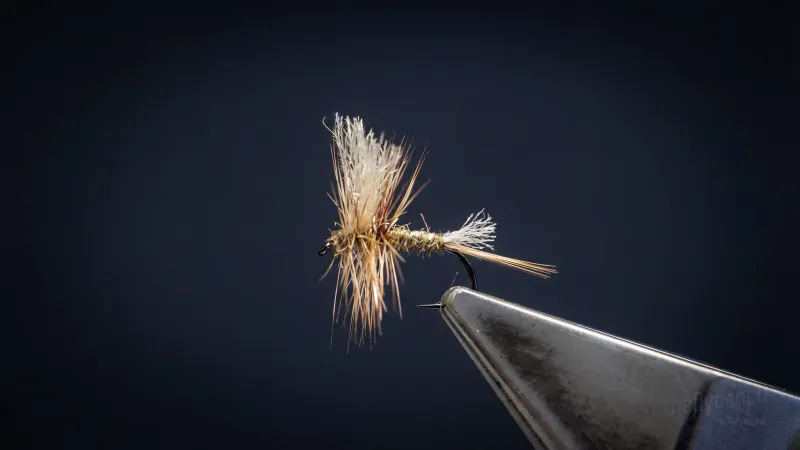
Dry FliesPetitjean CDC May Fly
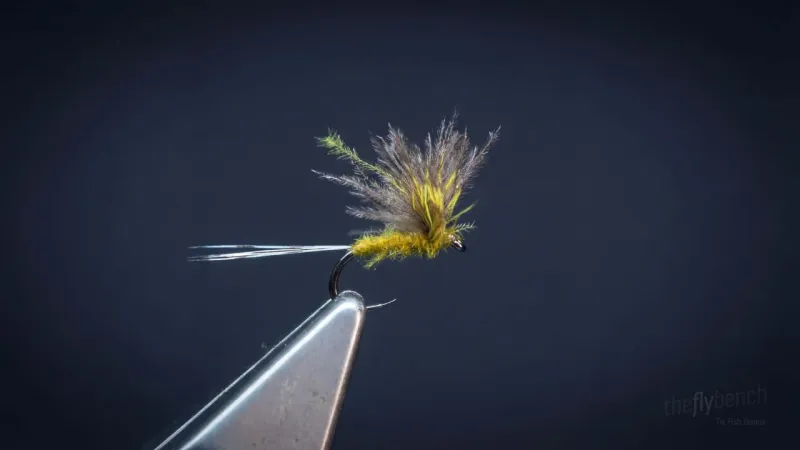
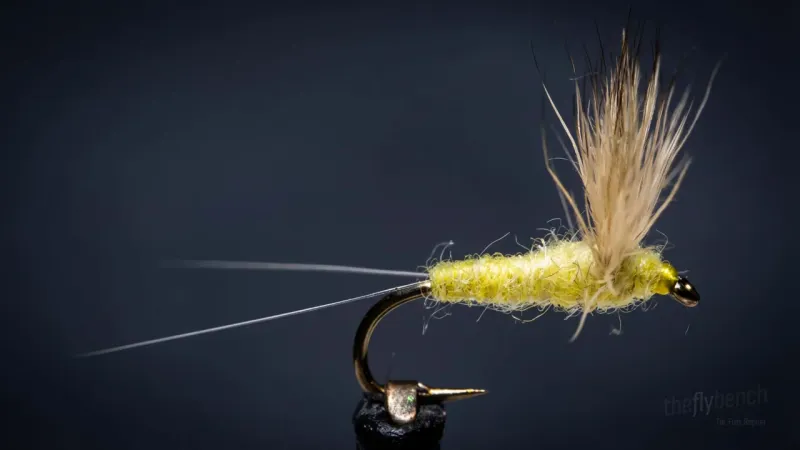
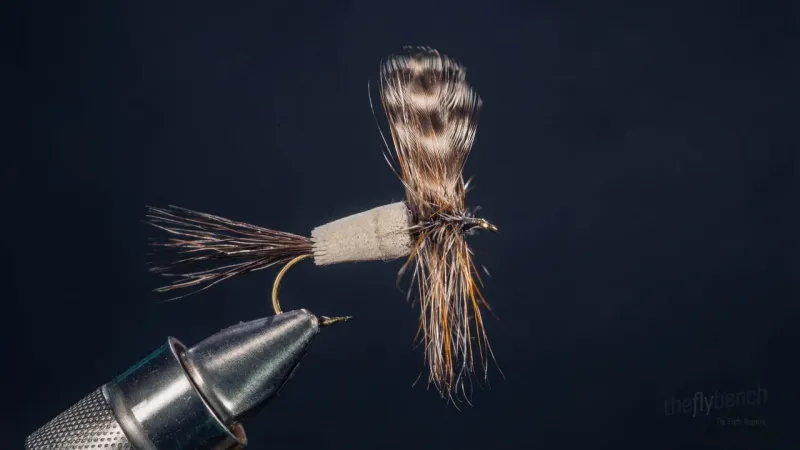
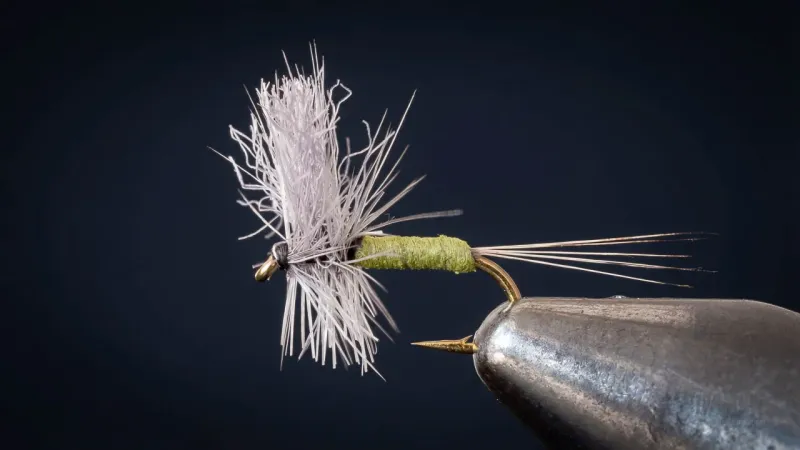
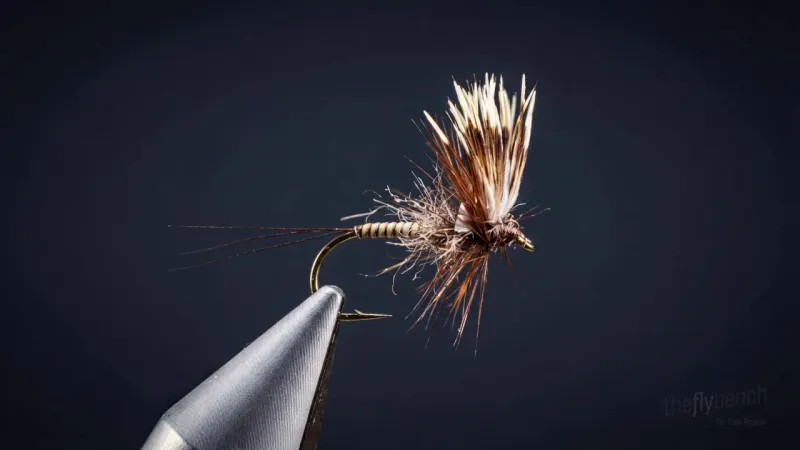
The Petitjean CDC May Fly is an elegant mayfly dun imitation developed by Swiss fly tying master Marc Petitjean. The pattern showcases his signature CDC techniques, using a twisted Coq de Leon body and split-thread CDC wing that creates exceptional floatation and a realistic silhouette. A masterclass in minimalist dry fly design that rides high on the water.
Spring, Summer, Fall
Advanced
Trout
Dec 2025
Overview
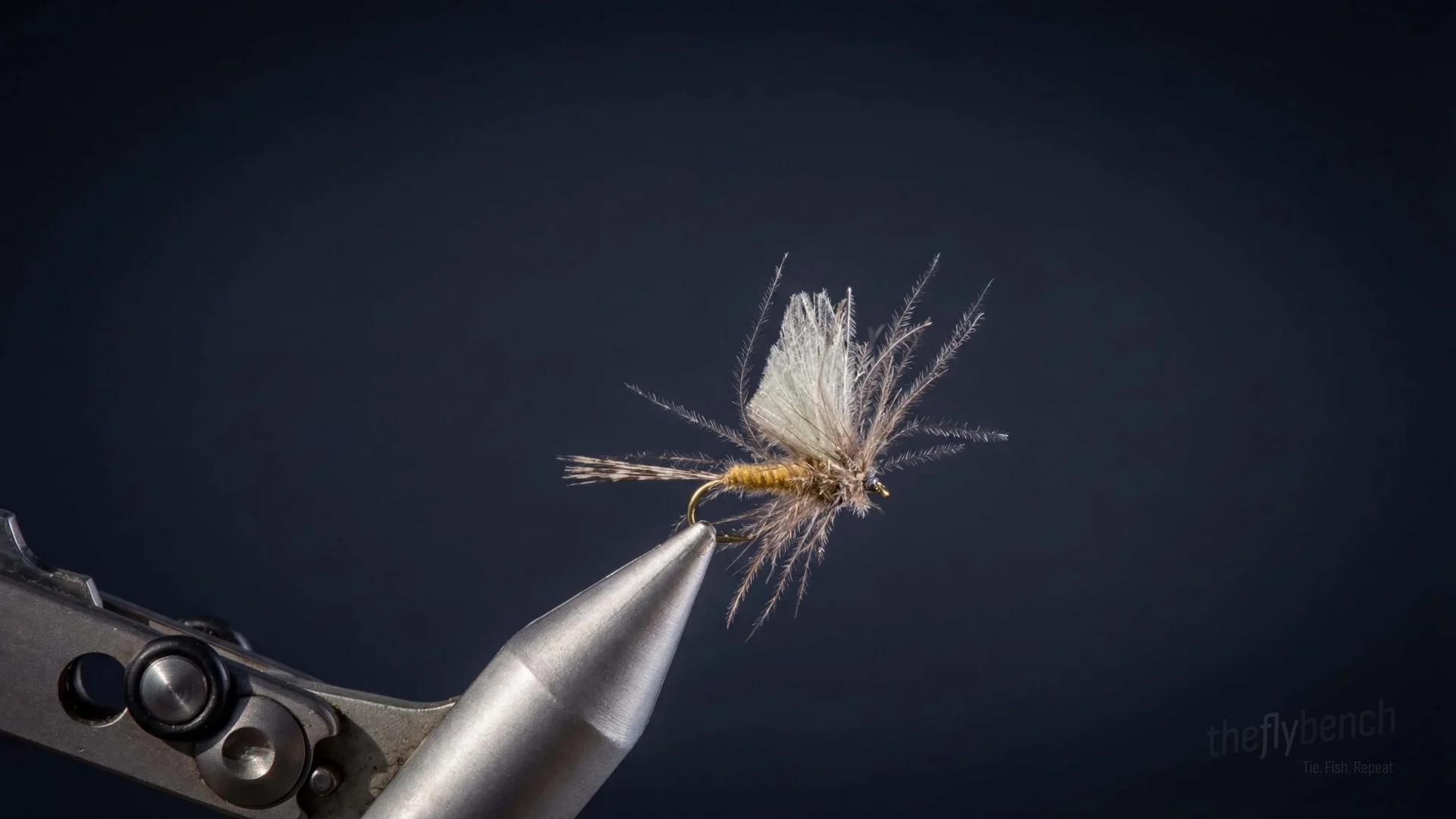
Marc Petitjean revolutionized CDC fly tying with his innovative techniques and specialized tools, including the famous MP Magic Tool. This pattern demonstrates his signature "one twist per wrap" method that prevents the delicate CDC fibers from breaking while creating a beautifully segmented body. The split-thread dubbing loop technique for the wing is a Petitjean hallmark that creates maximum floatation with minimal material. His patterns are renowned for their effectiveness on technical spring creek trout.
Materials
Hook: Dry fly hook, #12–#18
Thread: Fine tying thread, color to match body
Tail: Coq de Leon fibers
Body: Coq de Leon hackle, twisted and wrapped
Wing: Three CDC feathers, mixed colors, split-thread technique
Behavior & Presentation
Natural Behavior: Newly emerged mayfly duns sit motionless on the surface as their wings dry and stiffen, drifting downstream with the current until they're ready for flight. These helpless adults concentrate in foam lines and eddies where their extended drift times make them easy targets.
Where Trout Eat It: Fish rise in feeding lanes and surface film, focusing on slicks and tail-outs where duns collect during extended hatches.
How to Fish It: Cast upstream with a drag-free drift, allowing the CDC wing to ride naturally in the surface film without additional floatant.
Best Water: Work tail-outs and slicks where duns accumulate, targeting seams and foam lines that concentrate surface insects.
Strike Type: Watch for subtle sipping rises and delicate takes as fish intercept the drifting dun.
Fishing Strategy
Rigging Suggestions: Fish on a 9-12 foot leader tapered to 5X-7X tippet depending on conditions. Long, fine leaders are essential for fooling wary fish.
Seasonal Timing: Most effective during mayfly hatches . Particularly productive during morning and evening dun emergences when trout are keyed in on the surface.
Pro Tips: The Coq de Leon tail and body give a realistic mayfly profile. Avoid applying floatant directly to CDC as it can mat the fibers.
Entomology
Mayfly spinners return to the water after mating flights, falling spent onto the surface with outstretched wings forming a cruciform silhouette. Fish consume these dying or dead adults during spinner falls because the insects are completely immobile, nutrient-rich after reproduction, and concentrated in predictable surface lanes.
- Order
- Ephemeroptera
- Common Name
- Mayfly
- Organism Type
- insect
- Life Stage
- adult