Dry FliesComparadun
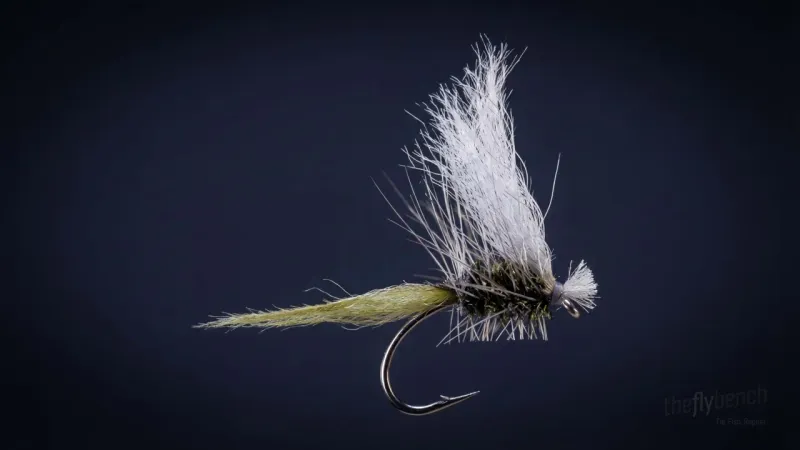
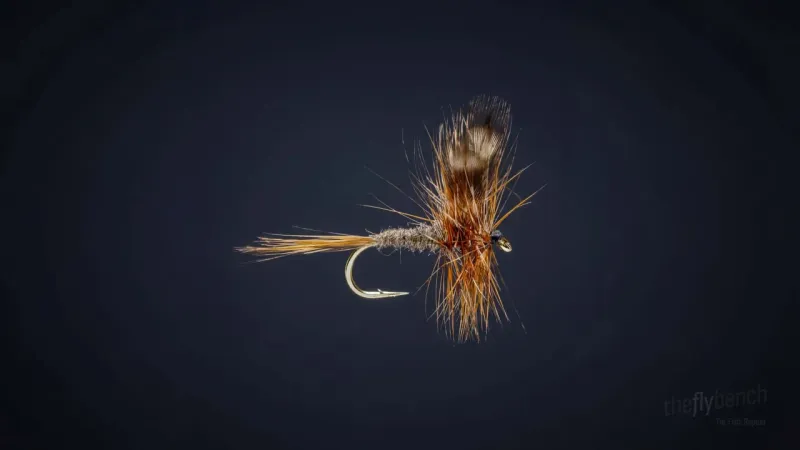
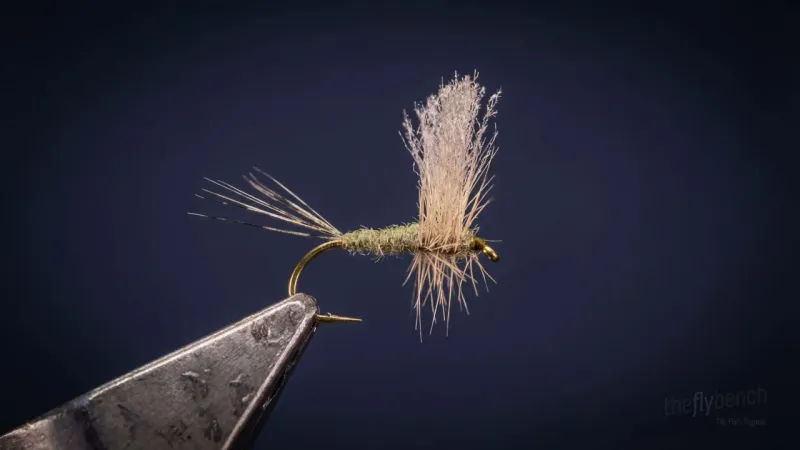
The Comparadun is a versatile dry fly pattern that effectively imitates a variety of mayfly species. Its unique, splayed deer hair wing provides excellent visibility and helps the fly ride flush on the water's surface.
Spring, Summer
Intermediate
Trout
Apr 2025
Overview
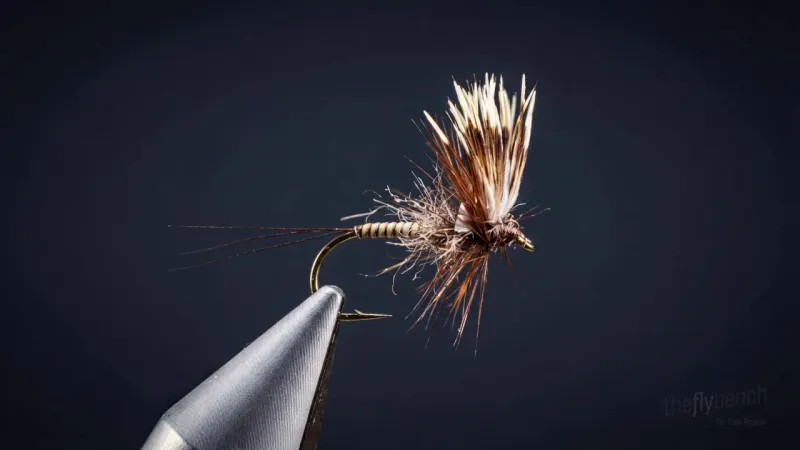
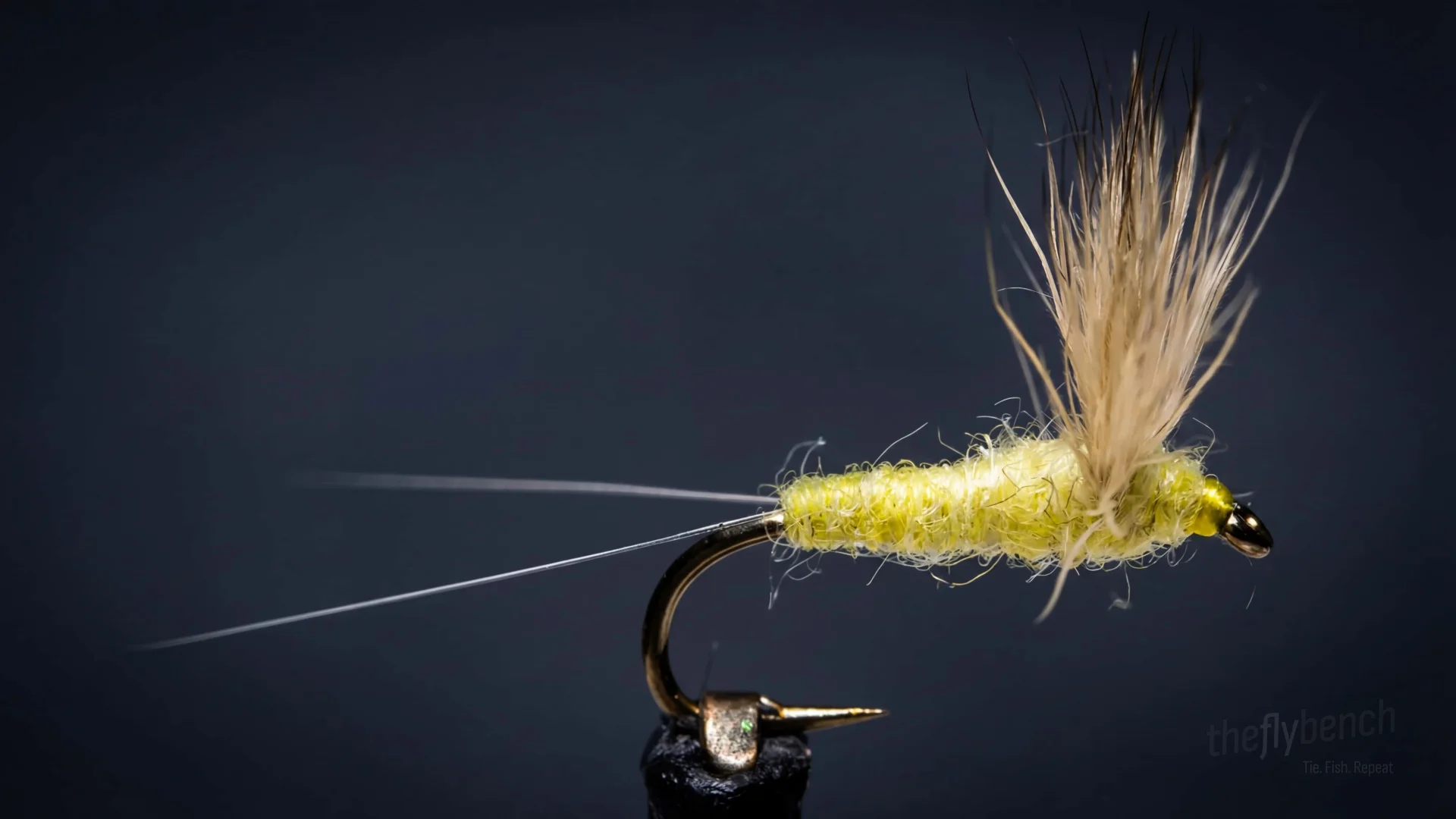
Tied without hackle, the Comparadun uses fine dubbing for the body and a fan-shaped deer hair wing tied upright and splayed. Its low-profile design makes it ideal for imitating mayflies in slow, clear water.
Where to Buy This Fly
We only link to fly shops we trust. Some links are referral links, which may earn us a commission at no extra cost to you.
Materials
- Hook:
- Tiemco 100, size #12–#18
- Thread:
- Olive Dun 6/0
- Tail:
- Coq de Leon
- Body:
- Superfine Dubbing, Blue Dun
- Wing:
- Deer Hair, Coastal Black Tail
Behavior & Presentation
Natural Behavior: Newly emerged duns float trapped in surface film, wings held upright while exoskeletons harden. This extended drift during the drying phase creates predictable feeding lanes where trout methodically sip vulnerable adults.
Where Trout Eat It: In streams, focus on glides, pools, and soft tail-outs where mayflies collect. In lakes, work weed edges and drop-offs during calm conditions.
How to Fish It: Dead drift with slack line casts to avoid drag. Position downstream of rising fish for delicate upstream presentations.
Best Water: Target glides, pools, tail-outs, and drop-offs where emergers concentrate in slow, smooth currents.
Strike Type: Look for subtle sips, quiet rises, or expanding surface rings as trout take floating duns.
Fishing Strategy
Rigging Suggestions: Use a 9-12 foot leader tapered to 5X or 6X tippet for selective trout in clear water. A delicate presentation is critical. The fly should be fished alone to avoid tangles with its low-profile design.
Seasonal Timing: Prime during mayfly hatches from April through August. Most effective when water temperatures range from 50-65°F, triggering consistent mayfly emergences throughout the day.
Pro Tips: The deer hair wing keeps the fly riding flush in the surface film, matching the profile of natural mayfly duns. Change fly size and body color to match the specific mayfly species emerging. The no-hackle design is less visible to spooky fish.
Entomology
Mayfly duns ride the current with upright wings held vertical, trapped in the surface film while their exoskeletons harden during the critical post-emergence drying phase. Trout rise confidently to this vulnerable life stage because the insects cannot escape for several minutes after hatching, allowing fish to feed methodically on predictable drift lines where emergers concentrate in smooth tailouts and glides.
- Order
- Ephemeroptera
- Common Name
- Mayfly
- Organism Type
- insect
- Life Stage
- adult