Euro NymphsNext Gen Perdigon
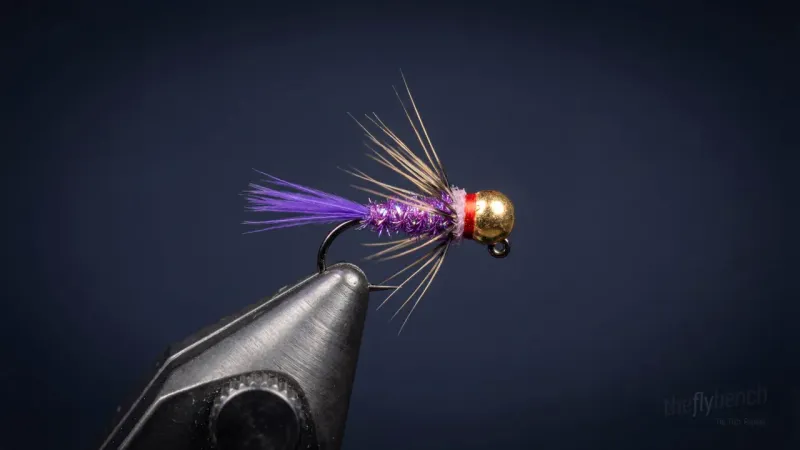
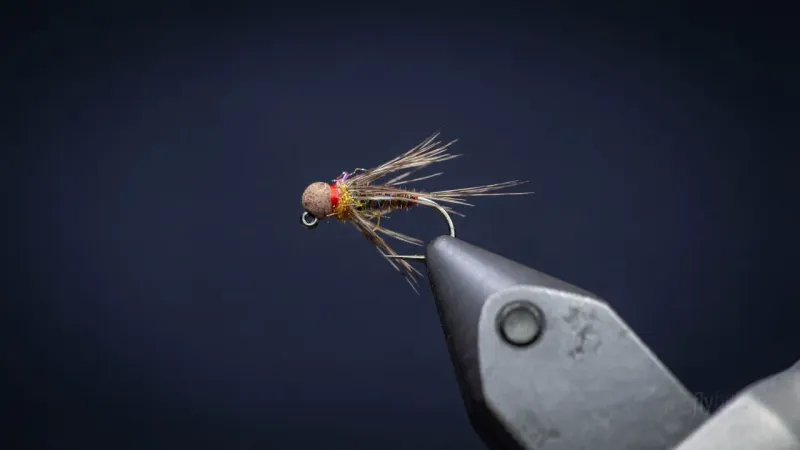
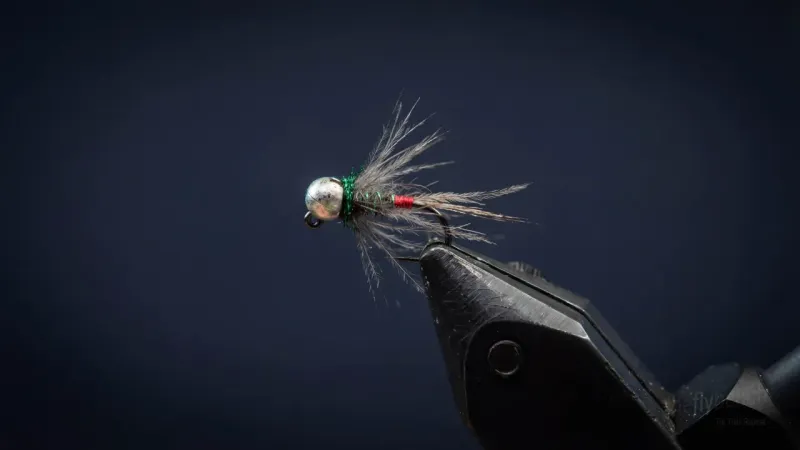
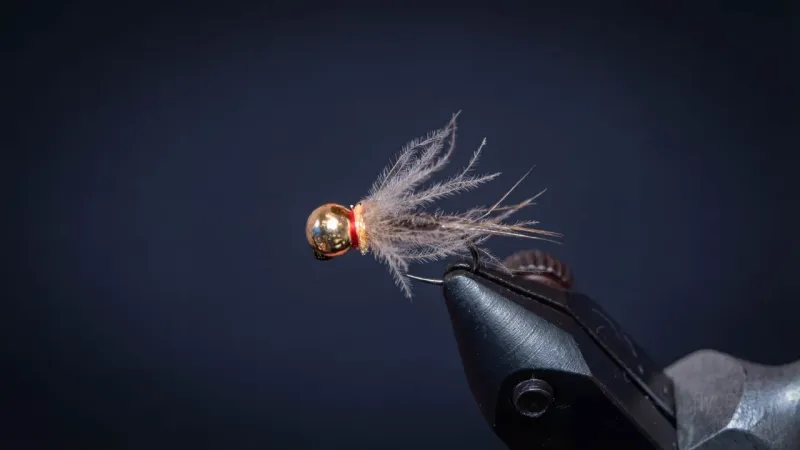
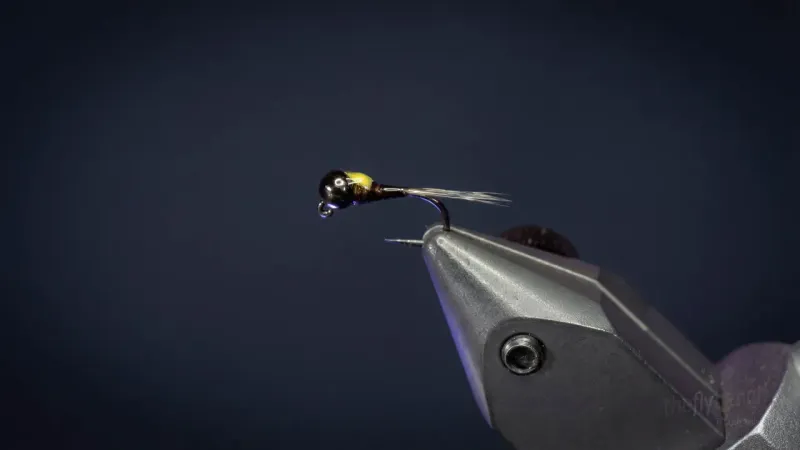
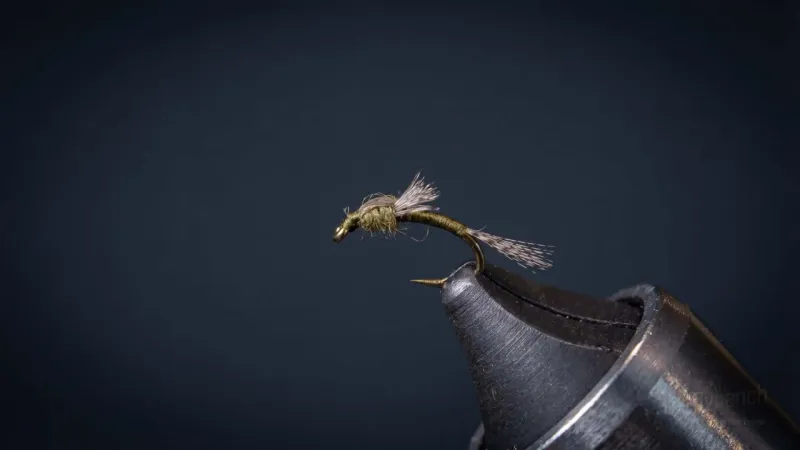
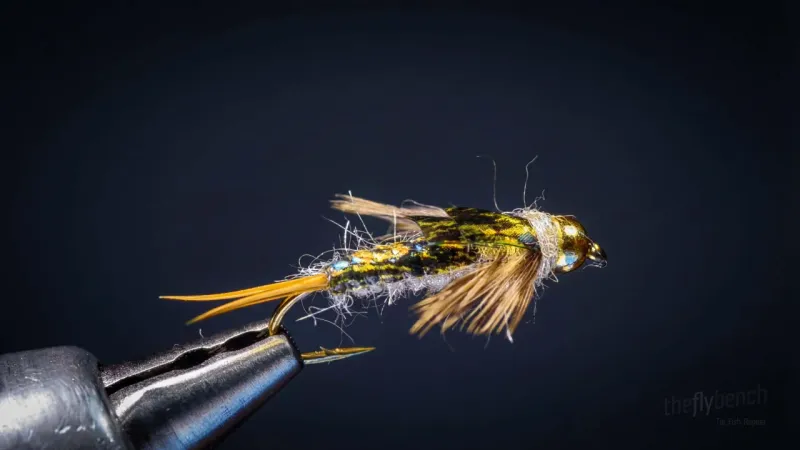
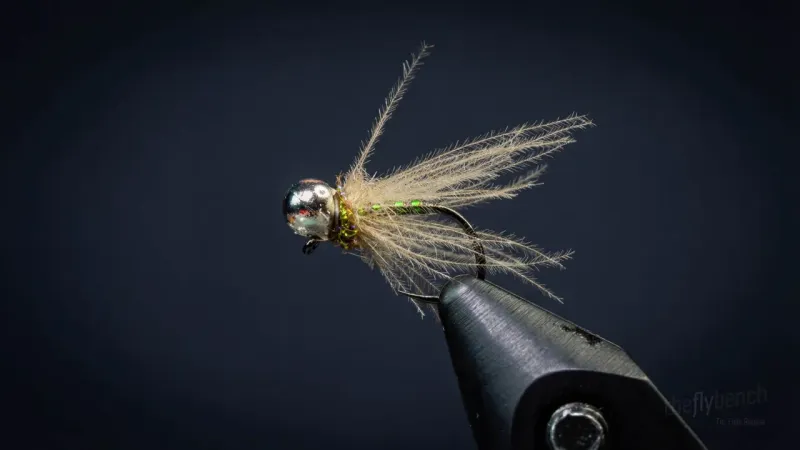
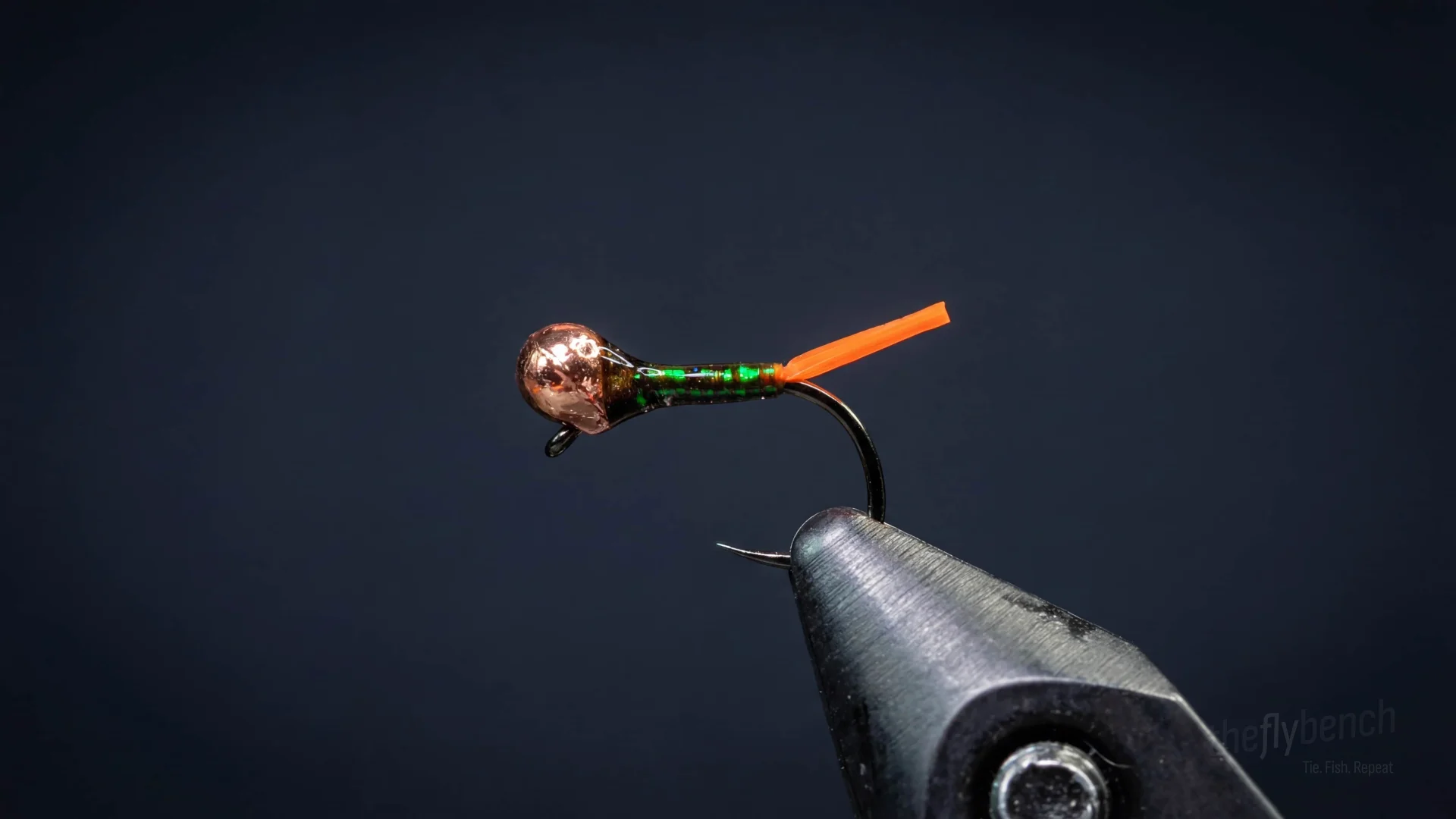
The Next Gen Perdigon features a durable Flex-Floss hot spot tail that adds versatility beyond traditional collar hotspots. Like other perdigon patterns, it sinks quickly and ties fast, but the flexible tail material comes in many colors for unlimited variations. Designed by Cade at Fly Fish Food, this pattern has proven effective from picky tailwater browns to aggressive backcountry cutthroat.
Year Round
Beginner
Trout
Dec 2025
Overview
The Next Gen Perdigon's key innovation is using Flex-Floss for the tail hotspot instead of the traditional collar position. This placement maintains durability while allowing the fly to sink fast. Popular color variations include: Peacock (olive/copper/fl. orange) for general use, Reverse PMD (brown/black nickel/fl. yellow) during PMD hatches, and Firestarter (fl. red/copper/fl. orange) as an attractor. Tie in sizes from 2.0mm to 4.0mm beads to adapt to any water.
Materials
Hook: Fulling Mill 5125 Jig Force Short Barbless, size #20 (or Umpqua XC210BL-BN Perdi-Jig)
Thread: UTC 70 Denier, olive
Bead: Tactical Tungsten Drop Bead, copper, 3.0mm (or Insta Jig Tungsten Head 2.8mm)
Body: Perdigones Pearl Body, dark brown (or UNI Mylar Double-Sided Tinsel peacock/orange)
Tail: Fulling Mill Flex-Floss, fluorescent orange (or Life-Flex Spandex Material)
Behavior & Presentation
Natural Behavior: Clinger nymphs lose their grip during current surges and behavioral drift periods, tumbling helplessly through mid-column feeding zones.
Where Trout Eat It: Fish station themselves in prime feeding lanes 2-4 feet deep, intercepting drifting nymphs in pocket water and channel swings.
How to Fish It: Tight-line euro technique with direct contact. Dead drift through feeding lanes while the tungsten bead maintains bottom contact in faster flows.
Best Water: Target pocket water with broken currents, seams where drift concentrates, and riffle edges where accelerating flow dislodges nymphs from structure.
Strike Type: Tick in sighter or subtle pause signals fish intercepting the drift. Set quickly on any deviation.
Fishing Strategy
Rigging Suggestions: Fish on 5X-6X fluorocarbon. Use as point fly in euro rigs or dropper below heavier anchor fly.
Seasonal Timing: as a searching and attractor pattern. Works particularly well during mayfly and caddis activity but can be fished anytime fish are feeding subsurface.
Pro Tips: The tungsten bead ensures rapid sink while the Flex-Floss tail provides a visible hotspot. The tinsel body adds flash without overwhelming.
Entomology
Mayfly nymphs demonstrate complex behavioral thermoregulation, seeking specific temperature microhabitats within the stream that optimize growth rates while avoiding thermal stress. Their respiratory gill movements create distinctive motion signatures that trout can detect even in turbid water or low-light conditions through mechanoreception. As primary consumers converting algae and detritus into animal protein, they represent a critical trophic link that concentrates energy in a form readily accessible to fish.
- Order
- Ephemeroptera
- Common Name
- Mayfly
- Organism Type
- insect
- Life Stage
- nymph