Euro NymphsEuro Iron Lotus
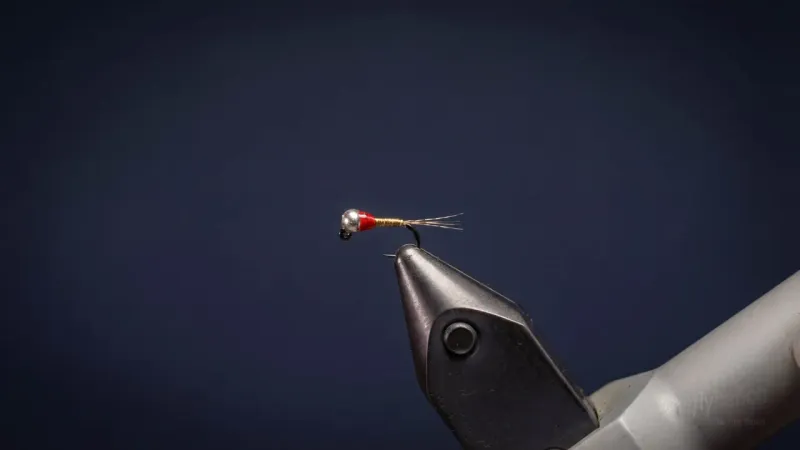
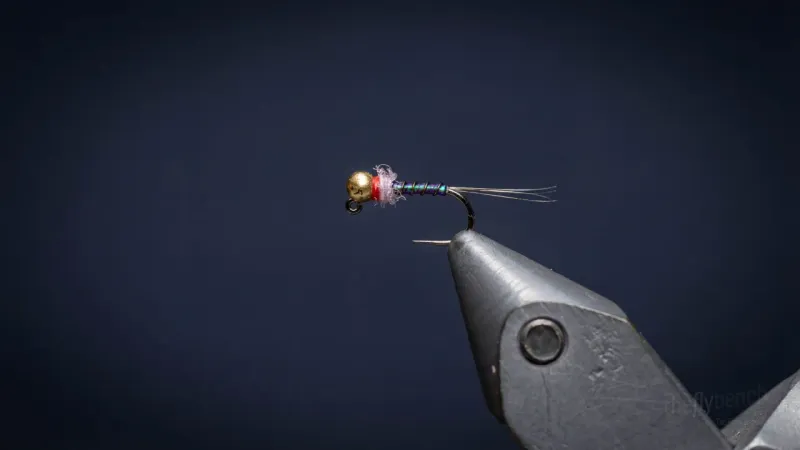
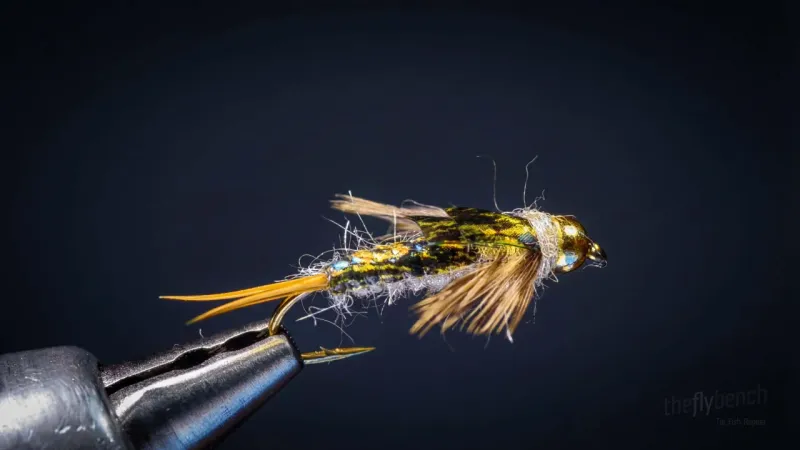
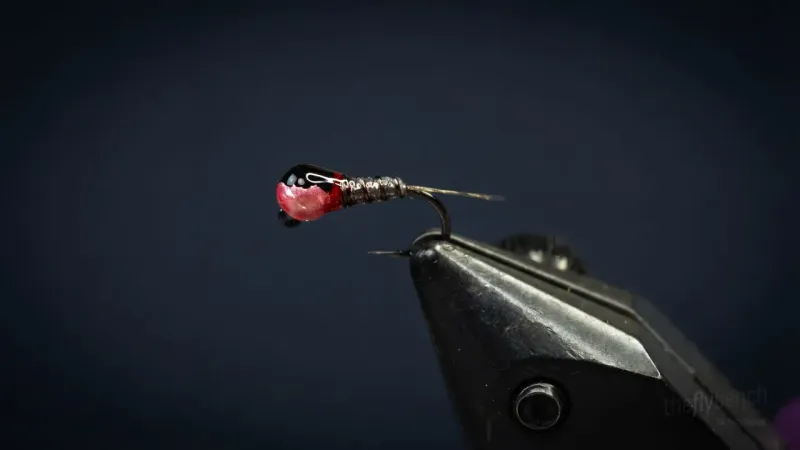
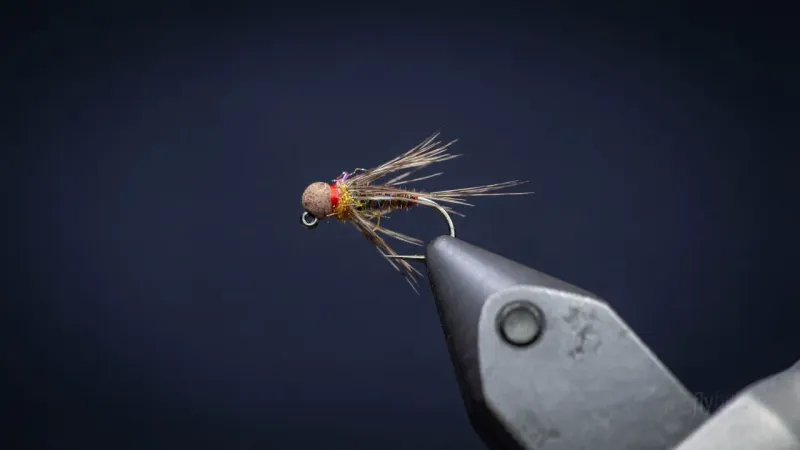
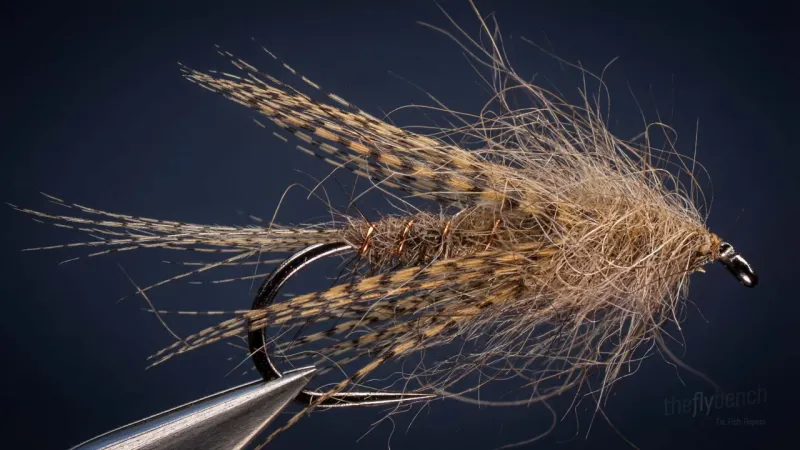
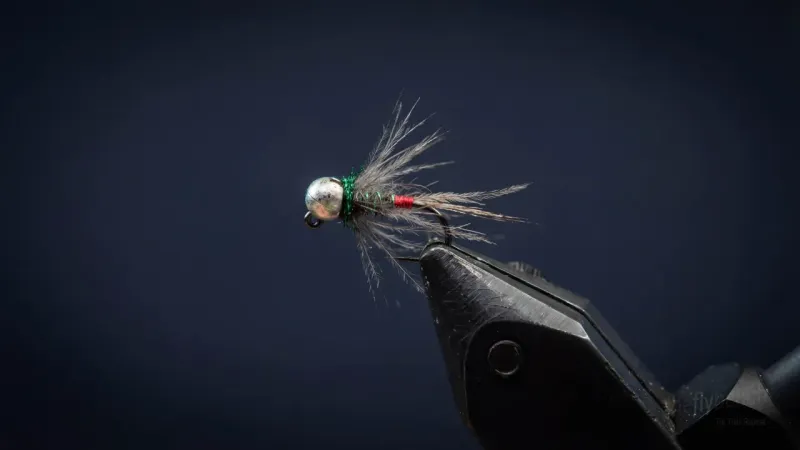
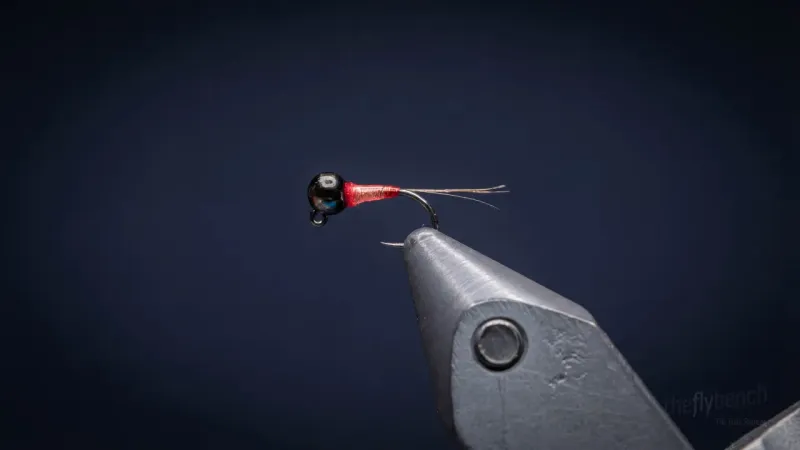
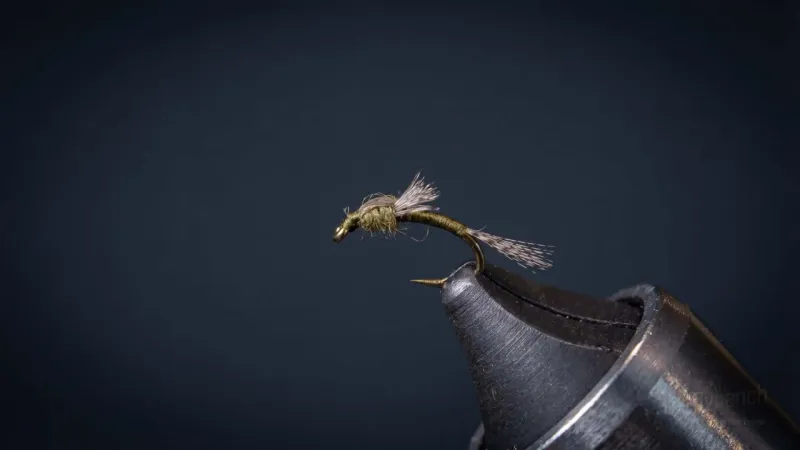
The Euro Iron Lotus is a heavily weighted nymph pattern that sinks quickly to the bottom, where trout often feed. Its slim profile allows it to cut through the water efficiently, and its bright hotspot attracts fish even in murky water.
Year Round
Intermediate
Trout
Apr 2025
Overview
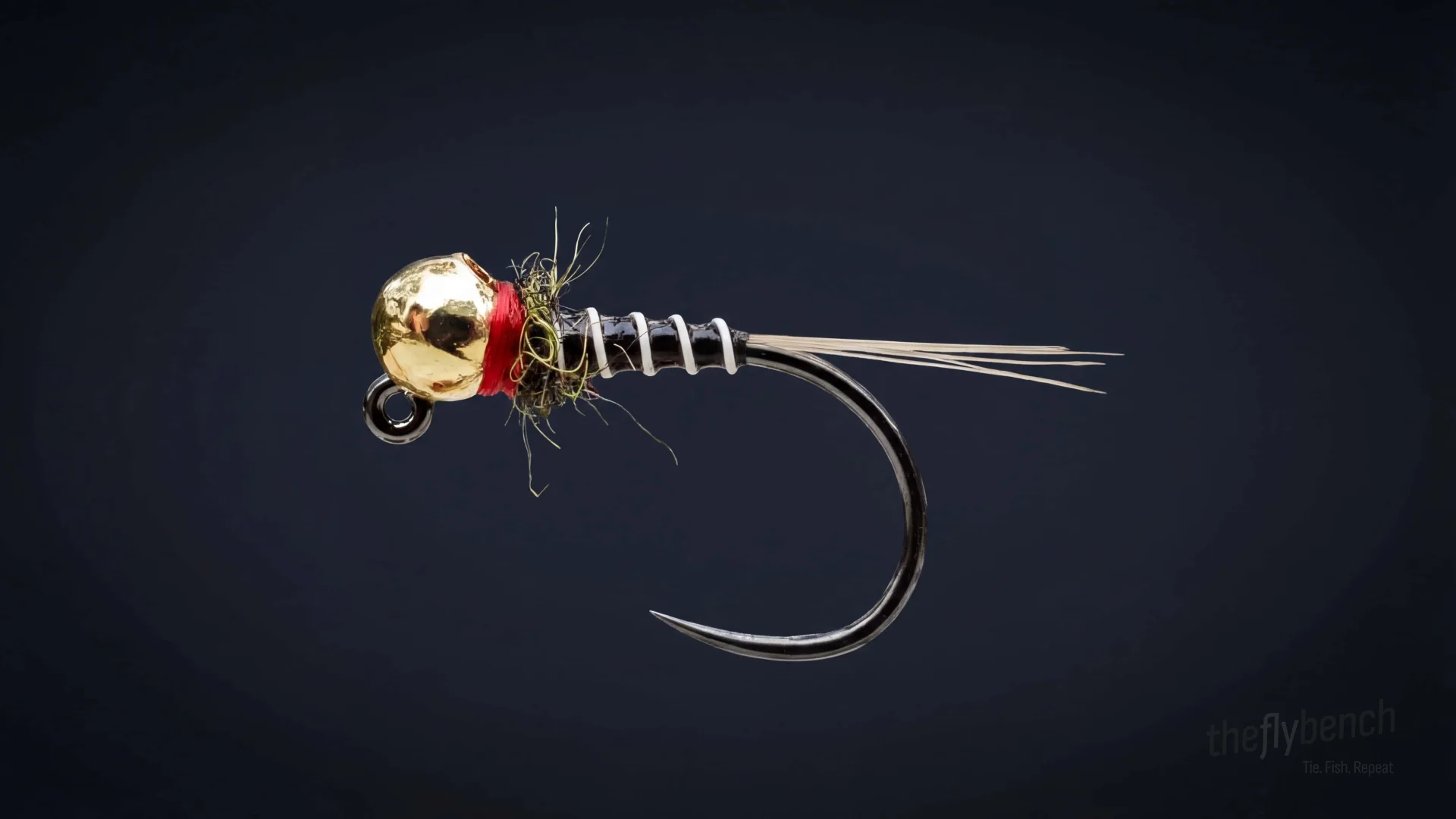
The Euro Iron Lotus is a streamlined, tactical nymph designed for euro-style nymphing techniques. With its slim profile, heavy bead, and subtle flash, this pattern excels at getting down quickly and enticing strikes in technical waters.
Where to Buy This Fly
We only link to fly shops we trust. Some links are referral links, which may earn us a commission at no extra cost to you.
Materials
- Hook:
- Hanák H 400BL, size #12–#16
- Thread:
- Black Veevus 14/0
- Bead:
- Gold tungsten bead, 3.3mm
- Tail:
- Coq de Leon fibers
- Body:
- Pheasant tail fibers
- Ribbing:
- Fine copper wire
- Thorax:
- Peacock herl
- Hot Spot:
- Orange or pink thread
Behavior & Presentation
Natural Behavior: Burrowing mayfly nymphs excavate tunnels in soft silt, emerging periodically to graze before retreating to protective burrows. Floods or current shifts collapse burrows, sending nymphs drifting in concentrated pulses.
Where Trout Eat It: Tumbling near bottom in runs and pocket water after displacement from silty substrates.
How to Fish It: Tight-line nymphing with weighted fly maintaining bottom contact through feeding lanes.
Best Water: Focus on runs, pocket water, and current breaks where displaced burrowers drift in pulses.
Strike Type: Feel sighter sag or subtle ticks as fish respond to brief availability windows.
Fishing Strategy
Rigging Suggestions: Fish this fly as the point fly in a Euro nymphing setup. The heavy bead will help get the fly down quickly.
Seasonal Timing: year-round The Euro Iron Lotus can be effective year-round, but it is especially effective during mayfly hatches.
Pro Tips: This fly is designed to sink quickly and stay near the bottom. The bright hotspot makes it visible to fish even in murky water.
Entomology
Burrowing mayfly nymphs excavate tunnels in soft silt and fine gravel substrates, emerging periodically to graze before retreating to protective burrows during danger. When floods or current shifts collapse burrows, these nymphs drift in concentrated pulses. Their normally hidden lifestyle makes them vulnerable during these displacement events, triggering aggressive feeding from fish who recognize the brief availability window. The robust, meaty profile of burrowing mayfly nymphs makes them high-value targets during spring spates and seasonal drift peaks.
- Order
- Ephemeroptera
- Common Name
- Mayfly
- Organism Type
- insect
- Life Stage
- nymph