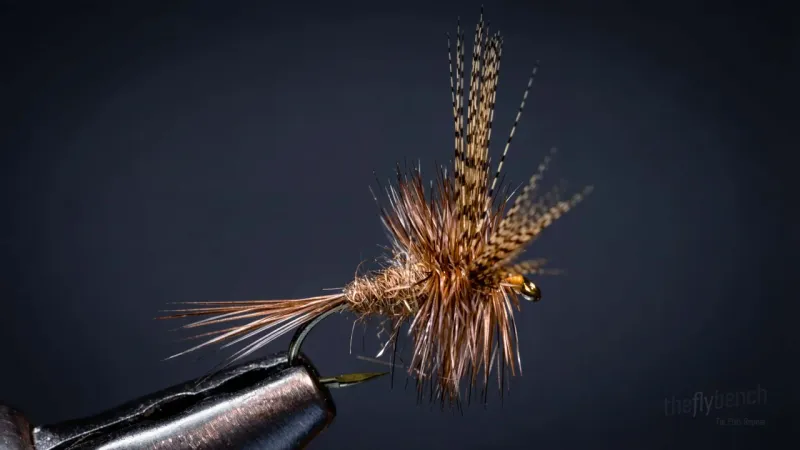
Dry FliesSulphur Usual
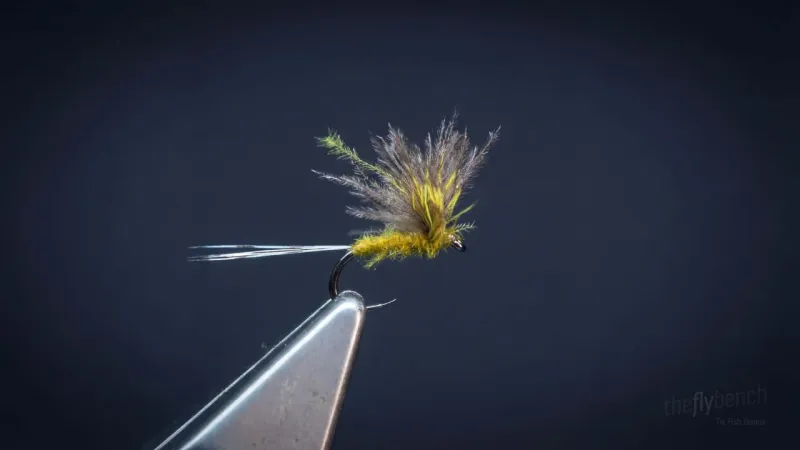
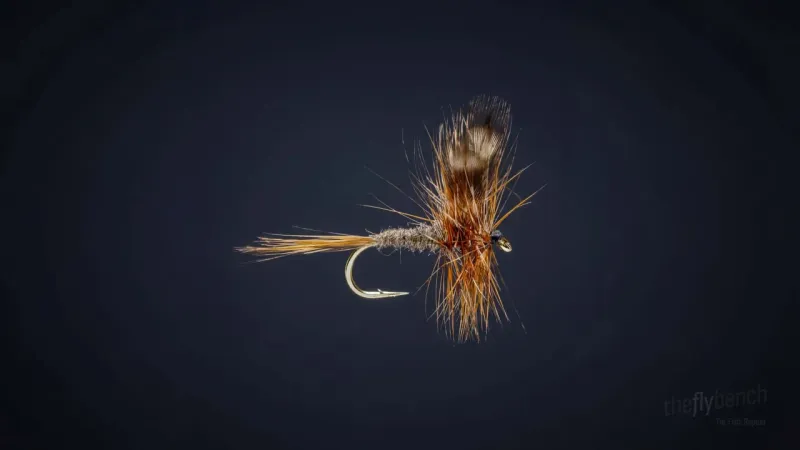
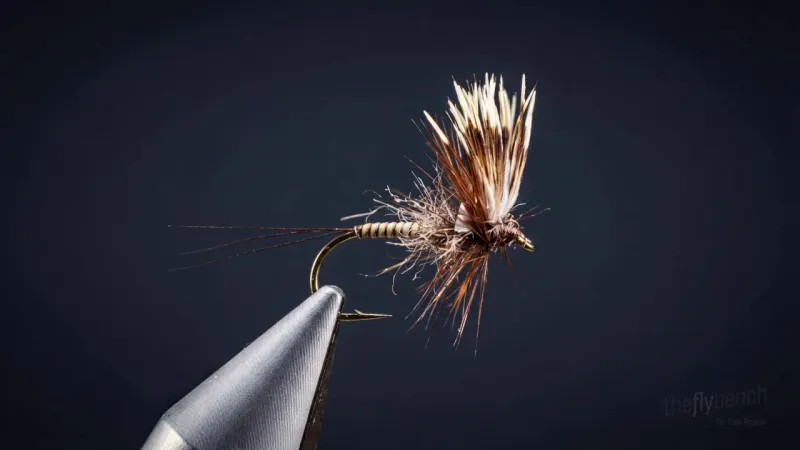
A simple but highly effective dry fly pattern that imitates the adult stage of Sulphur mayflies. It's easy to tie and very durable, making it a favorite among many fly anglers.
Spring, Summer
Beginner
Trout
Apr 2025
Overview
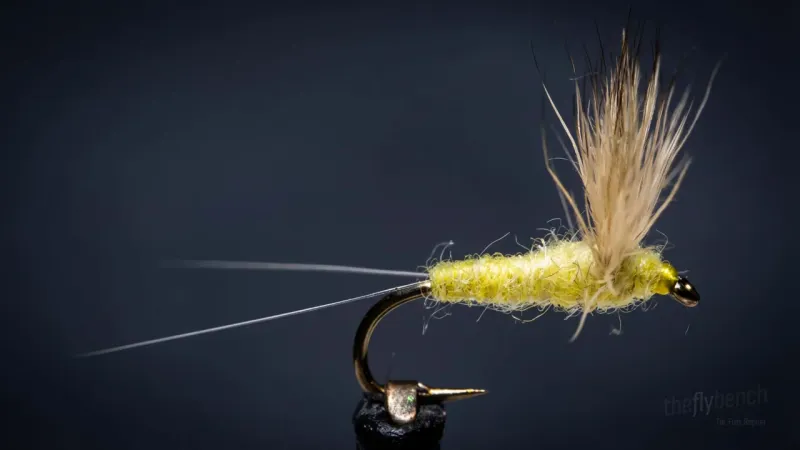
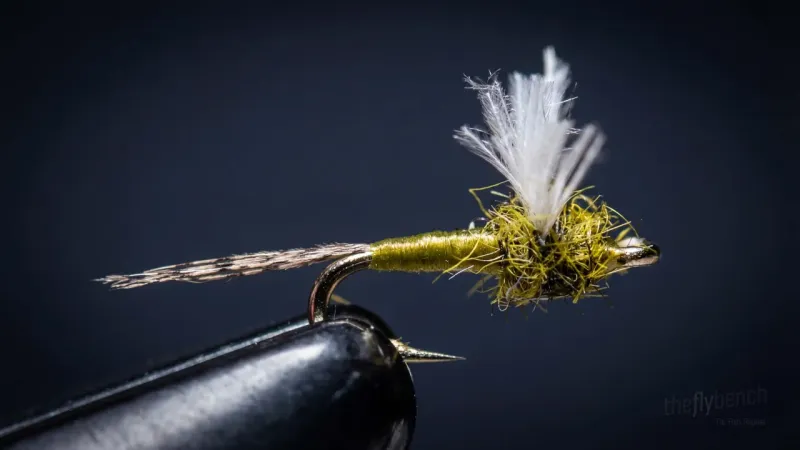
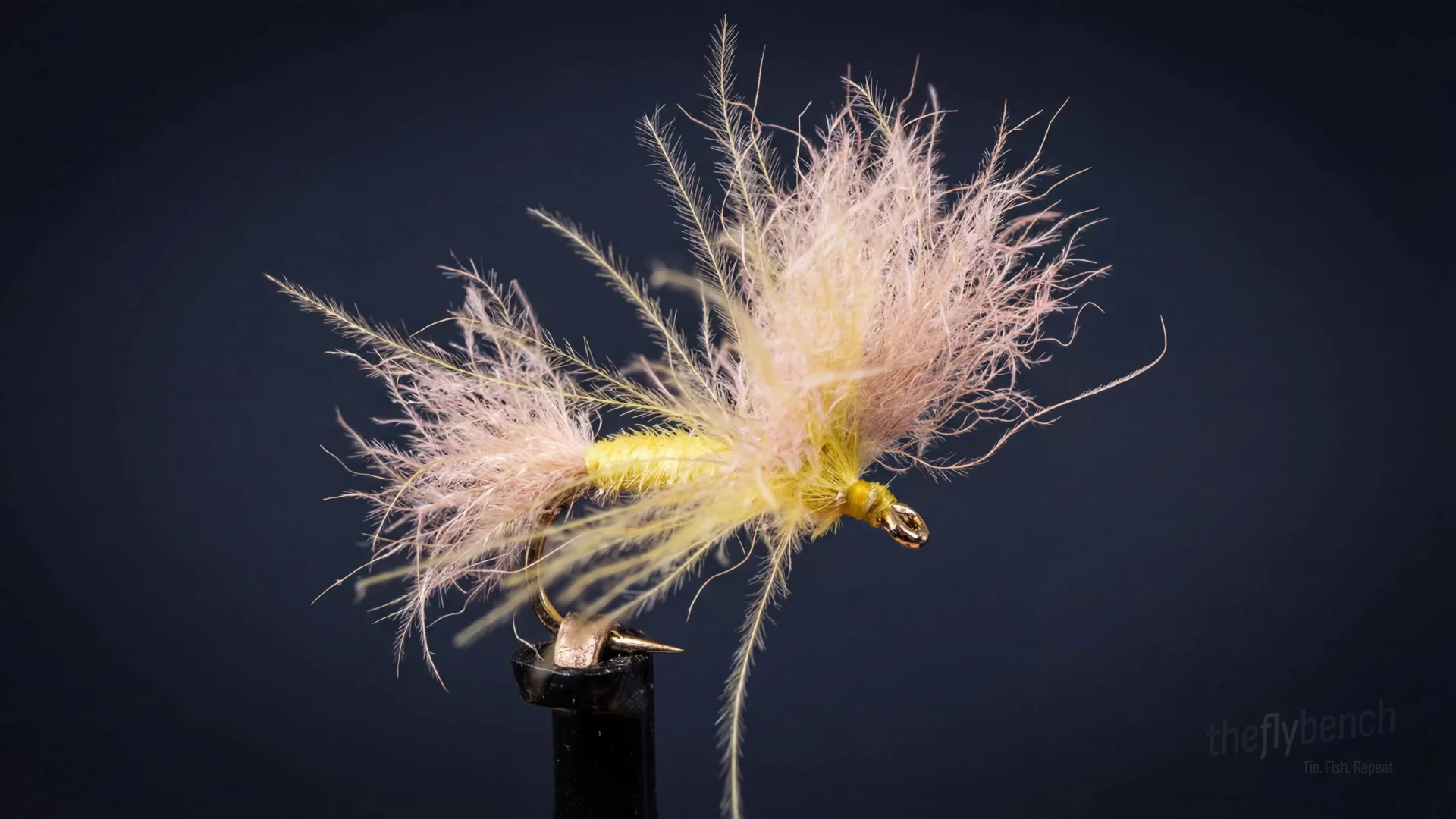
A variation of Fran Betters' “Usual,” this dry fly substitutes standard hackle with snowshoe rabbit foot fur, giving it unique floatation and footprint. It's tied with pale dubbing and natural snowshoe wing material, mimicking light-colored mayflies like the sulphur.
Where to Buy This Fly
We only link to fly shops we trust. Some links are referral links, which may earn us a commission at no extra cost to you.
Materials
- Hook:
- Standard dry-fly hook (e.g. Dai-Riki 305), size 16
- Thread:
- 6/0, pale yellow
- Wing:
- Snowshoe-rabbit's foot
- Tails:
- 4 or 5 Wood-duck fibers
- Body/Thorax:
- Rabbit-fur dubbing, pale yellow..
Behavior & Presentation
Natural Behavior: Sulphur mayfly duns emerge during late afternoon and evening, riding the surface film as their wings expand and dry. These creamy-yellow mayflies float with upright wings for extended periods in calm water during overcast conditions.
Where Trout Eat It: Fish rise steadily in smooth runs, pool glides, and eddy lines during evening emergences.
How to Fish It: Cast upstream with drag-free drift, focusing on rising fish during evening hatches. Use reach casts to extend drift time.
Best Water: Target tail-outs, seams along weed edges, and foam lines in slow glides. Riffle edges where calm water meets current hold sipping fish.
Strike Type: Trout sip the snowshoe rabbit wing with distinctive head-and-tail rises during evening hatches; respond to the visible take by raising the rod tip gently rather than striking hard.
Fishing Strategy
Rigging Suggestions: Use 9-10 foot leaders tapered to 5X or 6X tippet. Lighter 6X-7X may be necessary in slow, clear water with selective trout.
Seasonal Timing: Most effective from late April through June during peak sulphur emergence. Late May provides the most reliable hatches on many eastern freestone streams.
Pro Tips: Apply floatant to wing and body but leave hackle untreated for more realistic silhouette. The simple construction allows quick tie replacement during heavy hatch activity.
Entomology
Sulphur mayfly duns emerge during evening hours, floating on the surface with their distinctive yellowish-orange bodies upright as they wait for wings to stiffen before flight. Fish rise steadily to Sulphurs because these medium-sized mayflies provide substantial meals during predictable late-spring hatches, and their prolonged floating time creates extended feeding opportunities in smooth water.
- Order
- Ephemeroptera
- Family
- Ephemerellidae
- Common Name
- Sulphur
- Organism Type
- insect
- Life Stage
- adult