Dry FliesDorato Hare's Ear
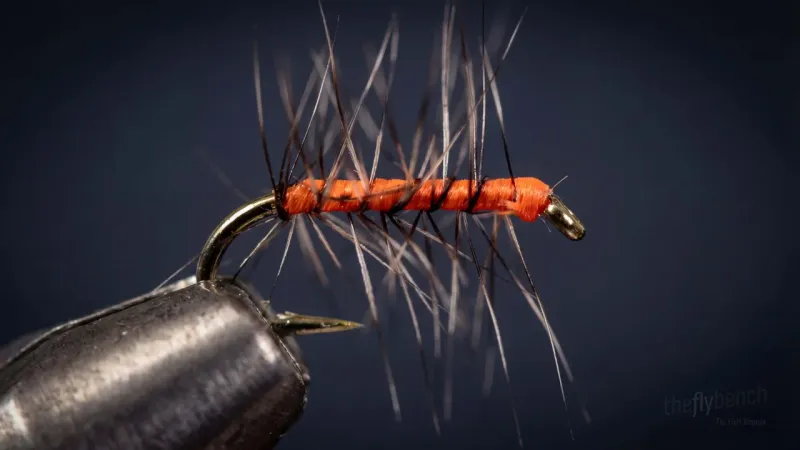
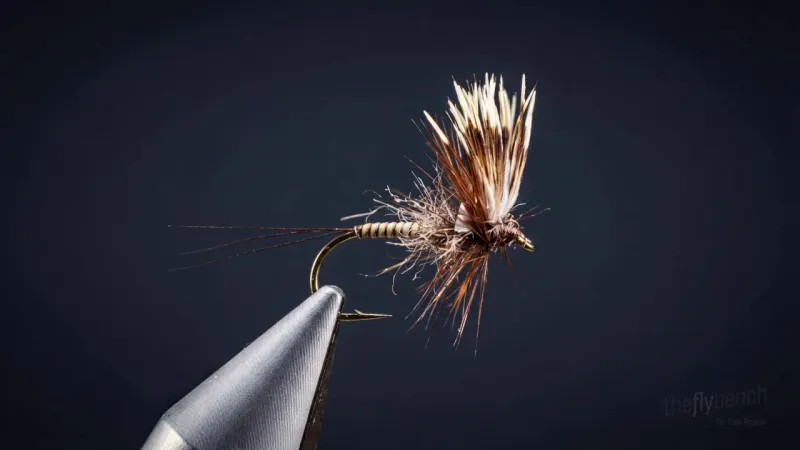
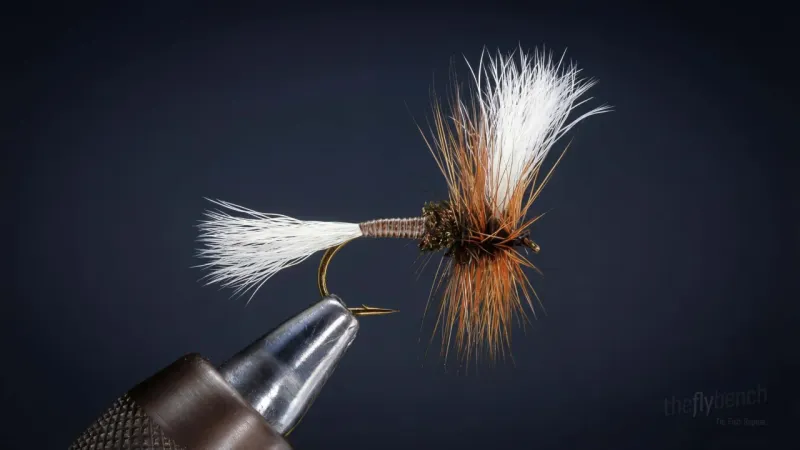
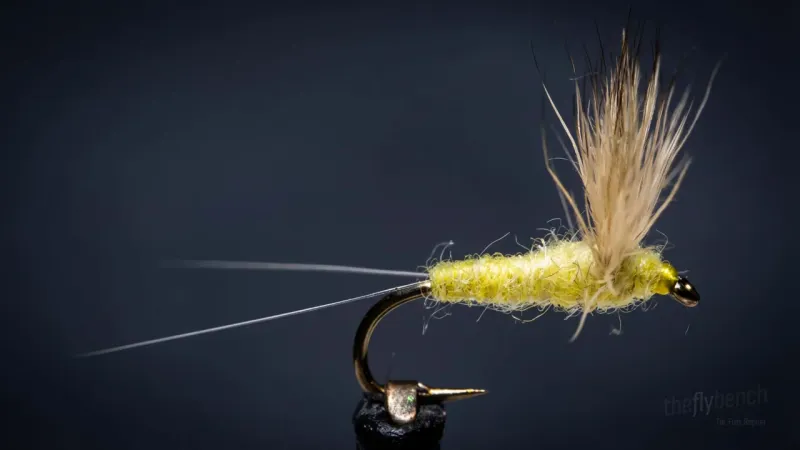
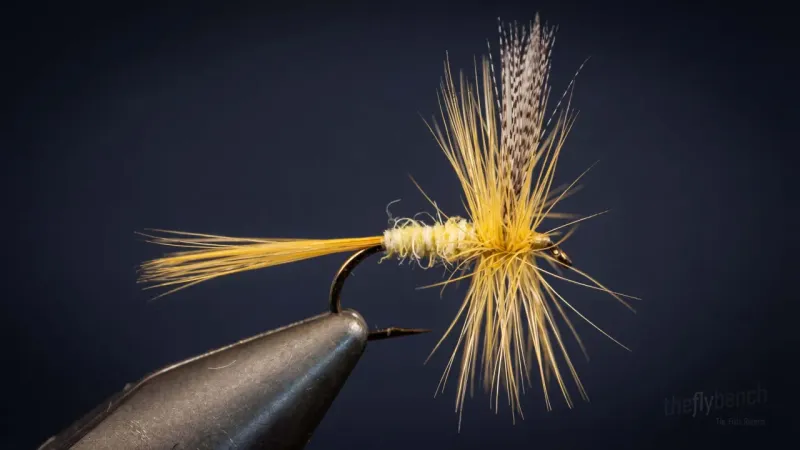
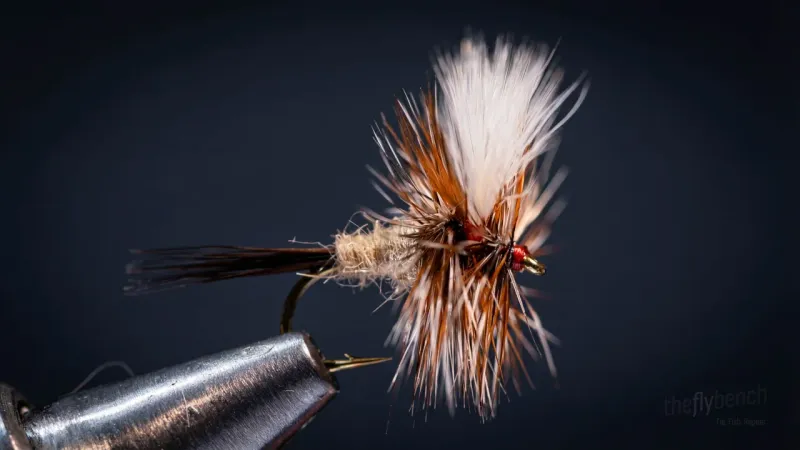
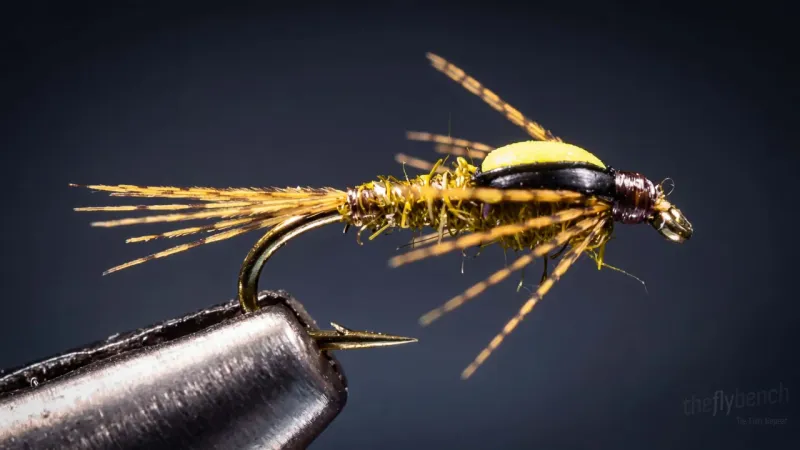
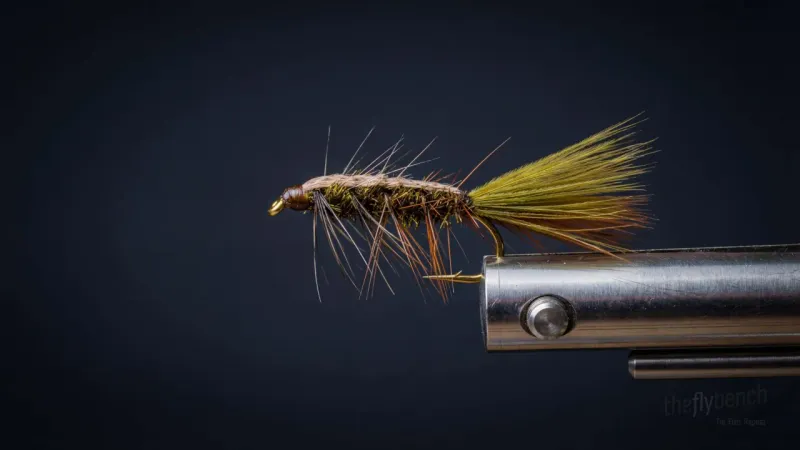
Dorato Hare's Ear is an effective dry fly that floats extremely well due to its hare's ear body and tail. Its golden hues make it stand out, especially in overcast weather, attracting fish effectively.
Spring, Summer
Intermediate
Trout
Apr 2025
Overview
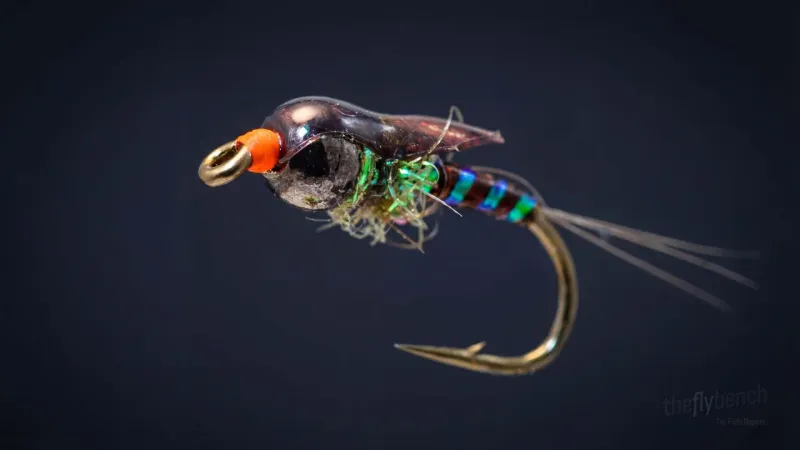
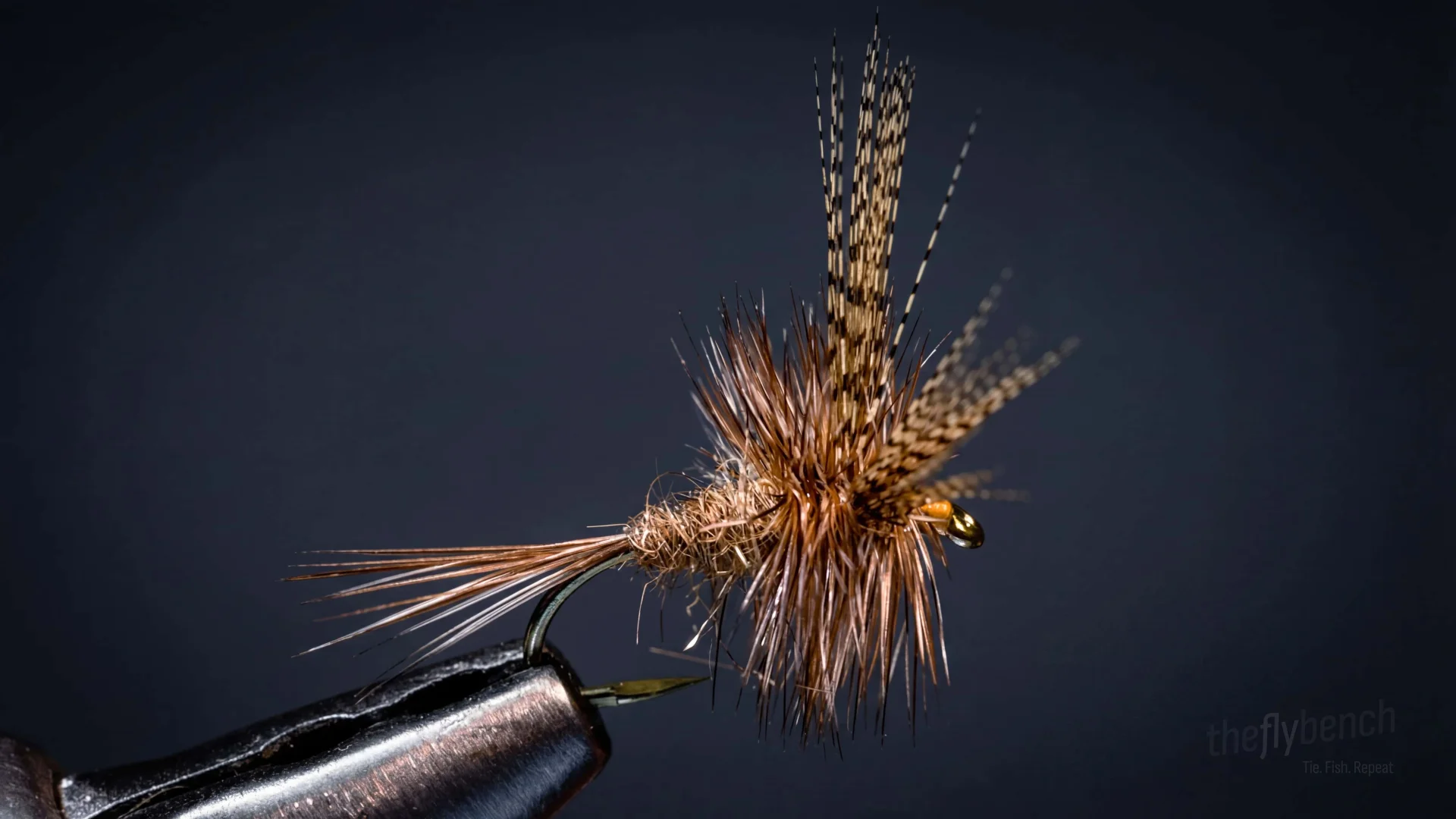
A flashy twist on the traditional Hare's Ear, this version includes added copper or gold wire ribbing, possibly flashback, and a bead head for weight. The buggy body of natural hare's mask remains central, but subtle sparkle makes it more versatile across water conditions.
Where to Buy This Fly
We only link to fly shops we trust. Some links are referral links, which may earn us a commission at no extra cost to you.
Materials
- Hook:
- #12-16 Tiemco 100SP-BL
- Thread:
- Woodduck Gold Veevus 14/0
- Tail:
- Brown and Grizzly Spade Hackle Feather
- Body:
- Nature's Spirit Hare's Mask Dubbing
- Wing:
- Wooduck or Mallard Flank Dyed Woodduck
- Hackle:
- Brown and Grizzly Rooster Cape Hackle Feather
Behavior & Presentation
Natural Behavior: Mayfly duns float in the surface film with wings upright, their bodies trapped by surface tension as they drift helplessly downstream. The hare's ear dubbing mimics the segmented body and emerging wing case.
Where Trout Eat It: Fish rise selectively in glides, tail-outs, and slicks where drifting mayflies concentrate during emergence.
How to Fish It: Drag-free drift in the surface film, the dubbed body riding naturally. Target visible risers during mayfly activity.
Best Water: Work glides with smooth surface, tail-outs collecting drifting duns, and slicks during active hatches.
Strike Type: Confident rises with visible sips as fish capitalize on drifting mayfly duns.
Fishing Strategy
Rigging Suggestions: Use a 9-foot leader tapered to 5X or 6X tippet to maximize natural drift. Add a small split shot 12 inches above the fly to break surface tension if needed.
Seasonal Timing: Most productive during mayfly hatches from May through August, particularly effective during Pale Morning Dun and Blue-Winged Olive emergences.
Pro Tips: The golden hues of the hare's ear dubbing match many mayfly species. Apply floatant liberally to the hackle and tail, but leave the body undressed for a lower profile in the water.
Entomology
Mayfly spinners return to the water surface to deposit eggs, lying spent with outstretched wings flush against the surface film after their reproductive efforts are exhausted. These spent insects drift lifelessly in currents, accumulating in back eddies and foam lines where fish feed with leisurely confidence. The evening spinner falls create extended feeding periods as dying adults concentrate in predictable locations, triggering deliberate rises from fish that recognize this easy meal opportunity.
- Order
- Ephemeroptera
- Common Name
- Mayfly
- Organism Type
- insect
- Life Stage
- adult