Dry FliesTuft and Tail
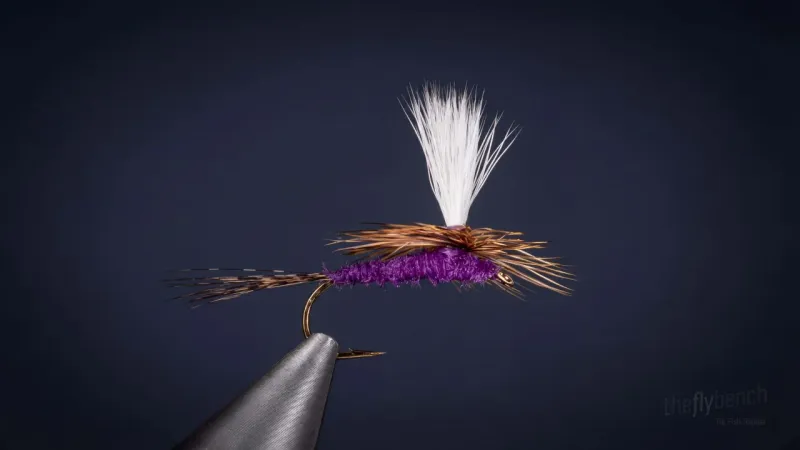
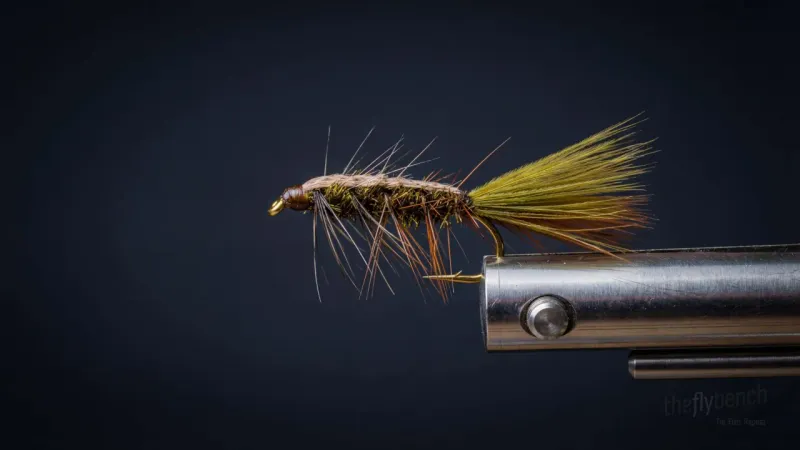
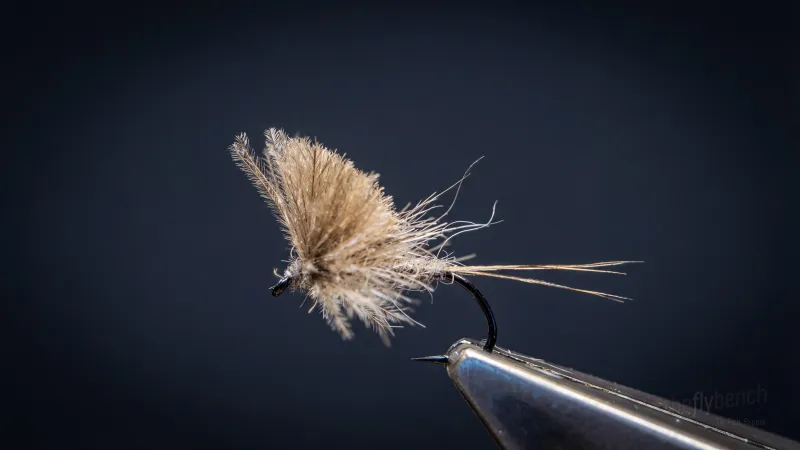
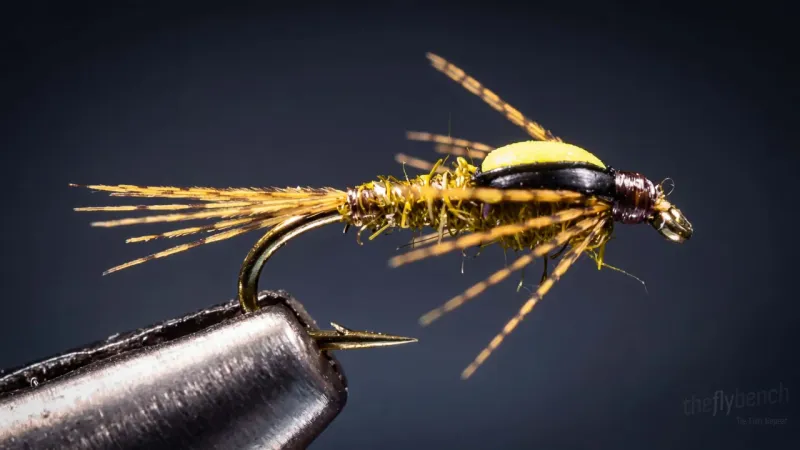
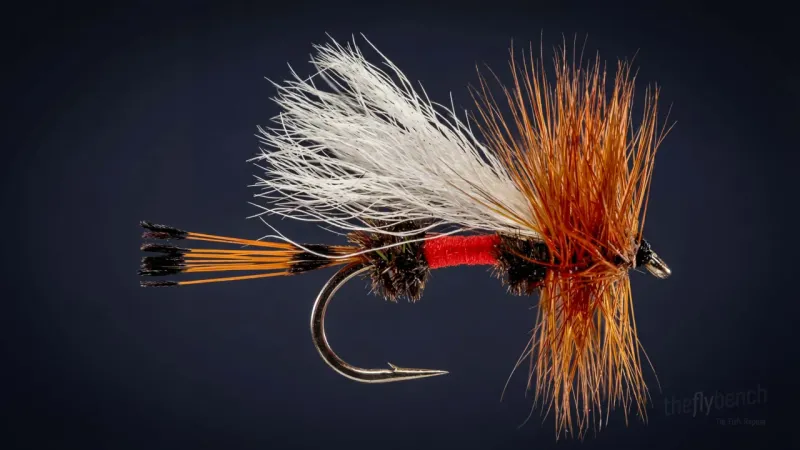
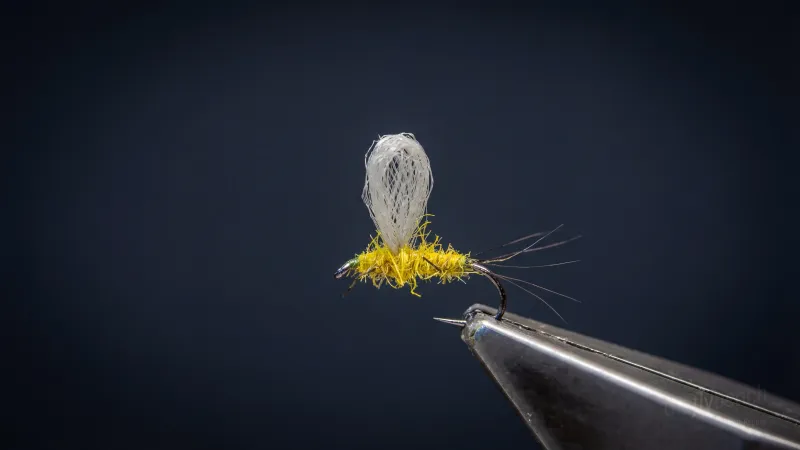
The Tuft and Tail is a classic and simple pattern that's highly effective for fishing in both still and moving waters. The contrasting tail and tuft make this fly easily visible.
Spring, Summer
Beginner
Trout
Apr 2025
Overview
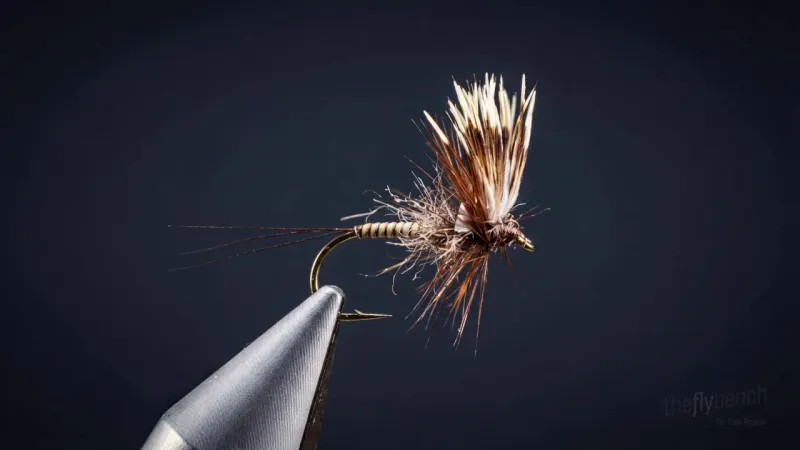
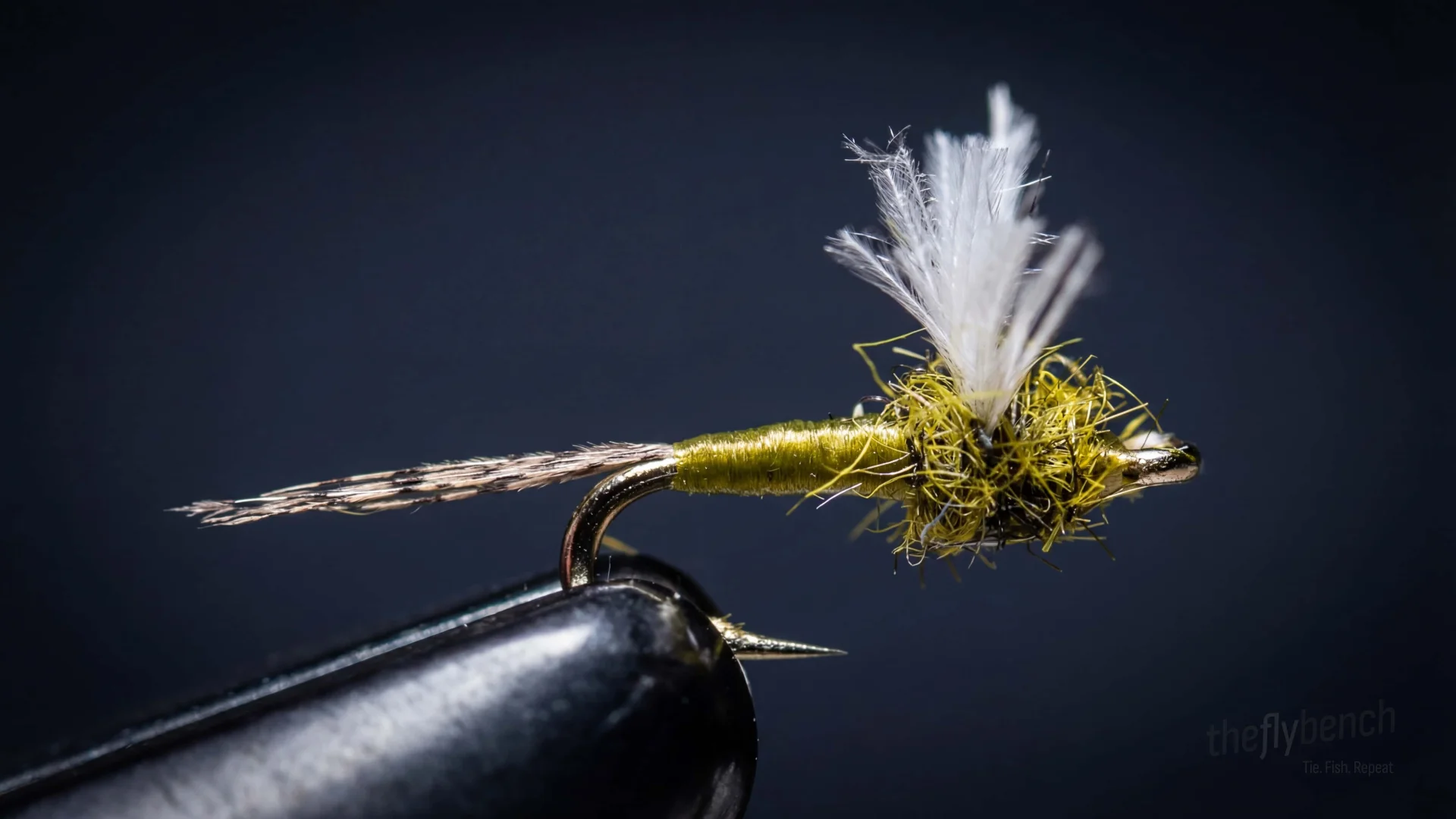
A sparse dry fly pattern typically tied with a slim dubbed or quill body, a trailing shuck or split tail, and a single CDC or hair tuft for the wing. It's designed for ultra-low-profile presentation during hatches of small mayflies. The “tuft” adds just enough visibility without compromising realism.
Where to Buy This Fly
We only link to fly shops we trust. Some links are referral links, which may earn us a commission at no extra cost to you.
Materials
- Hook:
- Dry/emerger hook (here a Dai-Riki 310), size 22
- Thread:
- 70 Denier or 8/0, light olive
- Tail:
- Wood duck flank-feather fibers
- Wing:
- Fluff from the base of a wood duck feather
- Thorax:
- Rabbit-fur dubbing, dark olive
Behavior & Presentation
Natural Behavior: Freshly emerged duns balance precariously on the surface while pumping fluid into new wings, unable to fly until this process completes. This extended vulnerability period creates leisurely feeding opportunities for fish targeting upright wing profiles.
Where Trout Eat It: Fish rise in moderate runs, glides, and lake shoals at depths of 2-5 feet where mayfly emergences concentrate during morning and evening hatches.
How to Fish It: Dead drift with drag-free presentations, allowing the high-visibility design to track through broken water while imitating resting adults.
Best Water: Focus on seams, tail-outs, and riffle edges in spring creeks and freestone waters where surface insects accumulate in feeding lanes.
Strike Type: Watch for visible rises, expanding surface rings, or audible sips as trout confidently take drifting adults.
Fishing Strategy
Rigging Suggestions: Use 5X-6X tippet (4-5 lb test) on 10-14 foot leaders for single dry fly presentations. Can support small nymphs 18-24 inches behind in dry-dropper setups. Longer leaders (12-14 feet) help achieve delicate presentations.
Seasonal Timing: Most effective May through September during primary mayfly emergence periods. Peak activity occurs June through July when multiple mayfly species overlap. Water temperatures between 54-66°F trigger the most consistent hatches and surface feeding.
Pro Tips: The contrasting tuft (typically white or orange) and darker tail create an easy-to-track visual reference. The poly yarn wing provides excellent flotation without excessive bulk. Apply floatant to wing only for extended drift times.
Entomology
Freshly emerged mayfly duns balance precariously on the surface as they pump fluid into new wings, unable to fly until this process completes. Fish capitalize on this extended vulnerability period, targeting the upright wing profile and struggling posture that signals an insect trapped momentarily in accessible water layers.
- Order
- Ephemeroptera
- Common Name
- Mayfly
- Organism Type
- insect
- Life Stage
- adult