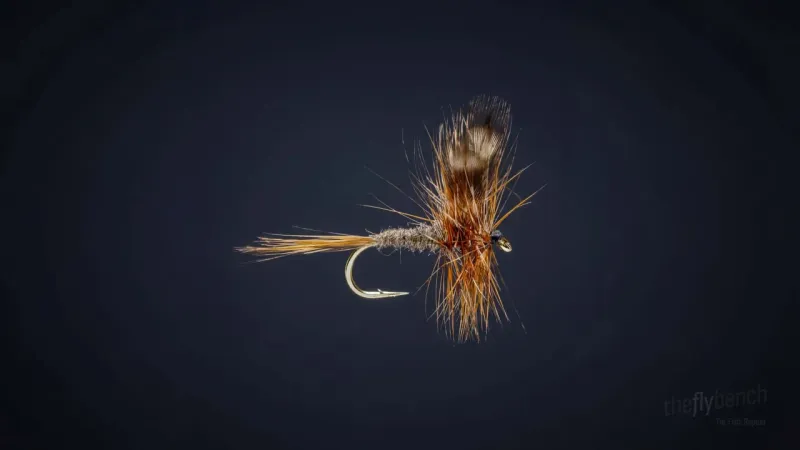
Dry FliesCDC Comparadun
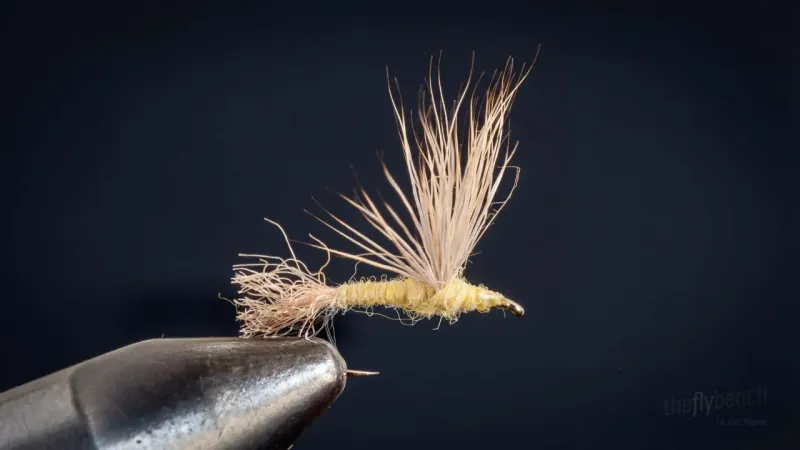
The CDC Comparadun is a versatile dry fly that is highly effective during a mayfly hatch. It's tied with CDC feathers to provide a realistic, delicate silhouette on the water, making it irresistible to trout.
Spring, Summer
Intermediate
Trout
Apr 2025
Overview
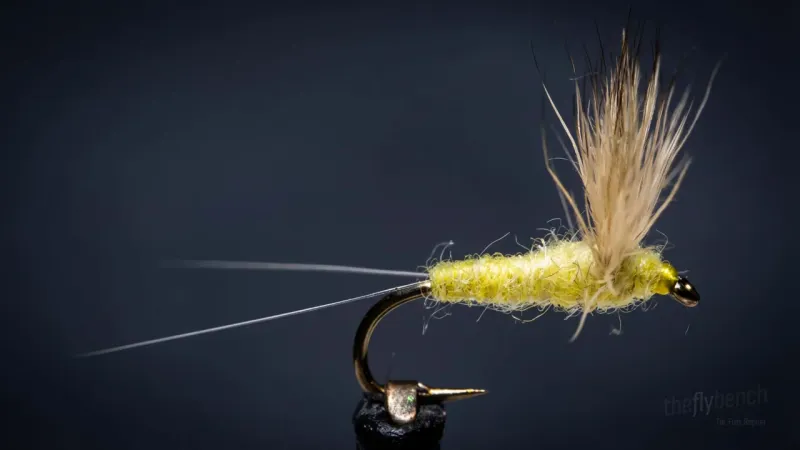
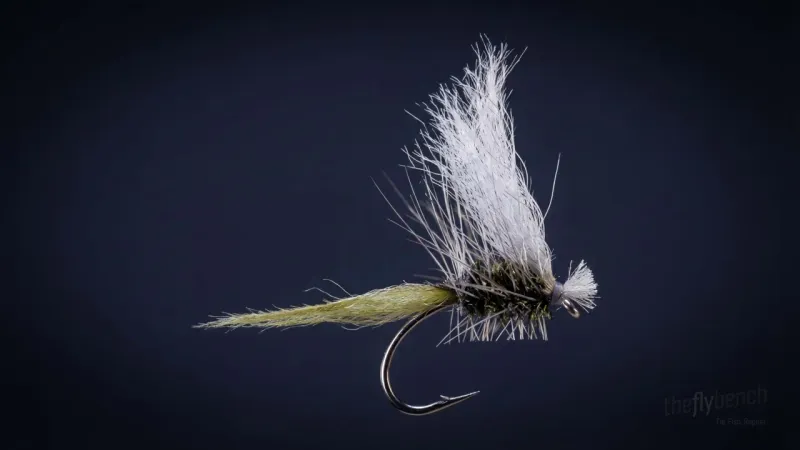
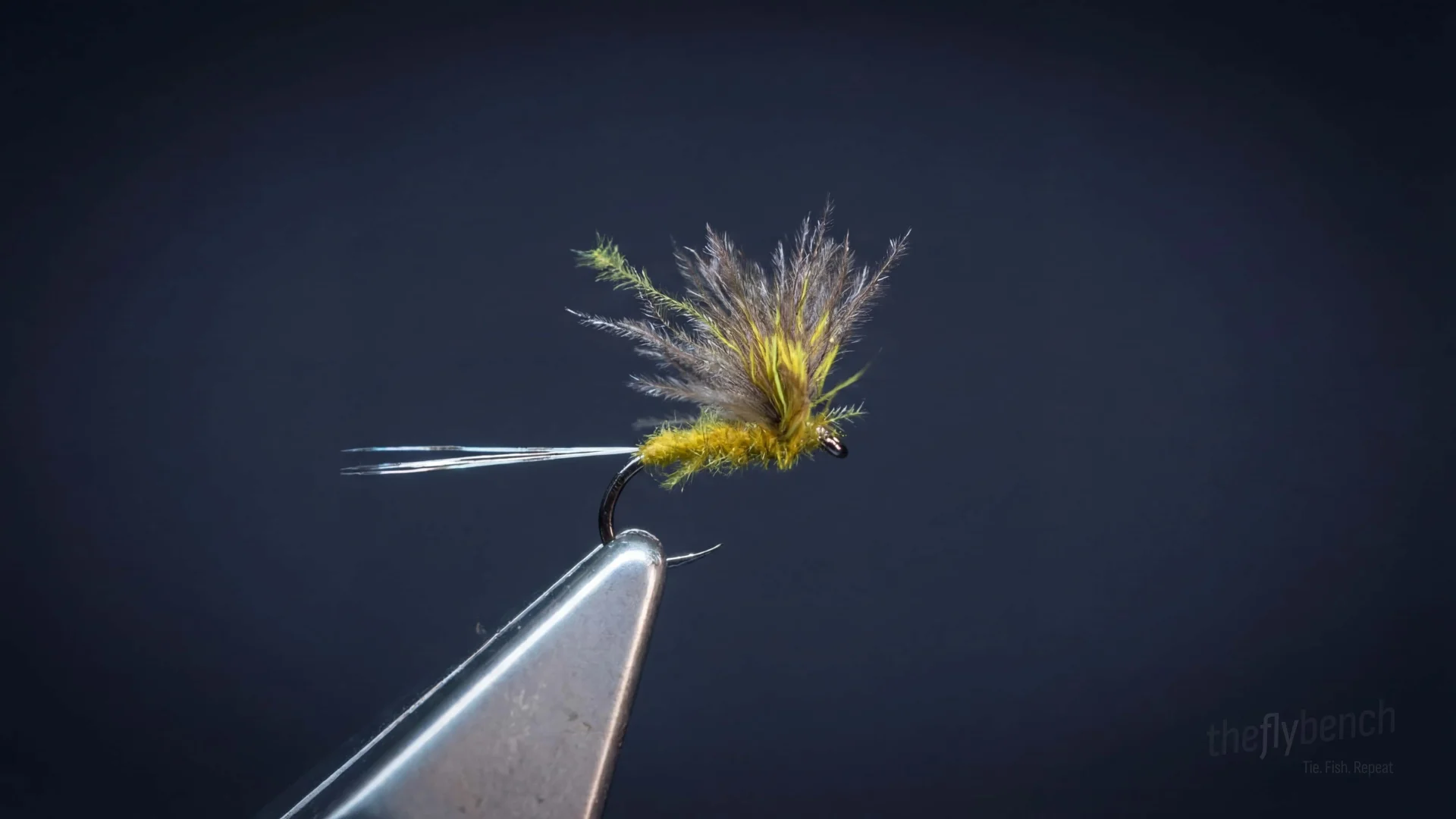
A low-profile dry fly using CDC fibers instead of deer hair for the comparadun-style wing. Combined with a slender dubbed body and split tail (usually microfibets), it sits flush in the film and imitates mayfly duns with delicate realism. Perfect for slow, clear water where soft presentation is critical.
Where to Buy This Fly
We only link to fly shops we trust. Some links are referral links, which may earn us a commission at no extra cost to you.
Materials
- Hook:
- Tiemco 100, size #12–#16
- Thread:
- Olive Dun 8/0 Uni-Thread
- Body:
- Superfine dubbing in olive
- Wing:
- Natural dun CDC feathers
- Tail:
- Coq de Leon fibers
Behavior & Presentation
Natural Behavior: The freshly emerged dun floats with wings upright, trapped in the surface film as its exoskeleton hardens. Unable to fly immediately, it drifts helplessly in feeding lanes, a perfect target for selective risers.
Where Trout Eat It: Fish rise rhythmically in slicks, glides, and tail-outs where surface currents concentrate emerging mayflies in predictable lanes.
How to Fish It: Drag-free drifts are critical—the CDC wing sits flush in the film, mimicking the natural's vulnerable float. Upstream presentations reduce drag.
Best Water: Focus on glides with smooth surface, riffles where mayflies struggle to emerge, and flats in lakes during hatch windows.
Strike Type: Visible rises with subtle sips or confident splashy takes, depending on fish size and hatch density.
Fishing Strategy
Rigging Suggestions: Use 6X tippet on a 10-12 foot tapered leader for drag-free presentations. The no-hackle design requires careful leader management to avoid drag on selective fish.
Seasonal Timing: Most productive during (April-June) and (July-August) when mayfly hatches are concentrated. Water temperatures of 52-68°F trigger consistent emergences of Baetis, PMD, and Callibaetis species.
Pro Tips: The CDC wing provides natural buoyancy and a realistic mayfly silhouette. Apply floatant to the wing before fishing. Size and color match your local mayfly species—typically size 14-20 in olive, tan, or gray.
Entomology
Adult mayflies rest on the water surface with wings upright after emergence, floating downstream in slower currents while their exoskeleton hardens before taking flight. Trout feed confidently on these freshly emerged duns because they're trapped in the surface film and unable to escape quickly, presenting consistent drag-free drift patterns. The concentration of hatching mayflies during emergence windows creates predictable feeding lanes where fish rise rhythmically to sip adults.
- Order
- Ephemeroptera
- Common Name
- Mayfly
- Organism Type
- insect
- Life Stage
- adult