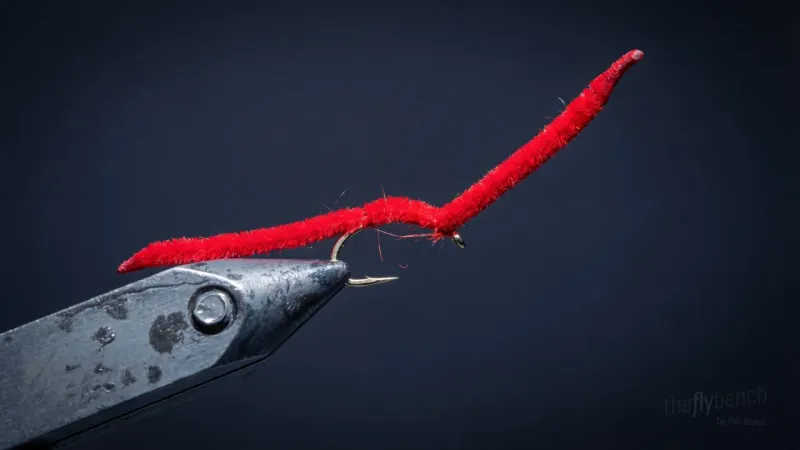
NymphInfamous Pink Worm
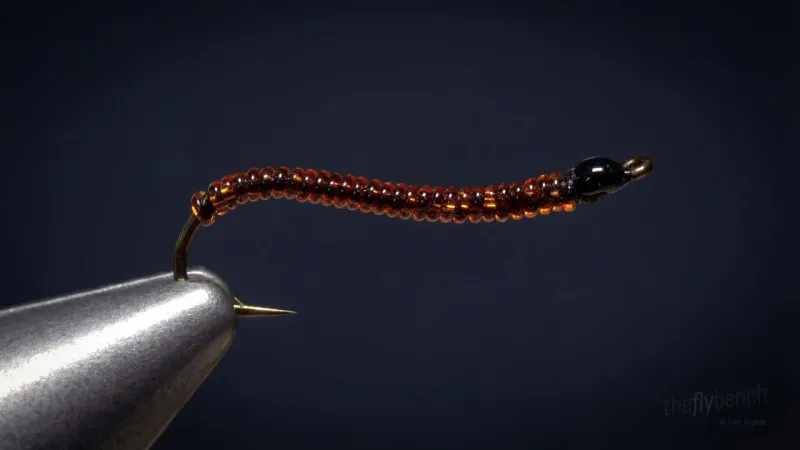
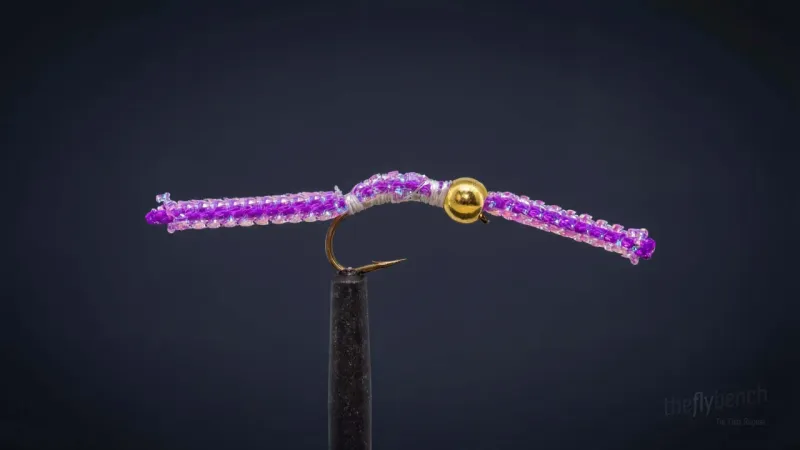
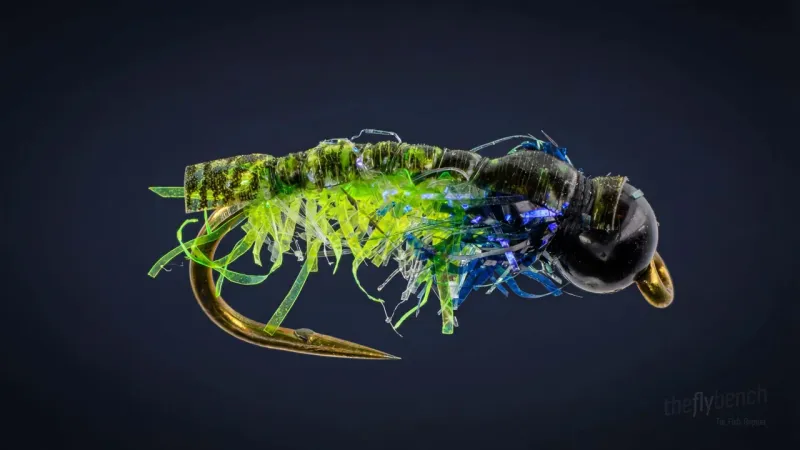
The Infamous Pink Worm is a highly effective pattern that mimics an aquatic worm. It can be fished year-round and is known for its remarkable performance during the early spring and fall seasons when trout are typically feeding.
Spring, Fall
Intermediate
Trout
Apr 2025
Overview
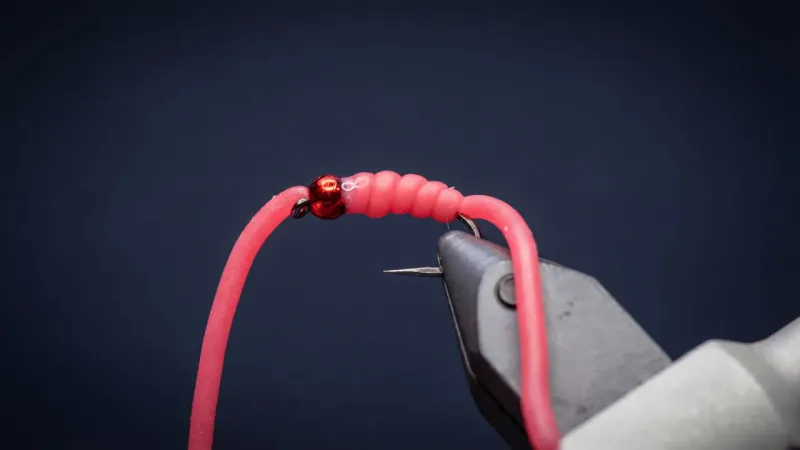
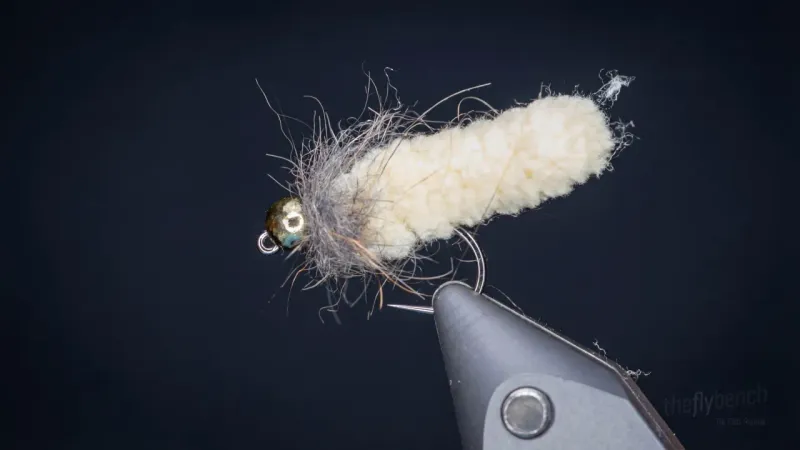
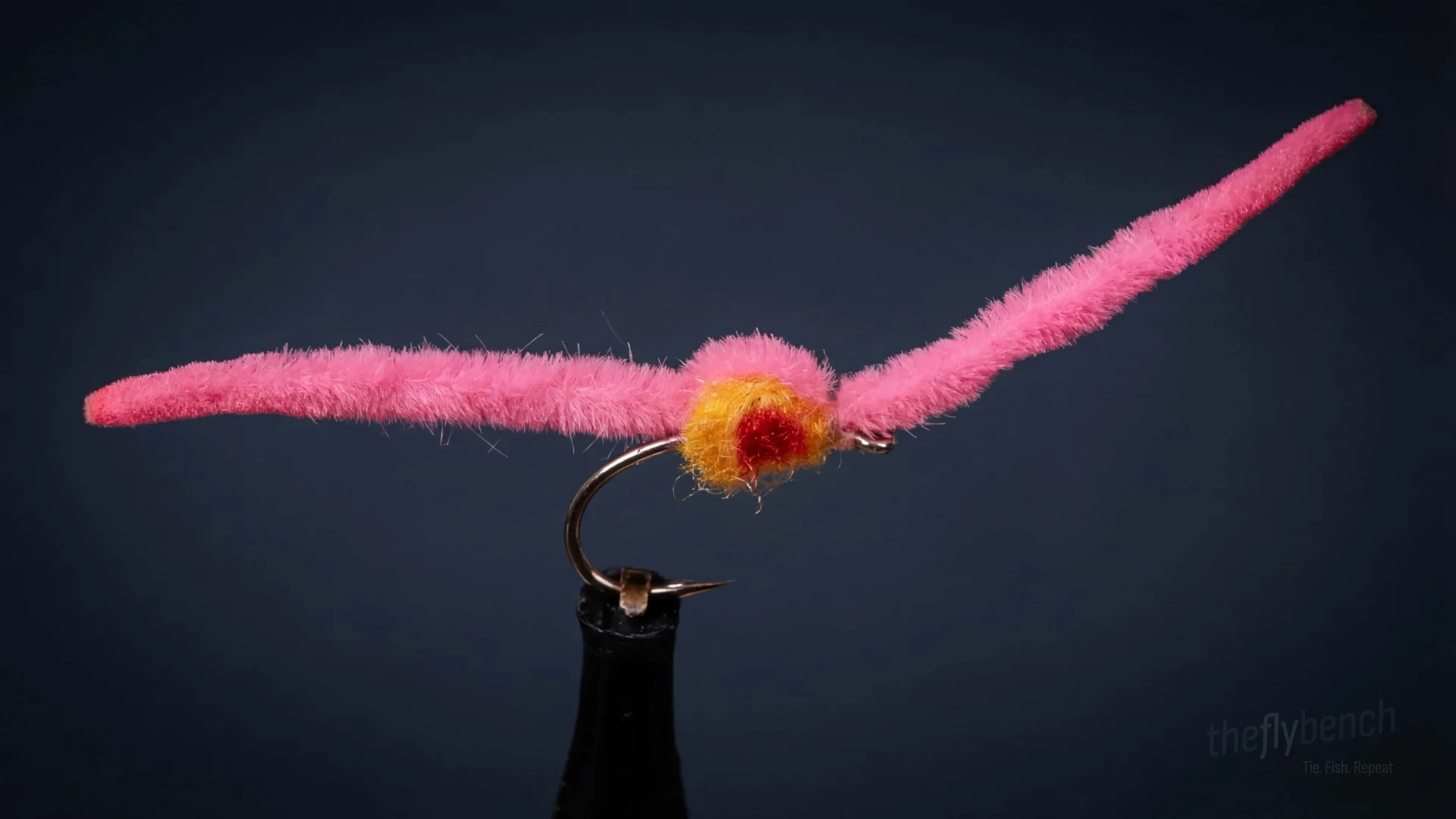
A squirmy-style fly using bright pink squirmy material on a jig or curved hook. A tungsten bead gets it down fast. Often considered “cheating,” but undeniably effective in high or dirty water, especially during runoff or winter.
Where to Buy This Fly
We only link to fly shops we trust. Some links are referral links, which may earn us a commission at no extra cost to you.
Materials
- Hook:
- Dai-Riki 125, size #14.
- Thread:
- 8/0 or 70 Denier, fluorescent shell pink.
- Body:
- Ultra Chenille, fluorescent pink.
- Egg:
- Antron Sparkle Dubbing, fluorescent orange.
- Blood dot:
- Red Sharpie.
Behavior & Presentation
Natural Behavior: Aquatic worms become dislodged from stream substrates during high water events, heavy rains, or spring runoff, tumbling helplessly in the current. Their bright coloration and undulating, defenseless movement makes them stand out against darker substrates.
Where Trout Eat It: Trout position in slower pockets adjacent to main current during high water, close to banks where they intercept dislodged worms in stained water.
How to Fish It: Dead drift under indicator with lift-and-settle technique. In stained water use bright colors to increase visibility. Fish tight to structure.
Best Water: Bank edges along undercut banks during runoff, pocket water behind boulders in off-color conditions, and slack water margins adjacent to heavy current.
Strike Type: During high water, trout often slam this pattern hard—indicator dips can be aggressive and sudden. In stained conditions, the bright pink triggers confident commits that feel like solid thumps or line-stopping pulls.
Fishing Strategy
Rigging Suggestions: Consider pairing it with a smaller nymph on a tandem rig for best results.
Seasonal Timing: Effective during peak feeding periods when water temperatures and conditions support active feeding behavior.
Pro Tips: This fly sinks and is not very visible due to its size and color. The bead helps get it down quickly to the feeding zone.
Entomology
Aquatic worms become dislodged from stream substrates during high water events, heavy rains, or spring runoff, tumbling helplessly in the current. Their bright coloration and undulating, defenseless movement makes them stand out against darker substrates. Fish feed on them opportunistically because they're soft-bodied, nutrient-dense, and completely unable to escape once swept into the water column during flood conditions.
- Organism Type
- worm
- Life Stage
- general