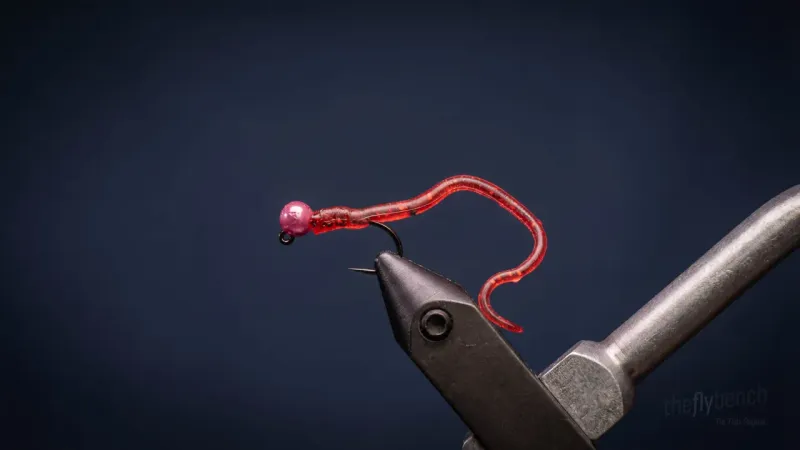
Euro NymphsThe PerdiWorm
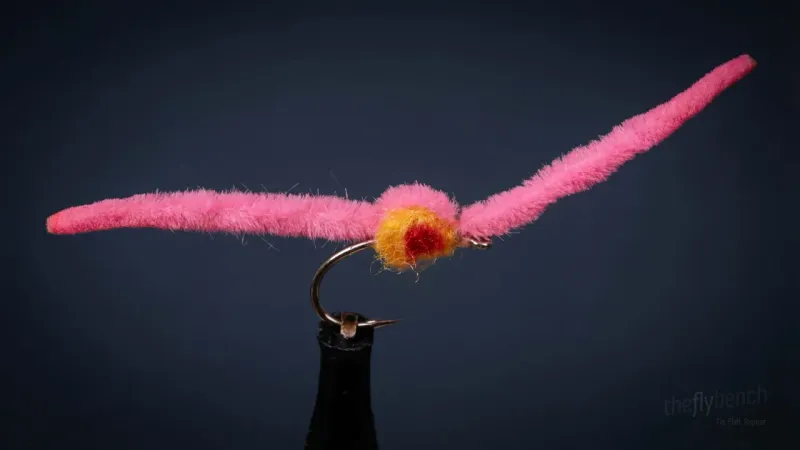
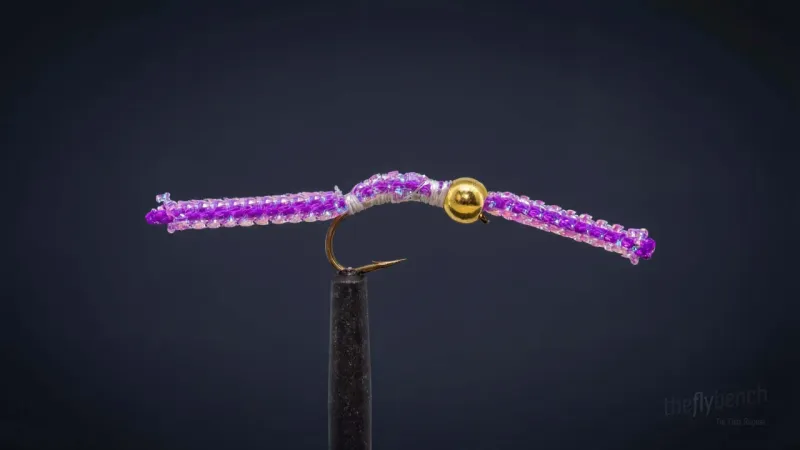
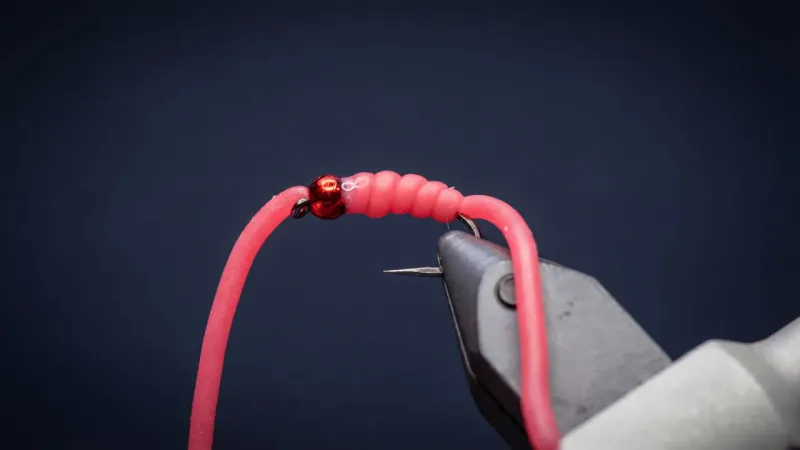
The PerdiWorm is a hybrid pattern combining the fast-sinking perdigon construction with the irresistible movement of a squirmy worm tail. The UV-coated body quill creates a slim profile that cuts through current quickly, while the Squirmito tail provides lifelike wiggling action. This modern euro nymph excels in both technical competition settings and everyday fishing.
Year Round
Intermediate
Trout
Dec 2025
Overview
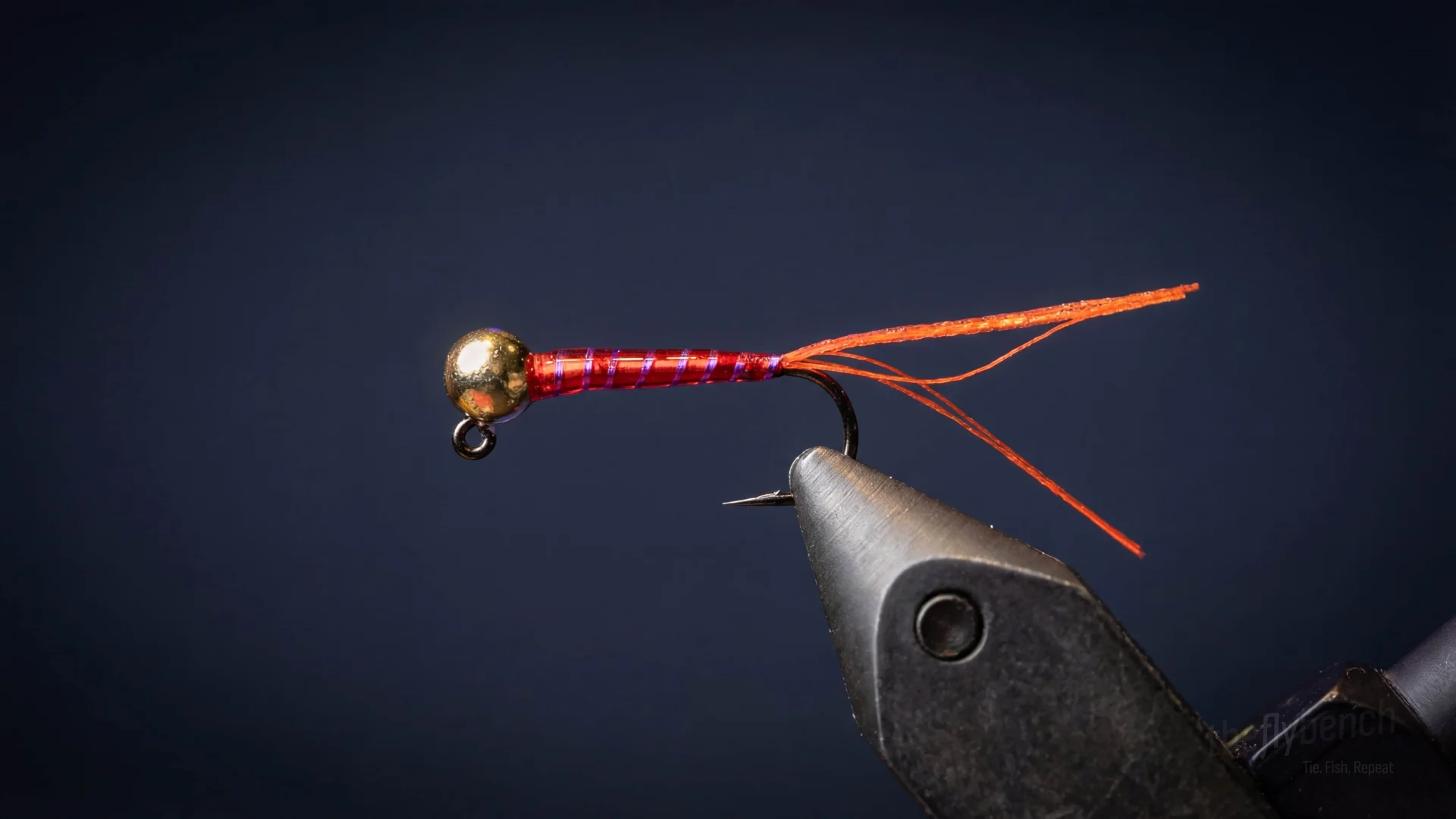
The PerdiWorm was developed by Fly Fish Food as an innovative fusion of two popular modern techniques. The perdigon-style UV resin coating adds weight and durability while maintaining a thin profile for quick sink rates. The Squirmito tail can be tied in various lengths depending on conditions, with shorter tails for technical water and longer tails for more aggressive presentations. Pink is highly effective, but experiment with other colors to match local forage.
Materials
Hook: Hanak H 400 BL Jig Hook, size #14
Bead: Hanak Metallic+ Slotted Tungsten, light pink, 3.0mm
Thread: Semperfli Classic Waxed Thread 12/0, pink
Tail: Squirmito material, pink
Body: Hends Body Quill, pale pink
Coating: Solarez Bone Dry UV Resin
Behavior & Presentation
Natural Behavior: Aquatic worms tumble helplessly in flow, their soft segmented bodies wiggling with no swimming ability or escape response.
Where Trout Eat It: Fish hold near bottom in feeding lanes, targeting worms drifting 1-4 feet deep after being dislodged during high water events.
How to Fish It: Tight-line euro technique with direct contact. The tungsten bead and slim profile cut through current quickly, reaching feeding depth in pocket water.
Best Water: Target seams between fast and slow flow, pocket water with complex currents, and current breaks where worms concentrate in drift lanes.
Strike Type: Sag in sighter or subtle pause. Fish take worms confidently, creating detectable ticks on tight line.
Fishing Strategy
Rigging Suggestions: 10-12ft euro leader with 5X-6X fluorocarbon. Use as point fly with lighter dropper 12-18 inches above. Minimal split shot required due to tungsten bead. For competition, pair with sighter material.
Seasonal Timing: Excels during spring runoff when worms abundant in water column. Also highly effective in winter and fall when trout key on larger subsurface food. After rain events when natural worms wash into streams because high water dislodges worms from substrate.
Pro Tips: Sinks extremely fast due to tungsten bead and slim UV-coated profile. Cuts through water column efficiently, reaching 3-5ft depths quickly in moderate current. Pink color provides excellent visibility without spooking fish. UV resin coating adds flash and weight while protecting delicate body quill.
Entomology
Aquatic worms tumble and drift helplessly in currents, their soft segmented bodies wiggling with no ability to resist water flow. These invertebrates become dislodged during high water events or when disturbed from their substrate hiding places. Trout target worms eagerly because they provide easily digestible protein without defensive structures, making them effortless meals that fish can consume without risk of injury.
- Organism Type
- worm
- Life Stage
- general