Euro NymphsThe Infamous Mop
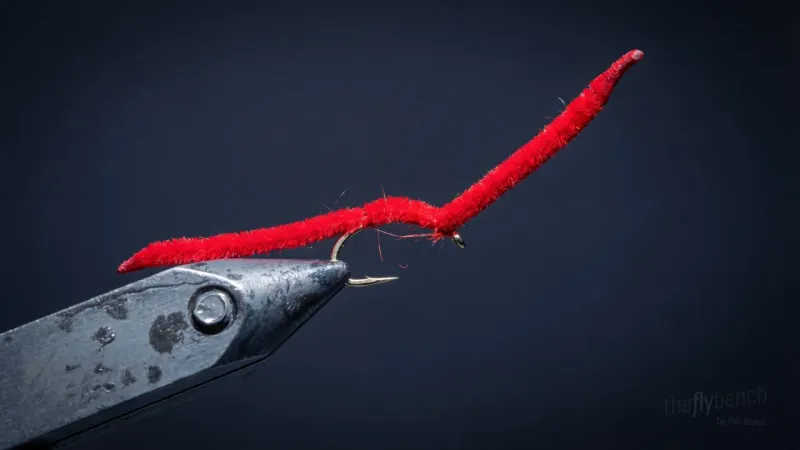
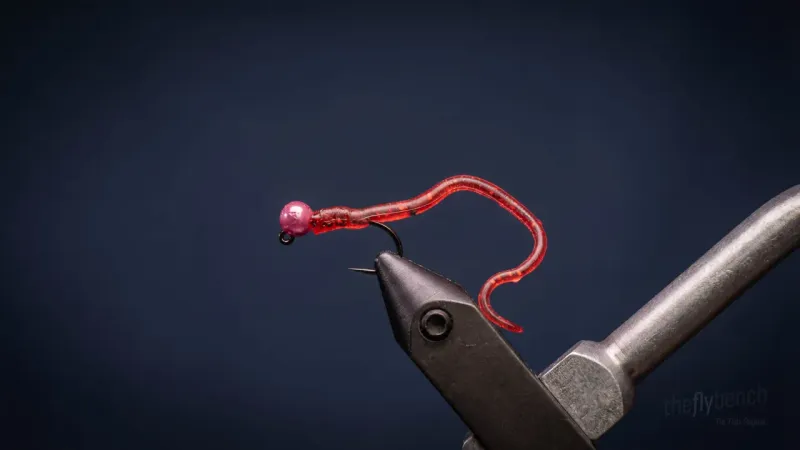
The Mop Fly is one of the most controversial yet undeniably effective patterns in modern fly fishing. Using a simple chenille mop material body on a jig hook, it creates a grub-like profile that imitates various aquatic larvae. Despite debates over its legitimacy, tournament anglers and guides rely on it for consistent results in both competition and recreational fishing.
Year Round
Beginner
Trout
Dec 2025
Overview
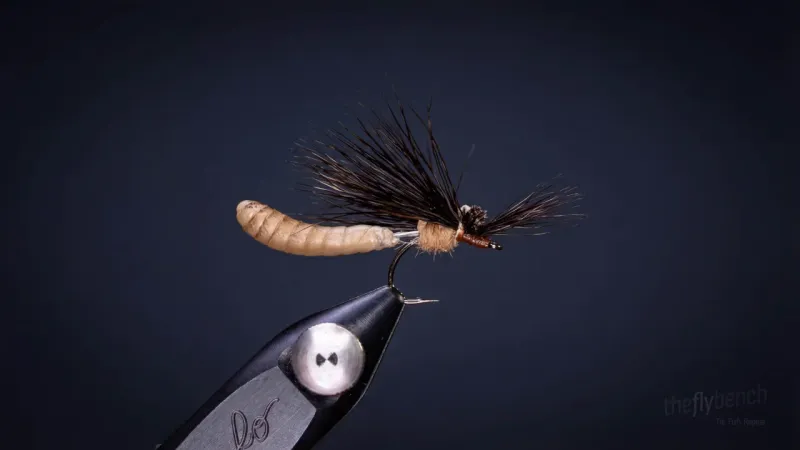
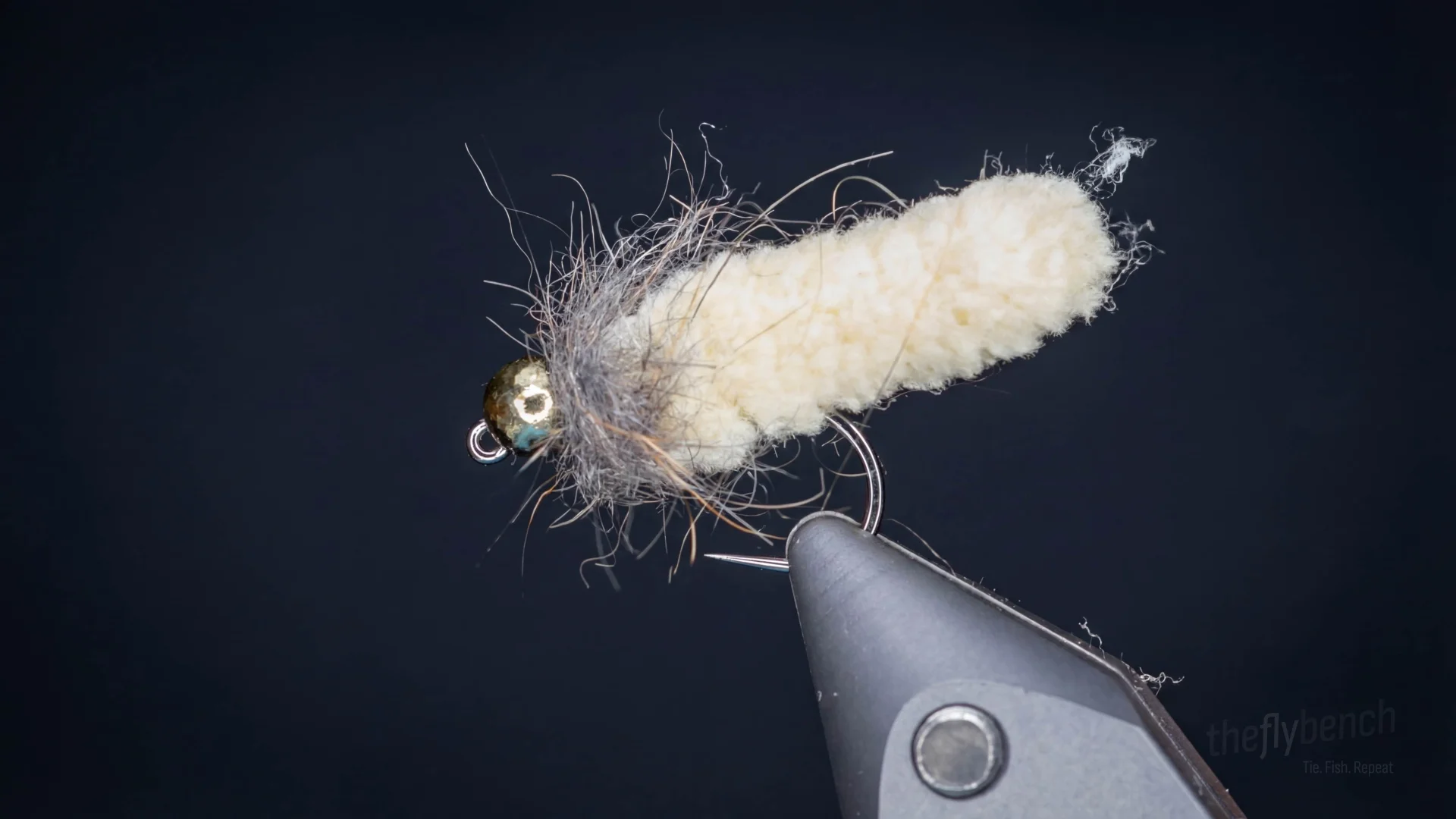
The Mop Fly gained notoriety in competitive fly fishing circles where its effectiveness became impossible to ignore. The pattern's simplicity is deceptive—the microfiber mop material undulates naturally in the current, creating lifelike movement that triggers aggressive strikes. Common variations include chartreuse, pink, and olive colors, with the cream version imitating crane fly larvae particularly well. The jig hook design ensures the pattern rides hook-point up, reducing snags.
Materials
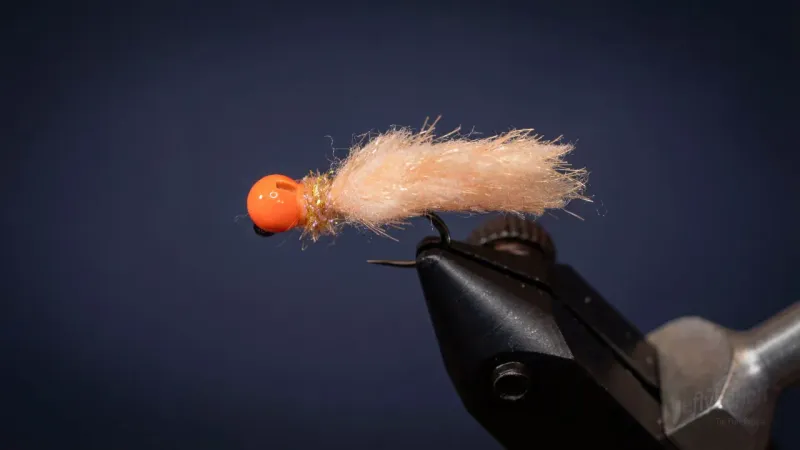
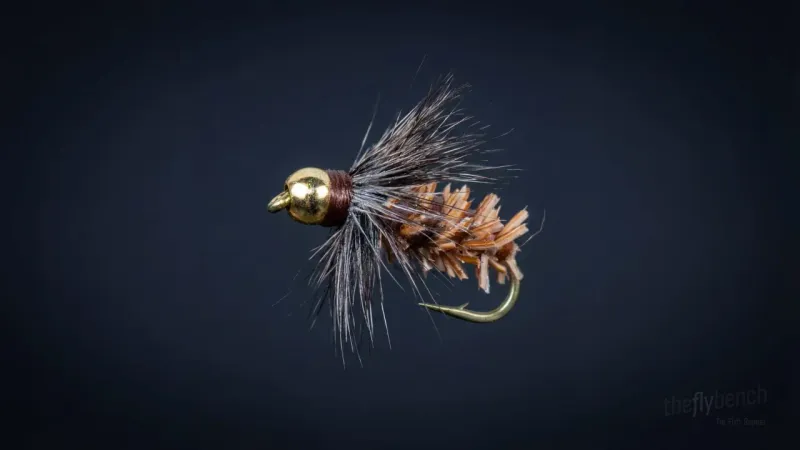
Hook: Hanak H 400 BL Jig Hook, size #10
Thread: UTC Ultrathread 140 Denier, brown
Bead: Hareline Slotted Tungsten Beads, black, 5/32" (3.8mm)
Body/Tail: Mop Bodies, cream
Collar: SLF Spikey Squirrel Dubbing, natural gray
Behavior & Presentation
Natural Behavior: Aquatic larvae and worms with segmented, chenille-like bodies drift near bottom during high water. The pattern's unconventional appearance triggers aggressive feeding responses from opportunistic trout.
Where Trout Eat It: Trout feed on drifting crane fly larvae in South Fork Snake and Henry's Fork deep pools and slow runs, particularly during March through May when plump segmented larvae are dislodged from muddy substrates. Target 4-6 foot depths in slower water.
How to Fish It: Use tight-line euro nymphing or fish under indicator in deep pools and slow runs with a little slack—keep right amount of tension to keep fly off bottom but not enough to drag. The Mop's unique quality is how it hugs the bottom.
Best Water: Focus on deep pools (4-6 feet) and slow runs behind structure where crane fly larvae and aquatic worms drift after disturbances.
Strike Type: Aggressive strikes show as sharp sighter movements or sudden line tension—set decisively.
Fishing Strategy
Rigging Suggestions: Use as a point fly in euro nymphing rigs with 10-15 feet of leader and 4X-5X tippet. Excellent choice for two-fly tandem setups with a lighter pattern as dropper 12-18 inches above. Can be fished under an indicator in traditional nymphing with added split shot if needed.
Seasonal Timing: Effective , particularly productive during when crane fly larvae are abundant in March through May. Works exceptionally well in and when fish are keyed on subsurface food sources.
Pro Tips: Sinks rapidly due to the 3.8mm tungsten bead, reaching depths of 4-6 feet quickly in moderate current. The cream-colored mop material provides excellent contrast against darker substrates, making it highly visible to fish.
Entomology
Crane fly larvae inhabit muddy substrates and drift when dislodged, their plump segmented bodies wiggling helplessly as current carries them downstream. Aquatic worms similarly tumble through the water column after floods or disturbances expose them from protective cover. Trout feed on these larvae and worms opportunistically because they're soft-bodied, easily digestible, and often appear in concentrated numbers following weather events that flush them from hiding places.
- Order
- Diptera
- Family
- Tipulidae
- Common Name
- Crane Fly
- Organism Type
- worm
- Life Stage
- larva