Dry FliesSparkle Dun Mayfly
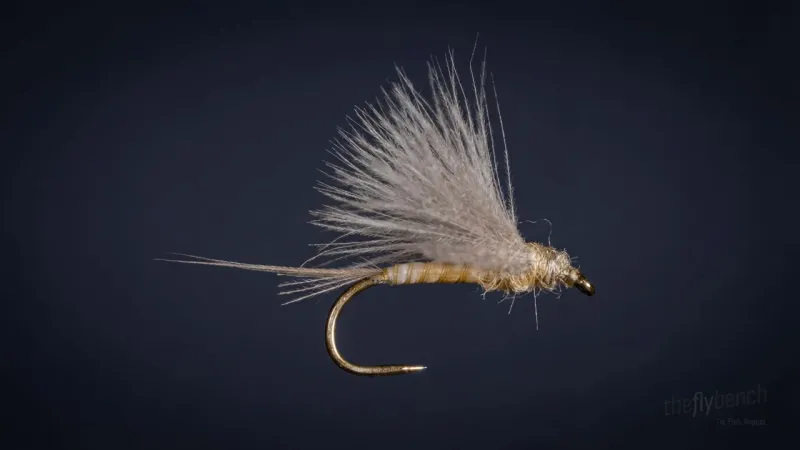
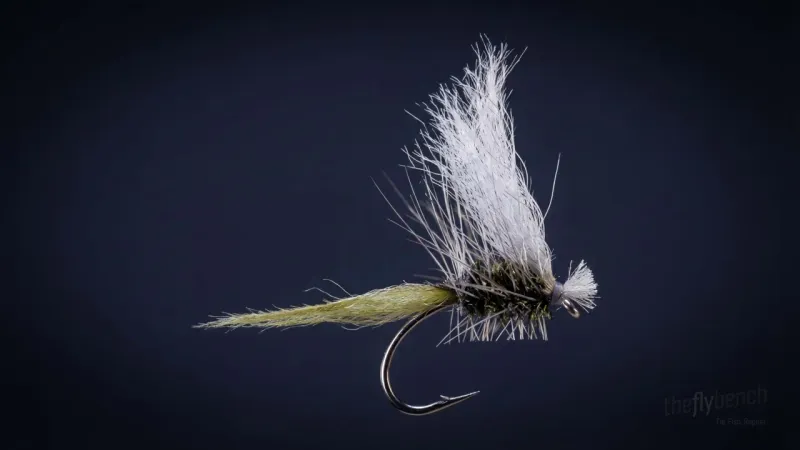
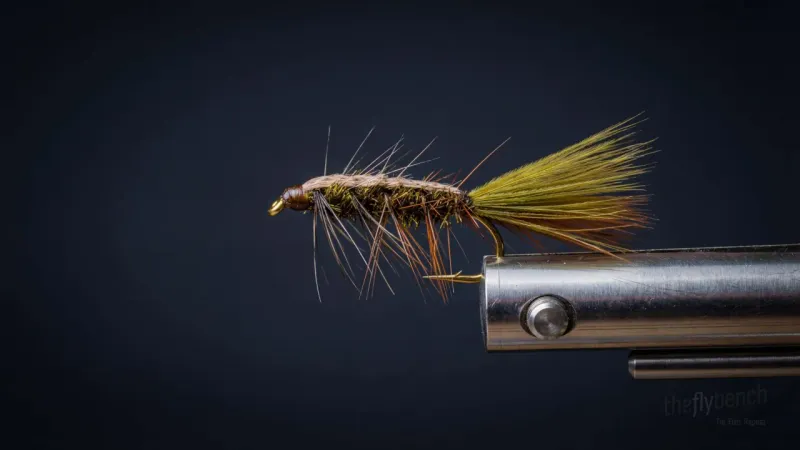
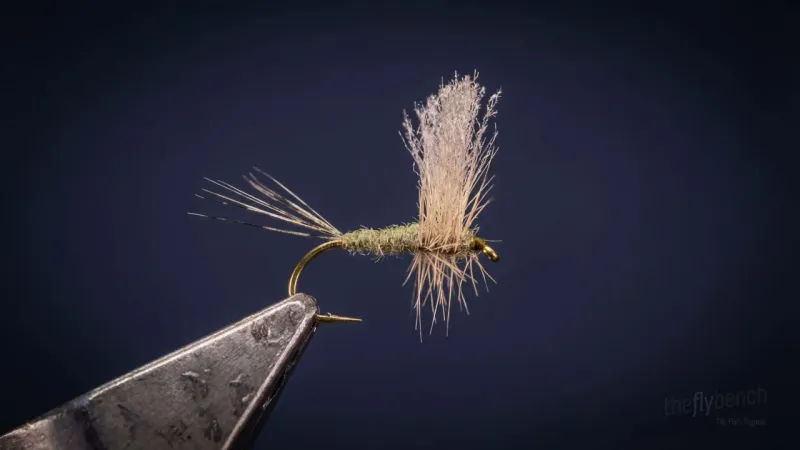
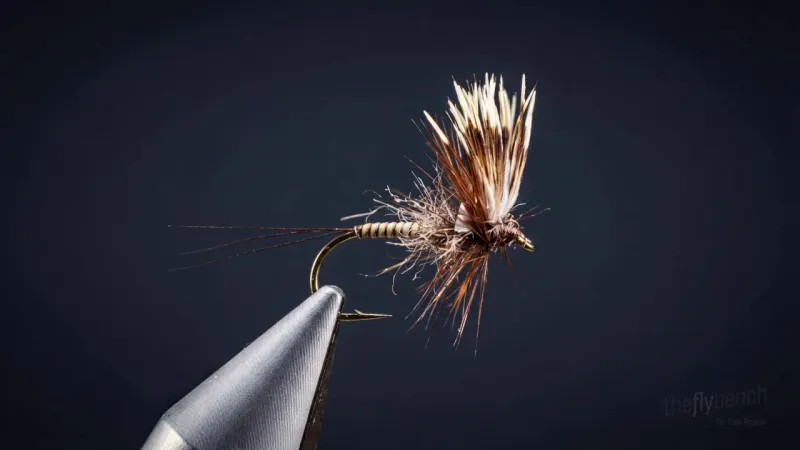
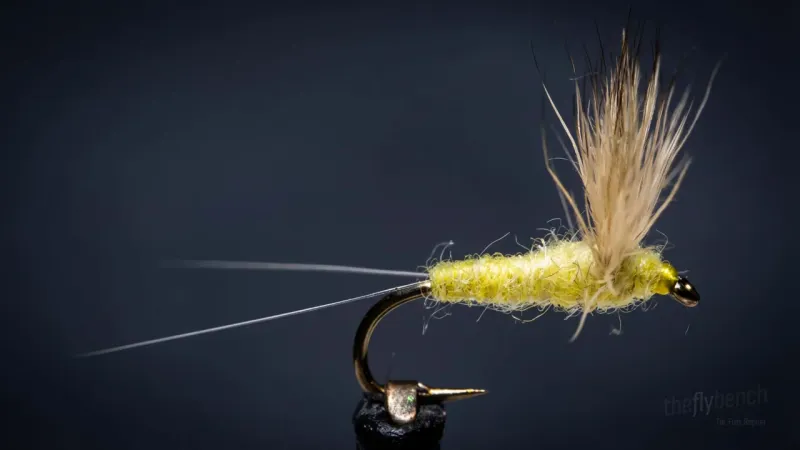
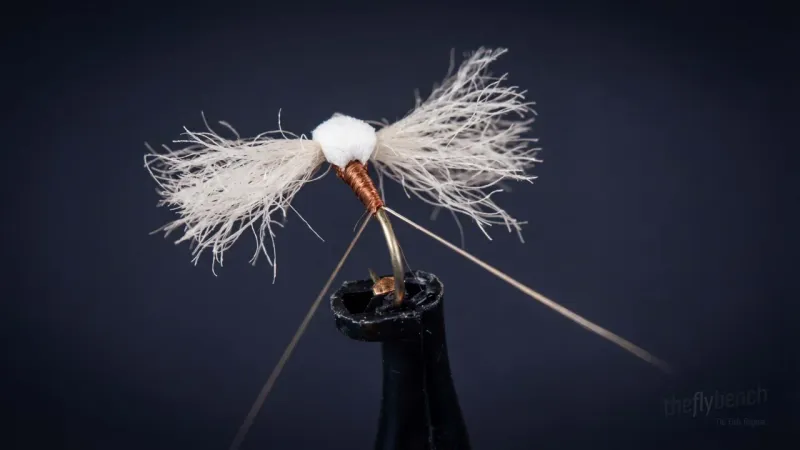
A low-riding dry fly featuring Z-Lon trailing shuck and deer hair wing that perfectly imitates mayflies emerging from their nymphal shuck. The sparkle material in the shuck catches light naturally while the splayed deer hair provides excellent visibility and flotation during prolific mayfly hatches on spring creeks and tailwaters.
Spring, Summer
Intermediate
Trout
Apr 2025
Overview
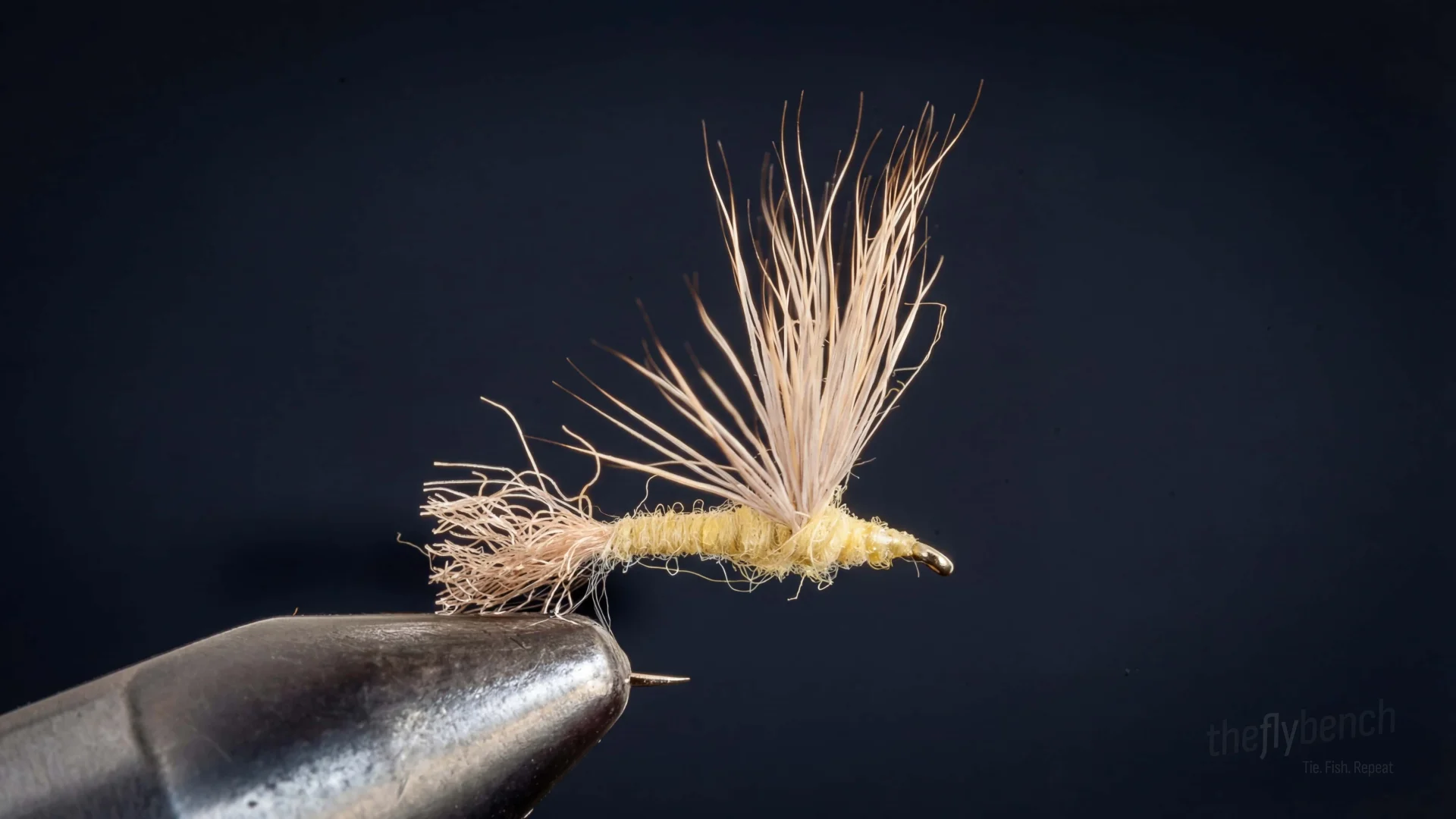
This emerger-style dry fly uses a trailing shuck of Z-lon or Antron and a comparadun-style deer hair wing. The body is dubbed to match the hatch, and the fly rides low in the water, perfectly imitating duns struggling to break through the surface film.
Where to Buy This Fly
We only link to fly shops we trust. Some links are referral links, which may earn us a commission at no extra cost to you.
Materials
- Hook:
- #12-20 Daiichi 1180
- Thread:
- Olive Veevus 10/0
- Tail:
- Olive Z-Lon or Sparkle Yarn
- Body:
- Olive Brown Hareline Dubbing
- Wing:
- Natural Comparadun Hair
- Head:
- Olive Brown Hareline Dubbing
Behavior & Presentation
Natural Behavior: Mayfly duns emerge through the surface film, floating upright as their wings expand and dry. These newly emerged adults drift with the current for extended periods before taking flight, providing consistent surface feeding opportunities.
Where Trout Eat It: Trout rise consistently in smooth glides, pool tailouts, and eddy lines during mayfly emergences where duns float extended periods before takeoff.
How to Fish It: Fish flush in film with drag-free drift through feeding lanes. Reposition to offset conflicting currents for drag-free float. Only needs to float drag-free for a few inches.
Best Water: Smooth glides below riffles where mayflies emerge, flat pool tailouts with minimal surface disturbance, and eddy lines where duns accumulate during hatches.
Strike Type: The take manifests as a quick rise-form that targets the visible deer hair wing, often accompanied by an audible slurp in calm water; a controlled upward sweep sets the hook without snapping 5X-6X tippets.
Fishing Strategy
Rigging Suggestions: Use 9-12 foot leaders tapered to 5X or 6X tippet. Adjust tippet diameter based on water clarity and fish selectivity, using 6X-7X in clear, slow conditions.
Seasonal Timing: Most productive from April through September during mayfly hatch periods. Peak effectiveness occurs May through July when multiple mayfly species emerge simultaneously.
Pro Tips: The sparkle yarn shuck imitates trapped nymphal shuck, triggering strikes from selective trout focused on vulnerable emergers. The deer hair wing provides excellent flotation while maintaining a low, natural profile on the water.
Entomology
Freshly emerged mayfly duns sit upright on the water surface with wings held vertically, floating downstream while their exoskeletons harden and they prepare for their maiden flight. Fish target these newly hatched adults because they remain on the water longer than experienced fliers and appear during concentrated hatch periods when trout establish predictable feeding rhythms in specific surface lanes.
- Order
- Ephemeroptera
- Common Name
- Mayfly
- Organism Type
- insect
- Life Stage
- adult