Dry FliesBDE Mayfly
The BDE Mayfly is a highly effective pattern that imitates the adult stage of a mayfly. Its design makes it a great choice for trout in moving or still waters, especially during a hatch.
Spring, Summer
Intermediate
Trout
Apr 2025
Overview
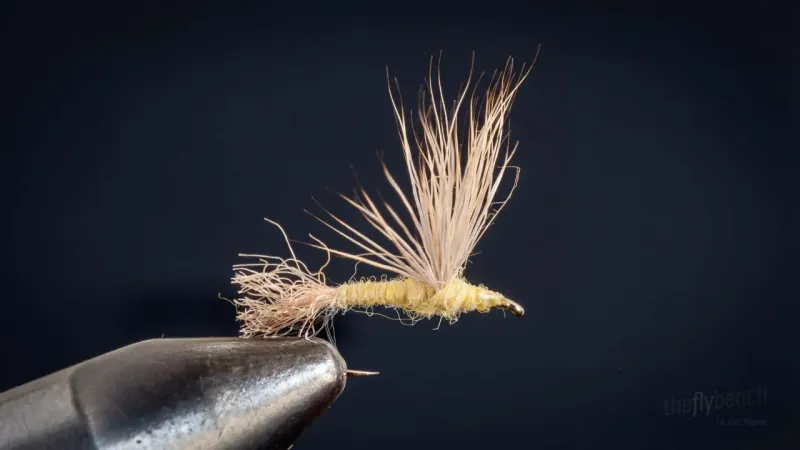
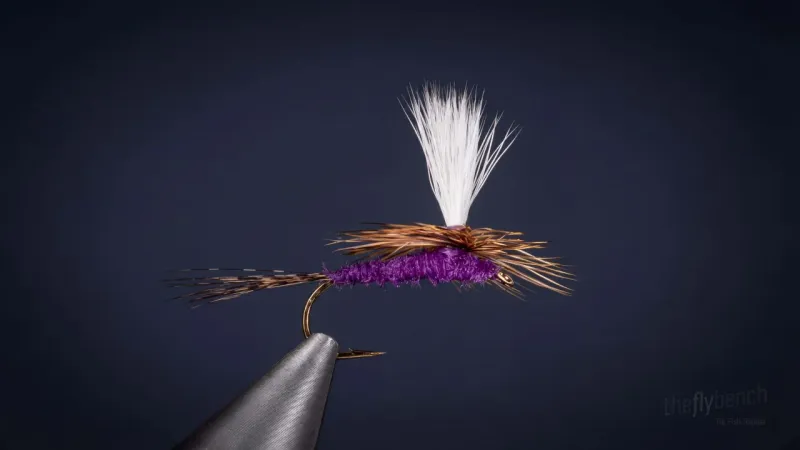
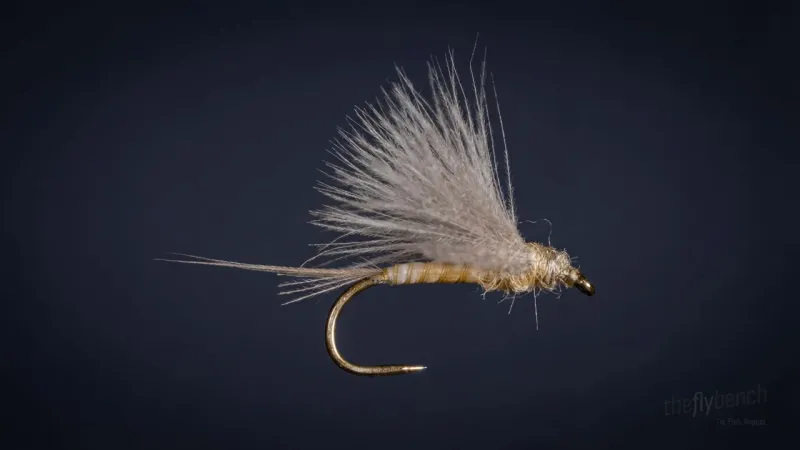
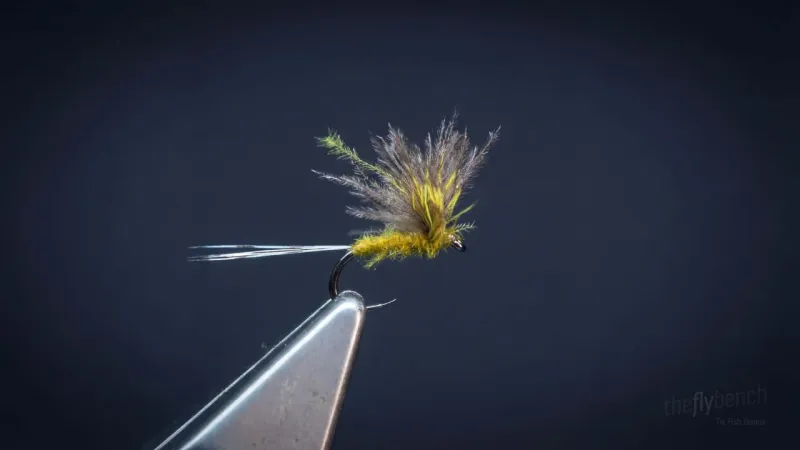
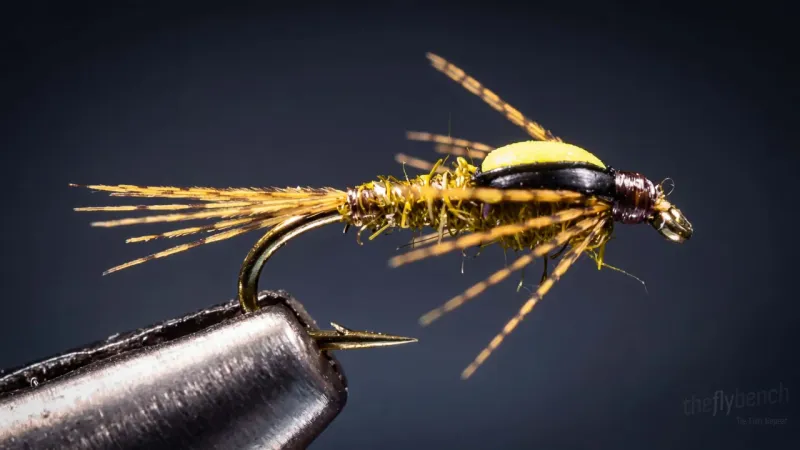
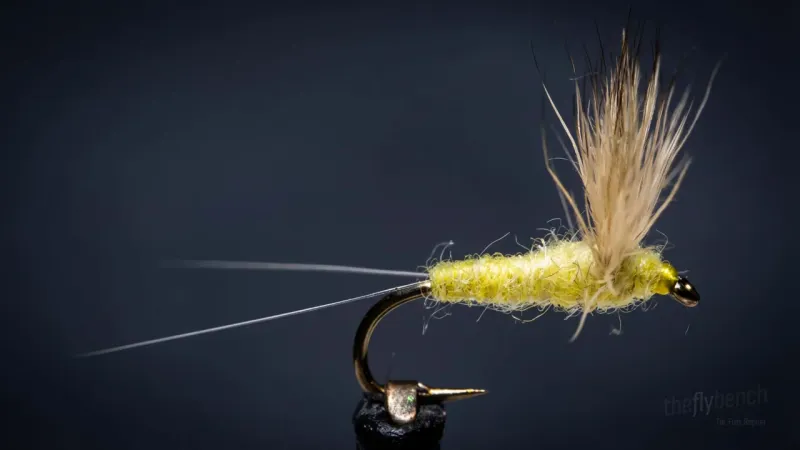
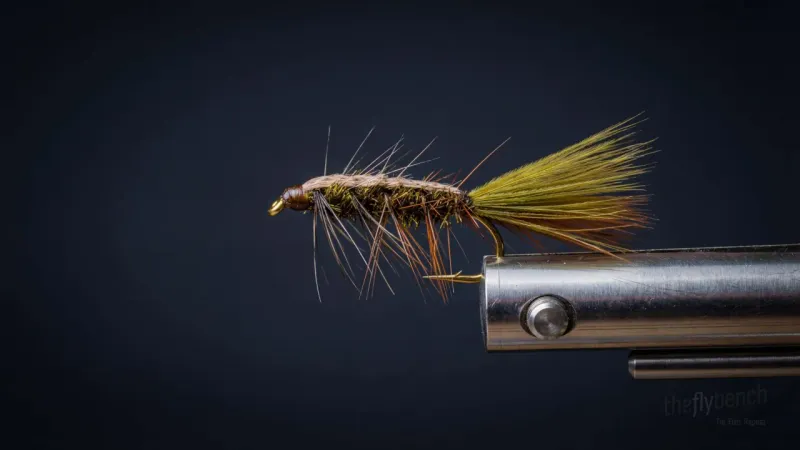
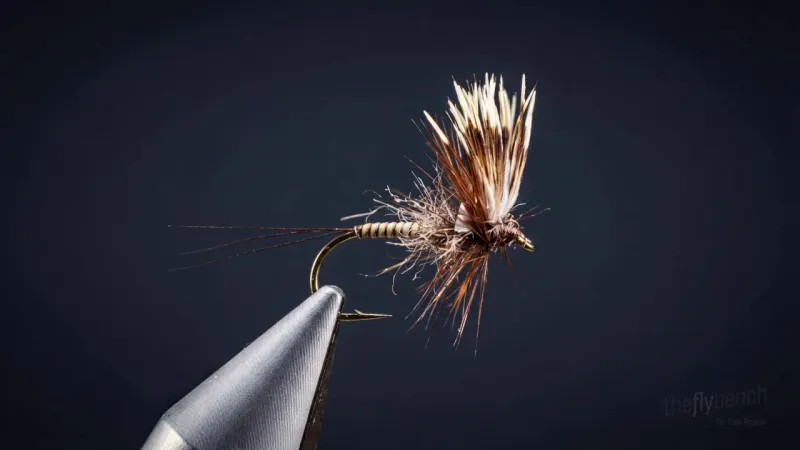
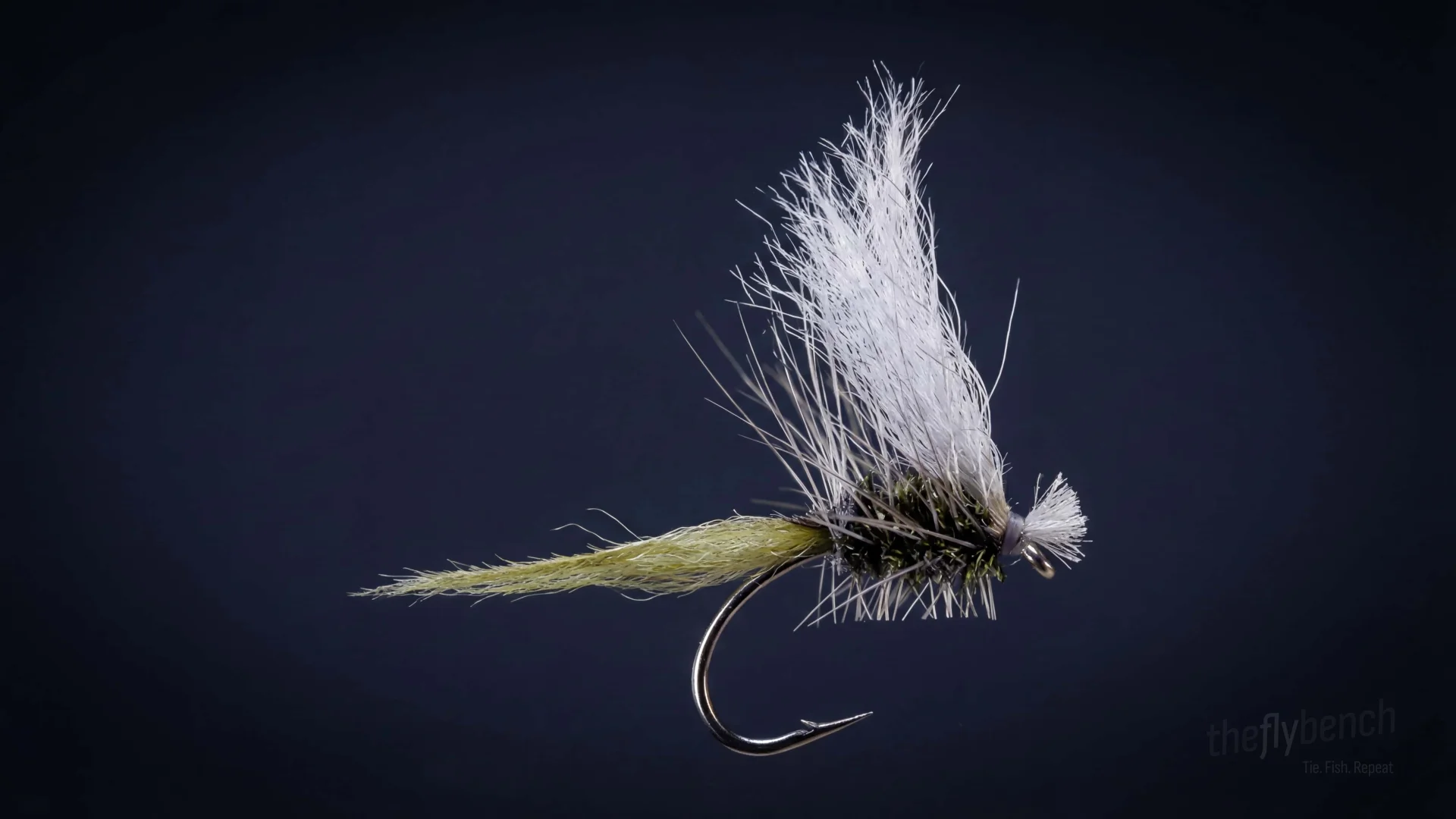
The BDE (Big Damn Emerger) Mayfly is a parachute-style dry fly designed for maximum visibility and floatation during mayfly hatches. It typically features a dubbed body in olive or tan, a hi-vis synthetic post (like Para Post or EP Trigger Point Fiber), and a sparse hackle wrapped parachute-style. The tail is often microfibbet or Coq de Leon. It's an easy tie for a high-floating dry fly that rides low and fools picky trout.
Where to Buy This Fly
We only link to fly shops we trust. Some links are referral links, which may earn us a commission at no extra cost to you.
Materials
- Hook:
- Tiemco 100, size #12-#16
- Thread:
- Olive 8/0 Uni-thread
- Body:
- Olive superfine dubbing
- Wing:
- Dun-colored CDC feathers
- Hackle:
- Grizzly dry fly hackle
- Tail:
- Micro fibbets in light dun
Behavior & Presentation
Natural Behavior: Females return to deposit eggs by dipping their abdomens repeatedly, then collapse spent on the surface with outstretched wings, creating distinctive silhouettes during concentrated spinner falls.
Where Trout Eat It: Fish rise methodically to intercept these exhausted adults drifting helplessly in the surface film after egg-laying.
How to Fish It: Dead drift with wings spread, matching the spent profile of collapsed spinners during predictable fall timing.
Best Water: Target tail-outs, foam lines, slicks, and current seams where spent spinners concentrate after mating swarms complete egg deposition.
Strike Type: Rhythmic, confident rises as fish feed with minimal effort during high-density spinner events offering extended surface opportunities.
Fishing Strategy
Rigging Suggestions: Fish on 5X-6X tippet with a 9-12 foot tapered leader. Can be rigged alone or as the indicator fly in a dry-dropper setup with a small emerger 18-24 inches below.
Seasonal Timing: Prime from April through August during major mayfly hatches, with peak effectiveness in May-June when Baetis, Callibaetis, and PMD hatches overlap. Most productive when water temps reach 55-68°F.
Pro Tips: Apply floatant to hackle and wing before each cast. The upright wing and visible hackle make this pattern easy to track in broken water. Size down to 18-20 during selective feeding.
Entomology
During spinner falls, adult mayflies return to the water to lay eggs, hovering in mating swarms above the surface before females dip their abdomens repeatedly to deposit eggs. After egg-laying, spent spinners collapse on the surface with outstretched wings, creating distinctive silhouettes. Fish rise methodically during spinner falls because the predictable timing and high density of exhausted adults offer extended surface-feeding opportunities with minimal effort.
- Order
- Ephemeroptera
- Common Name
- Mayfly
- Organism Type
- insect
- Life Stage
- adult