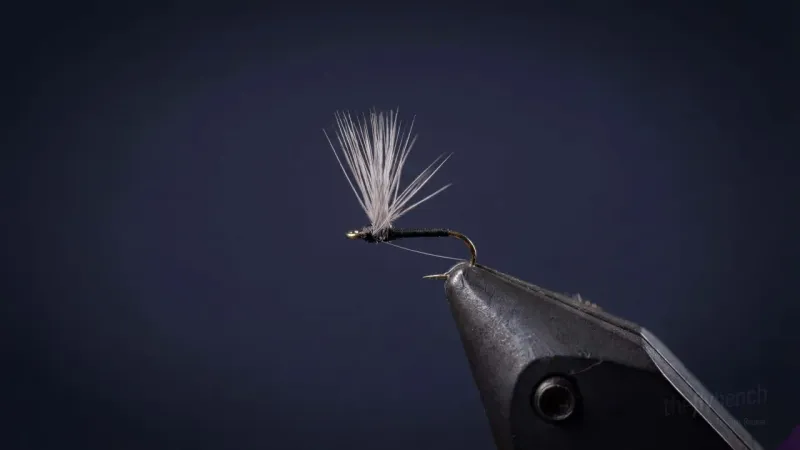
NymphSofthackle with Flat Body and Corded Rib
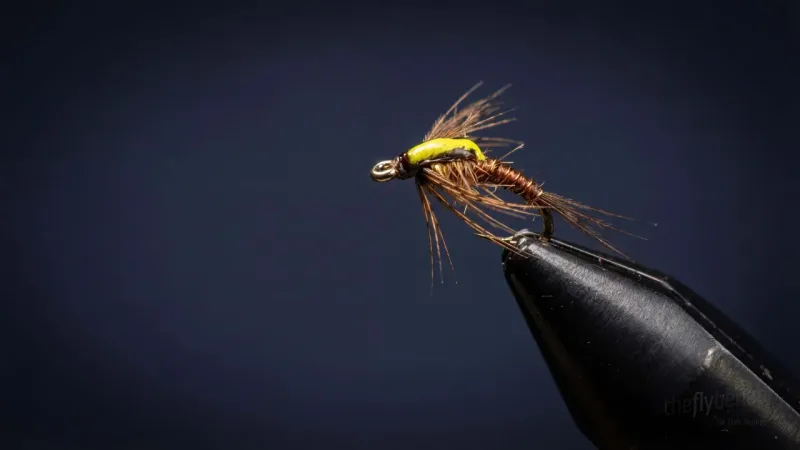
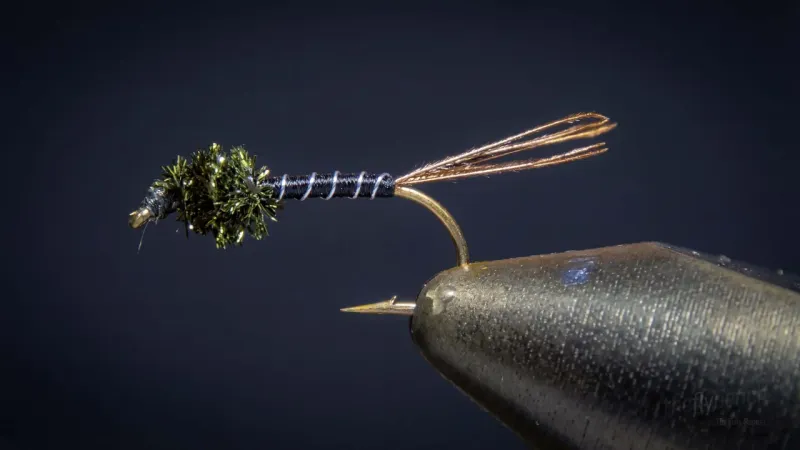
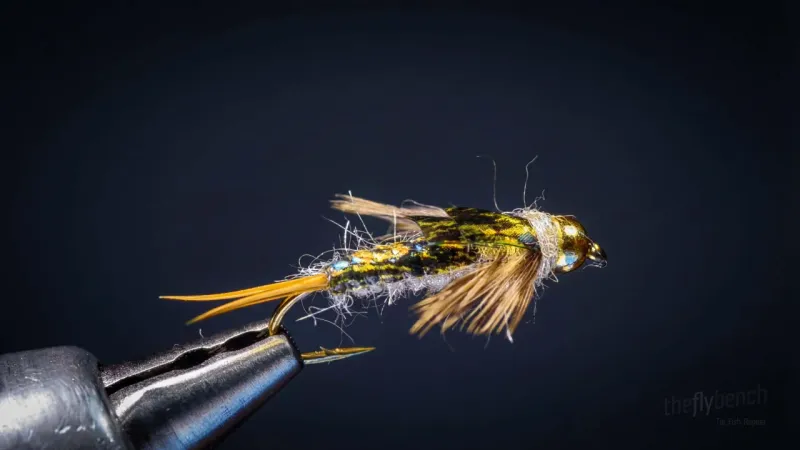
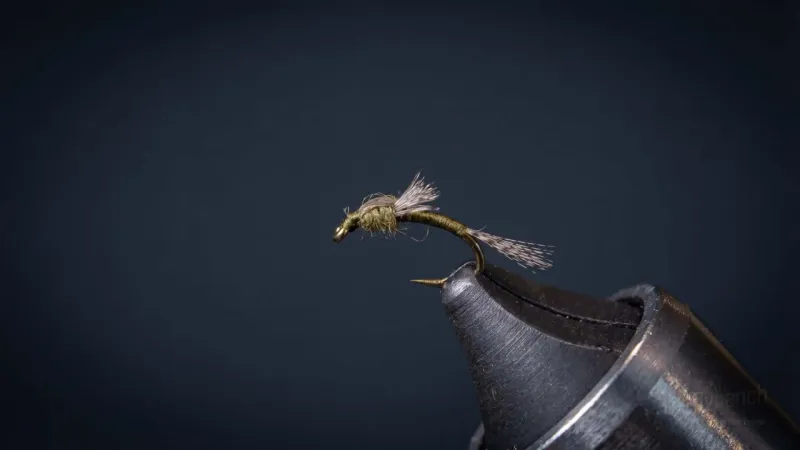
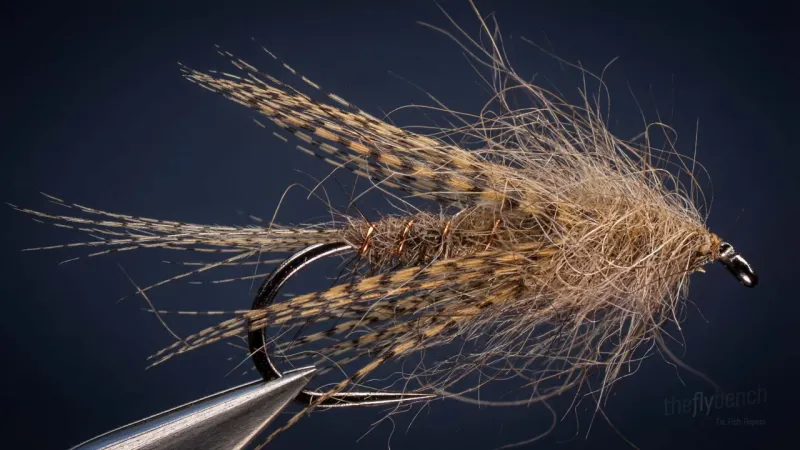
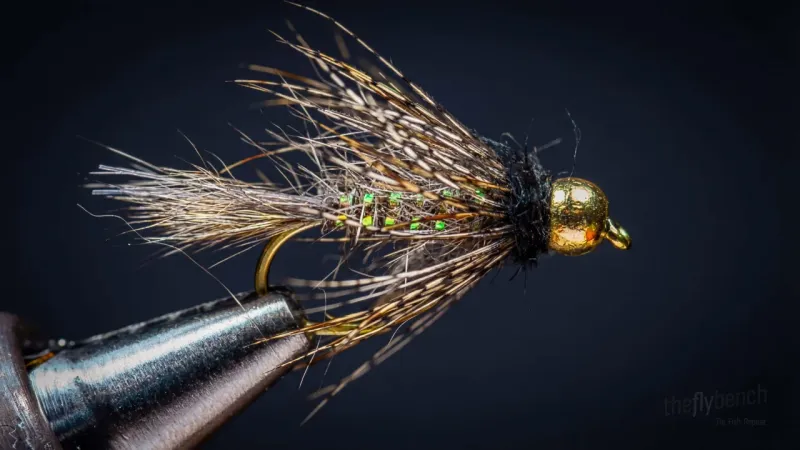
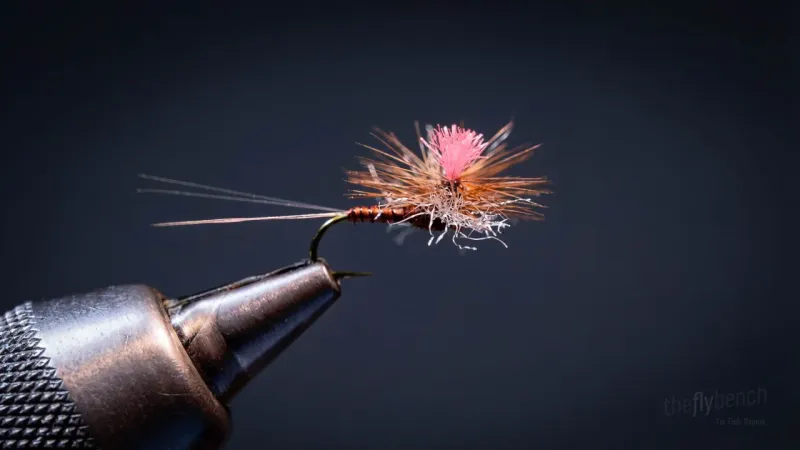
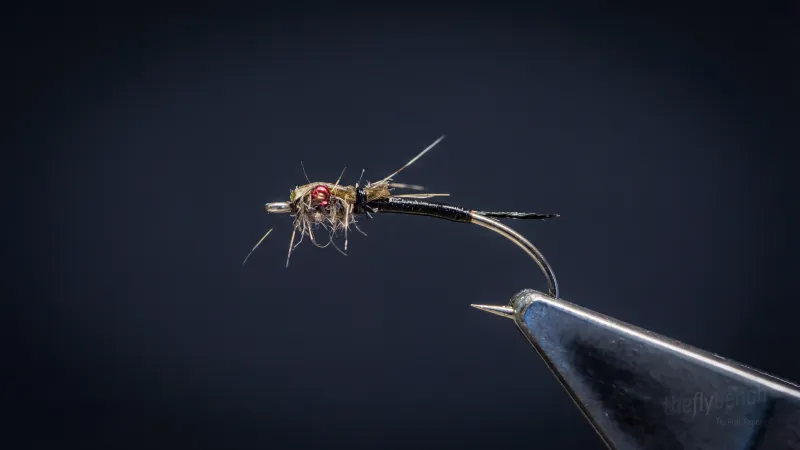
The Softhackle with Flat Body and Corded Rib is a nymph pattern designed by Hans Weilenmann. This effective pattern combines traditional materials with proven techniques for consistent results in a variety of water conditions.
Spring, Summer, Fall
Intermediate
Trout
Feb 2026
Overview
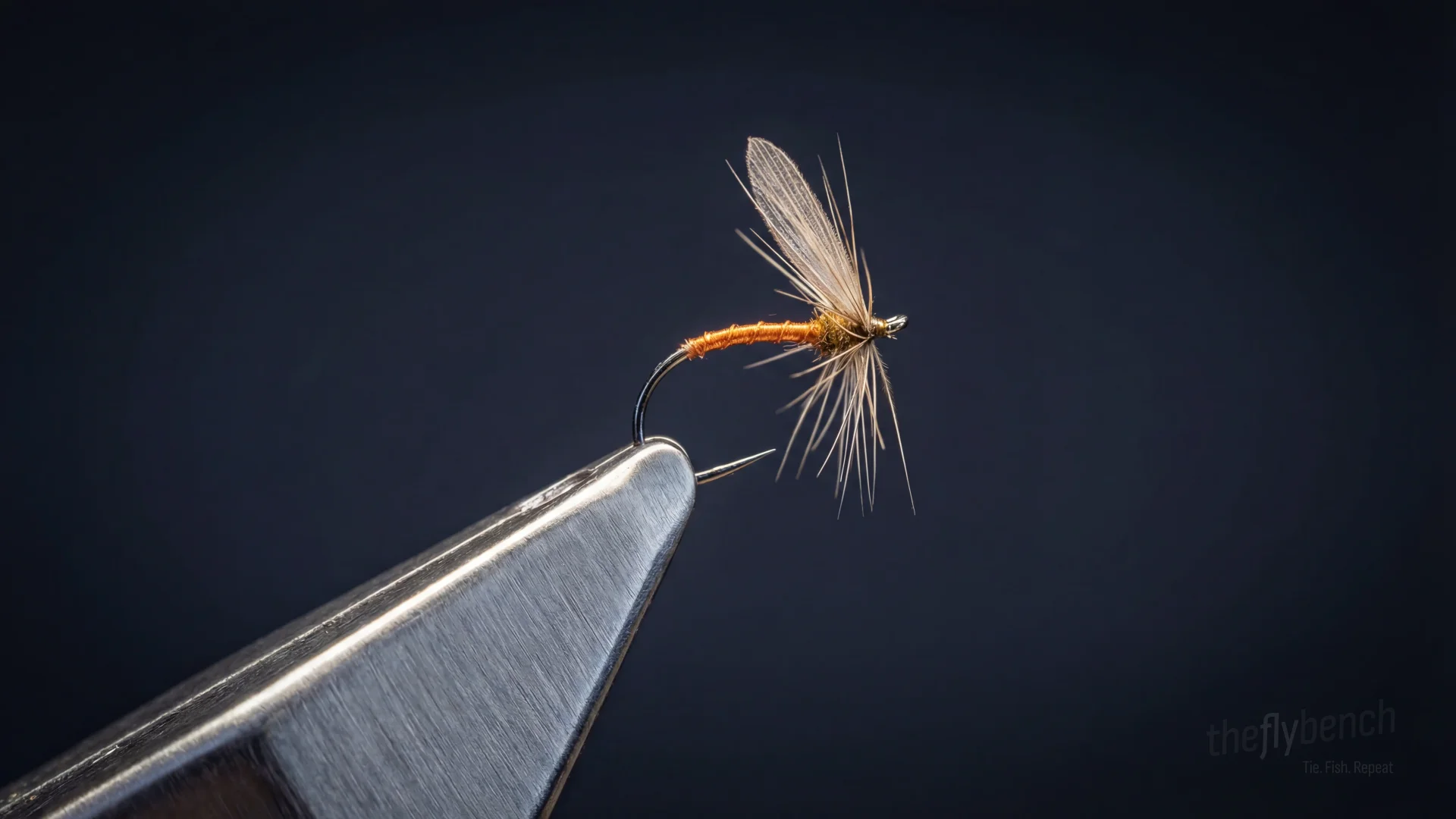
Hans Weilenmann's take on the traditional soft hackle incorporates a flattened body profile with corded ribbing that creates pronounced segmentation. The flat body better mimics the compressed shape of many mayfly nymphs while the corded rib adds texture and durability. Soft hackle provides subtle movement and breathing action. This pattern fishes effectively in the swing through currents and transitions, triggering strikes as the hackle pulses with water movement.
Where to Buy This Fly
We only link to fly shops we trust. Some links are referral links, which may earn us a commission at no extra cost to you.
Materials
- Hook:
- TMC 100-101 size 12-16
- Thread:
- Olive 8/0
- Ribbing:
- Silver Tinsel
- Body:
- Yellow or Chartreuse floss
- Hackle:
- Partridge (stripped on one side and palmered)
Behavior & Presentation
Natural Behavior: Trout hold in feeding lanes waiting for drifting nymphs knocked loose from rocky bottom structure. Anglers dead drift soft hackles because the subtle movement imitates helpless tumbling prey swept downstream.
Where Trout Eat It: Fish intercept tumbling nymphs at mid-depth in freestone streams, tailwaters, spring creeks, and near rocky structure and weed beds in lakes.
How to Fish It: Dead drift at depth or traditional wet fly swing. The flat body creates distinct silhouette while soft hackle provides subtle current-activated movement.
Best Water: Focus on varied current runs, moderate depth zones, pool tail-outs, rocky substrates, and weed bed edges during mayfly emergences.
Strike Type: Watch for indicator dips, subtle line tightening, or drift hesitation. Takes often feel like brief resistance or weight.
Fishing Strategy
Rigging Suggestions: Use a 9-12 foot leader with 4X-5X tippet. Add split shot 12-18 inches above the fly for nymphing presentations or fish unweighted for wet fly swinging. Can be fished solo or as part of a team of wet flies.
Seasonal Timing: Productive year-round with peak effectiveness from April through October. Particularly effective during mayfly emergences (April-June) and feeding periods (September-October) when trout feed heavily on nymphs and emergers.
Pro Tips: The flat body construction creates a distinctive profile that differs from traditional dubbed bodies. The corded rib adds segmentation and durability. Sizes 12-16 cover most mayfly nymphs and emergers. The soft hackle pulses in the current, creating lifelike movement that triggers strikes from opportunistic trout.
Entomology
Mayfly nymphs inhabit swift currents where they cling to rocks and debris, periodically losing their grip and tumbling helplessly downstream. Fish station themselves to ambush these dislodged nymphs as they represent an easily captured food source drifting past holding lies.
- Order
- Ephemeroptera
- Common Name
- Mayfly
- Organism Type
- insect
- Life Stage
- nymph