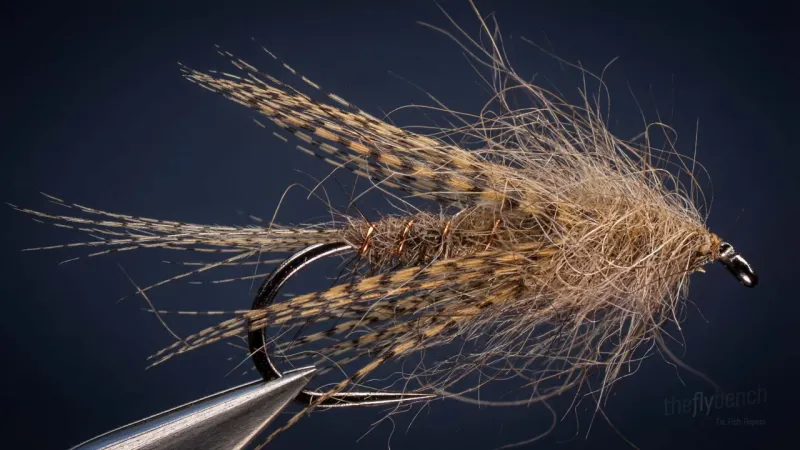
NymphSimple Nymph
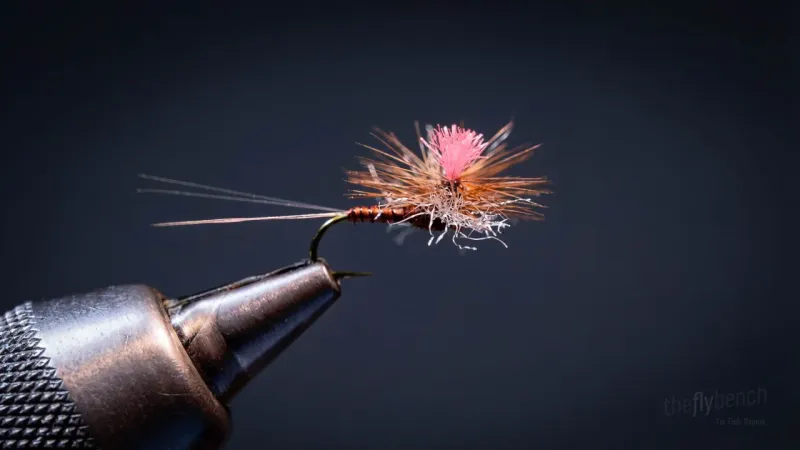
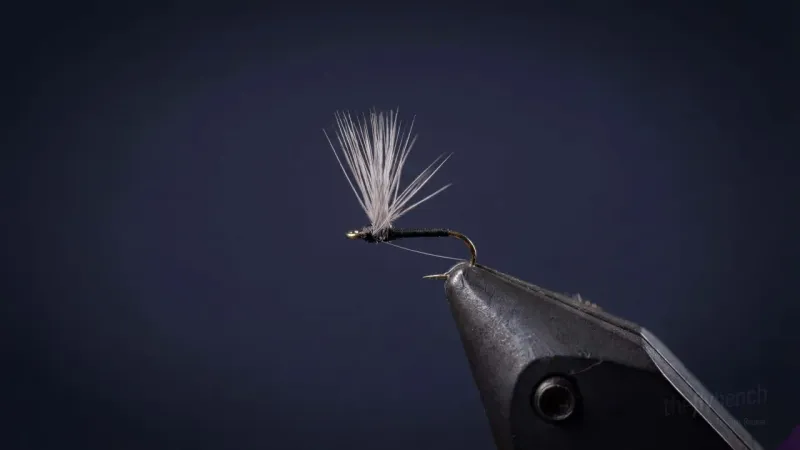
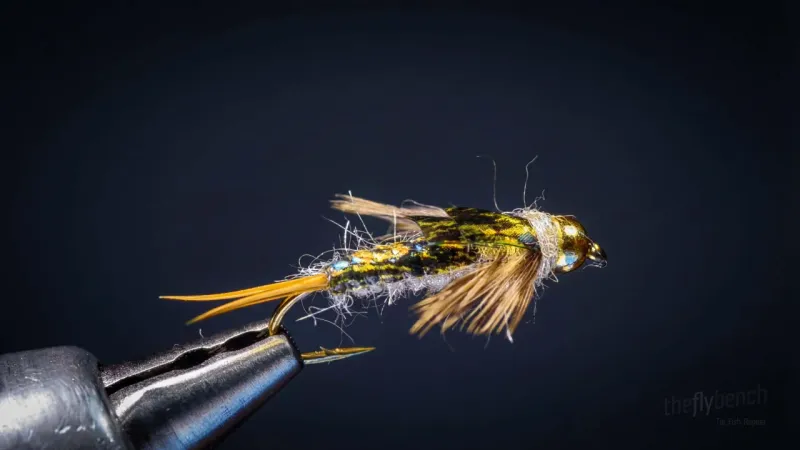
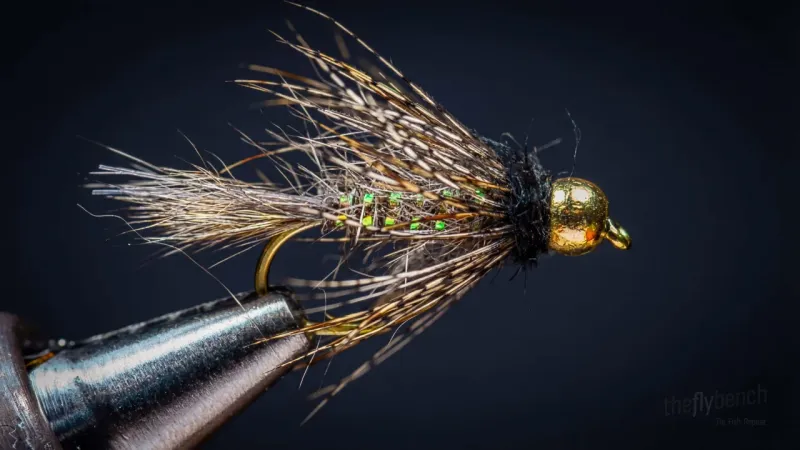
The Simple Nymph is a nymph pattern designed by Gianluca Nocentini. This effective pattern works well in a variety of water conditions and is tied with traditional materials for a proven presentation.
Spring, Summer, Fall
Intermediate
Trout
Feb 2026
Overview
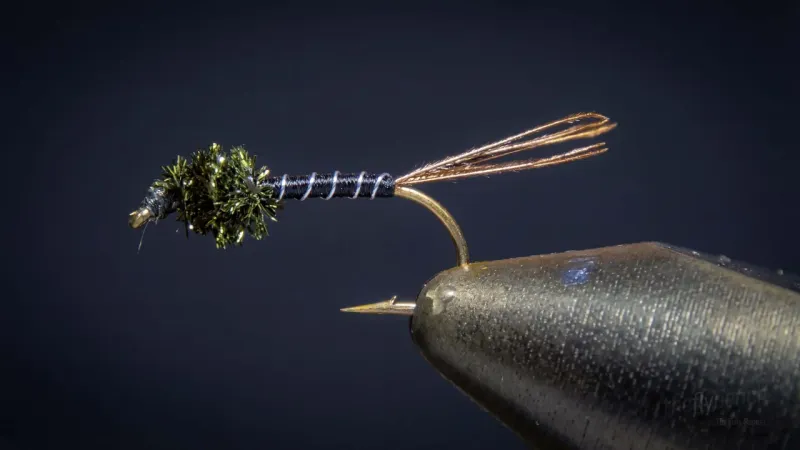
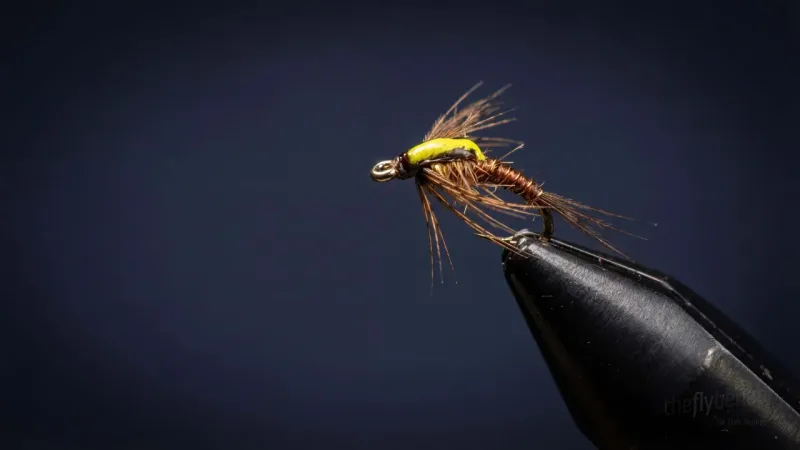
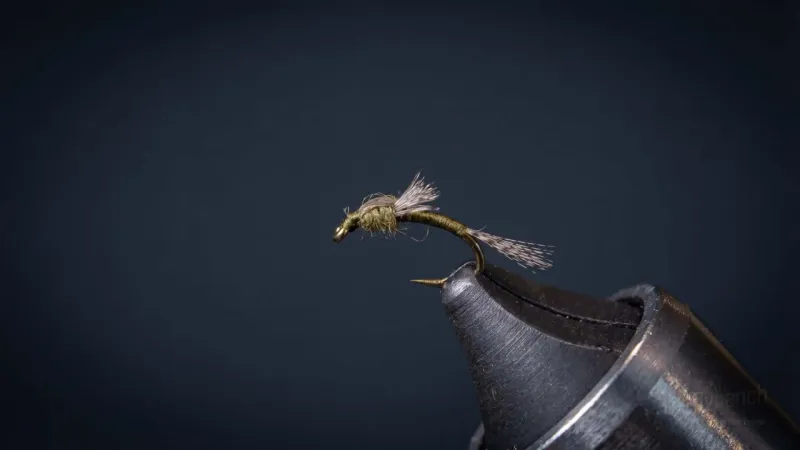
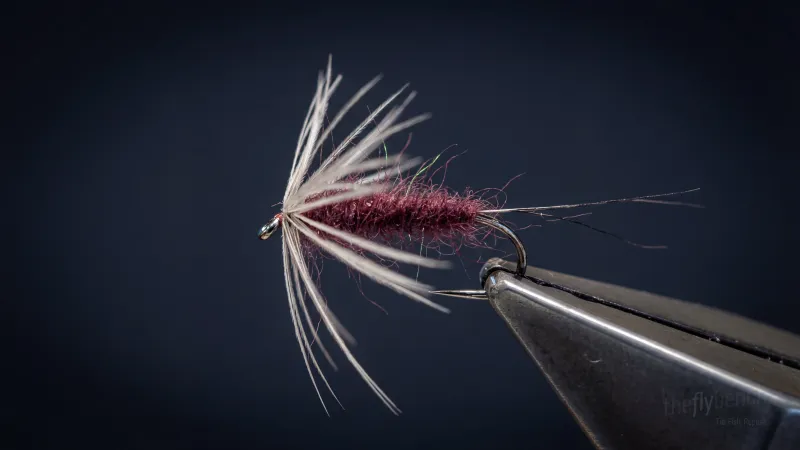
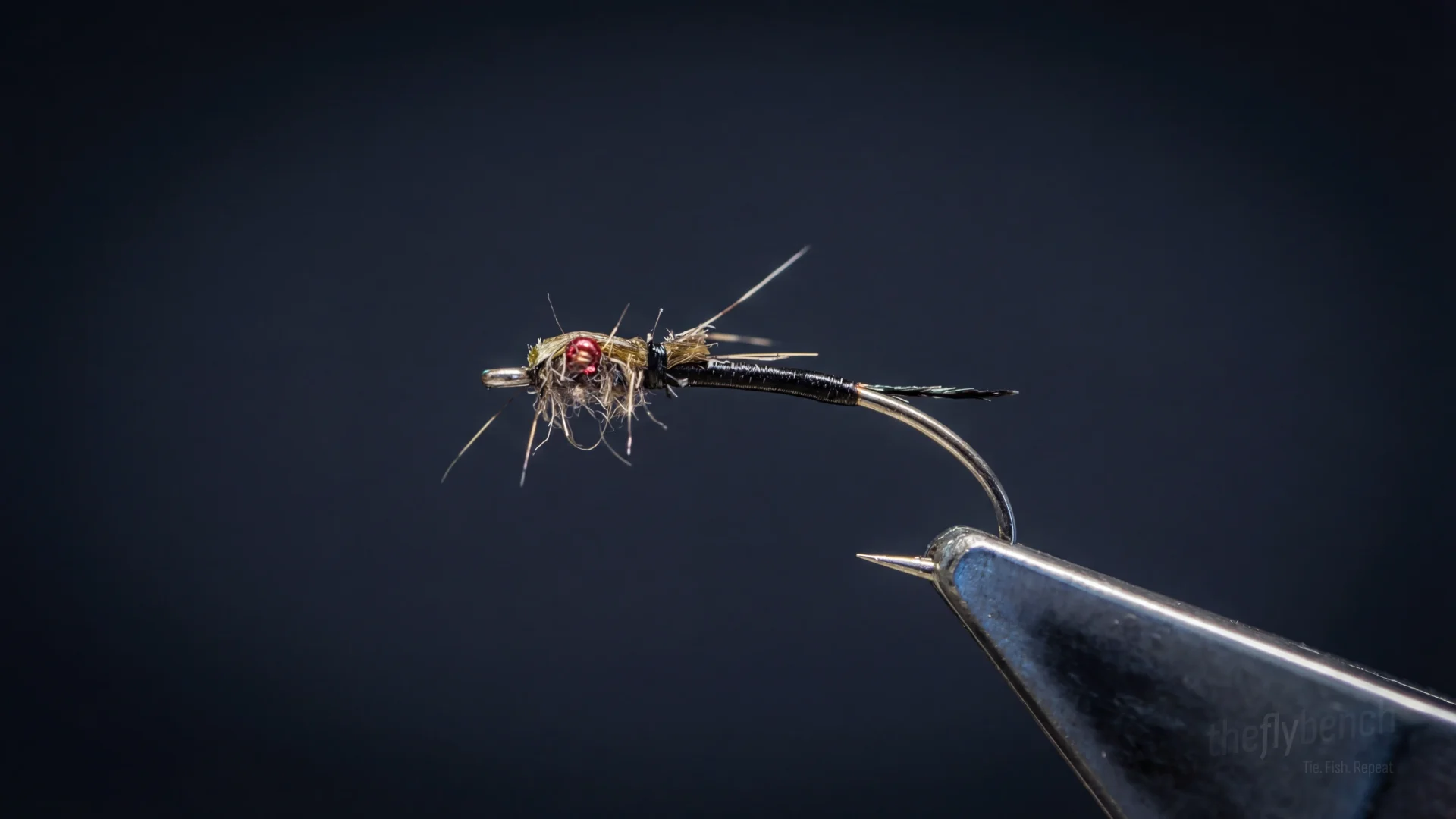
Gianluca Nocentini designed this minimalist pattern to cover a wide range of mayfly nymphs with an efficient, easy-to-tie approach. The slim dubbed body and sparse hackle create a natural swimming profile without excessive bulk. Wire rib adds subtle segmentation and durability. The simple construction allows for quick color changes to match different species. This European-style pattern fishes effectively in both rivers and stillwater when dead-drifted or retrieved slowly.
Where to Buy This Fly
We only link to fly shops we trust. Some links are referral links, which may earn us a commission at no extra cost to you.
Materials
- Hook:
- Umpqua U203 #14, or any longshank curved hook
- Thread:
- Benecchi 12/0, dark brown
- Wingcase:
- Ell skin (alternative: Thin Skin)
- Eyes:
- Melted mono, #15
- Tail:
- Golden Pheasant or Lady Amherst tippet, dyed chestnut - two barbs, tied short and somewhat splayed
- Abdomen:
- Tying thread - coated with thin clear varnish
- Thorax:
- Pine squirrel
Behavior & Presentation
Natural Behavior: Bottom-dwelling nymphs graze substrates for months, periodically losing their grip and drifting helplessly downstream. Anglers fish nymph imitations because these abundant aquatic insects represent reliable protein that fish consume throughout the development period.
Where Trout Eat It: Fish intercept drifting nymphs at mid-depth in feeding lanes throughout freestone streams, tailwaters, and near structure in lakes.
How to Fish It: Dead drift near bottom with natural current speed, maintaining tight line contact for subtle strike detection during helpless tumbling drift.
Best Water: Focus on runs, pockets, channel swings, tail-outs, rocky substrates, and current breaks where current delivers drifting nymphs to feeding stations.
Strike Type: Watch indicator for subtle movements, hesitations, or unnatural pauses. Set immediately on any deviation from natural drift.
Fishing Strategy
Rigging Suggestions: Fish on 9-12 foot leader with 4X-5X tippet. Add weight as needed to achieve proper depth. Can be fished under an indicator or with a tight-line technique.
Seasonal Timing: Effective during peak feeding periods when water temperatures and conditions support active feeding behavior.
Pro Tips: Sinks at a moderate rate depending on hook weight. The natural materials blend well with the aquatic environment.
Entomology
Mayfly nymphs spend months crawling across riverbeds and rocky substrates, grazing on algae and organic matter while using their gills to extract oxygen. Trout consume these abundant aquatic insects as reliable protein sources throughout the nymphal development period.
- Order
- Ephemeroptera
- Common Name
- Mayfly
- Organism Type
- insect
- Life Stage
- nymph