NymphPoison Tung
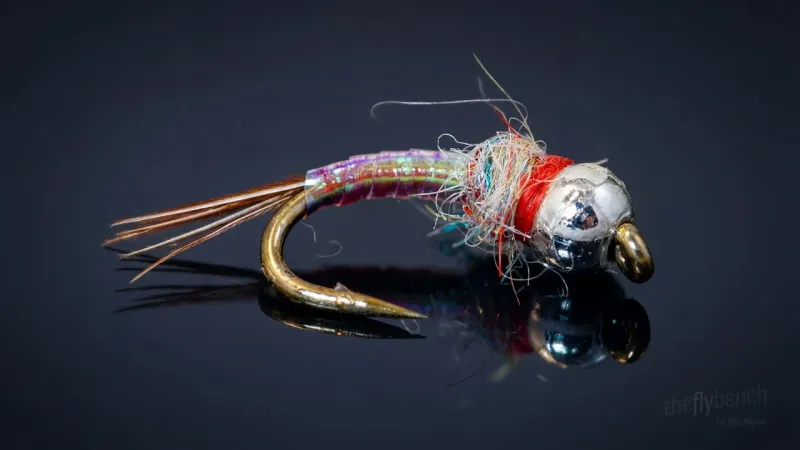
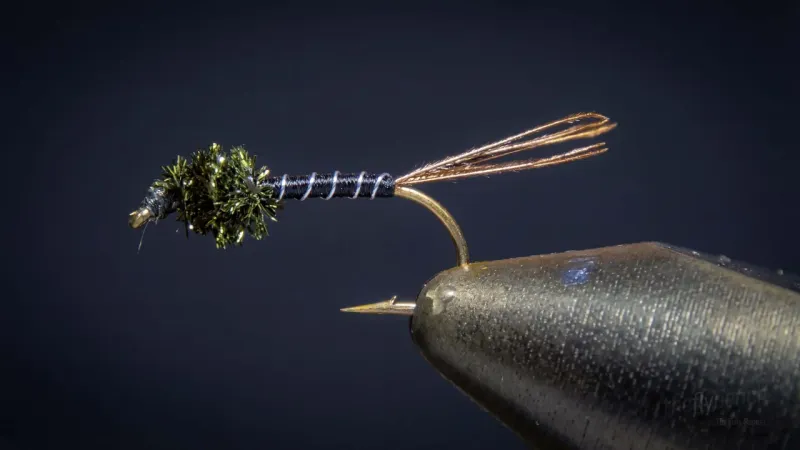
The Poison Tung is an attractive, high-sinking rate fly designed to grab the attention of trout. Its bright coloration and flashy appearance make it an excellent choice in stained or murky waters.
Year Round
Intermediate
Trout
Apr 2025
Overview
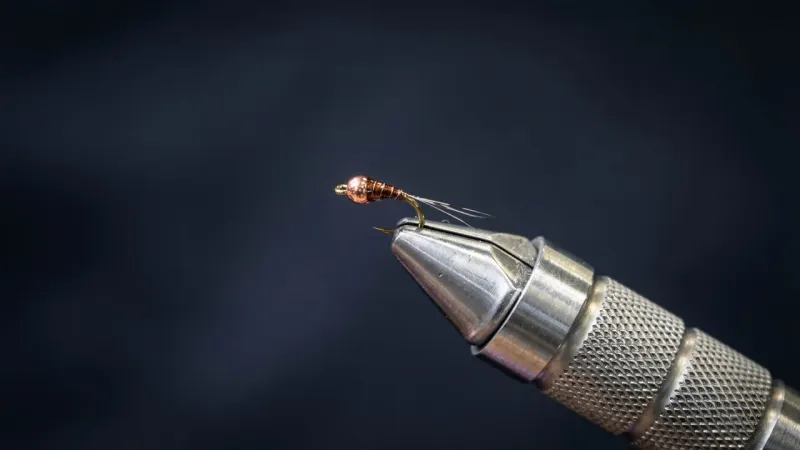
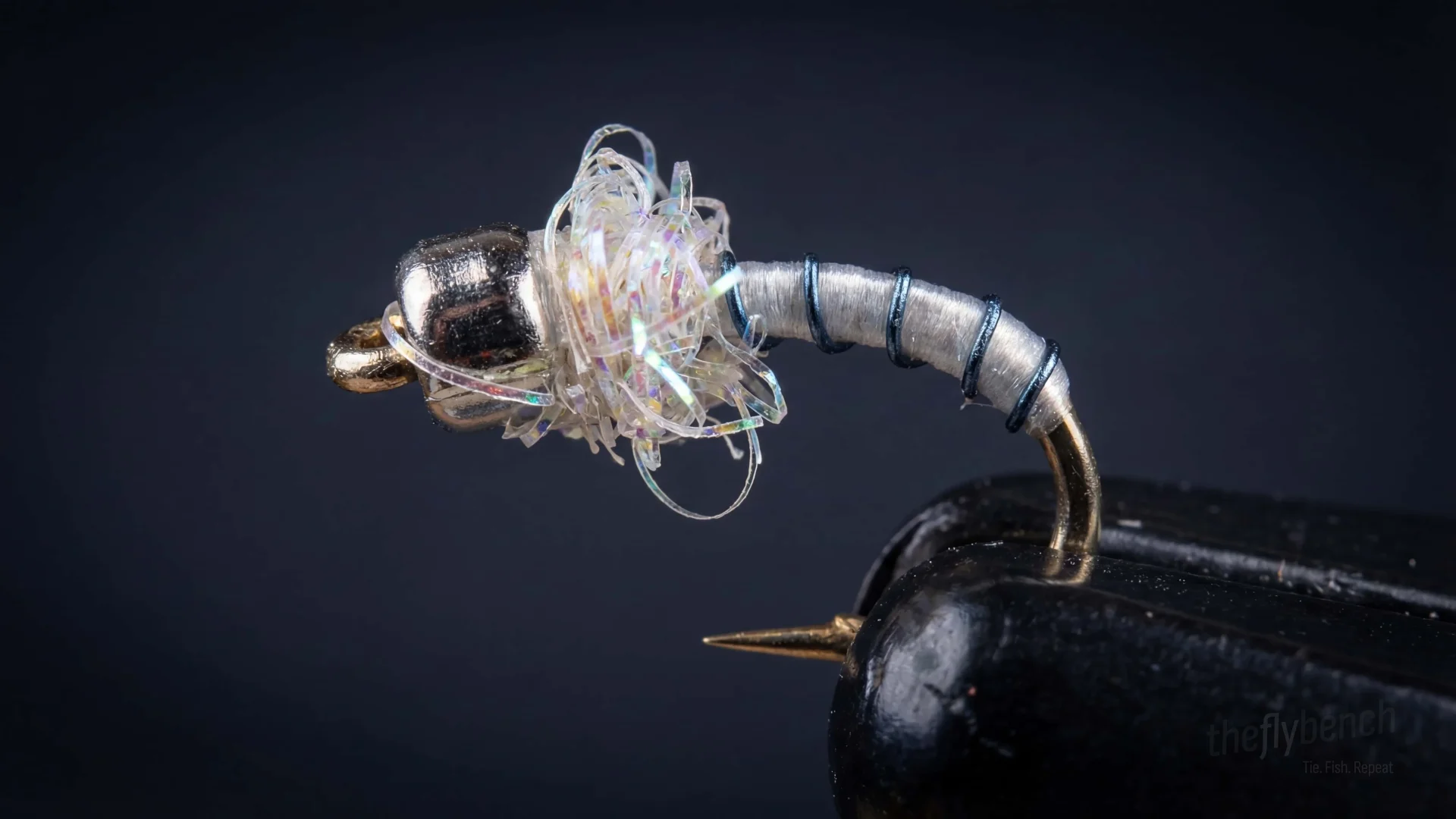
A tungsten-headed midge or mayfly nymph with a slim profile and hot spot behind the bead. The body is usually thread or dubbing ribbed with wire, with a small tail and often a flashback wingcase. Designed to get down fast.
Where to Buy This Fly
We only link to fly shops we trust. Some links are referral links, which may earn us a commission at no extra cost to you.
Materials
- Hook:
- TMC 2487 or 2488, size #16–#20
- Bead:
- 2mm Silver Tungsten Bead
- Thread:
- Uni-thread, Gray
- Rib:
- Blue Lagartun or UTC Wire, Small
- Body:
- Tying Thread
- Head:
- Ice Dub, UV Gray or Lavender
Behavior & Presentation
Natural Behavior: Small aquatic nymphs and emerging insects drift through the water column, tumbling helplessly when dislodged from substrate or while migrating toward emergence sites. The compact, heavily weighted profile imitates various vulnerable prey items bouncing along bottom structure.
Where Trout Eat It: Trout feed opportunistically in the lower water column along runs and pocket water, targeting small drifting organisms in fast-sinking presentations.
How to Fish It: Fish with Euro nymphing techniques, using the heavy tungsten bead to achieve rapid depth and natural tumbling movement through feeding zones.
Best Water: Target runs and seams in tailwaters and freestone streams, focusing on current breaks where drifting organisms funnel through deep feeding lanes.
Strike Type: Detect subtle takes through line movement or brief tension as trout intercept the fast-sinking profile.
Fishing Strategy
Rigging Suggestions: Use in a tandem nymph rig with a more natural pattern, or as an attractor in a multiple-fly setup.
Seasonal Timing: Effective year-round, but particularly useful in stained water conditions during runoff season.
Pro Tips: This fly sinks quickly due to its tungsten bead. Its bright color and shiny thorax make it highly visible in various water conditions.
Entomology
Mayfly nymphs tumble along gravel and cobble substrates after losing their foothold in swift riffles, their bodies bouncing and rolling unpredictably as current sweeps them downstream. Trout position themselves strategically below productive drift zones to intercept these helpless nymphs, capitalizing on their vulnerability and the predictable nature of current-driven food delivery.
- Order
- Ephemeroptera
- Common Name
- Mayfly
- Organism Type
- insect
- Life Stage
- general