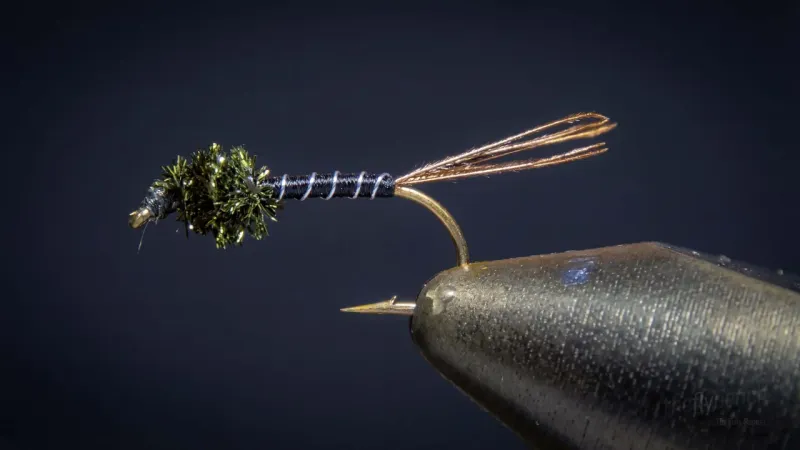
NymphPurple Back Baetis
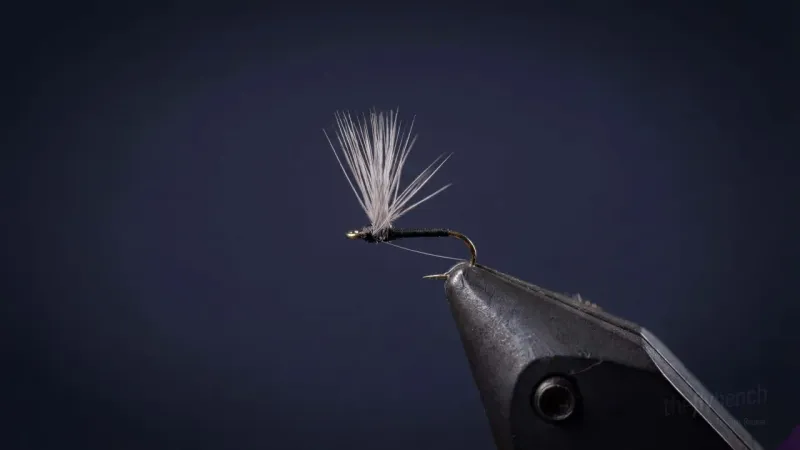
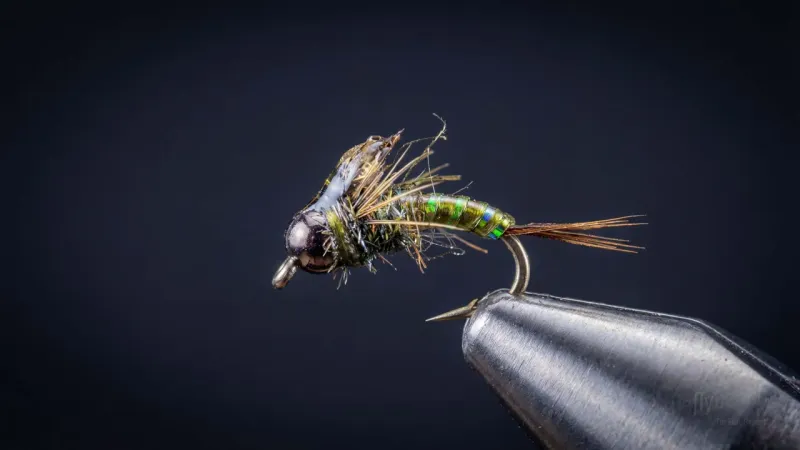
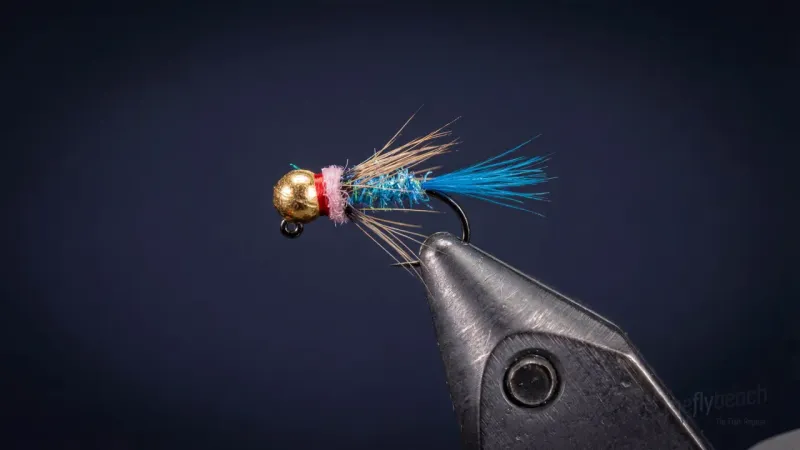
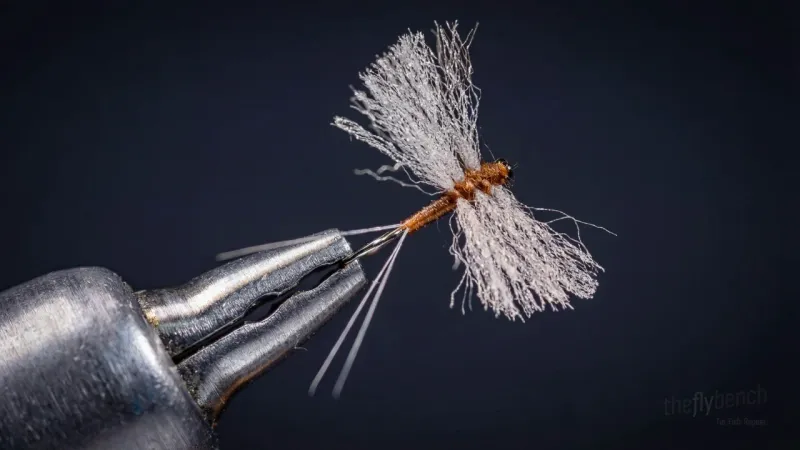
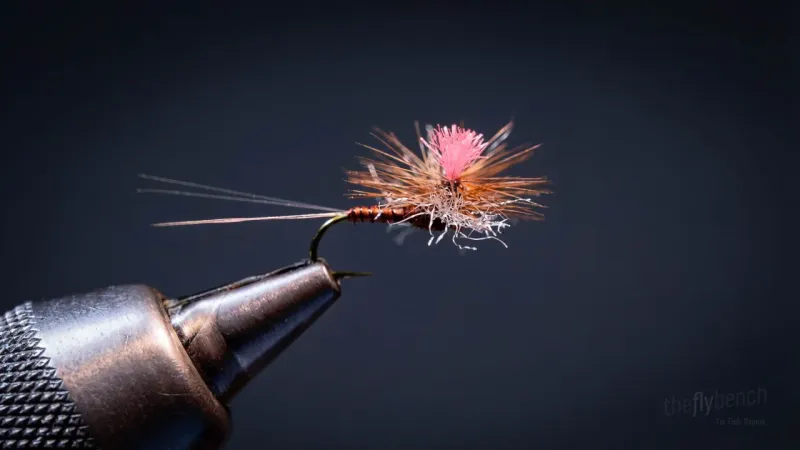
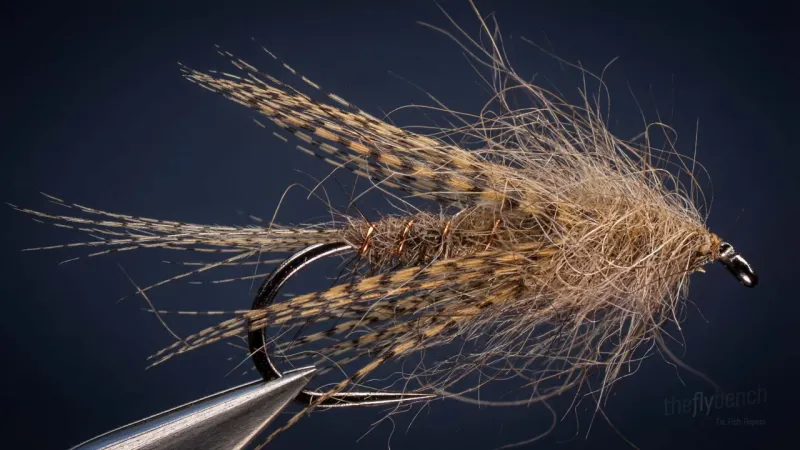
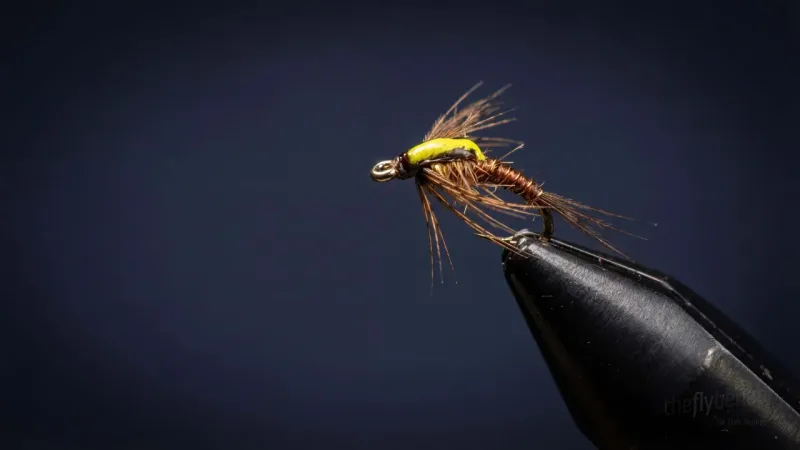
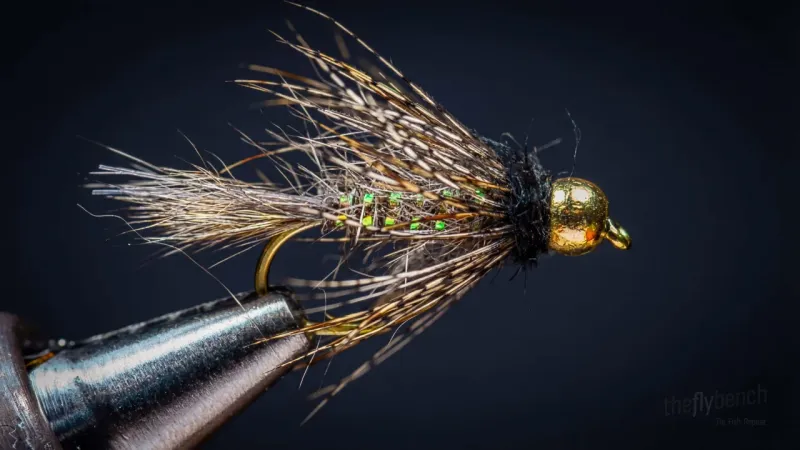
The Purple Back Baetis is an effective variation of the classic Baetis nymph pattern. Its distinctive purple back sets it apart and can trigger aggressive strikes from trout, particularly during Baetis hatches.
Spring, Fall
Intermediate
Trout
Apr 2025
Overview
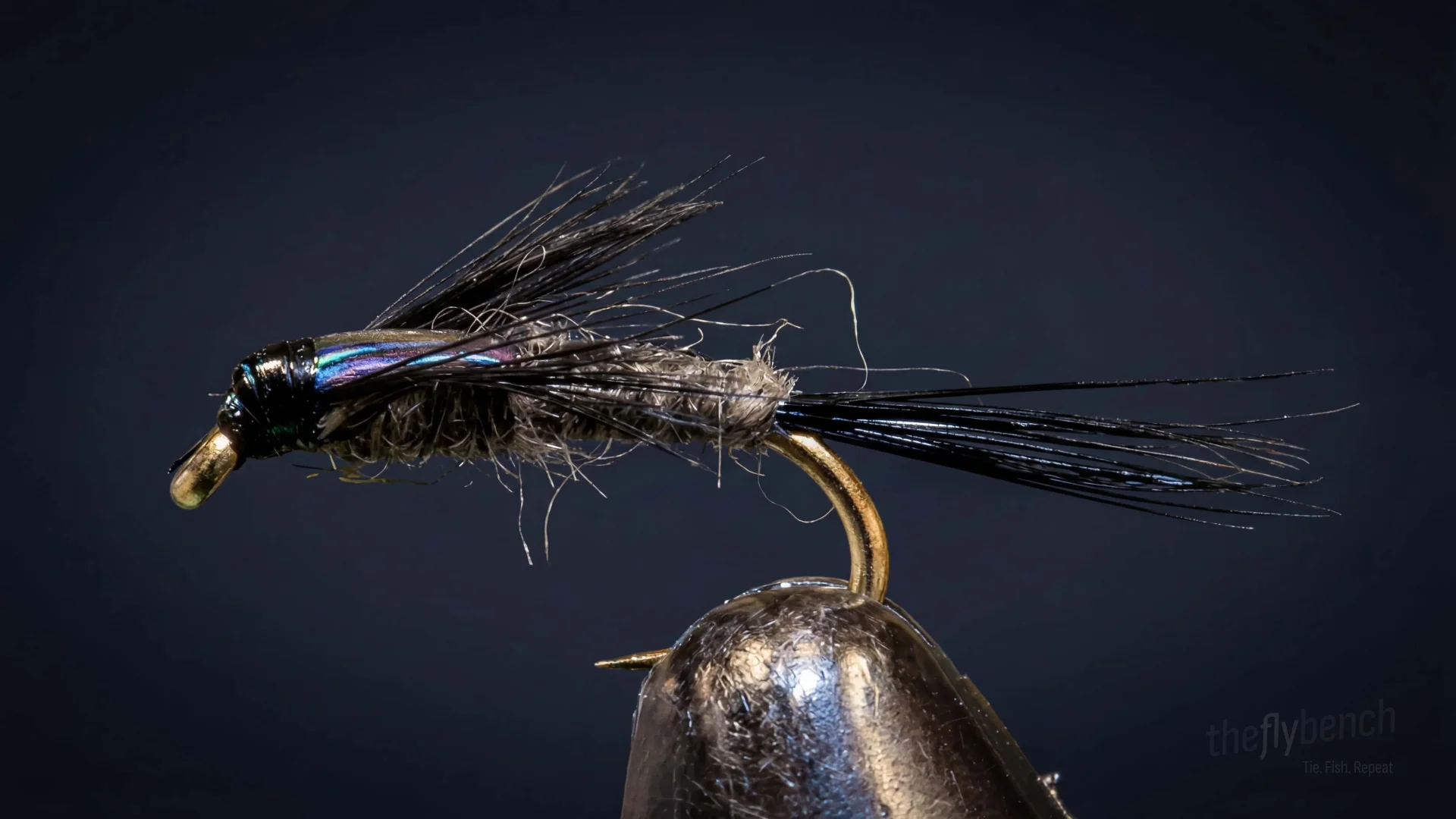
A modern baetis imitation tied with a slim purple or UV-dubbed back, natural or synthetic body, and sparse tail. A small wingcase or thorax flash may be included, and a tungsten bead gets it down fast. Excellent for selective trout in clear water.
Where to Buy This Fly
We only link to fly shops we trust. Some links are referral links, which may earn us a commission at no extra cost to you.
Materials
- Hook:
- #16-20 Tiemco 100
- Thread:
- Black UTC 70
- Tail:
- Black Hackle Fibers
- Body:
- Grey Superfine Dubbing
- Casing:
- Large Pearlescent Tinsel
- Thorax:
- Purple or Brown Ice Dub
- Legs:
- Black Hackle Fibers
Behavior & Presentation
Natural Behavior: Baetis mayfly nymphs exhibit characteristic swimming using rapid abdominal undulations, alternating between clinging to substrate and drifting when displaced. The purple wingcase flashes as nymphs migrate toward emergence zones, triggering strikes from selective feeders.
Where Trout Eat It: Bottom in smooth runs, tail-outs, and soft pockets over rocky substrate. Fish hold in feeding lanes where emerging mayflies drift before reaching surface.
How to Fish It: Fish near bottom using dead drift through runs and tail-outs. Tungsten bead keeps fly in feeding zone where fish intercept ascending nymphs.
Best Water: Runs, tail-outs, soft pockets, and seams where current delivers drifting nymphs. Target smooth water over cobblestone substrate.
Strike Type: Selective feeders produce delicate takes shown by slight indicator twitches or micro-pauses in the drift. Set on tiny hesitations as fish sip the small profile from their feeding lane.
Fishing Strategy
Rigging Suggestions: Use 5X-6X fluorocarbon tippet with 9-12 foot leaders. Fish as a point fly in a Euro nymphing rig or as a dropper 18-24 inches below a dry fly during emergences. Match leader length to water depth.
Seasonal Timing: Most productive during (March-May) and (September-November) when Baetis mayflies are actively hatching. Peak effectiveness occurs on overcast, drizzly days with moderate air temperatures (45-60°F) when multiple Baetis emergences happen throughout the day.
Pro Tips: The purple wingcase provides a flash of color that triggers strikes from selective feeders. Sizes 16-20 match common Baetis species. The slim profile drifts naturally in moderate currents.
Entomology
Baetis mayfly nymphs exhibit characteristic swimming behavior using rapid undulations of their abdomens, alternating between clinging to substrate and drifting downstream when displaced by current velocity. Trout recognize the unique swimming motion and dark dorsal coloration of these nymphs, feeding on them preferentially during baetis hatches when nymphs migrate toward shallower emergence zones.
- Order
- Ephemeroptera
- Family
- Baetidae
- Common Name
- Baetis
- Organism Type
- insect
- Life Stage
- general