Euro NymphsReverse Perdigon
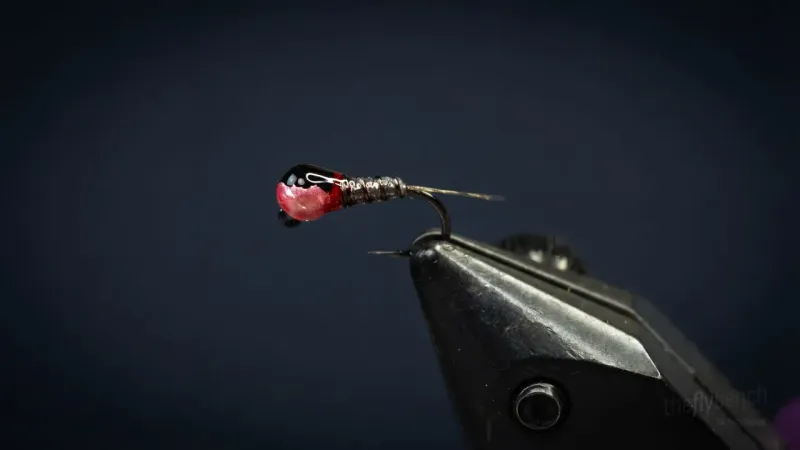
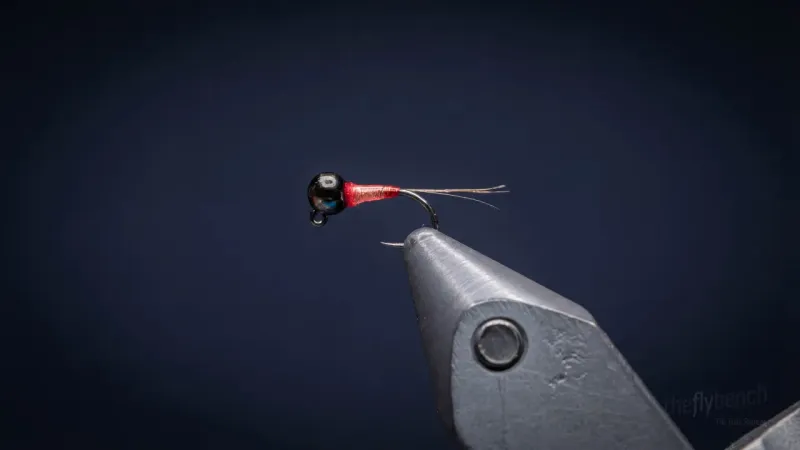
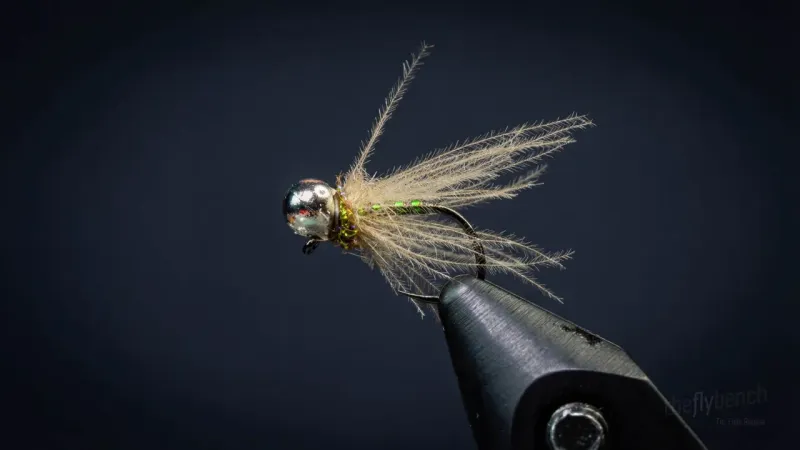
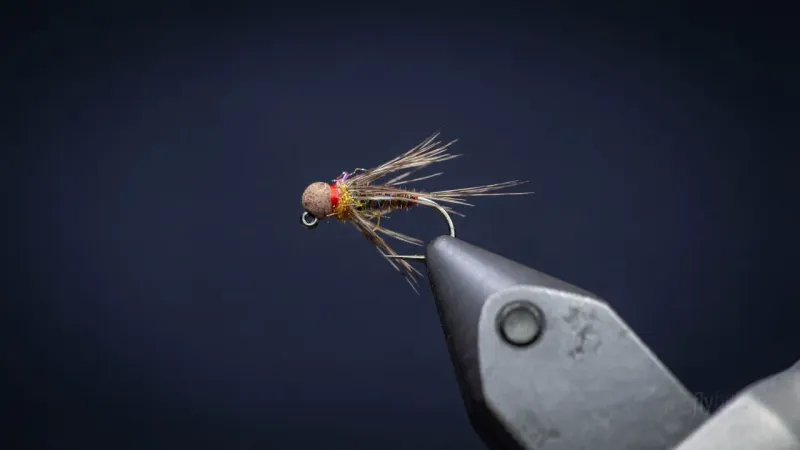
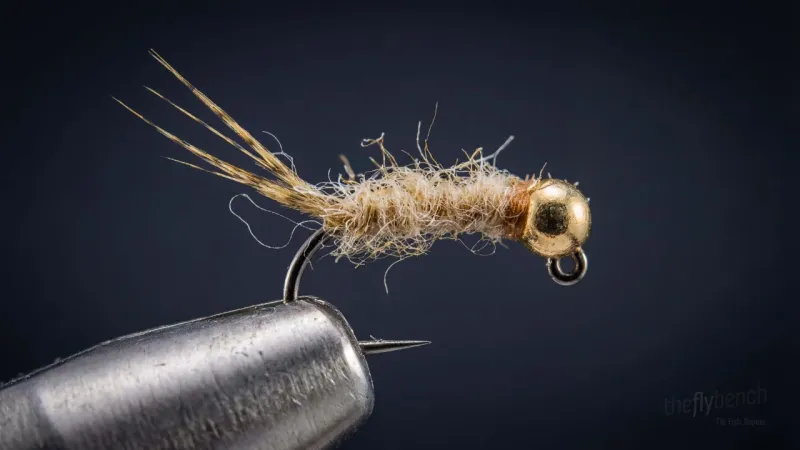
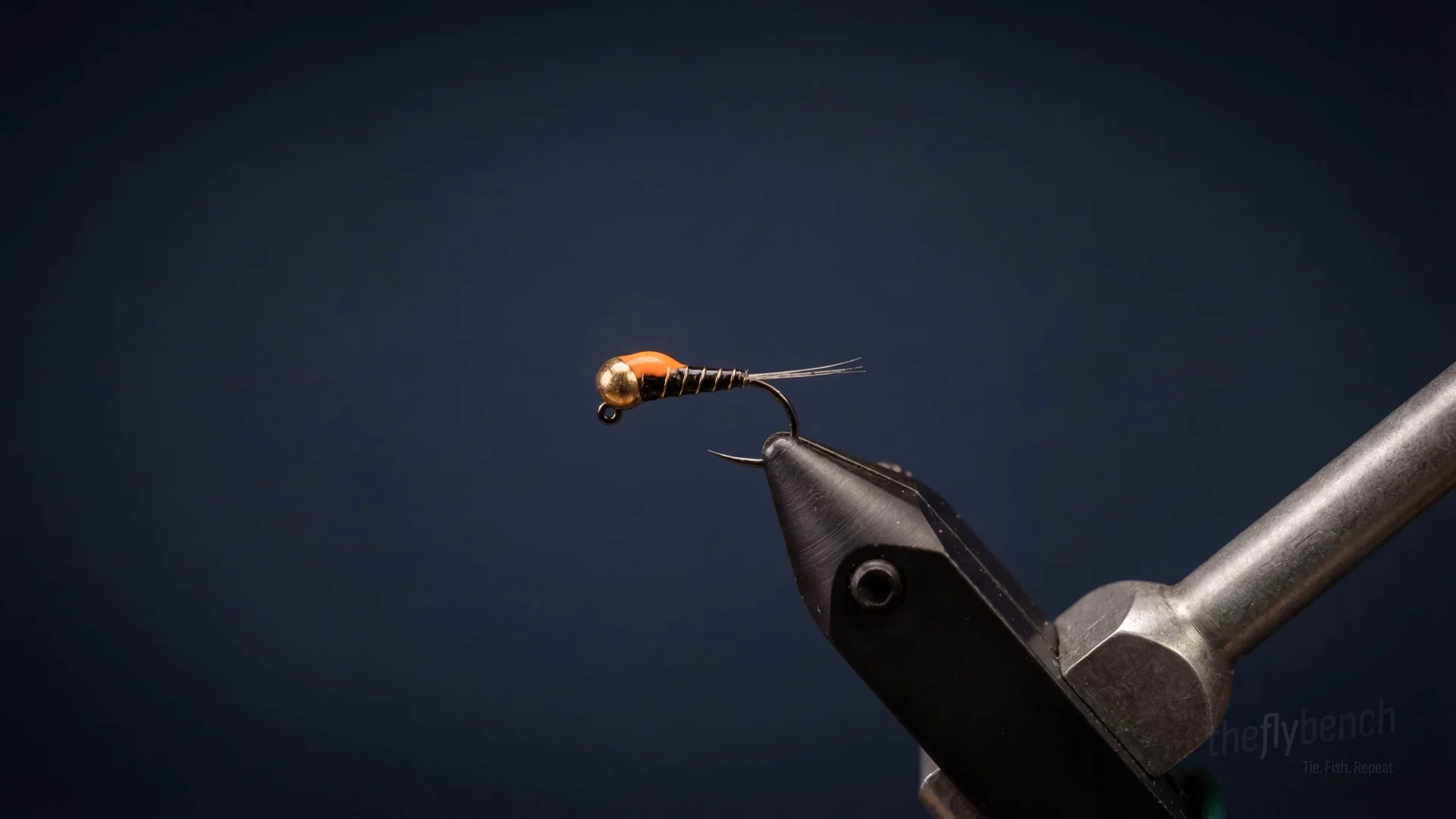
The Reverse Perdigon is an innovative euro nymph variation that places the hot spot at the rear instead of the front, creating a unique trigger point. The Hends body quill creates a realistic segmented appearance while the UV resin coating provides exceptional durability and a fast sink rate. An effective competition pattern that excels in technical presentations.
Year Round
Intermediate
Trout
Dec 2025
Overview
Developed by Fly Fish Food, this pattern reverses the traditional perdigon design by positioning the attracting color at the tail rather than the thorax. The dark violet tungsten bead combined with the rear hot spot creates an unusual profile that triggers strikes from selective trout. The UV resin coating not only adds durability but also creates a smooth, glass-like finish that enhances the sink rate. This pattern gained popularity in competitive fly fishing circles for its effectiveness in pressured waters where fish see traditional perdigon patterns frequently.
Materials
Hook: Fulling Mill 5045 Jig Force Barbless, size #16
Bead: Hanak Metallic+ Slotted Tungsten, dark violet, 2.8mm
Thread: Semperfli Classic Waxed Thread 12/0, black
Tail: Whiting Coq De Leon Euro Nymph Tailing Pack
Body: Hends Body Quill, olive
Thorax: Ice Dub - Peacock
Coating: Solarez Bone Dry UV Resin
Behavior & Presentation
Natural Behavior: Pre-emergent nymphs develop gas bubbles beneath their cuticle, changing buoyancy and triggering increased drift activity before surface ascent.
Where Trout Eat It: Fish hold in feeding lanes 2-6 feet deep, targeting nymphs drifting mid-column before emergence in pocket water and channel swings.
How to Fish It: High-stick euro presentation maintains tight contact. Slim profile and heavy bead cut through current, reaching feeding depth quickly.
Best Water: Target seams where drift concentrates, pocket water with complex flows, and riffle edges where pre-emergent nymphs enter feeding zones.
Strike Type: Tick or subtle pause in sighter. Streamlined profile provides excellent strike detection through tight-line contact.
Fishing Strategy
Rigging Suggestions: 9-12ft euro leader with 5X-6X fluorocarbon. Use as point fly in two-fly euro rig with lighter nymph as dropper. No indicator needed. Position 12-18 inches above smaller pattern like Frenchie or jig nymph. Add micro split shot if needed in deep or fast water.
Seasonal Timing: Year Round effectiveness, particularly productive during spring and fall Baetis hatches (March-May, September-November). Also works well in winter when trout feed selectively on smaller nymphs. Ideal when fish have seen traditional perdigon patterns because reversed hot spot provides different trigger point.
Pro Tips: Sinks extremely fast due to tungsten bead and UV resin coating. Slim, streamlined profile cuts through current with minimal resistance for excellent contact. Dark violet bead provides some visibility in clear water. UV resin coating creates durable, glass-like finish catching light underwater.
Entomology
Mayfly nymphs approaching emergence develop gas bubbles beneath their cuticle that provide initial buoyancy for the surface ascent, visibly changing their appearance and buoyancy characteristics. This pre-emergence physiological state coincides with increased restlessness and drift activity, creating a concentrated feeding opportunity before the actual hatch begins. Trout often feed most aggressively on these pre-emergent nymphs rather than on fully emerged adults, capitalizing on the insects while they are still subsurface and more accessible.
- Order
- Ephemeroptera
- Common Name
- Mayfly
- Organism Type
- insect
- Life Stage
- nymph