NymphSloan's Mighty Mite Baetis
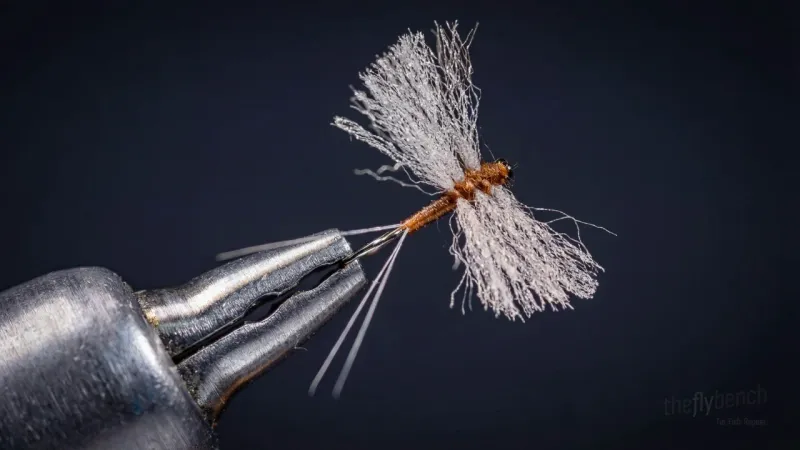
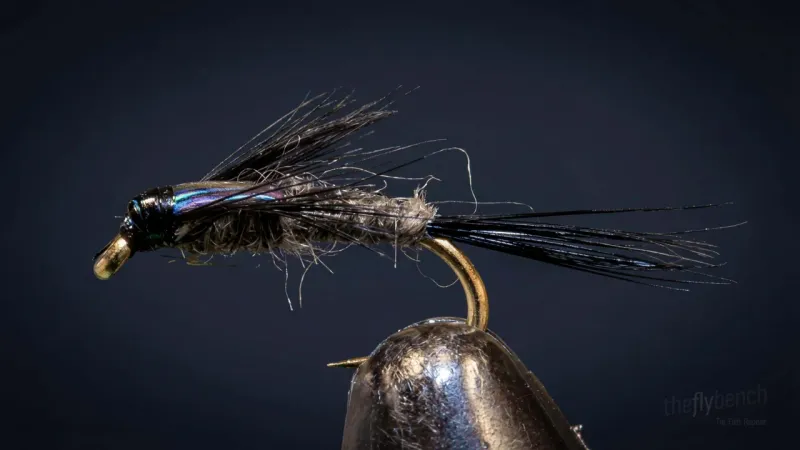
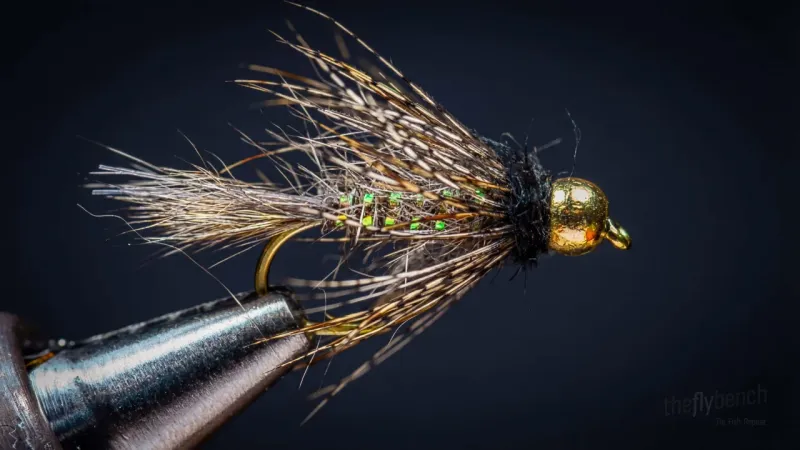
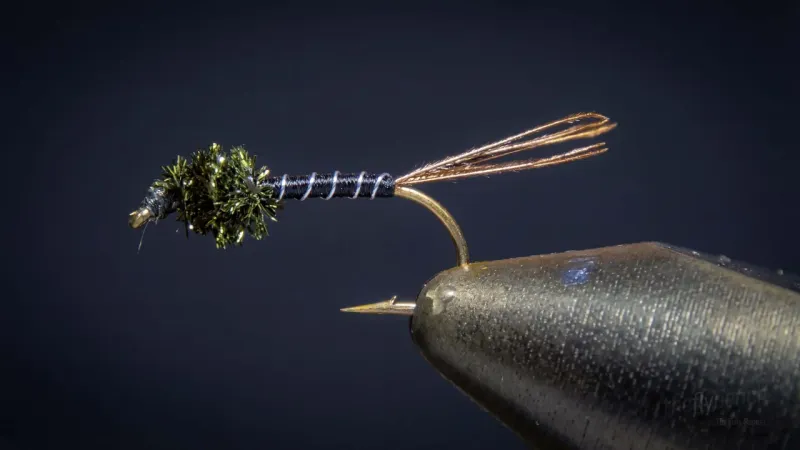
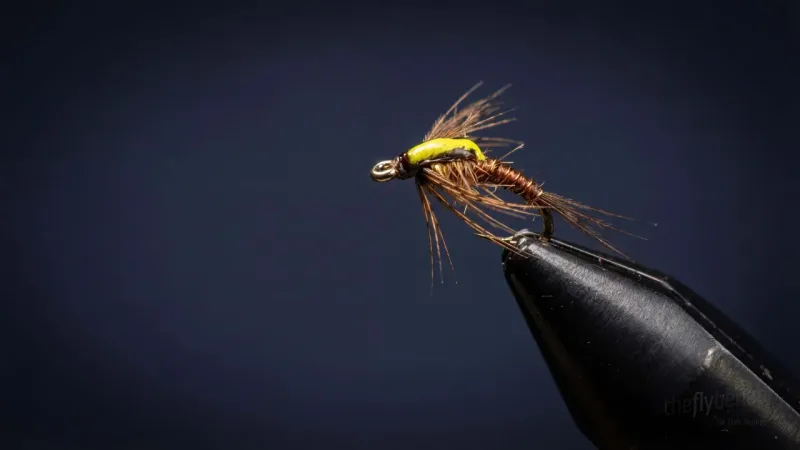
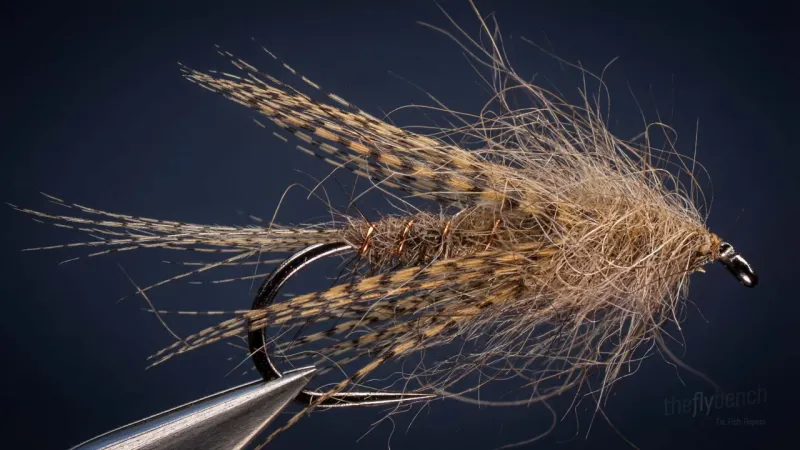
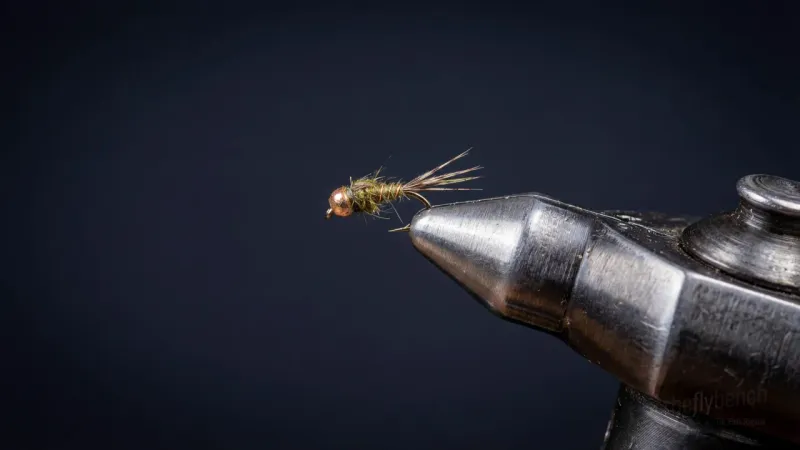
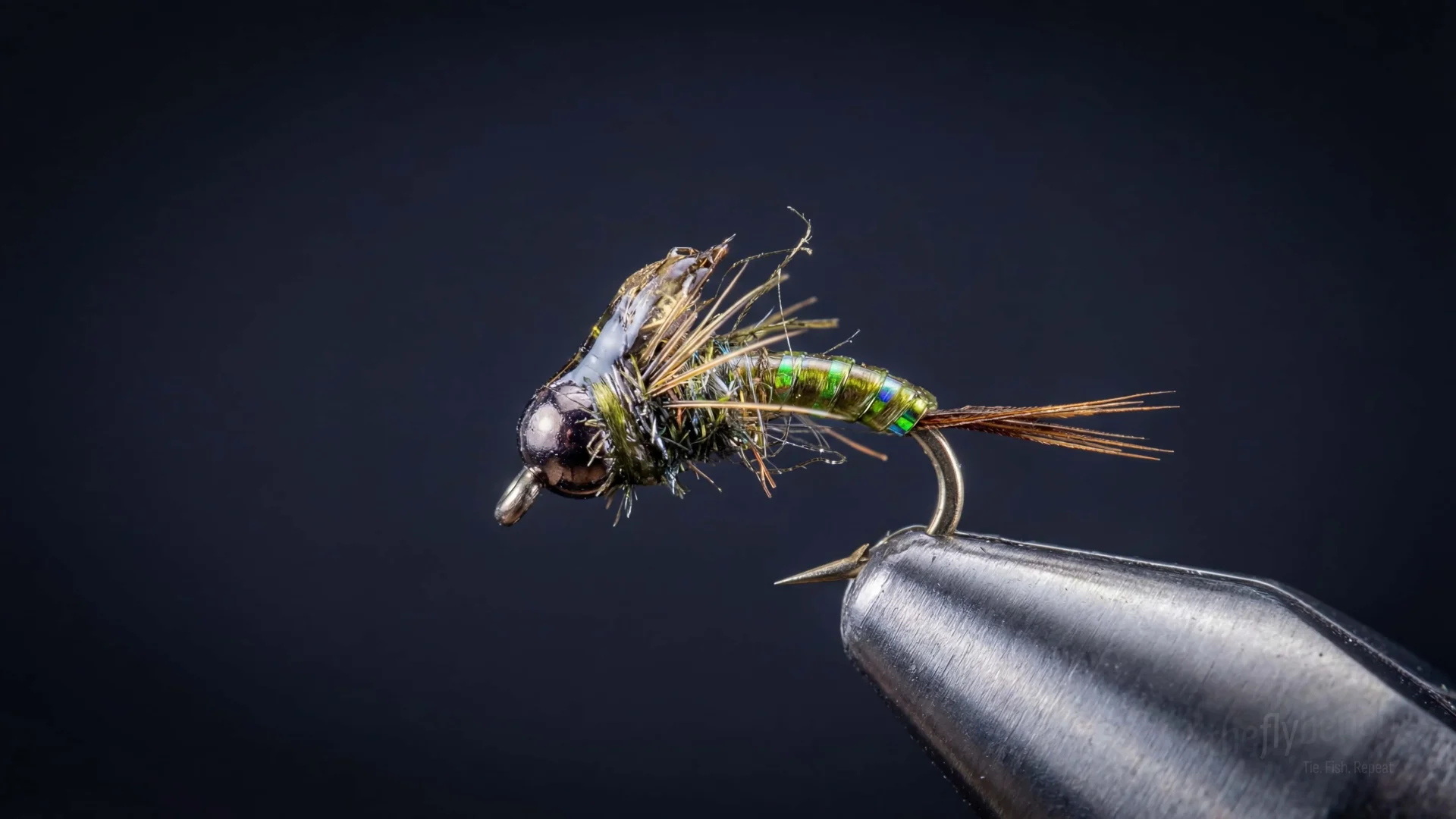
Modern micro mayfly nymph for imitating various stages of the Baetis lifecycle. Slender profile and realistic segmentation make it a favorite among many anglers. Features slim, tapered body using thread or wire, UV hotspot collar, and tungsten bead on barbless jig hooks. Excels in pressured water when fish are keyed in on tiny mayflies.
Spring, Fall
Advanced
Trout
Apr 2025
Overview
Modern micro Baetis nymph developed in the 2000s with a slim, tapered body using thread or wire, a UV hotspot collar, and a tungsten bead. Often tied on barbless jig hooks for Euro nymphing, and it excels in pressured water when fish are keyed in on tiny mayflies. The UV resin-coated wingcase adds a realistic shine that can catch a trout's eye in clear water conditions. Most effective in sizes #18-22 to match small Baetis nymphs.
Materials
Hook: #16-20 Tiemco 2487
Bead: Brass Bead
Thread: Olive UTC 70
Tail: Pheasant Tail
Back: Pearlescent Tinsel
Body: Olive Small D-Rib
Thorax: Peacock Herl
Casing: Black Thinskin
Legs: Black Krystal Flash
Behavior & Presentation
Natural Behavior: Tiny baetis nymphs graze algae on cobblestones in shallow riffles, periodically releasing into drift during migration toward emergence zones. Fish position in feeding lanes to intercept these protein-rich morsels as they tumble helplessly downstream.
Where Trout Eat It: Bottom in riffles, runs, and tail-outs where baetis nymphs concentrate over rocky substrate. Fish hold tight to streambed during hatches.
How to Fish It: Dead drift on bottom using indicator or Euro nymphing. High-stick through likely water, maintaining contact as the tungsten bead carries the fly into feeding zones.
Best Water: Riffles, runs, tail-outs, and seams where current delivers drifting nymphs over cobblestone substrate. Target current breaks and pocket water.
Strike Type: Indicator signals strikes through sharp dips or sideways twitches as fish inhale the tiny pattern. Tight-line methods reveal strikes as taps transmitted through the rod tip or sudden loss of weight.
Fishing Strategy
Rigging Suggestions: Can be fished alone or as part of a multi-fly rig. Consider pairing with a larger attractor nymph 18-24 inches above. Use 5X-6X fluorocarbon tippet.
Seasonal Timing: Most productive March-May and September-November during Baetis hatches. Water temperatures between 45-60°F trigger peak Baetis activity.
Pro Tips: This fly is designed to sink quickly to the feeding zone. The UV resin-coated wingcase adds a realistic shine that can catch a trout's eye in clear water conditions. The tungsten bead provides quick sink rate.
Entomology
Tiny Baetis nymphs graze on algae-covered rocks in shallow riffles and runs, their small size allowing them to colonize diverse microhabitats within the stream ecosystem. Despite their diminutive dimensions, fish target these nymphs intensively during Baetis hatches because massive numbers compensate for individual size, creating efficient feeding opportunities through volume rather than individual prey value.
- Order
- Ephemeroptera
- Family
- Baetidae
- Common Name
- Baetis
- Organism Type
- insect
- Life Stage
- general