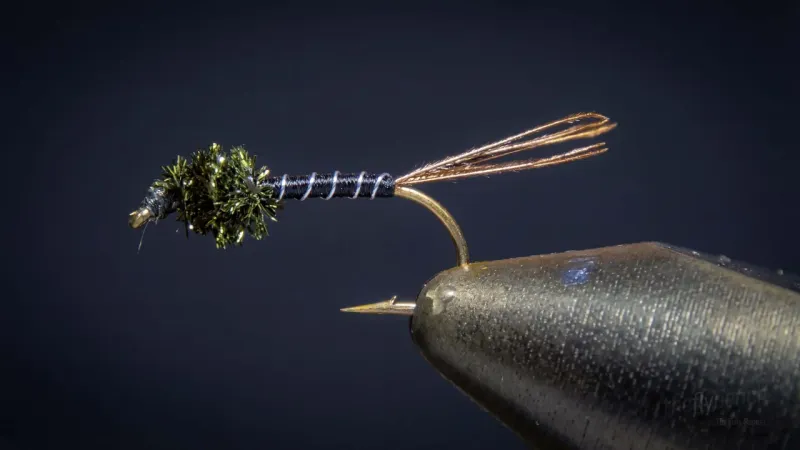
NymphRainbow Warrior
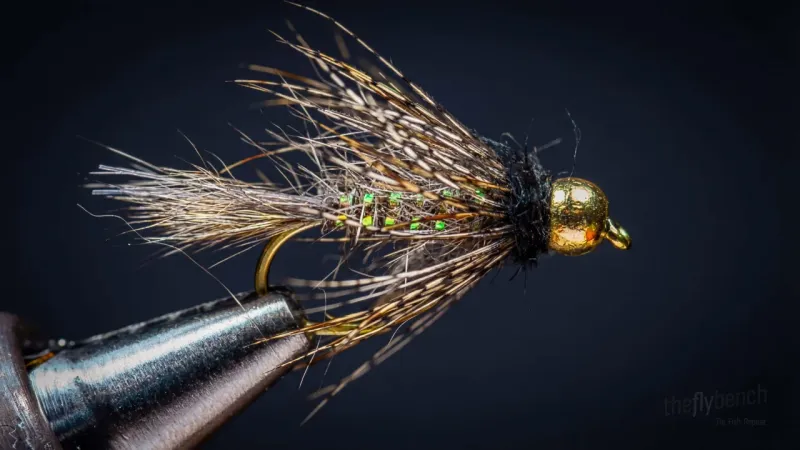
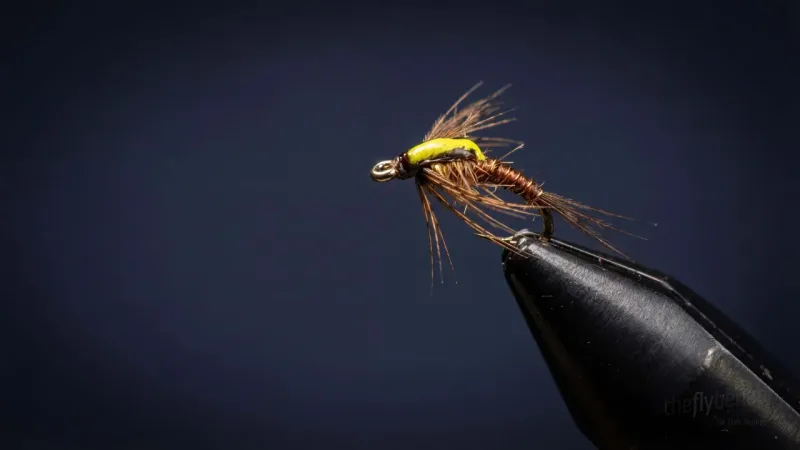
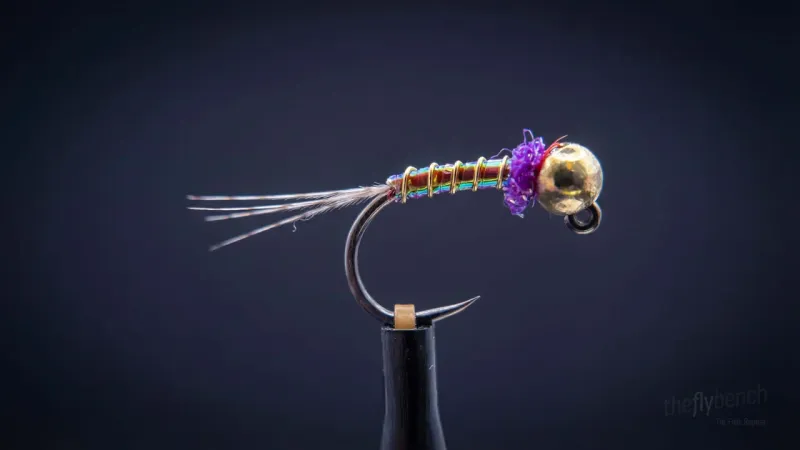
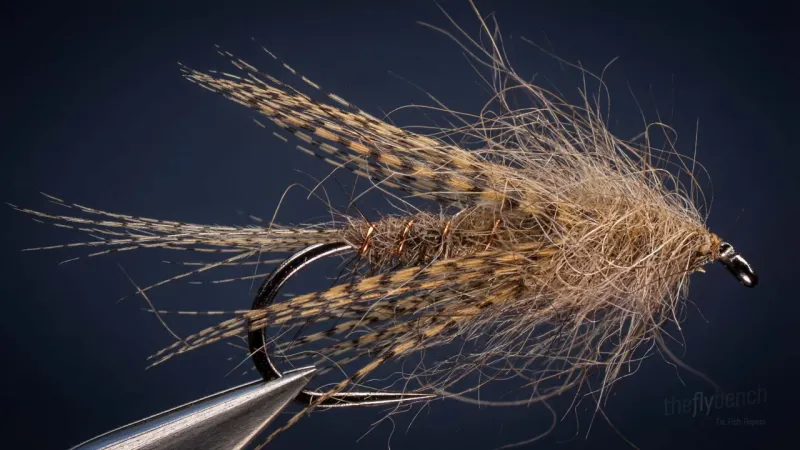
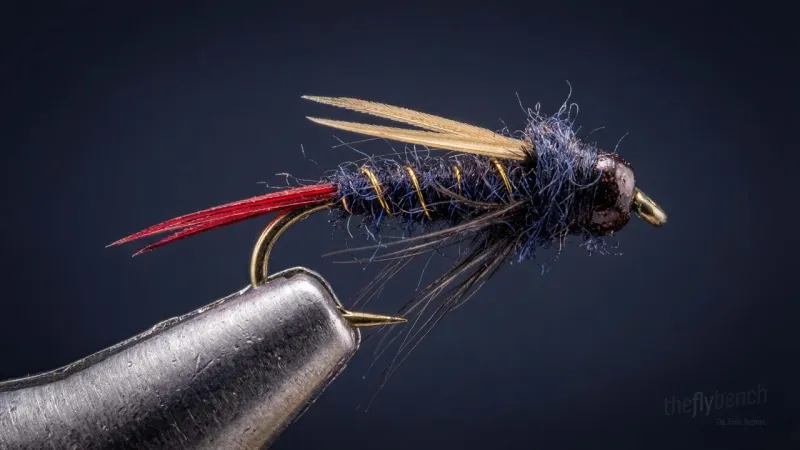
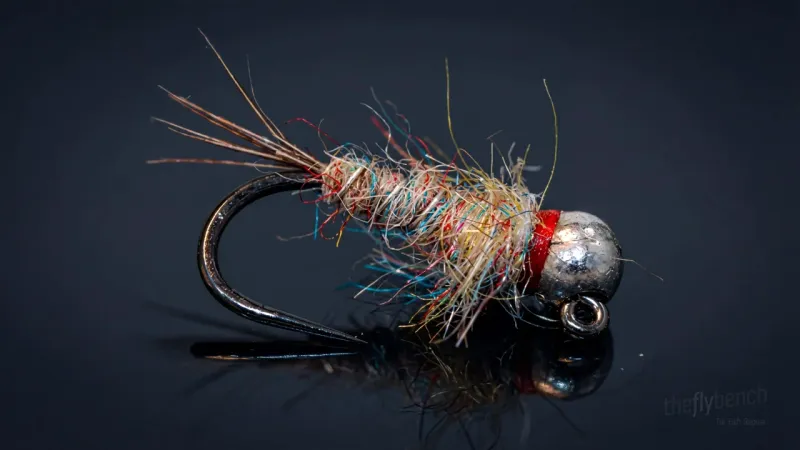
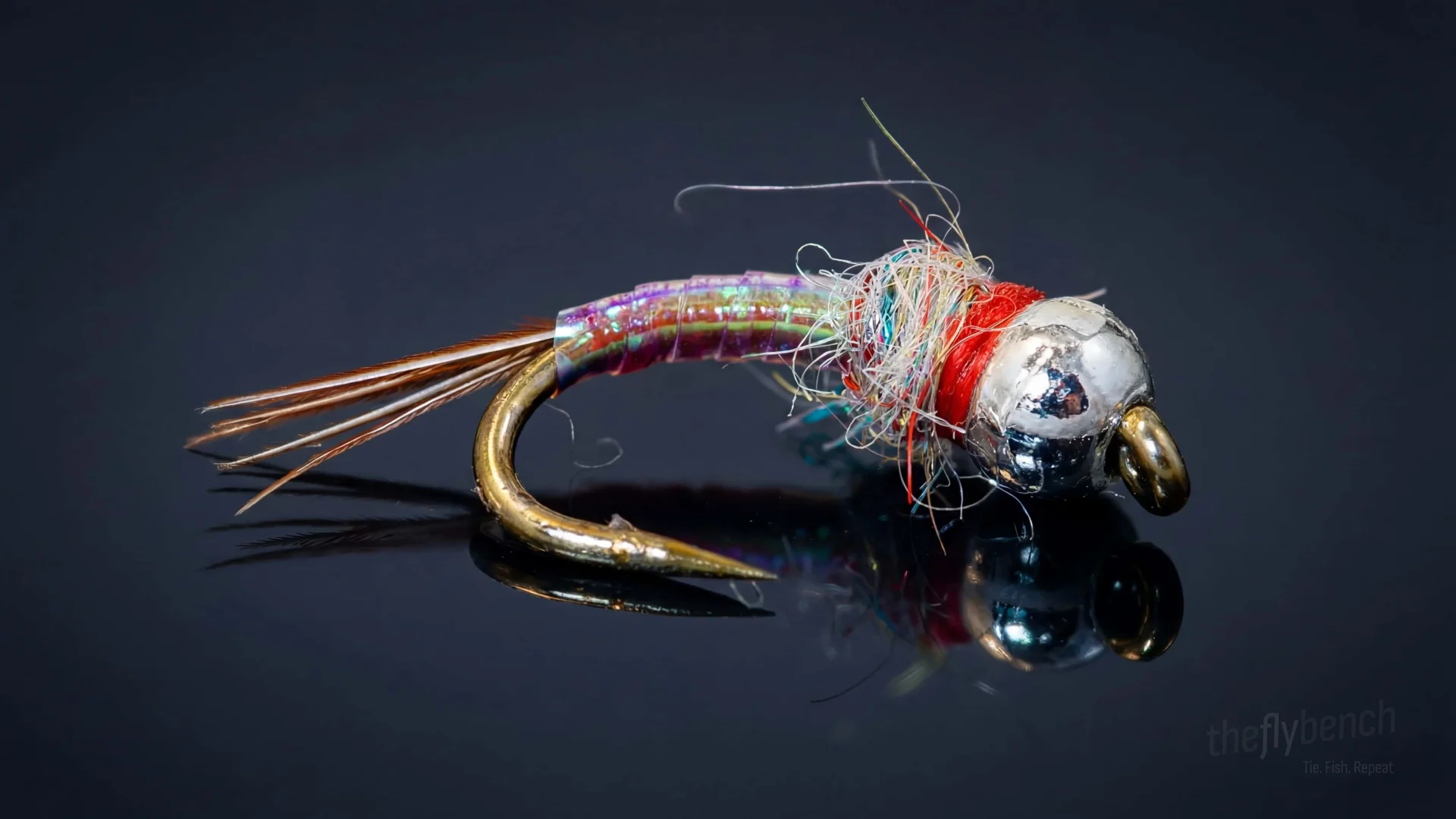
The Rainbow Warrior is a flashy nymph pattern that is sure to attract the attention of trout in any water condition. The combination of a tungsten bead, flashy body, and pheasant tail fibers make it irresistible to fish.
Year Round
Intermediate
Trout
Apr 2025
Overview
The Rainbow Warrior is a flashy attractor nymph that comes in a variety of color and material combinations, often featuring red, pink, or pearl bodies with contrasting collars. Tiers experiment with different dubbing blends, bead colors (like silver, gold, or pink), and ribbing to fine-tune its visibility and effectiveness in different water conditions.
Where to Buy This Fly
We only link to fly shops we trust. Some links are referral links, which may earn us a commission at no extra cost to you.
Materials
- Hook:
- Tiemco 3761, size #16–#22
- Bead:
- Silver tungsten bead
- Thread:
- Red 8/0 UNI-Thread
- Tail:
- Pheasant tail fibers
- Abdomen:
- Pearl tinsel
- Thorax:
- Rainbow dubbing
Behavior & Presentation
Natural Behavior: Small mayfly and midge nymphs drift through the water column when dislodged from substrate during behavioral movements or while migrating toward emergence. Their compact profiles tumble helplessly along bottom structure, creating easy feeding opportunities.
Where Trout Eat It: Trout feed opportunistically on drifting nymphs in the lower water column along runs and tail-outs where small insects concentrate.
How to Fish It: Fish with Euro nymphing or indicator techniques, dead-drifting through feeding zones with the weighted tungsten bead achieving quick depth.
Best Water: Target tail-outs and runs in tailwaters and spring creeks, focusing on seams where drifting nymphs funnel through predictable lanes.
Strike Type: Detect subtle takes through line movement or brief pauses as trout intercept the small nymph profile.
Fishing Strategy
Rigging Suggestions: Use 4X-6X tippet (9-12 feet total leader length). Fish as a dropper 18-24 inches below a heavier tungsten nymph or as the lead fly with a smaller midge pattern trailing. Add split shot if needed to reach deeper runs.
Seasonal Timing: January through December. Most productive during mayfly emergences (March-May) and Baetis hatches (September-November), but remains effective year-round as a searching pattern.
Pro Tips: The red wire and pearlescent body creates a strike trigger even in clear water. Varies sizes (16-20) based on water clarity and target depth.
Entomology
Small mayfly nymphs and midge larvae forage on streambed biofilms and drift intermittently in the current, their compact bodies and frequent dislodgement creating consistent feeding opportunities. Trout focus on these diminutive aquatic stages because their year-round availability and high encounter rates make them reliable food sources, particularly in tailwaters with dense populations.
- Order
- Ephemeroptera
- Common Name
- Mayfly
- Organism Type
- insect
- Life Stage
- general