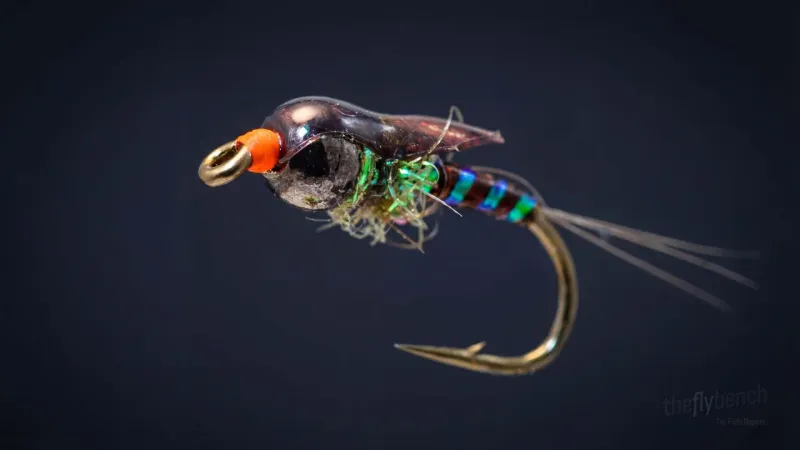
Midge / EmergersShanafelt's 3 Mile PMD
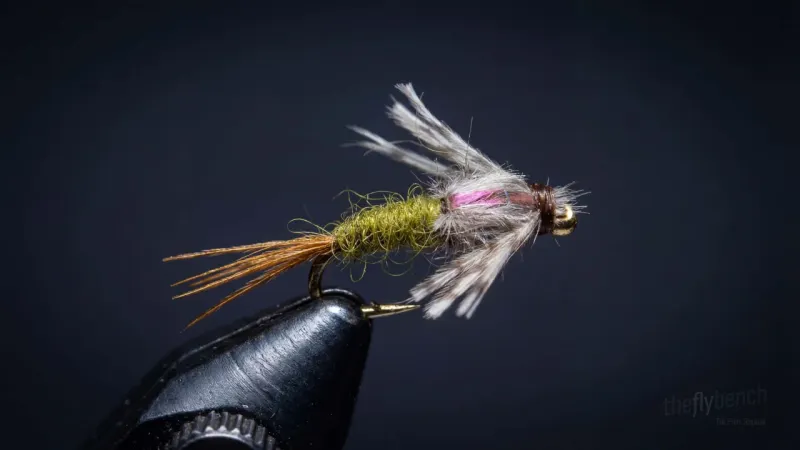
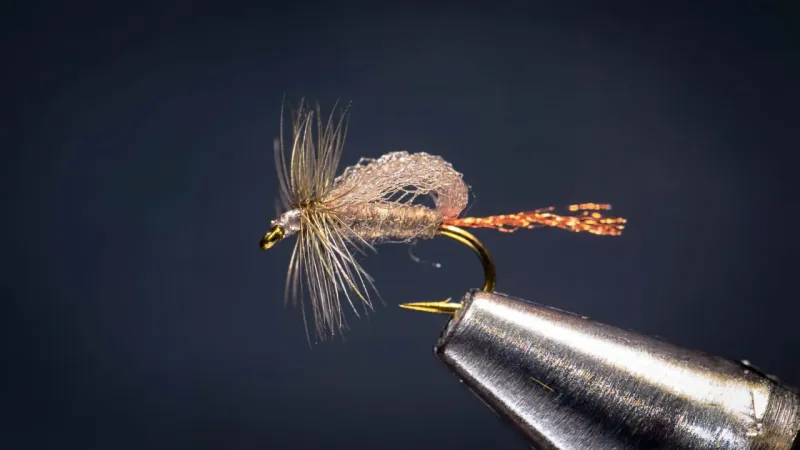
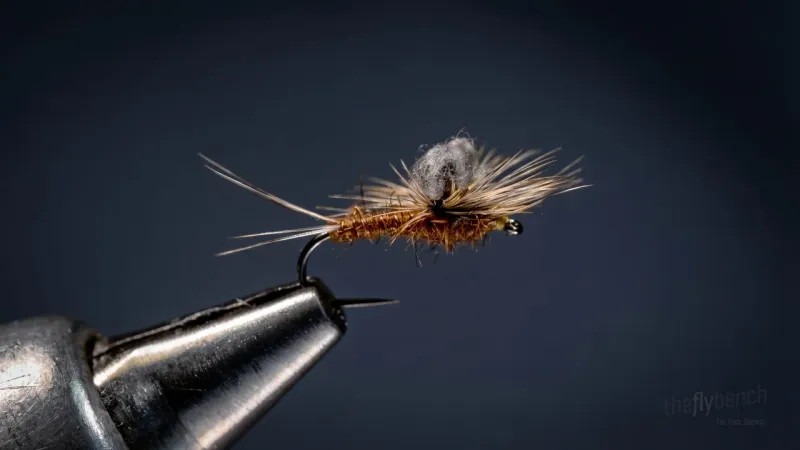
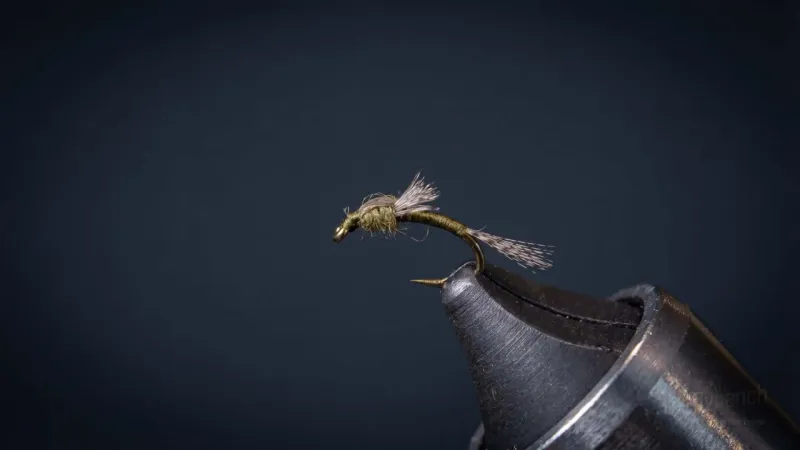
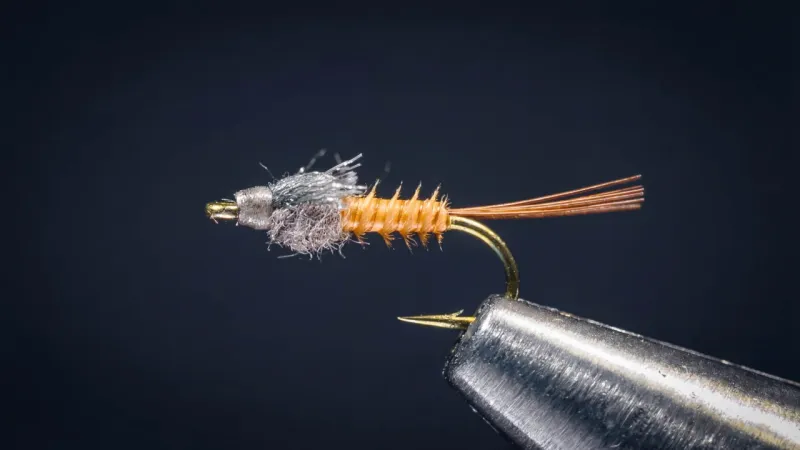
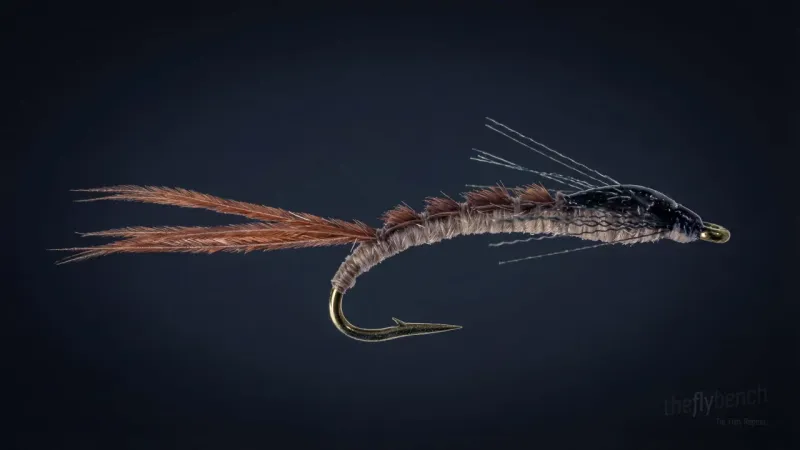
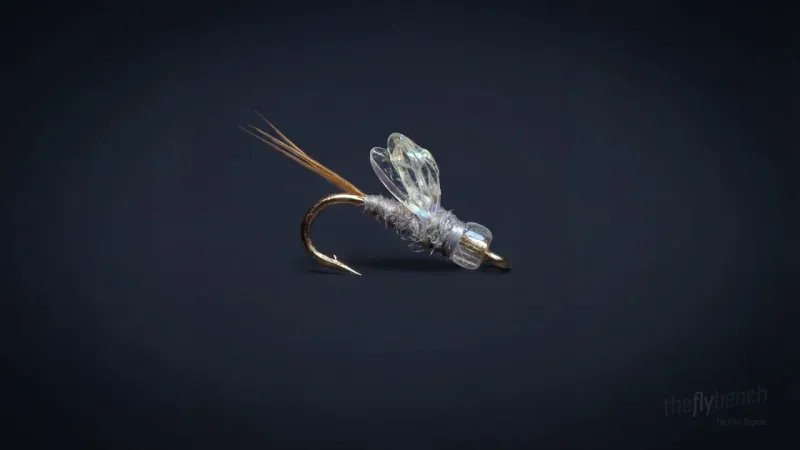
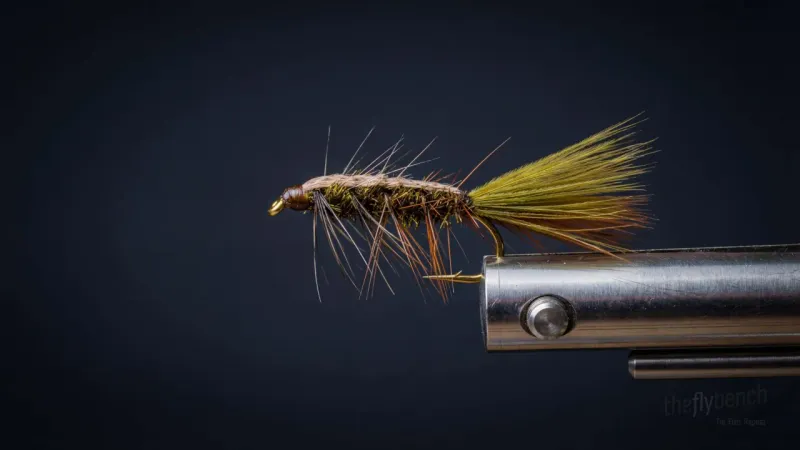
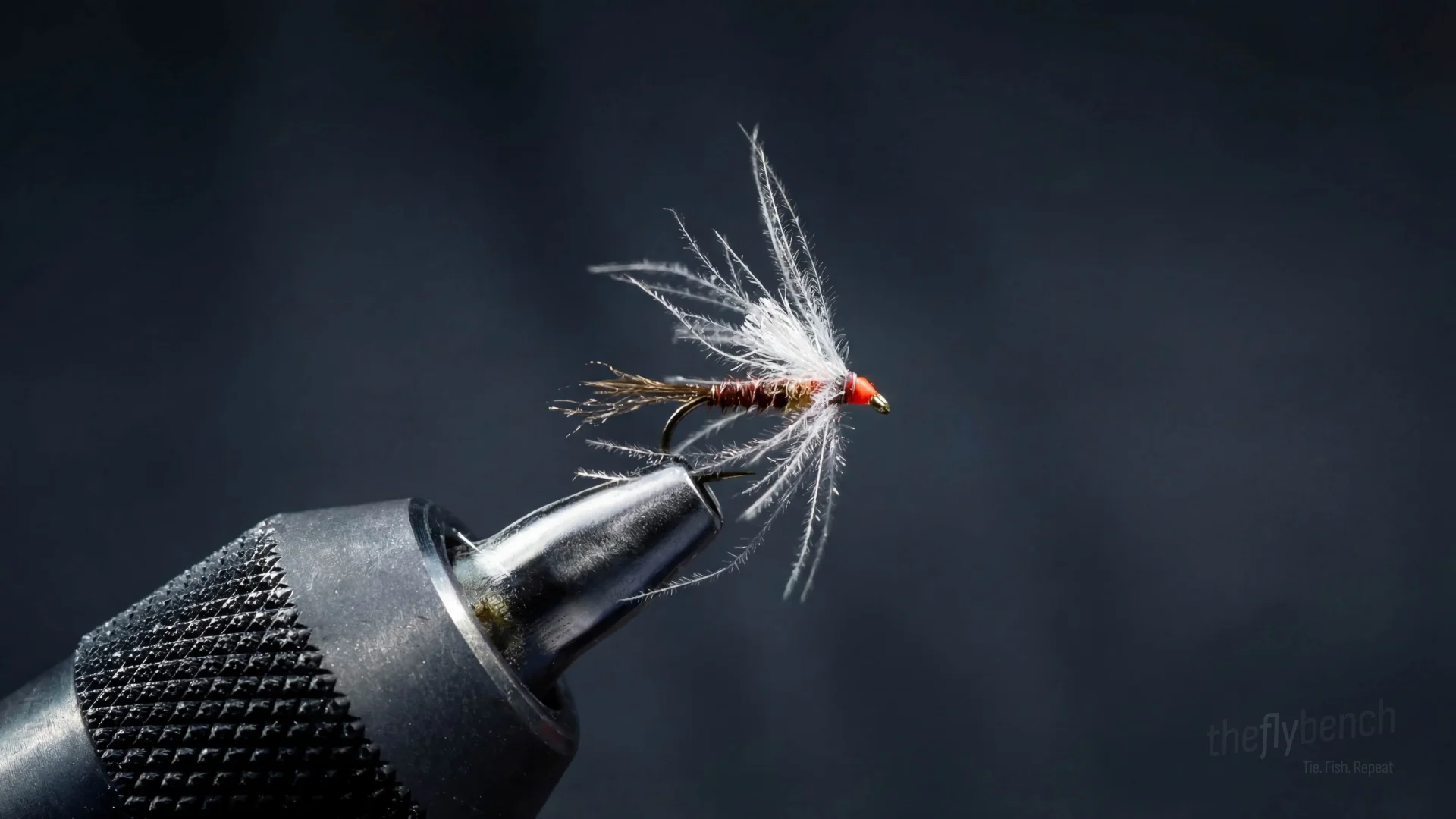
Shanafelt's 3 Mile PMD is a sophisticated emerger pattern designed specifically for those challenging Pale Morning Dun hatches when trout key on crippled and emerging mayflies. This pattern features pheasant tail fibers for both tail and abdomen, an olive brown Z-lon trailing shuck, copper wire ribbing, a shrimp pink ice dub thorax that mimics the flush of emerging PMDs, a white or light dun poly yarn wing for visibility, and a CDC collar that provides both flotation and lifelike movement in the surface film.
Spring, Summer
Intermediate
Trout
Dec 2025
Overview
This Pete Shanafelt pattern from Charlie's Fly Box addresses one of the most challenging situations in fly fishing - selective trout during PMD hatches. Unlike most mayflies that emerge at the surface, PMDs often emerge as winged adults underwater and then swim to the surface. This variable emergence means many get trapped in their nymphal shucks at various stages, creating the "crippled" presentation that trout often prefer. Shanafelt, a 42-year Bighorn River guide, originally designed this fly to fish subsurface but discovered that a couple false casts quickly dry the CDC collar, allowing it to sit on the surface with the loose feather tendrils rolling and moving naturally. The fire orange thread adds a subtle hotspot visible through the thorax materials. The shrimp pink ice dub creates the distinctive coloration of emerging PMDs while providing flash and texture.
Where to Buy This Fly
We only link to fly shops we trust. Some links are referral links, which may earn us a commission at no extra cost to you.
Materials
- Hook:
- Tiemco 9300, #16
- Thread:
- Veevus 14/0 or Nanosilk 30D (Semperfli), fire orange
- Tail:
- Ringneck Pheasant Tail
- Shuck:
- Z-Lon, olive brown
- Rib:
- Wire (UTC), copper fine
- Abdomen:
- Ringneck Pheasant Tail
- Thorax:
- Ice Dub, shrimp pink
- Wing:
- Poly Yarn, white or light dun
- Collar:
- CDC, light dun
Behavior & Presentation
Natural Behavior: PMD nymphs swim toward the surface in ascending spirals just before emergence, their backlit bodies highly visible in shallow water as they transition. These emergers hang suspended in the film with trailing shucks creating vulnerable silhouettes that selective trout key on during reliable mid-morning hatches.
Where Trout Eat It: Fish feed on PMD emergers suspended in the surface film throughout slower pools, flat slicks, and eddies in tailwaters and spring creeks where hatches concentrate.
How to Fish It: Dead drift in the surface film where the CDC collar positions the fly precisely—in, on, or just under the surface depending on preparation. Target subtle sipping rises indicating emerger feeding.
Best Water: Focus on slower pools, flat slicks, and calm eddies in tailwaters where PMD emergers accumulate and educated trout become highly selective.
Strike Type: Expect subtle sipping rises characteristic of trout feeding delicately on trapped emergers during sparse, technical hatches.
Fishing Strategy
Rigging Suggestions: 12-15ft 6X-7X fluorocarbon leader. CDC collar can be dried with false casts for top fishing, or left damp for film. Apply no floatant to preserve CDC's natural properties.
Seasonal Timing: Most effective during spring and summer PMD hatches, typically late May through August. Peak during heart of PMD emergence when trout become highly selective. Particularly effective when hatch is sparse because selective feeding increases during low-density hatches.
Pro Tips: White or light dun poly yarn wing provides visibility while CDC collar controls fly's position in water column. Pattern can fish on top, in film, or just below depending on preparation.
Entomology
PMD nymphs swim toward the surface in an ascending motion just before emergence, their bodies backlit and highly visible in shallow water. Trout become keyed on these specific emergers because Pale Morning Dun hatches occur reliably during mid-morning hours, creating learned feeding behaviors.
- Order
- Ephemeroptera
- Family
- Ephemerellidae
- Common Name
- Pale Morning Dun
- Organism Type
- insect
- Life Stage
- emerger