Midge / EmergersMercury RS2
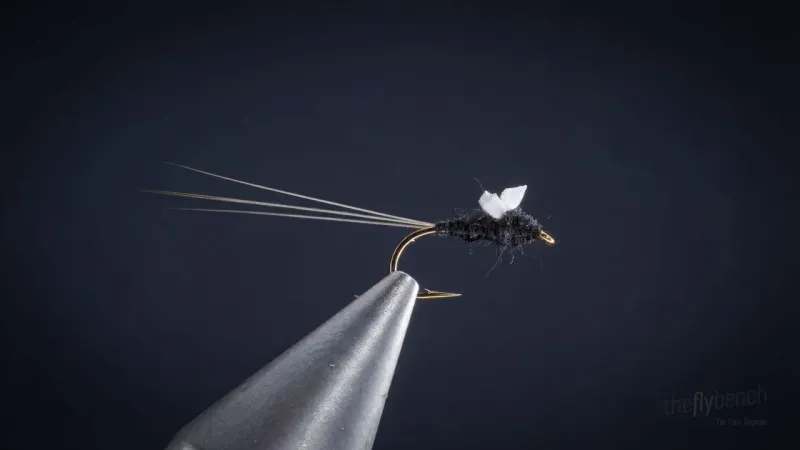
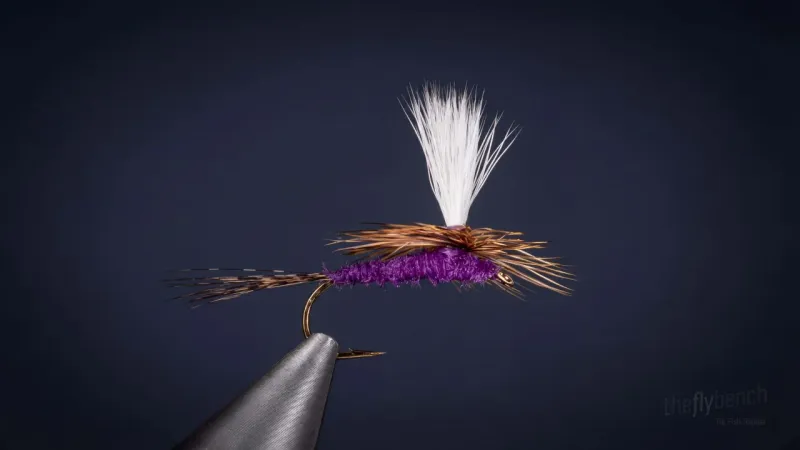
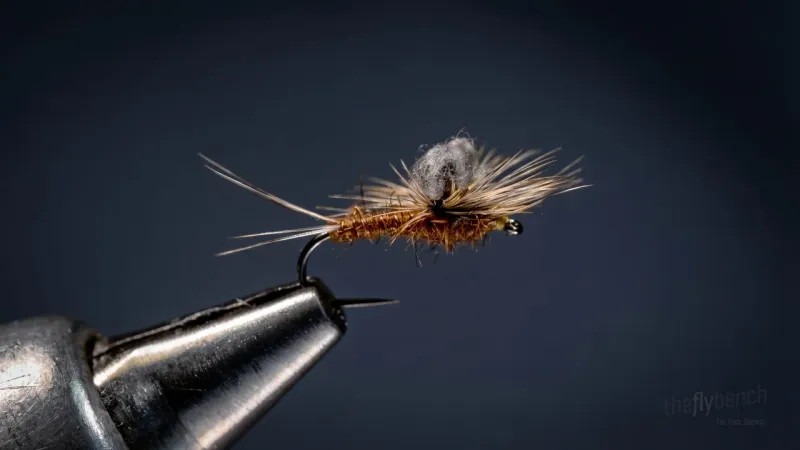
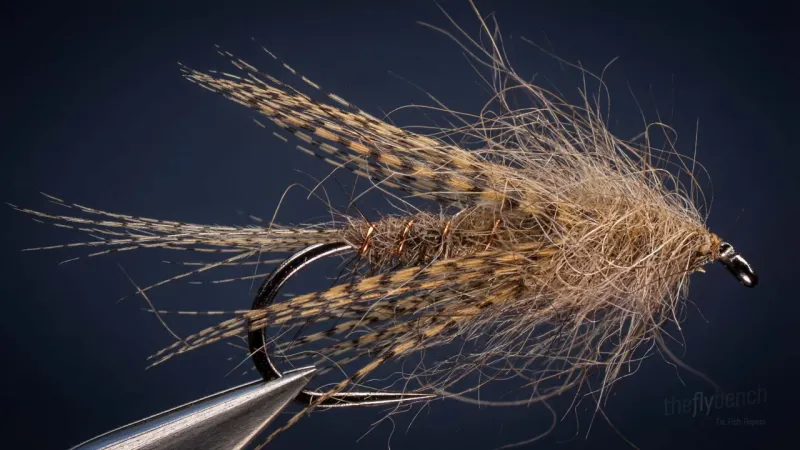
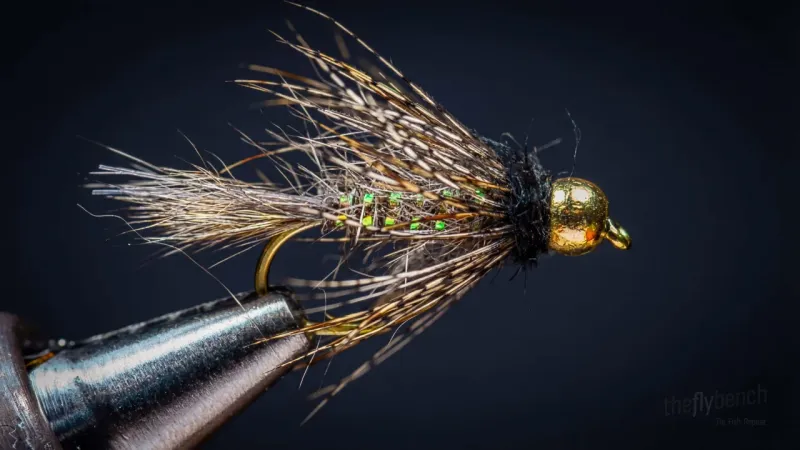
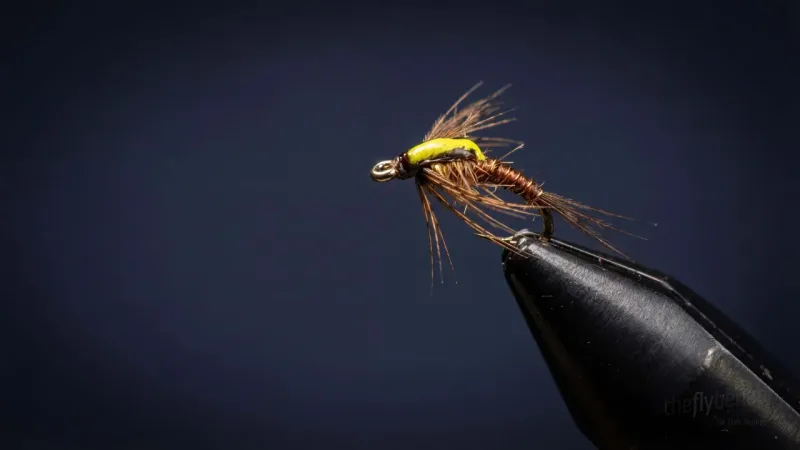
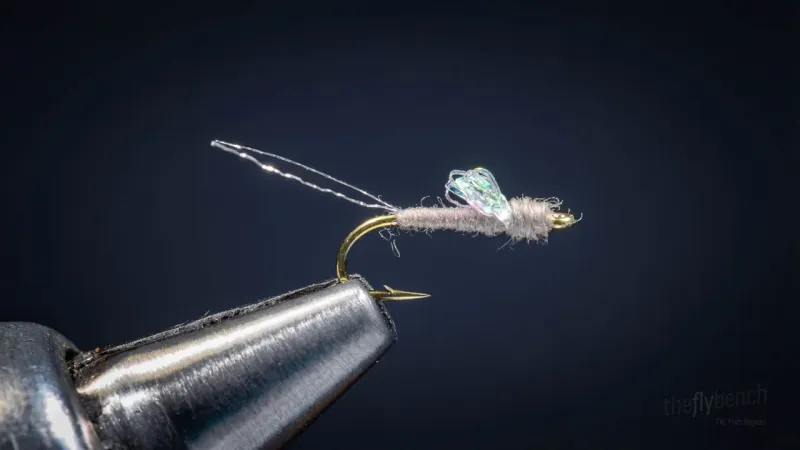
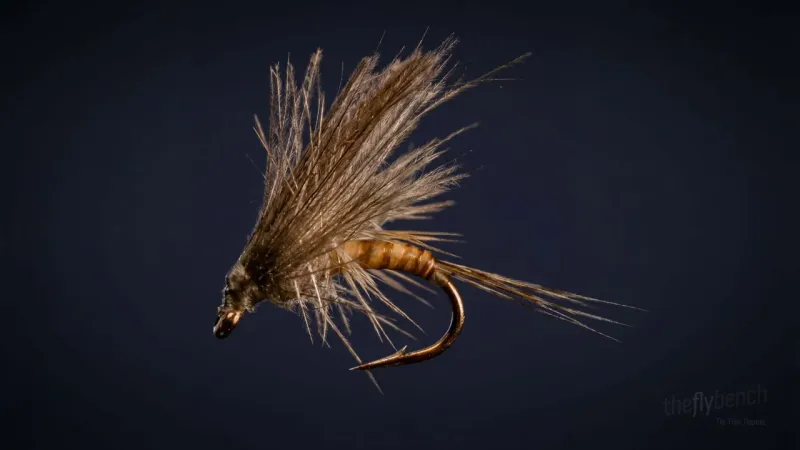
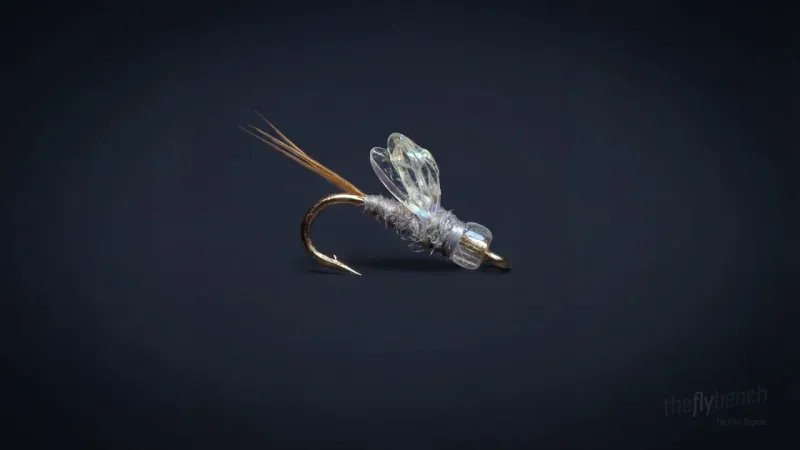
An enhanced version of the classic RS2 emerger featuring a mercury glass bead that adds subtle weight and flash without disrupting the delicate silhouette. The CDC wing and trailing shuck imitate mayflies stuck in the surface film, making it particularly effective during Baetis hatches in smooth glides and tailouts.
Spring, Summer, Fall
Intermediate
Trout
Apr 2025
Overview
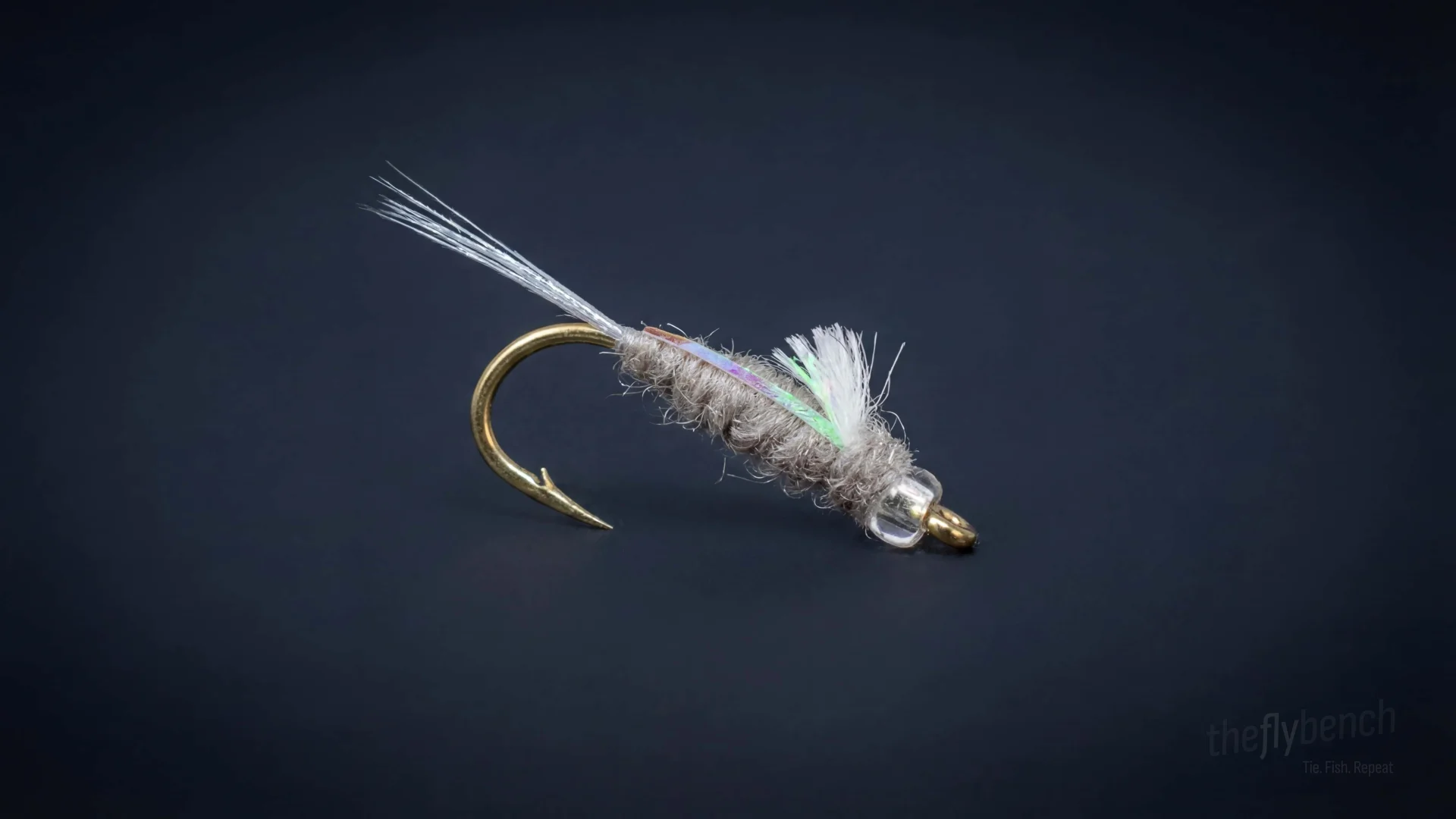
A flashy take on the classic RS2, using a silver glass bead, sparse gray dubbing body, and CDC or synthetic wing. It rides just below the surface film and excels during the emergent stage of mayfly hatches.
Where to Buy This Fly
We only link to fly shops we trust. Some links are referral links, which may earn us a commission at no extra cost to you.
Materials
- Hook:
- #16-22 Tiemco 101
- Bead:
- Silver glass bead
- Thread:
- Olive Brown UTC 70 Denier
- Tail:
- Brown saddle hackle or elk hair
- Abdomen:
- Olive Brown Superfine
- Wing:
- CDC oiler puff
- Thorax:
- Olive Brown Superfine
Behavior & Presentation
Natural Behavior: Mayfly emergers hang suspended in the surface film as they split their nymphal shucks, bodies extending upward through the water tension. They remain vulnerable and immobile during this critical transition.
Where Trout Eat It: Fish cruise through emergence zones in the film and upper few inches of the water column, targeting insects trapped during metamorphosis.
How to Fish It: Fish in the film or just subsurface with drag-free drifts, allowing the bead to position the fly correctly.
Best Water: Focus on tail-outs with smooth surfaces, seams where current slows, and foam lines that concentrate emergers.
Strike Type: Look for subtle sips in the film or gentle indicator movements.
Fishing Strategy
Rigging Suggestions: Fish below a size 16-18 parachute dry fly on 12-18 inches of 6X fluorocarbon. Alternatively, position as point fly in a multi-nymph rig with 5X-6X tippet on a 10-12 foot leader.
Seasonal Timing: March through June and September through November during primary mayfly emergence periods, with peak effectiveness during April-May and October when Baetis hatches dominate.
Pro Tips: The CDC provides natural movement and realistic silhouette. Match bead color to naturals—silver for lighter mayflies, copper for darker species. Size 18-20 patterns handle selective spring creek trout.
Entomology
Emerging mayflies suspend in the surface film as they shed their nymphal shucks, their wing cases splitting open while bodies extend upward through the water tension. Trout cruise systematically through emergence zones to capture these transitioning insects, which remain immobilized for critical seconds during the vulnerable metamorphosis from underwater nymph to surface-dwelling adult.
- Order
- Ephemeroptera
- Common Name
- Mayfly
- Organism Type
- insect
- Life Stage
- general