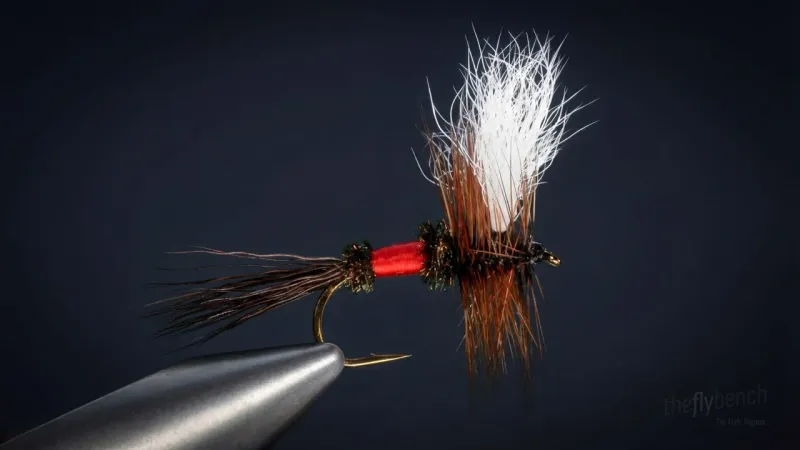
Dry FliesRough Water Caddis
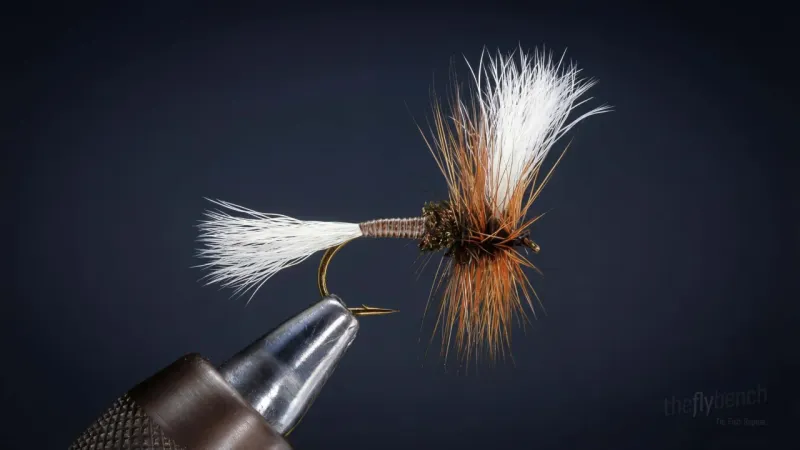
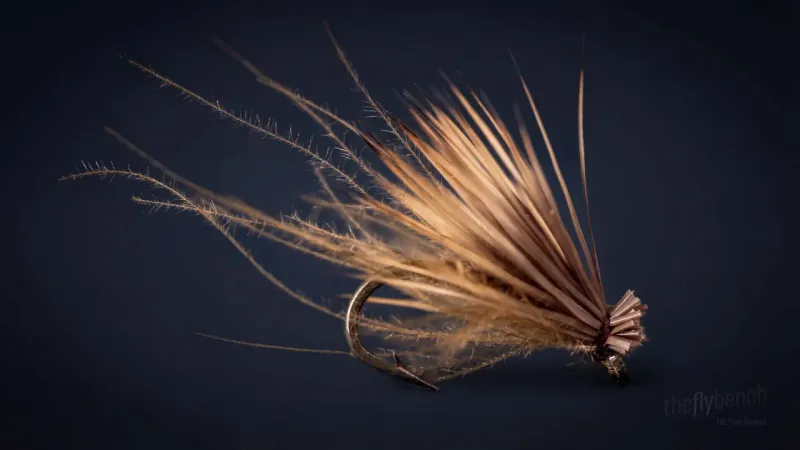
The Rough Water Caddis is a high-profile dry fly designed to stay afloat in choppy water. It imitates a caddis fly struggling on the water's surface, an easy meal for trout.
Spring, Summer
Advanced
Trout
Apr 2025
Overview
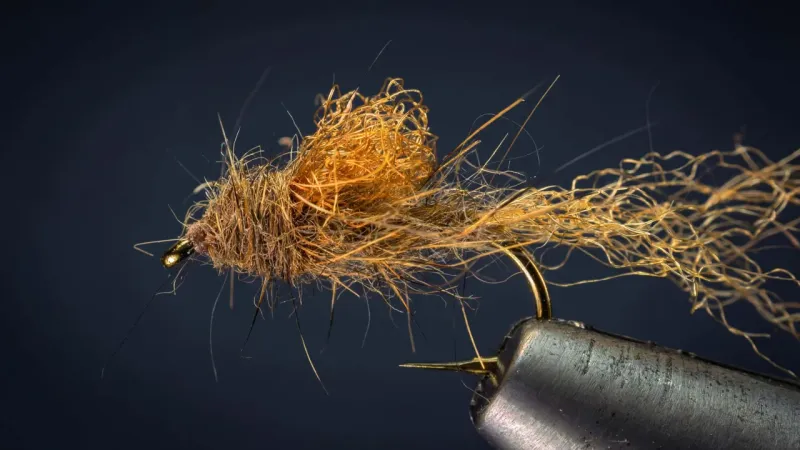
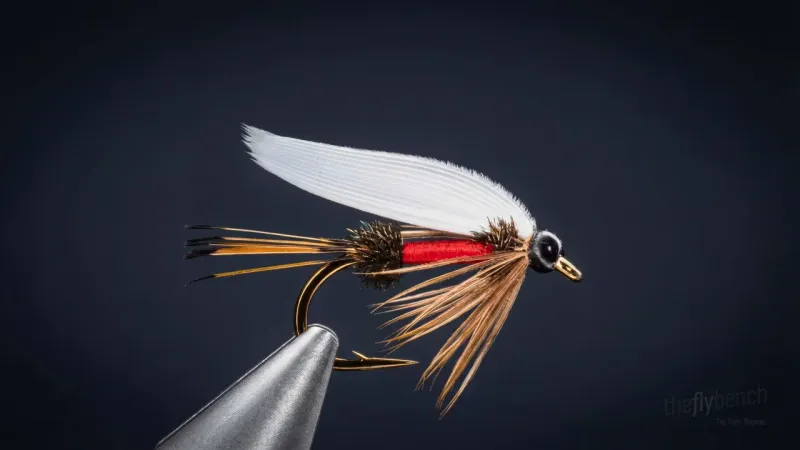
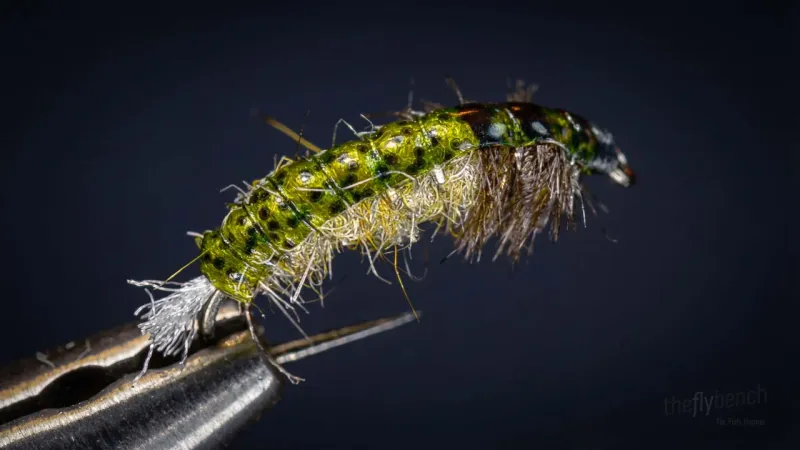
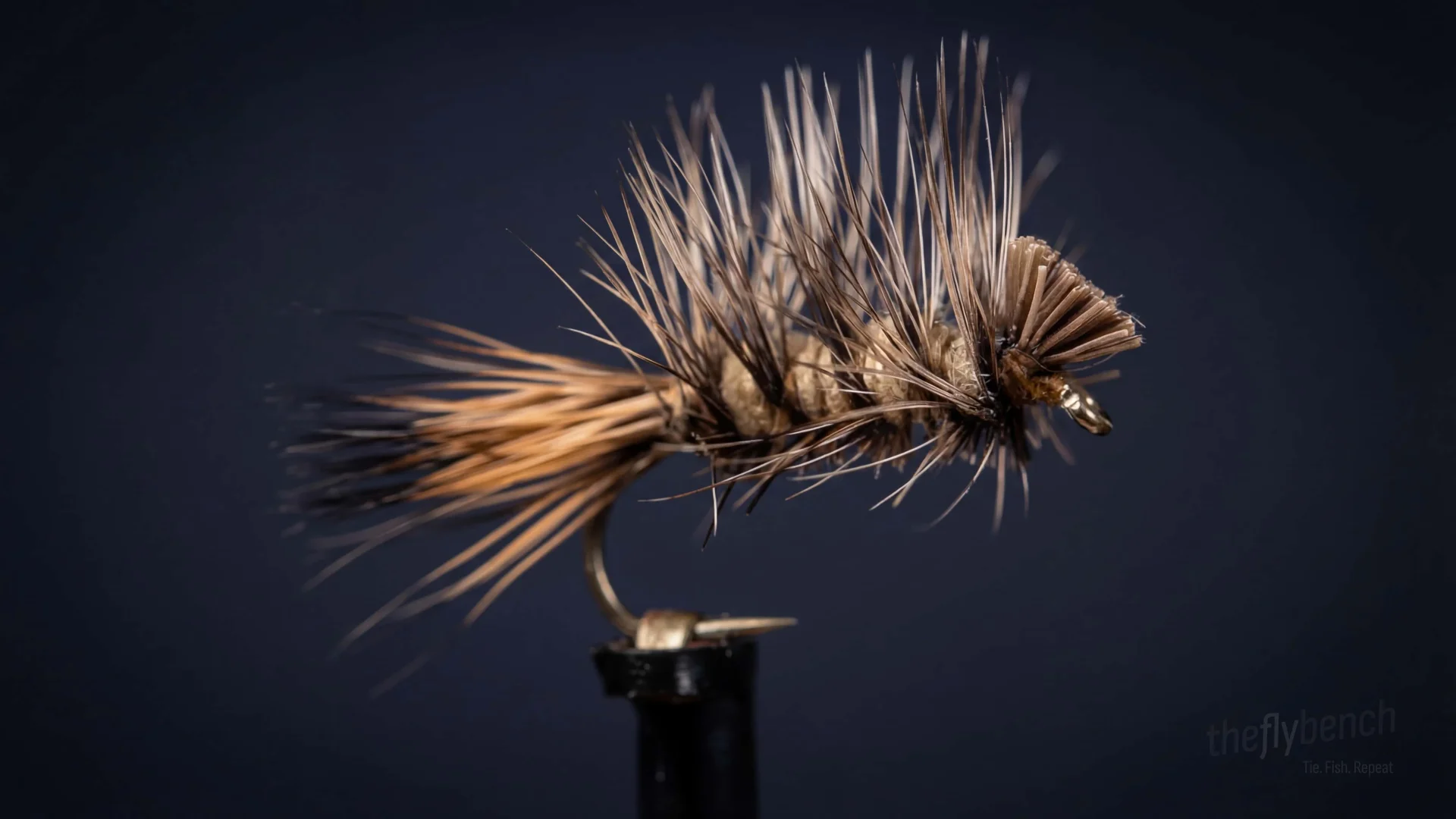
Built for turbulent surface conditions, this dry fly typically uses a high-floating foam or dubbed body, elk hair wing, and dense hackle for floatation and visibility. The pattern rides high and resists getting drowned in riffles or pocket water.
Where to Buy This Fly
We only link to fly shops we trust. Some links are referral links, which may earn us a commission at no extra cost to you.
Materials
- Hook:
- 1X-long dry-fly hook (here a Dai-Riki 300), size 14
- Thread:
- 6/0, olive
- Tails/Head:
- Natural deer body hair, cleaned and stacked
- Hackle:
- Grizzly rooster saddle hackle, trimmed on the bottom
- Body:
- Super Fine dubbing, tan
- Note:
- Change the colors to match the naturals
Behavior & Presentation
Natural Behavior: Adult caddisflies caught in turbulent pocket water lose flight control and bounce helplessly through hydraulics, their wings waterlogged and bodies spinning as currents overpower their attempts to escape. Fish positioned in broken water exploit these disoriented insects, striking aggressively as caddis tumble through feeding zones unable to regain composure.
Where Trout Eat It: Fish hold in highly oxygenated riffles 1-4 feet deep where caddis struggle to maintain position in turbulent currents.
How to Fish It: Cast upstream using reach casts and aggressive mends to maintain drag-free drift in complex currents. Heavy hackle keeps fly riding high.
Best Water: Turbulent riffle heads with choppy surfaces, broken pocket water behind mid-stream boulders, and fast gradient freestone runs.
Strike Type: Expect aggressive, splashy strikes in pocket water and broken currents, with fish often committing fully to the high-riding pattern as it bounces through turbulent feeding lanes.
Fishing Strategy
Rigging Suggestions: Use 9-foot leaders with 4X or 5X tippet. The robust construction supports heavier tippet while maintaining excellent flotation. Apply gel floatant liberally to hackle and wing for extended buoyancy in rough water.
Seasonal Timing: Most effective from April through August with peak productivity during late and early (May-July) when caddisfly hatches are most prolific. Water temperatures of 55-68°F trigger consistent emergence activity.
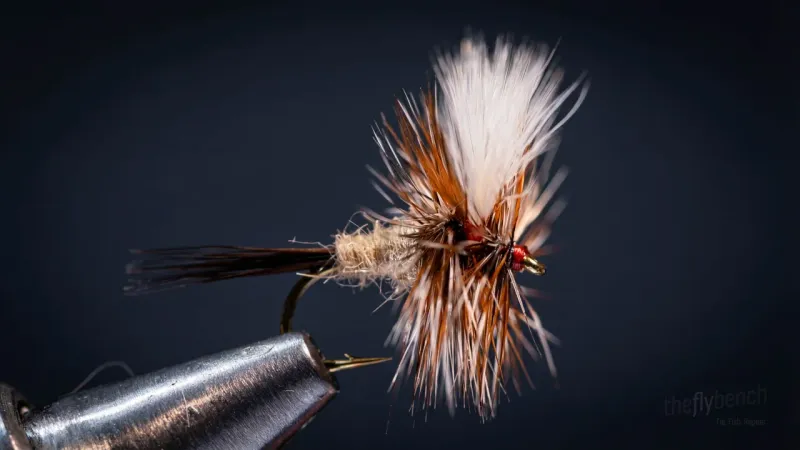
Pro Tips: The white poly underwing provides exceptional visibility in broken water and low light, making it easier to track in turbulent currents. Heavy hackle keeps the fly riding high even through choppy pocket water.
Entomology
Adult caddisflies struggle to maintain position in turbulent water, their wings fluttering frantically as currents bounce them through pocket water and seams. Fish exploit this vulnerability in broken water where caddis lose control, attacking these struggling insects as they careen helplessly through prime feeding zones.
- Order
- Trichoptera
- Common Name
- Caddisfly
- Organism Type
- insect
- Life Stage
- adult