Dry FliesCDC Caddis
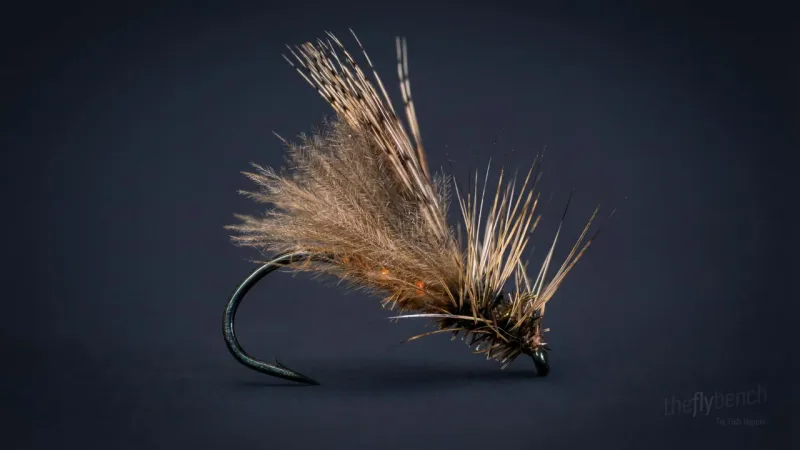
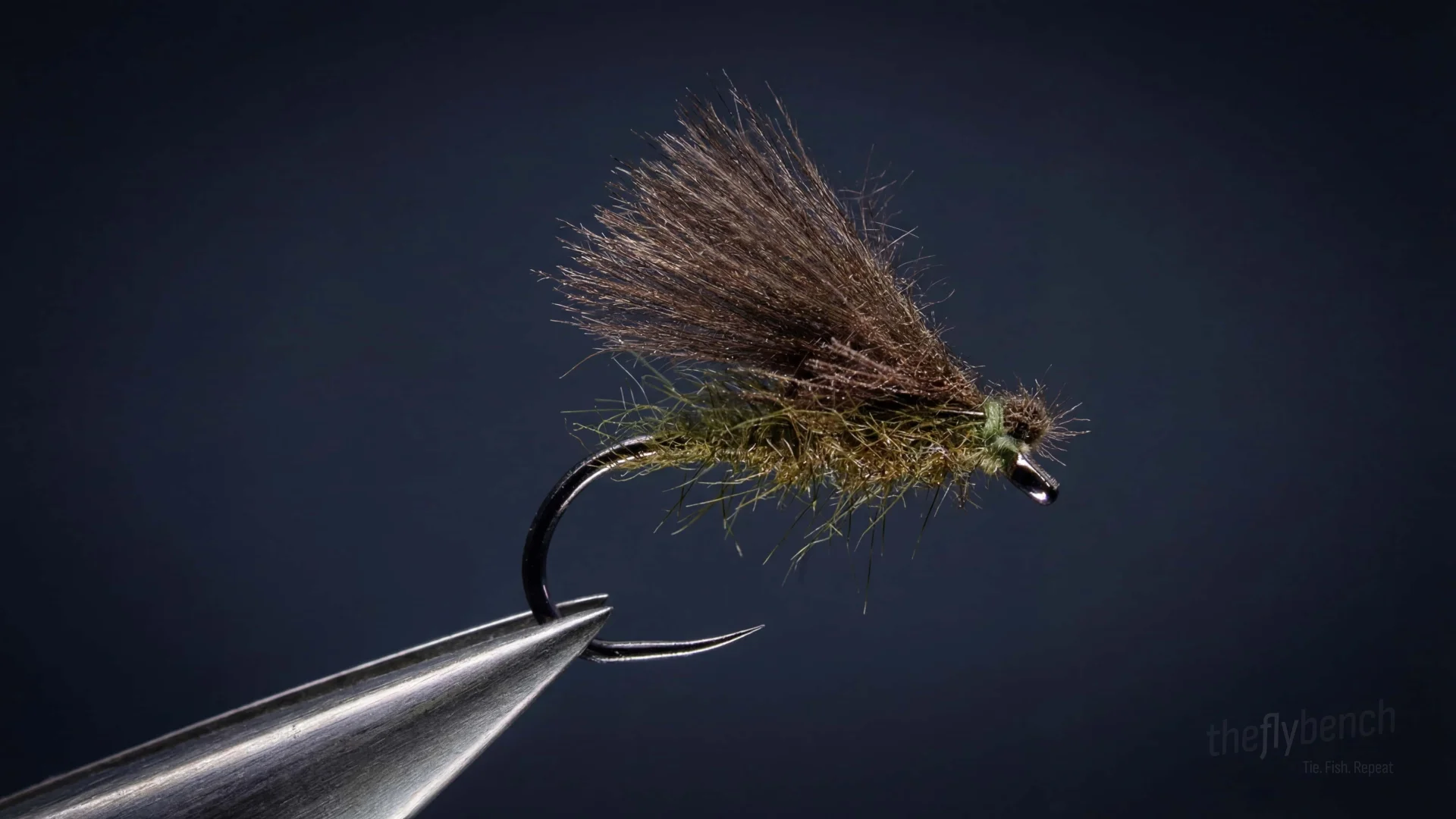
The CDC Caddis is a versatile and effective fly that closely mimics a caddis in its adult stage. Its design allows it to float well and provides a realistic silhouette on the water, enticing trout to strike.
Spring, Summer, Fall
Intermediate
Trout
Apr 2025
Overview
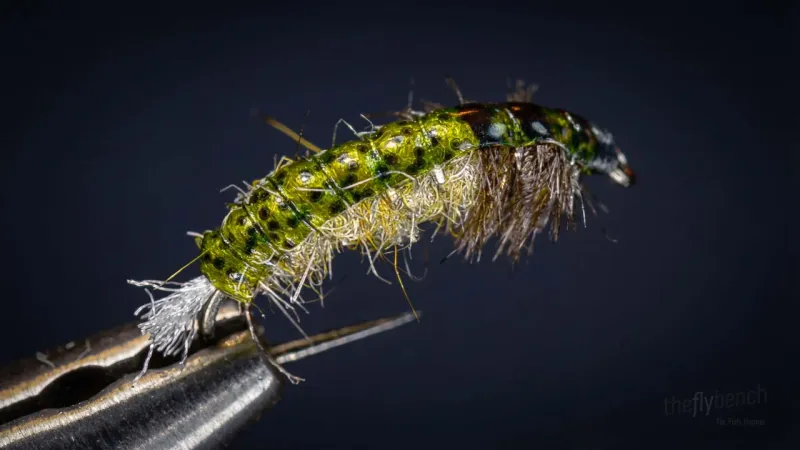
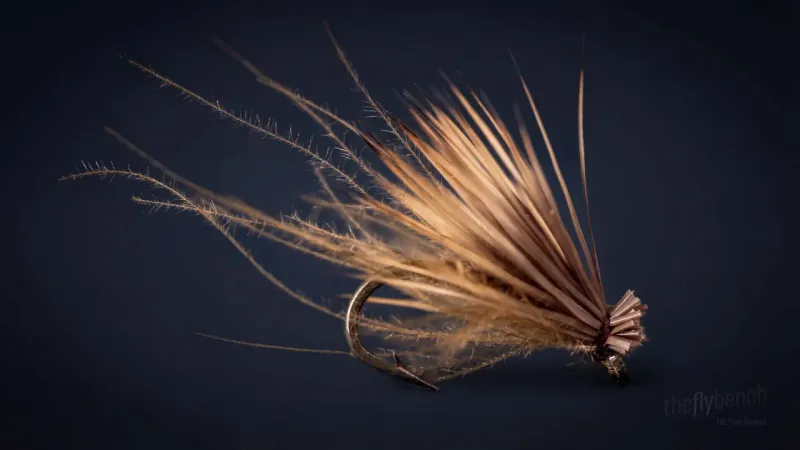
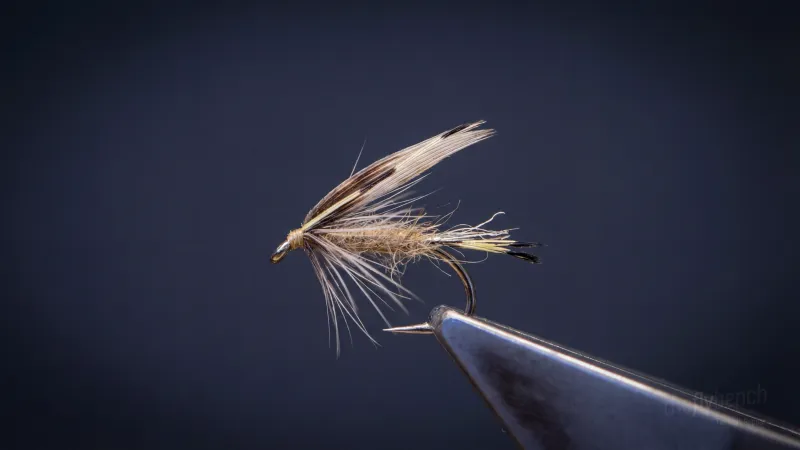
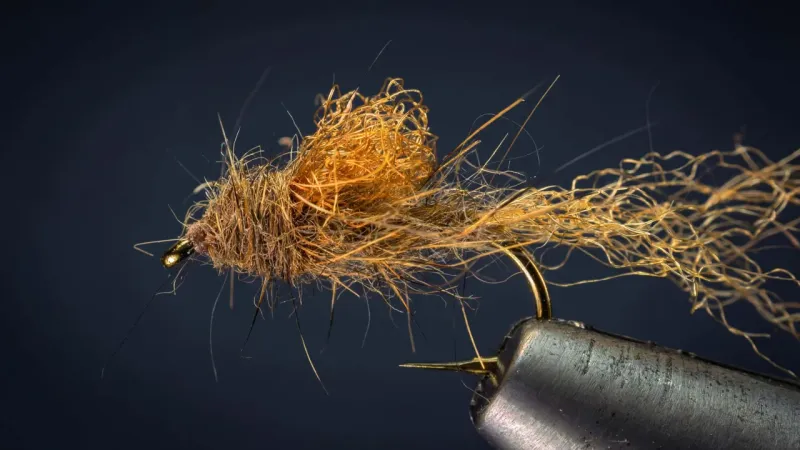
This fly uses CDC feathers to form a sparse, high-floating wing that breathes with every drift. It's typically tied with a dubbed body (often tan or olive), a CDC wing tied down or flared, and a small thread head. No hackle is needed—CDC provides both buoyancy and movement. Select premium CDC feathers and avoid over-dressing the wing for best results.
Where to Buy This Fly
We only link to fly shops we trust. Some links are referral links, which may earn us a commission at no extra cost to you.
Materials
- Hook:
- Tiemco 100, size #12–#16
- Thread:
- Olive Dun 8/0
- Body:
- Olive Superfine Dubbing
- Underwing:
- Sparkle Emerger Yarn, light gray
- Overwing:
- Natural Gray CDC feathers
- Head:
- Olive Superfine Dubbing
Behavior & Presentation
Natural Behavior: Adults skate and hop erratically across the surface while navigating between emergence sites and egg-laying locations, creating disturbance wakes with moth-like fluttering and intermittent film contact.
Where Trout Eat It: Fish respond aggressively to this active surface commotion, targeting adults temporarily unable to escape during their skating movements.
How to Fish It: Skate or twitch across the surface to imitate the erratic hopping behavior that differs markedly from passive mayfly drifts.
Best Water: Effective in slicks, current seams, foam lines, and pools where skating caddis create visual disturbance that triggers predatory responses.
Strike Type: Aggressive surface strikes as fish react to active commotion, often slashing at the skating fly with explosive takes.
Fishing Strategy
Rigging Suggestions: Use a 9-foot leader tapered to 5X, and apply floatant to the CDC feathers to keep the fly on the surface.
Seasonal Timing: The CDC Caddis is particularly effective from late through early when caddis are most active. Use this fly during a caddis hatch, or when you see trout feeding on the surface.
Pro Tips: The CDC Caddis floats well due to the buoyancy of the CDC feathers. The light gray underwing enhances visibility in a variety of lighting conditions.
Entomology
Adult caddisflies skate and hop erratically across the surface while navigating between emergence sites, mating swarms, and egg-laying locations, creating disturbance wakes that attract visual predators. Their moth-like fluttering and intermittent contact with the surface film during these movements differs markedly from the passive drift of mayflies. Fish respond aggressively to skating caddis behavior because the active surface commotion triggers predatory instincts and signals an insect temporarily unable to escape.
- Order
- Trichoptera
- Common Name
- Caddisfly
- Organism Type
- insect
- Life Stage
- adult