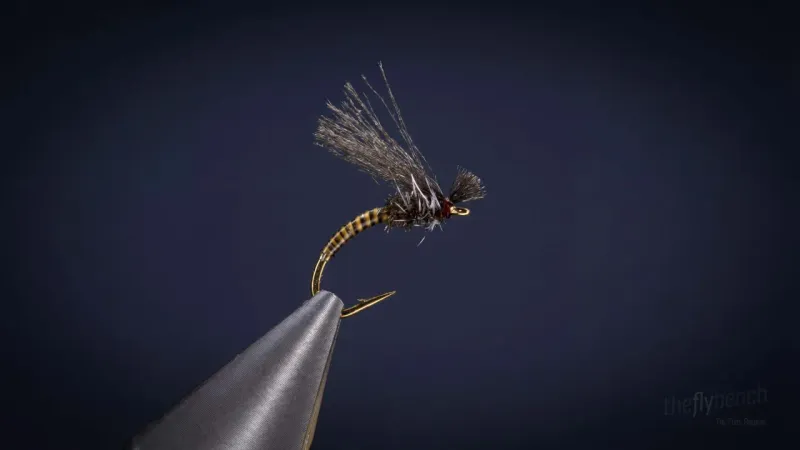
Midge / EmergersRed Neck Midge
A simple yet effective midge pattern with a distinctive red thorax collar that imitates emerging midges and pupae. Its sparse construction and neutral colors make it ideal for winter fishing when midges are the primary food source, particularly effective in tailwaters and spring creeks during cold-weather hatches.
Winter
Beginner
Trout
Apr 2025
Overview
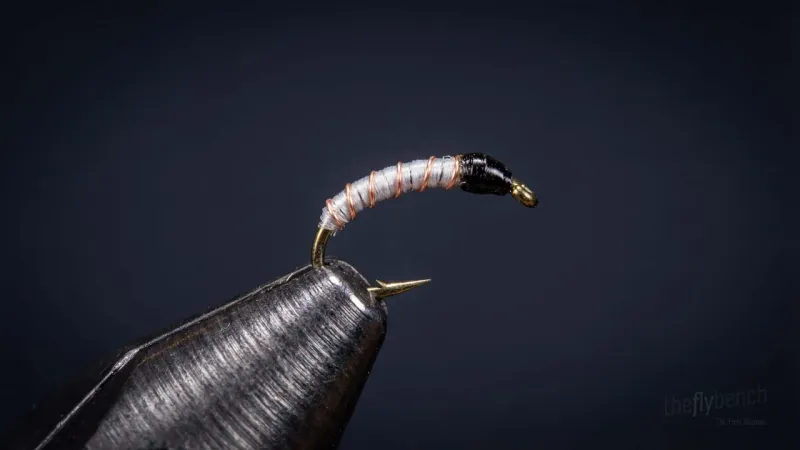
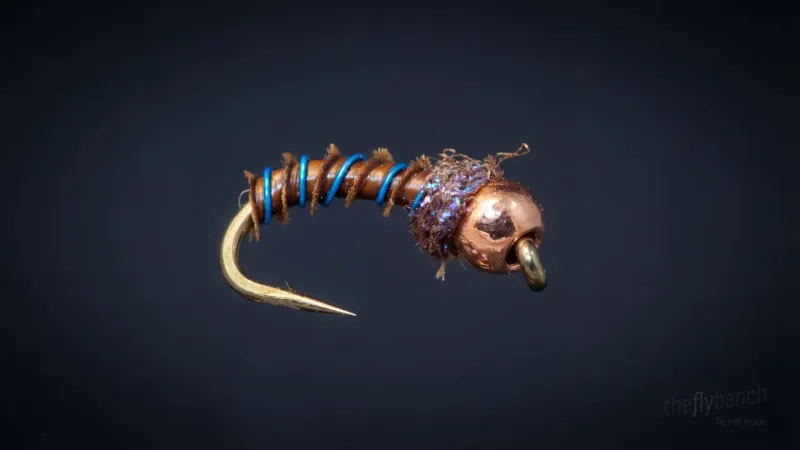
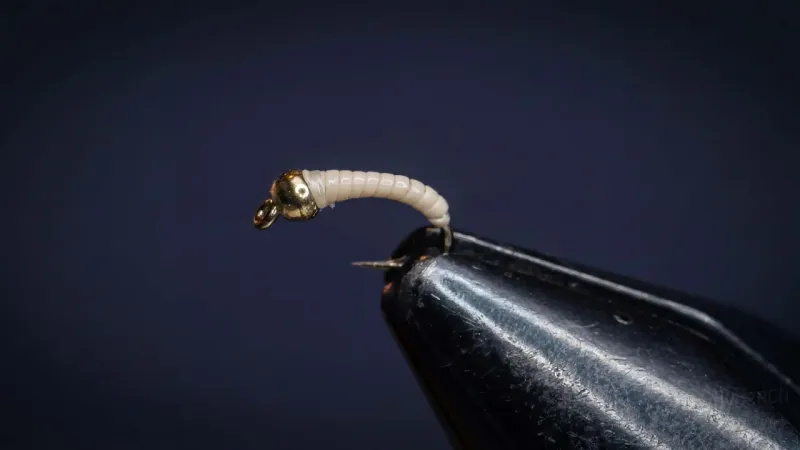
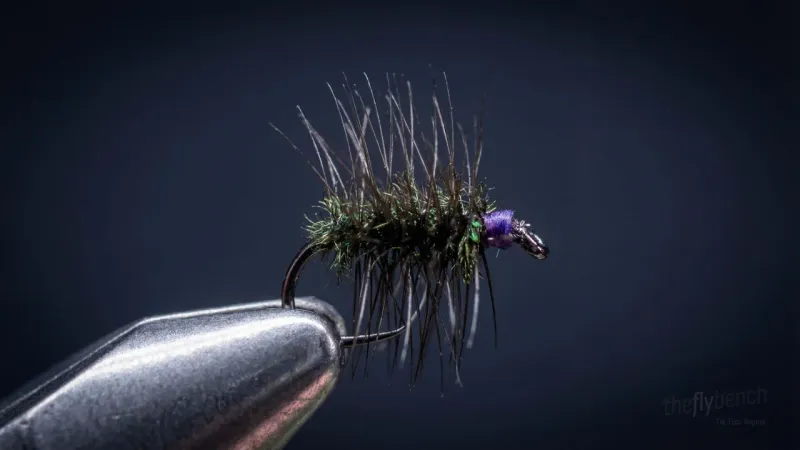
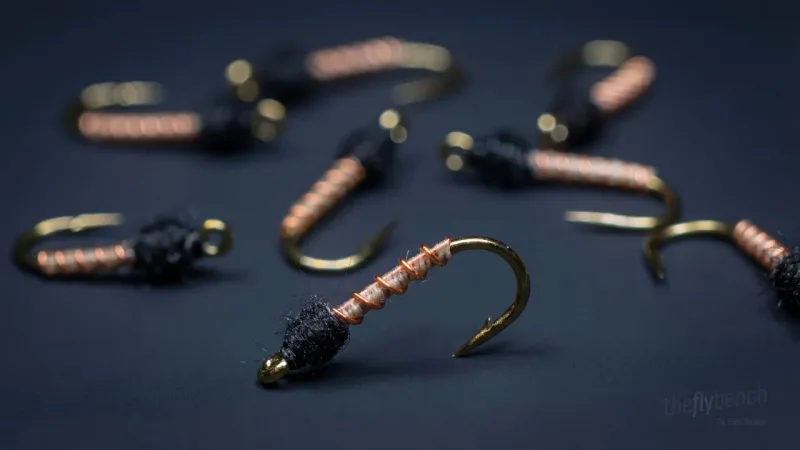
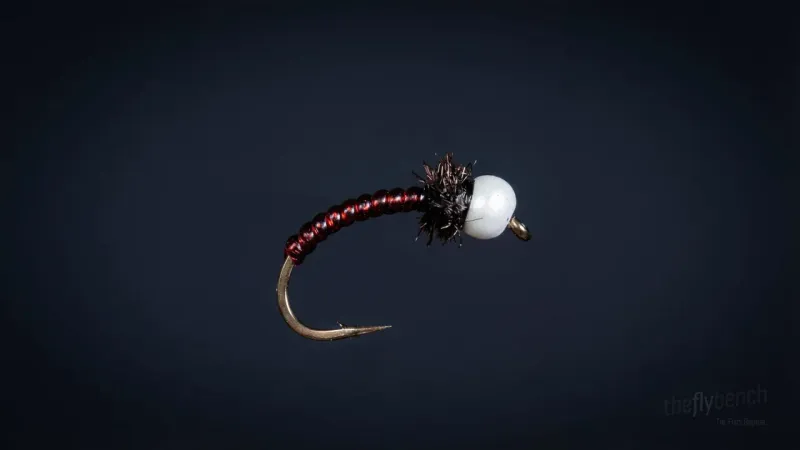
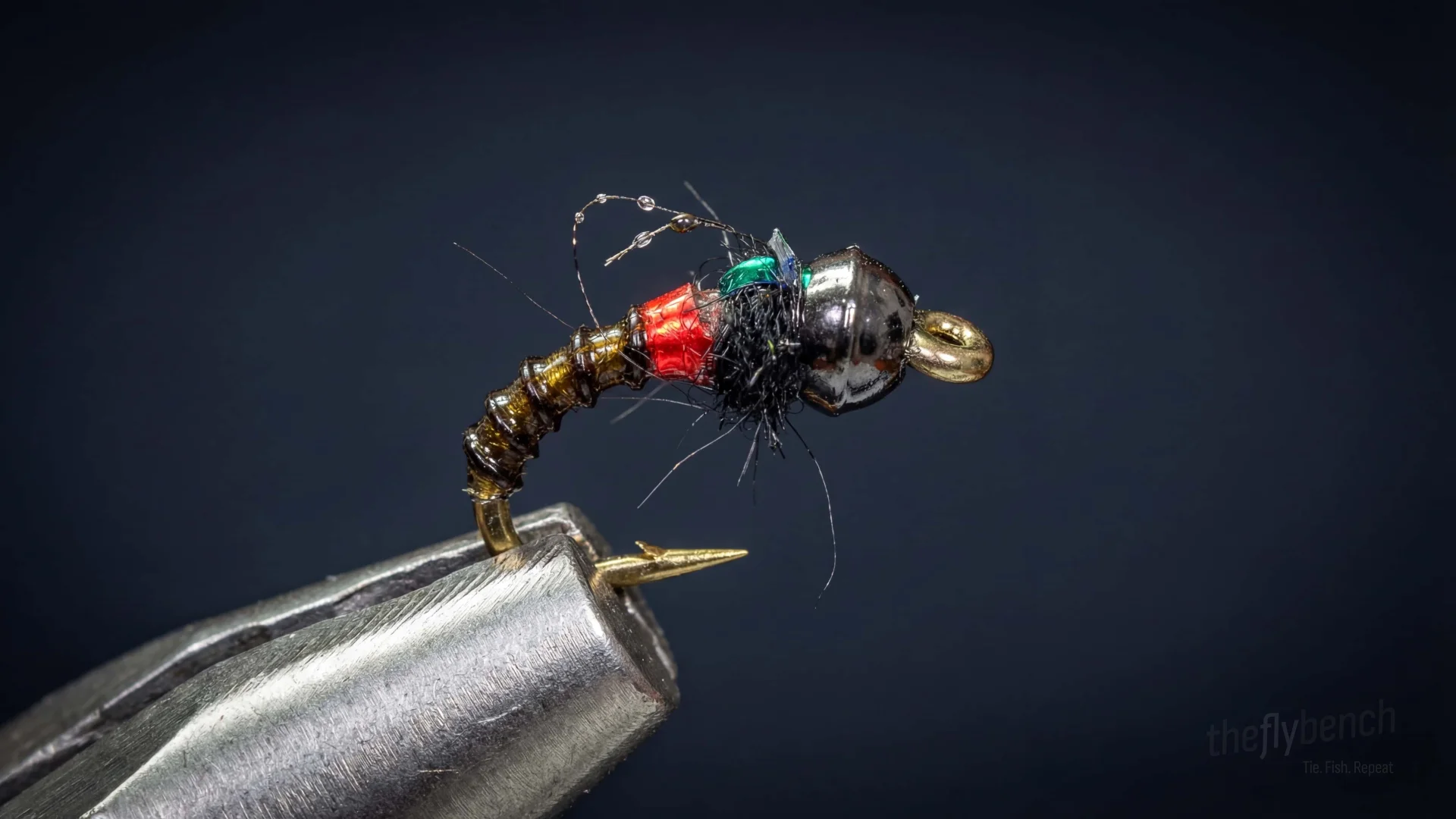
The Redneck Midge is a simple and effective midge pattern built for both visibility and durability. Tied with a slim black or brown thread body, it features a red thread collar near the head to act as a hot spot. A silver or copper rib adds segmentation, while a small tungsten or glass bead helps the fly sink quickly. This pattern is excellent for tailwaters and pressured fish, especially in clear winter water where midges dominate the trout's diet.
Where to Buy This Fly
We only link to fly shops we trust. Some links are referral links, which may earn us a commission at no extra cost to you.
Materials
- Hook:
- Daiichi 1120 - Heavy Wire Scud Hook - 18
- Thread:
- Danville Flat Waxed Nylon Thread - 70 Denier - Black, Tan
- Bead:
- Plummeting Tungsten Beads - Black Nickel - 5/64\ (2.0mm)
- Rib:
- Body & Rib Tubing - Brown - Micro (small)
- Flash:
- Veevus Holographic Tinsel - Red - Small
Behavior & Presentation
Natural Behavior: Chironomid pupae hang vertically below the meniscus with distinctive red thorax coloration indicating oxygen-rich hemoglobin. Gas accumulation in pupal shucks suspends them in vulnerable positions during emergence attempts.
Where Trout Eat It: Trout target this tungsten-beaded pattern in the lower water column and tight to the bottom in slow runs, tail-outs, and back eddies of cold-weather tailwaters. The red collar provides a hot spot that attracts fish feeding selectively on subsurface midges in Rocky Mountain systems.
How to Fish It: Fish as a dropper 18-24 inches behind a dry fly with 6X-7X fluorocarbon tippet, allowing it to hang motionless or drift slowly in the film. The tungsten bead sinks it quickly to mid-column or film positions where trout intercept suspended emergers year-round.
Best Water: Most productive in slow seams where currents converge, back eddies where midges gather, and drop-offs in tailwaters. Target riffles and riffle edges where fish feed just off the main current in cold conditions with visible red collar hot spot.
Strike Type: Watch for gentle line tension or slight indicator movement as trout mouth the suspended fly.
Fishing Strategy
Rigging Suggestions: Fish as a dropper 18-24 inches behind a dry fly or buoyant indicator, or use as part of a two-fly nymph rig with a heavier point fly. Pair with 12-15 foot leaders tapered to 6X or 7X.
Seasonal Timing: Most effective from November through March when midges dominate as a food source, though productive year-round during midge hatches. Ideal during early or anytime midges are the primary food source.
Pro Tips: The red wire collar and hot spot increase visibility for both angler and fish without overwhelming selective trout. The resin adds durability and a subtle shine that mimics natural gas bubbles.
Entomology
Midge larvae, pupae, and adults are present year-round in nearly all waters, with pupae ascending through the water column in a slow, vertical rise. The transitional stages are most vulnerable as they hang suspended in the surface film or drift helplessly in the current. Trout feed on midges consistently throughout the day, especially during winter when other insects are absent, making them one of the most reliable food sources in tailwaters and spring creeks.
- Order
- Diptera
- Family
- Chironomidae
- Common Name
- Midge
- Organism Type
- insect
- Life Stage
- general