NymphRed Ass Soft Hackle
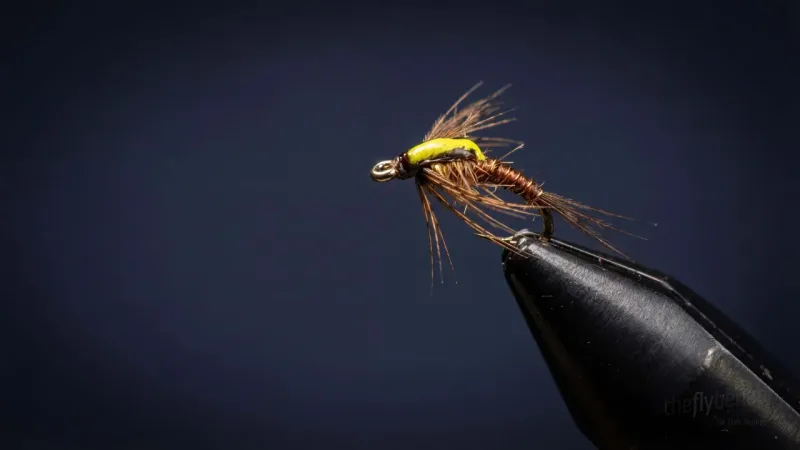
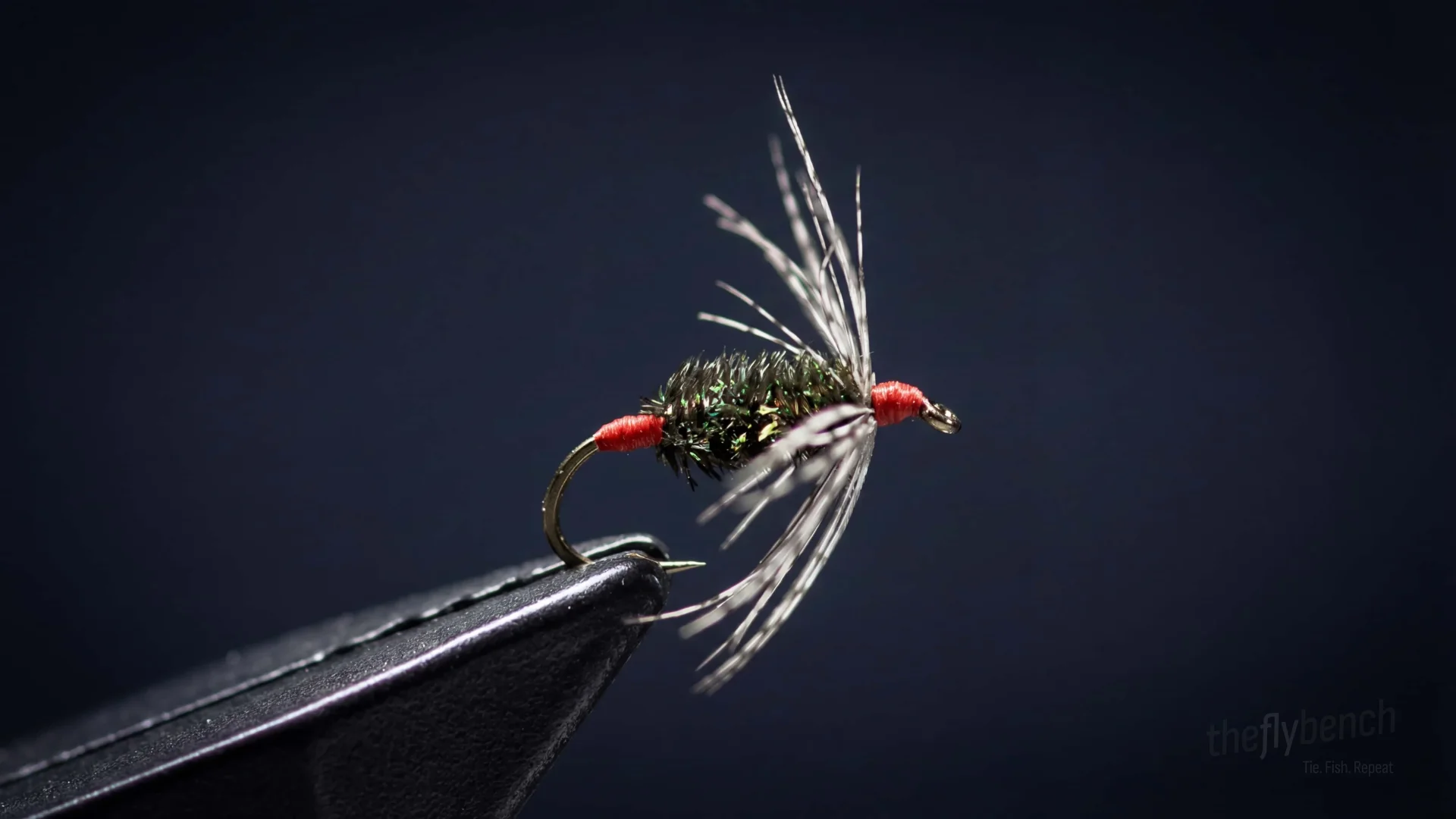
The Red Ass Soft Hackle is a productive and flashy fly pattern that has proven to be quite effective in attracting trout. The combination of its bright red color and soft hackle design mimics a variety of aquatic insects, making it irresistible to fish.
Spring, Summer, Fall
Intermediate
Trout
Apr 2025
Overview
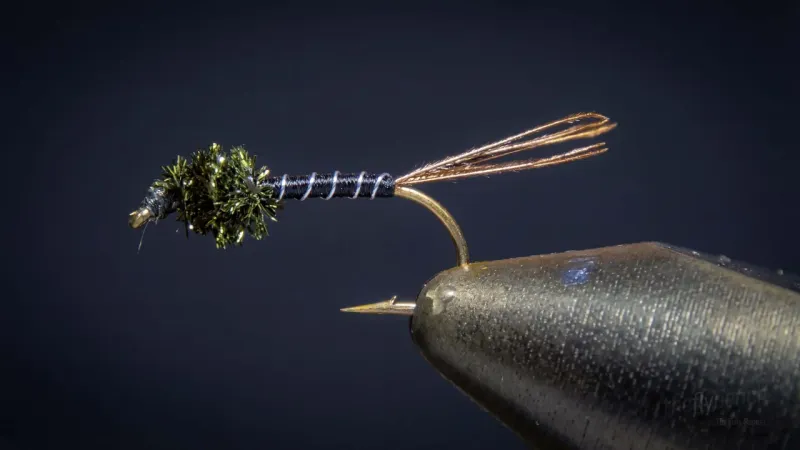
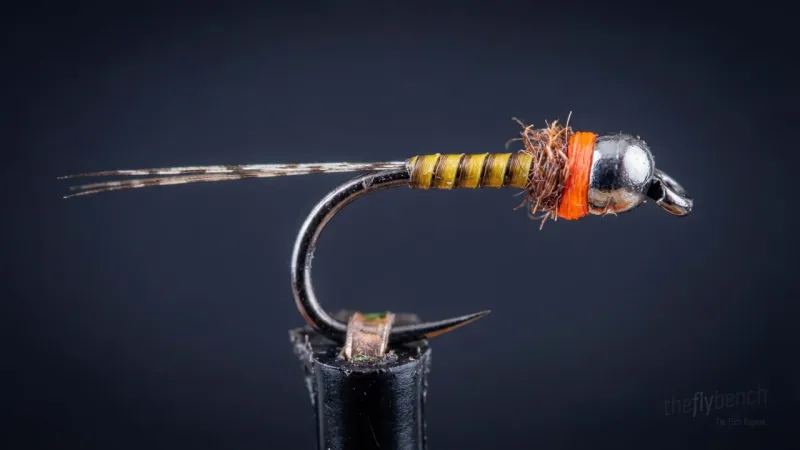
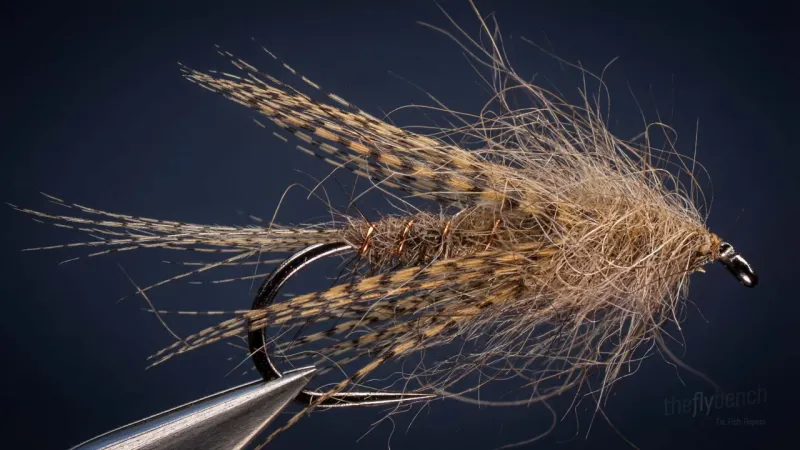
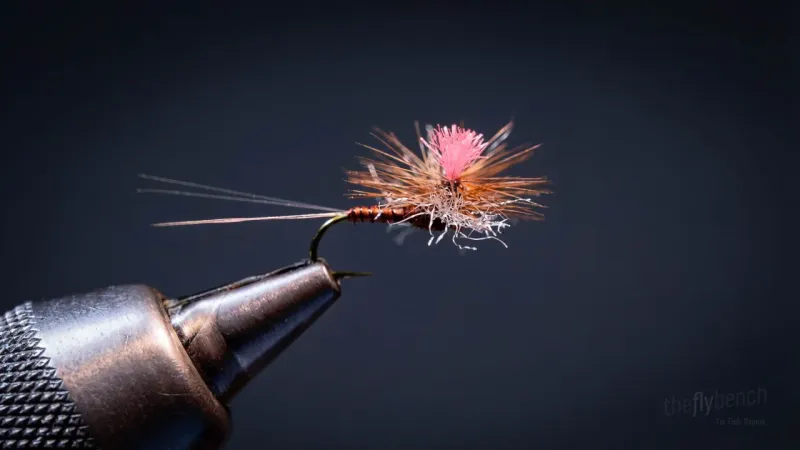
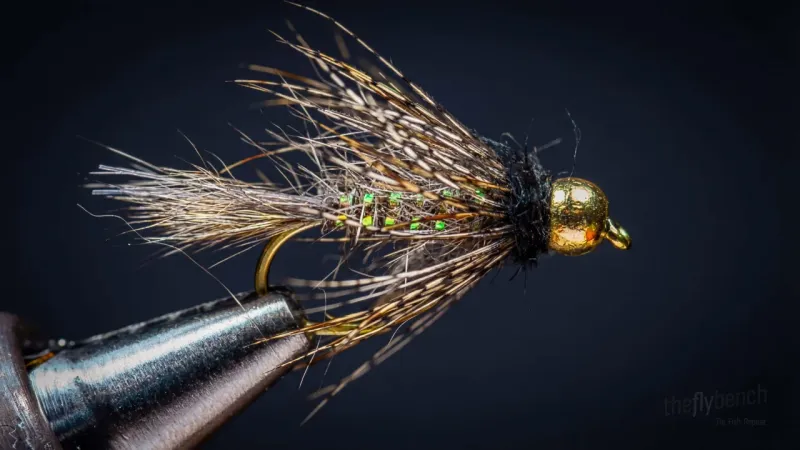
A traditional wet fly with a red floss or dubbing rear end (the “red ass”), peacock herl thorax, and a soft hackle collar like partridge. Simple and quick to tie, it's great swung or dead drifted for trout in riffles and runs.
Where to Buy This Fly
We only link to fly shops we trust. Some links are referral links, which may earn us a commission at no extra cost to you.
Materials
- Hook:
- Straight down eye – TMC 100
- Thread:
- 6/0 Red
- Body:
- Peacock Herl
- Hackle:
- Partridge
Behavior & Presentation
Natural Behavior: Mayfly nymphs drift helplessly in the current when dislodged from bottom structure, their legs trailing as they tumble through feeding lanes with no ability to escape.
Where Trout Eat It: Trout intercept this mid-column during downstream swings, or near substrate when dead drifted. Most effective in moderate-flow runs and pocket water behind boulders.
How to Fish It: Present on down-and-across swing allowing hackle to pulse and trap air bubbles. Can also dead drift under indicator then let swing at drift's end imitating emerging insect.
Best Water: Fish channel swings with defined current tongues and pocket water behind mid-stream boulders in slightly stained water.
Strike Type: On the downstream swing, expect a solid tug or stop in the line as fish grab the pulsing hackle. When dead drifted, watch your indicator for quick dips or sideways jerks—the peacock herl thorax triggers confident takes.
Fishing Strategy
Rigging Suggestions: Fish as dropper 12-18 inches below buoyant dry fly, or fish solo on 9-foot leaders with 4X-5X tippet. The tungsten bead provides weight for deeper presentations without additional split shot.
Seasonal Timing: Most productive during (April-June), (July-August), and (September-October), especially during mayfly emergence periods and when aquatic insects are active.
Pro Tips: The bright red color acts as trigger point and hot spot that attracts attention in stained water or low light. Soft hackle breathes and pulses with current, creating lifelike movement that triggers strikes from hesitant fish.
Entomology
Mayfly nymphs drift helplessly in the current when dislodged from bottom structure, their legs trailing as they tumble through feeding lanes with no ability to escape. This passive drift phase represents easy calories for trout, who position themselves to intercept these protein-rich morsels with minimal effort.
- Order
- Ephemeroptera
- Common Name
- Mayfly
- Organism Type
- insect
- Life Stage
- general