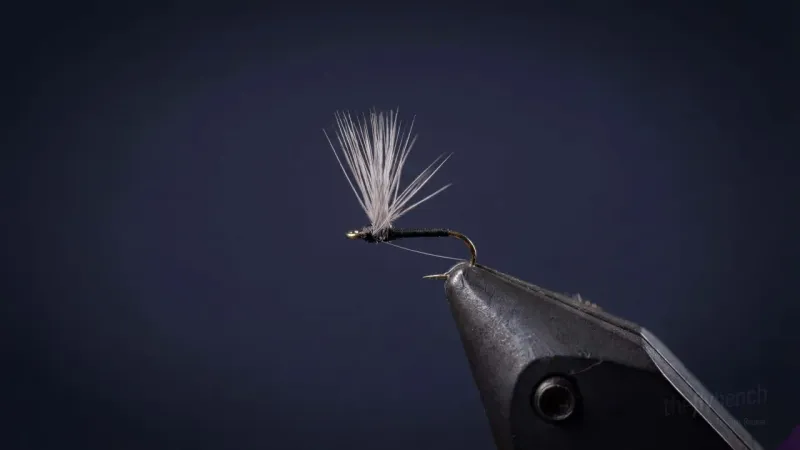
NymphBlue Wing Olive Quill Nymph
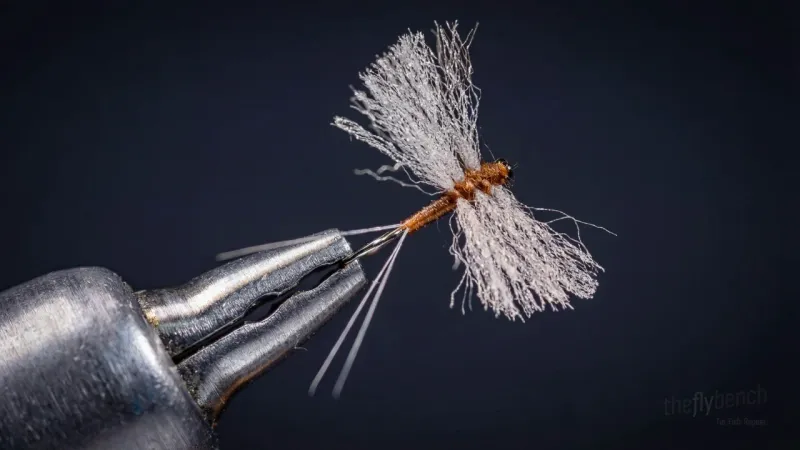
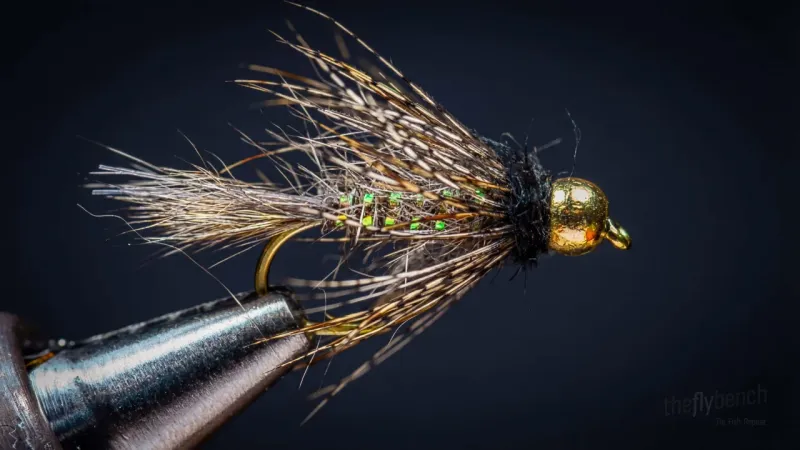
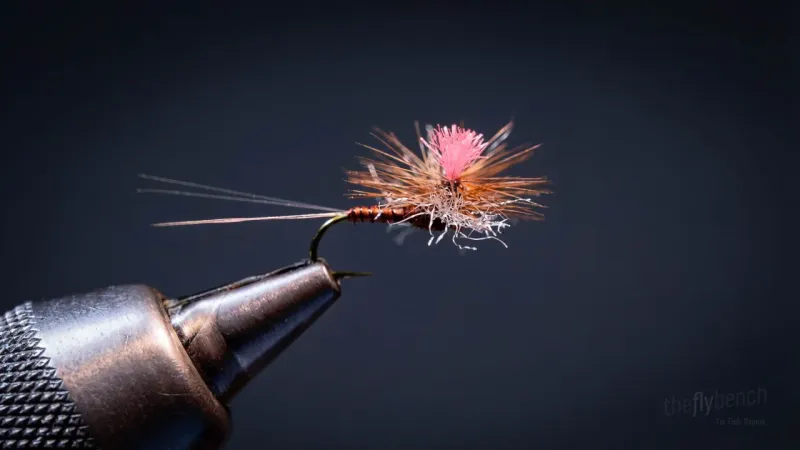
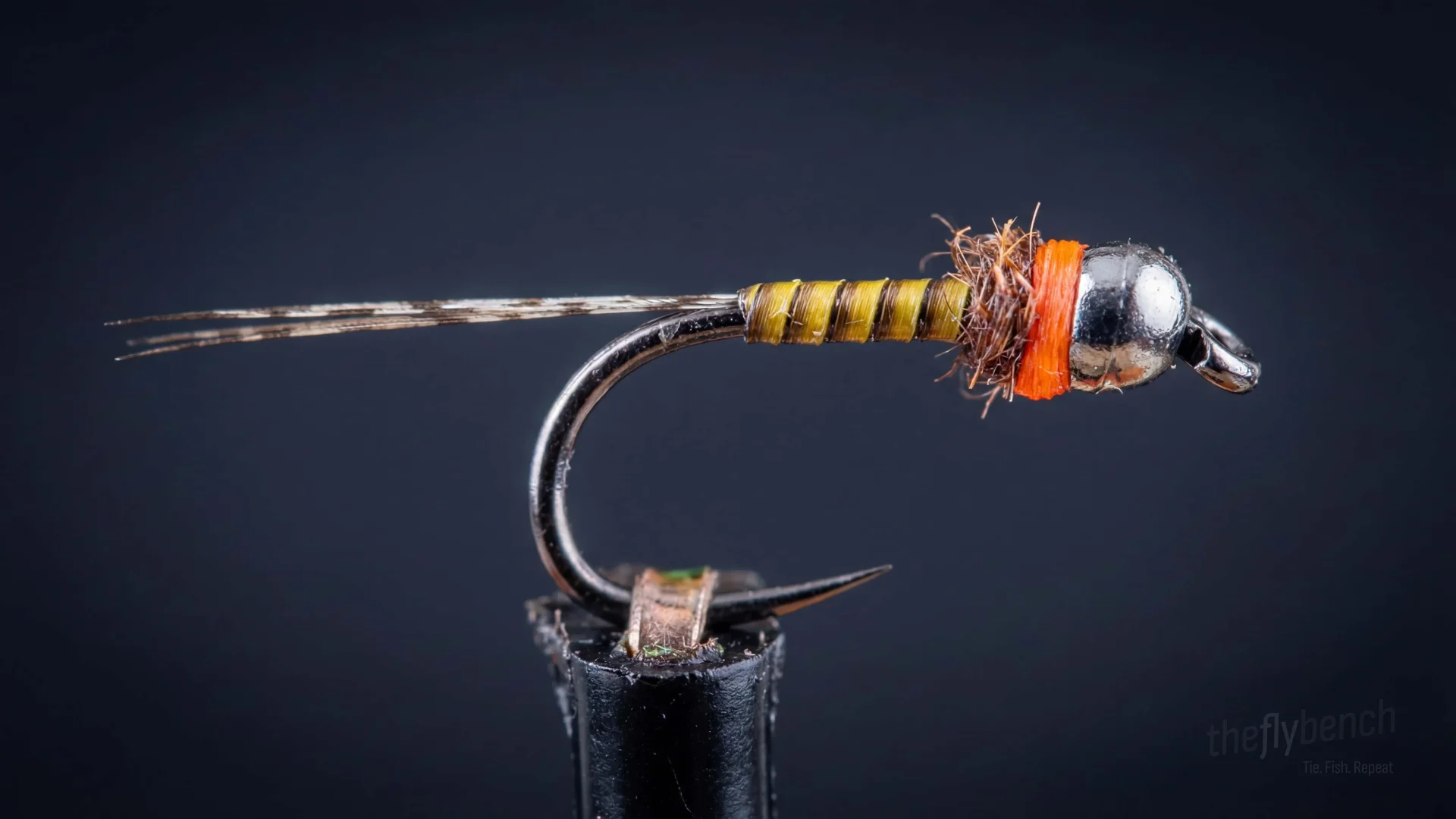
The Blue Wing Olive Quill Nymph is a highly effective fly that imitates a common aquatic insect in its nymph stage. Its realistic body and exact proportions make it a go-to nymph pattern for many anglers.
Spring, Summer, Fall
Intermediate
Trout
Apr 2025
Overview
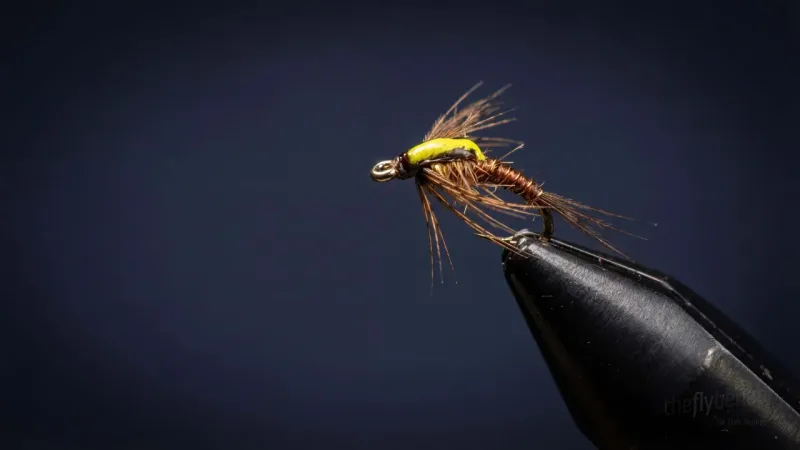
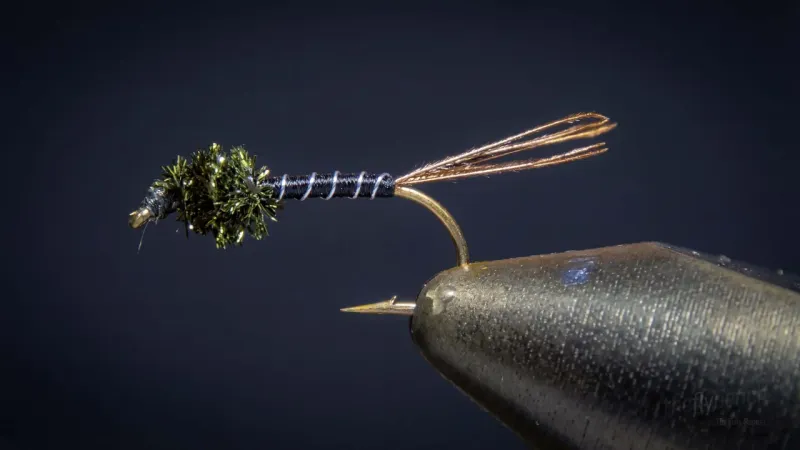
The Blue Wing Olive Quill Nymph is a slender, realistic mayfly imitation that excels during BWO hatches. Its segmented body, typically made from stripped peacock or dyed quill, creates a lifelike profile that works well in clear, pressured water where subtlety is key.
Where to Buy This Fly
We only link to fly shops we trust. Some links are referral links, which may earn us a commission at no extra cost to you.
Materials
- Hook:
- Daiichi 1560, size #16–#20
- Bead:
- Tungsten bead, 2mm, silver
- Thread:
- 6/0, fire orange
- Tail:
- Medium Pardo Coq de Leon, sparse
- Abdomen:
- Peacock quill, Golden olive, stripped
- Collar/thorax:
- Squirrel dubbing, dark brown
- Hot Spot:
- Tying thread
Behavior & Presentation
Natural Behavior: Agile swimmers dart between rocks and vegetation in moderate currents, then tumble with legs tucked during behavioral drift. Low-light periods intensify this drifting behavior, concentrating nymphs in feeding lanes.
Where Trout Eat It: Fish position in freestone rivers, spring creeks, and tailwaters to intercept drifting BWO nymphs.
How to Fish It: High-stick or tight-line approach maintains natural drift through feeding lanes and current seams near bottom.
Best Water: Focus on current seams, riffle edges, runs, and tail-outs where behavioral drift concentrates nymphs.
Strike Type: Takes manifest as a brief pause in the drift or a quick twitch of the indicator, often occurring when the fly swings across current seams.
Fishing Strategy
Rigging Suggestions: Use as a dropper 18-24 inches behind a dry fly, or fish in a traditional two-nymph rig with a heavier point fly. Pair with 9-12 foot leaders tapered to 5X or 6X.
Seasonal Timing: Most productive from March through May and September through November during peak Blue Wing Olive hatches in water temperatures of 45-58°F. Fish when BWO mayflies are active and trout are feeding subsurface before the hatch emerges.
Pro Tips: Watch your indicator or line tip closely as takes can be extremely subtle with this smaller profile. The quill body creates a realistic segmentation that selective fish find difficult to refuse.
Entomology
Baetis and other small mayfly nymphs are agile swimmers that dart between rocks and vegetation, primarily in moderate to swift currents. They exhibit pronounced behavioral drift during low-light conditions, tumbling helplessly in the current with their legs tucked against their bodies. This drift behavior makes them highly available to feeding trout, particularly during overcast days and winter months when BWO emergences are most prolific.
- Order
- Ephemeroptera
- Common Name
- Mayfly
- Organism Type
- insect
- Life Stage
- general