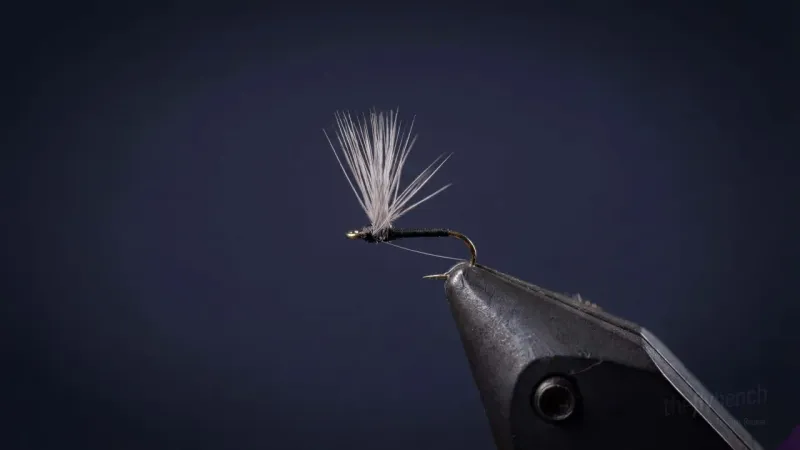
NymphPMD Transition Flymph
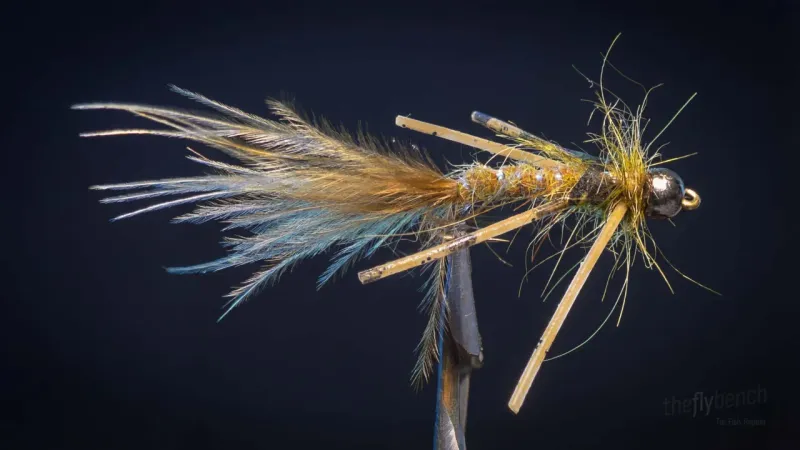
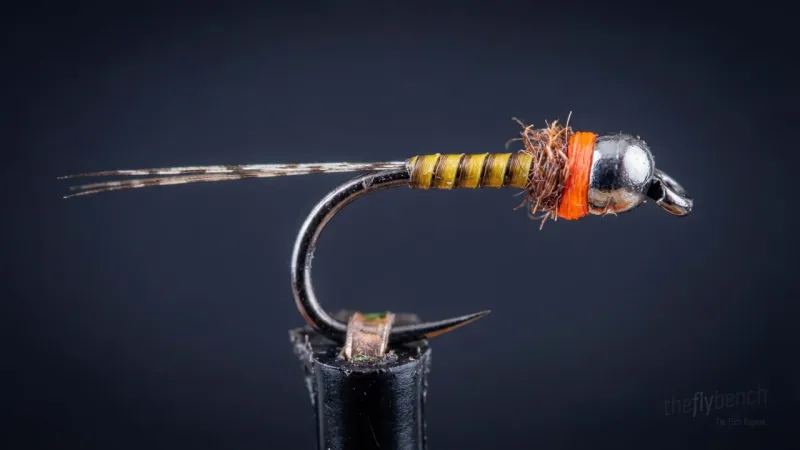
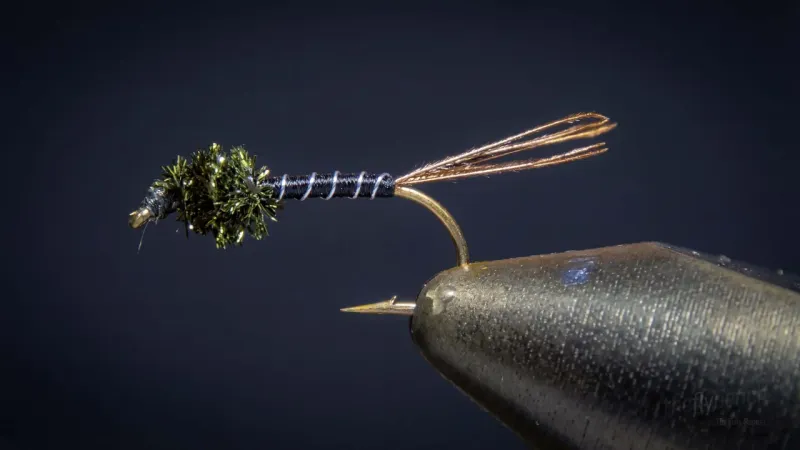
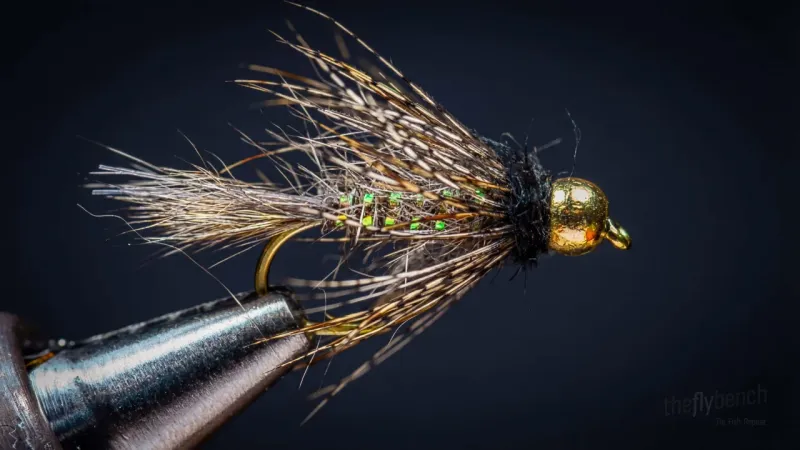
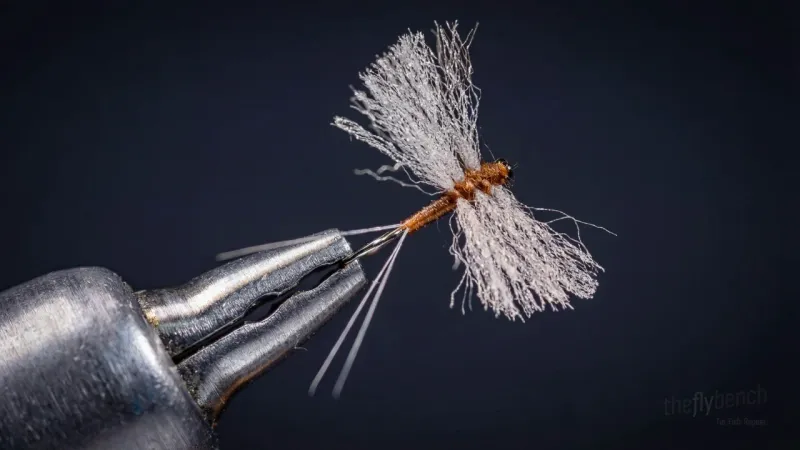
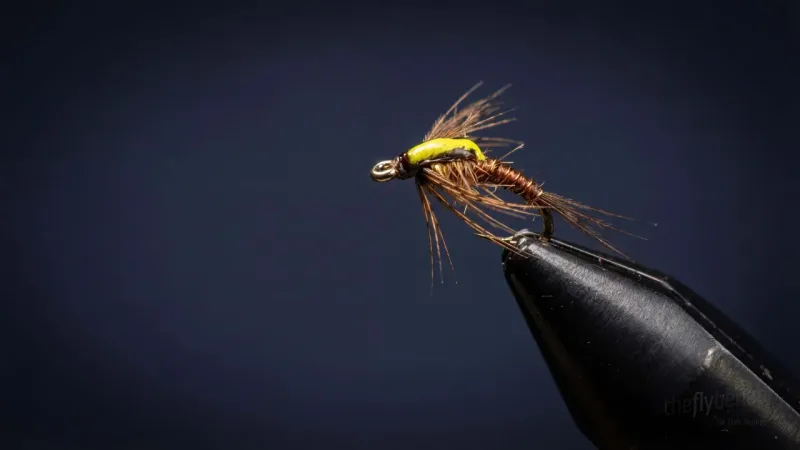
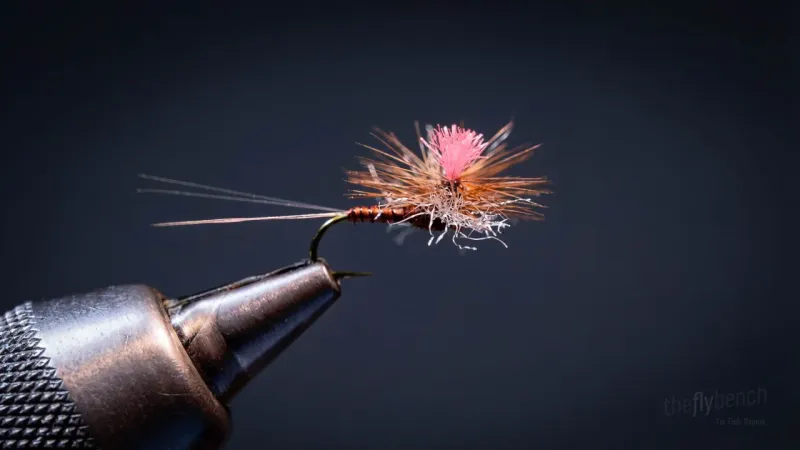
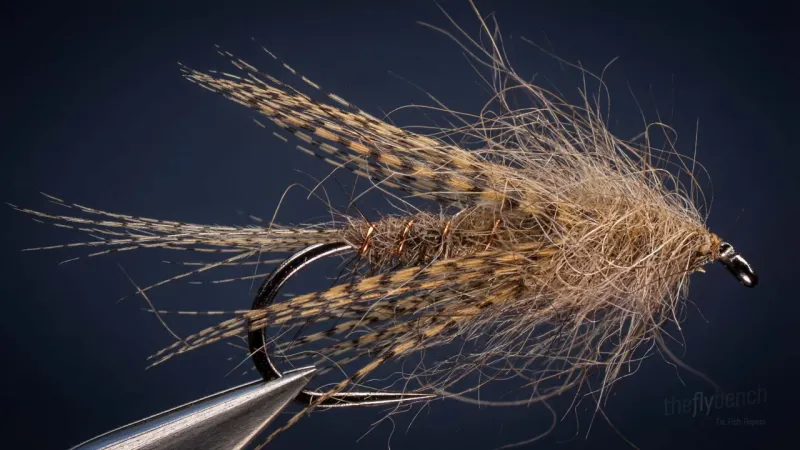
The PMD Transition Flymph is a nymph pattern designed by Bob Wyatt. This effective pattern combines traditional materials with proven techniques for consistent results in a variety of water conditions.
Spring, Summer, Fall
Intermediate
Trout
Feb 2026
Overview
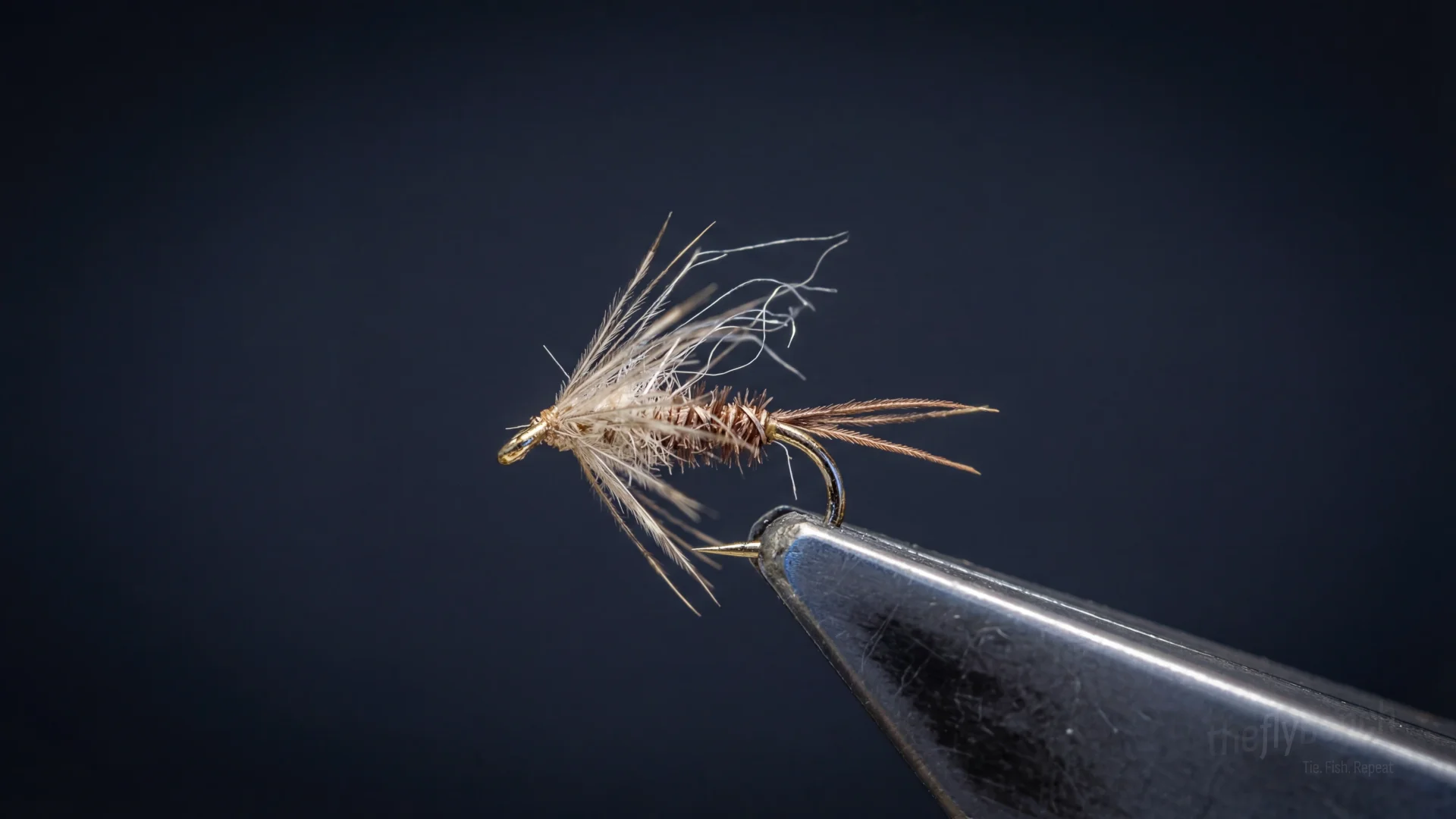
Designed by Bob Wyatt, this pattern bridges the gap between nymph and emerger stages of PMD hatches. The soft hackle and slim profile create subtle movement in the surface film, mimicking mayflies struggling to emerge. Natural pheasant tail fibers and partridge hackle provide lifelike translucency and motion. Best fished with a dead drift or slight twitch during the transition period when fish key on vulnerable insects.
Where to Buy This Fly
We only link to fly shops we trust. Some links are referral links, which may earn us a commission at no extra cost to you.
Materials
- Hook:
- TMC 3761
- Thread:
- To match the natural
- Tail:
- Hackle fibers or Coq de Leon
- Rib:
- Fine gold wire (optional)
- Hackle:
- Hen neck, to match the natural
- Body:
- Hare dubbing to match the natural, spiky
Behavior & Presentation
Natural Behavior: Pale Morning Dun nymphs swim actively just beneath the surface as they transition to emergence, suspended in the vulnerable zone between bottom safety and airborne escape. Fish feed confidently in this narrow window when the insects are fully exposed yet unable to fly.
Where Trout Eat It: Upper water column just below the surface in tailwater runs with smooth currents, spring creeks, freestone stream riffles and pools, feeding lanes, and current seams. Focus on water depths of 2-4 feet.
How to Fish It: Fish with a downstream swing or dead drift in the upper water column to imitate emerging PMD nymphs ascending to the surface because this matches their vulnerable ascent behavior. Use a high-stick technique with occasional lifts to simulate the struggling emerger. Allow the soft hackle to provide natural movement in the current. Maintain contact throughout the drift.
Best Water: Tailwater runs with smooth currents, spring creeks, freestone stream riffles and pools, current seams, feeding lanes in water depths of 2-4 feet where emergers are most vulnerable.
Strike Type: Subtle tightening or hesitation as trout intercept ascending emergers just below the surface. Watch for subsurface flashes or bulges indicating takes.
Fishing Strategy
Rigging Suggestions: Use a 10-12ft 5X or 6X tippet for technical presentations. Fish with a greased leader technique, keeping the fly just below the surface film. No added weight is typically needed. In deeper runs, add a single split shot 18 inches above.
Seasonal Timing: Most productive late May through August during Pale Morning Dun hatches, with peak effectiveness in June and July because this aligns with peak PMD emergence. Fish during morning hours from 9 AM through 1 PM when PMD emergences are most concentrated. Effective when water temperatures are 54-64°F during the transition phase of the hatch. Most effective during the early stages of a hatch when fish focus on vulnerable emergers.
Pro Tips: The transition flymph is most effective during the critical moments when PMD nymphs are ascending but haven't reached the surface. Fish it when you see subsurface activity but few surface rises.
Entomology
Pale Morning Dun nymphs swim actively just beneath the surface as they transition to emergence, suspended in the vulnerable zone between bottom safety and airborne escape. Fish feed confidently in this narrow window when the insects are fully exposed yet unable to fly.
- Order
- Ephemeroptera
- Common Name
- Mayfly
- Organism Type
- insect
- Life Stage
- general