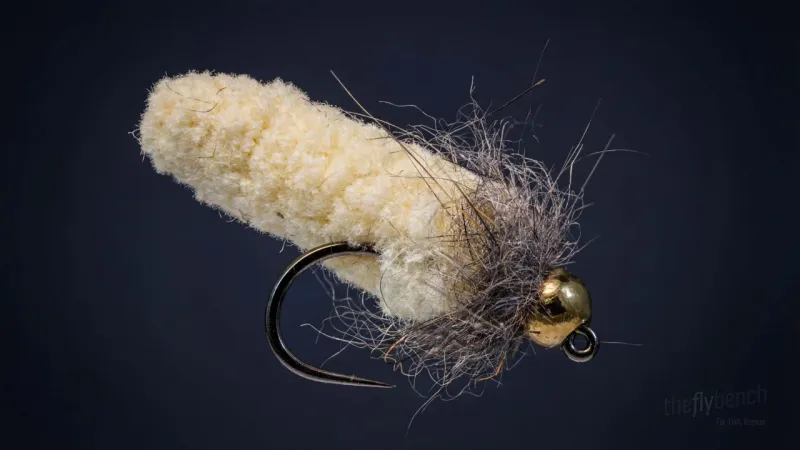
Dry FliesPuterbaugh Foam Caddis
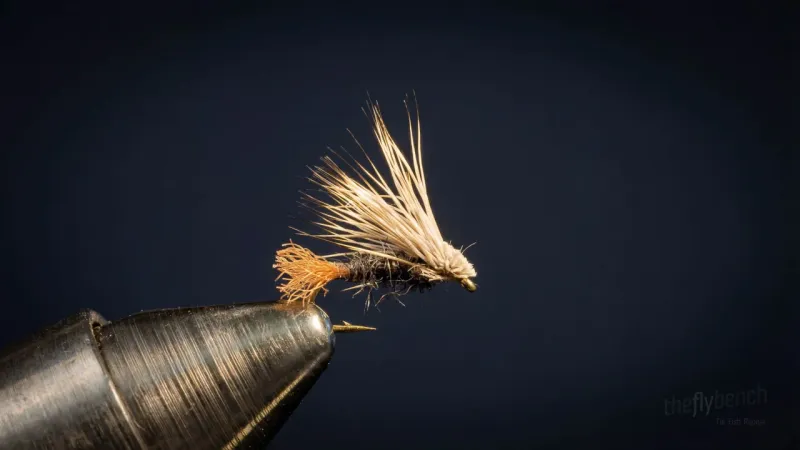
The Puterbaugh Foam Caddis is a highly buoyant, durable dry fly designed to imitate adult caddisflies. Its foam body floats all day, even in choppy riffles, making it a favorite among guides and anglers alike.
Spring, Summer, Fall
Beginner
Trout
Apr 2025
Overview
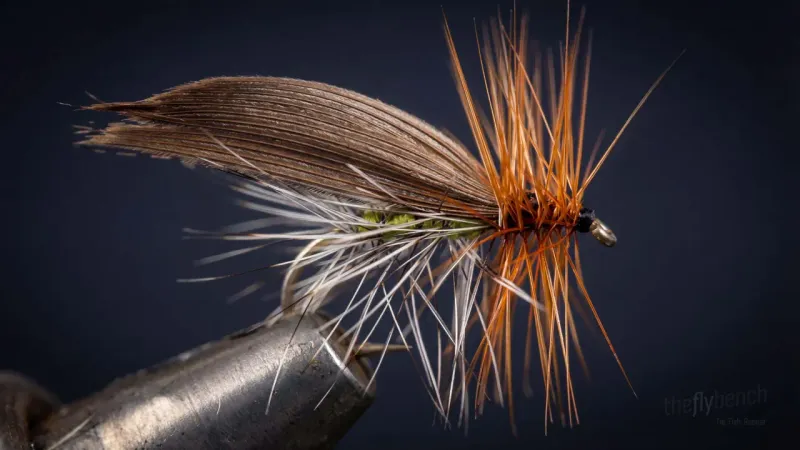
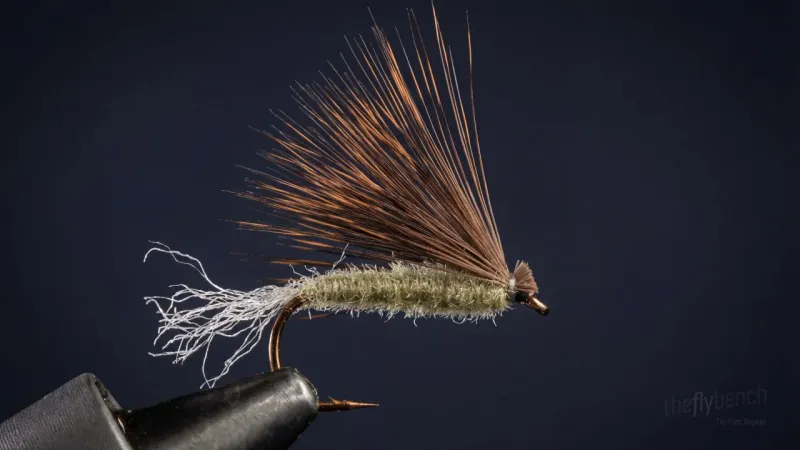
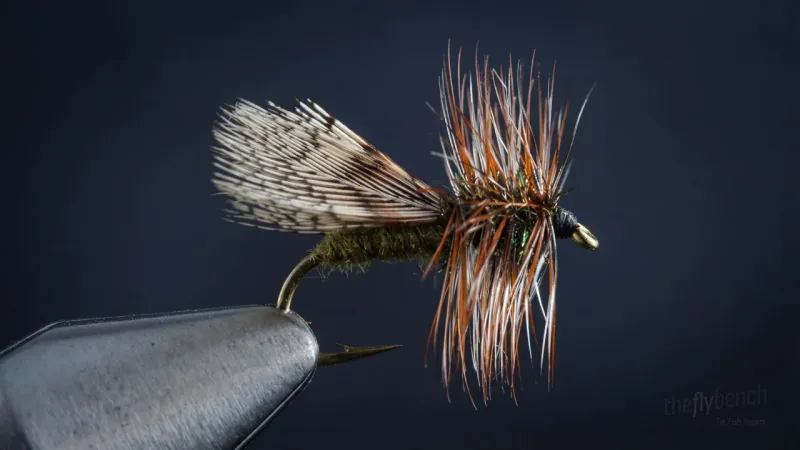
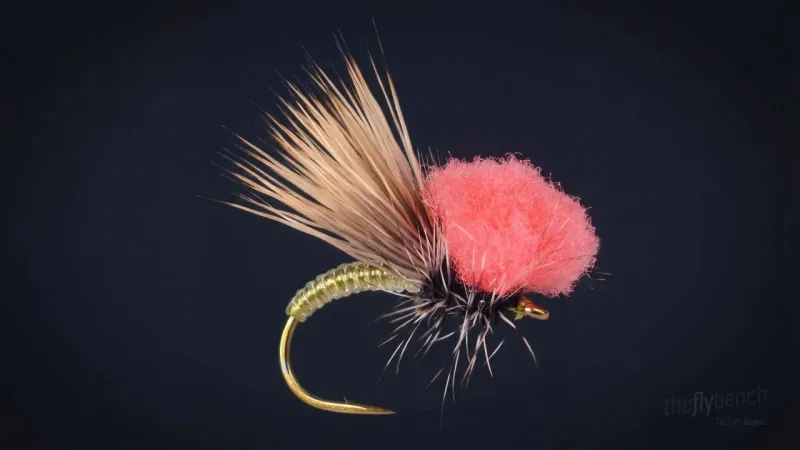
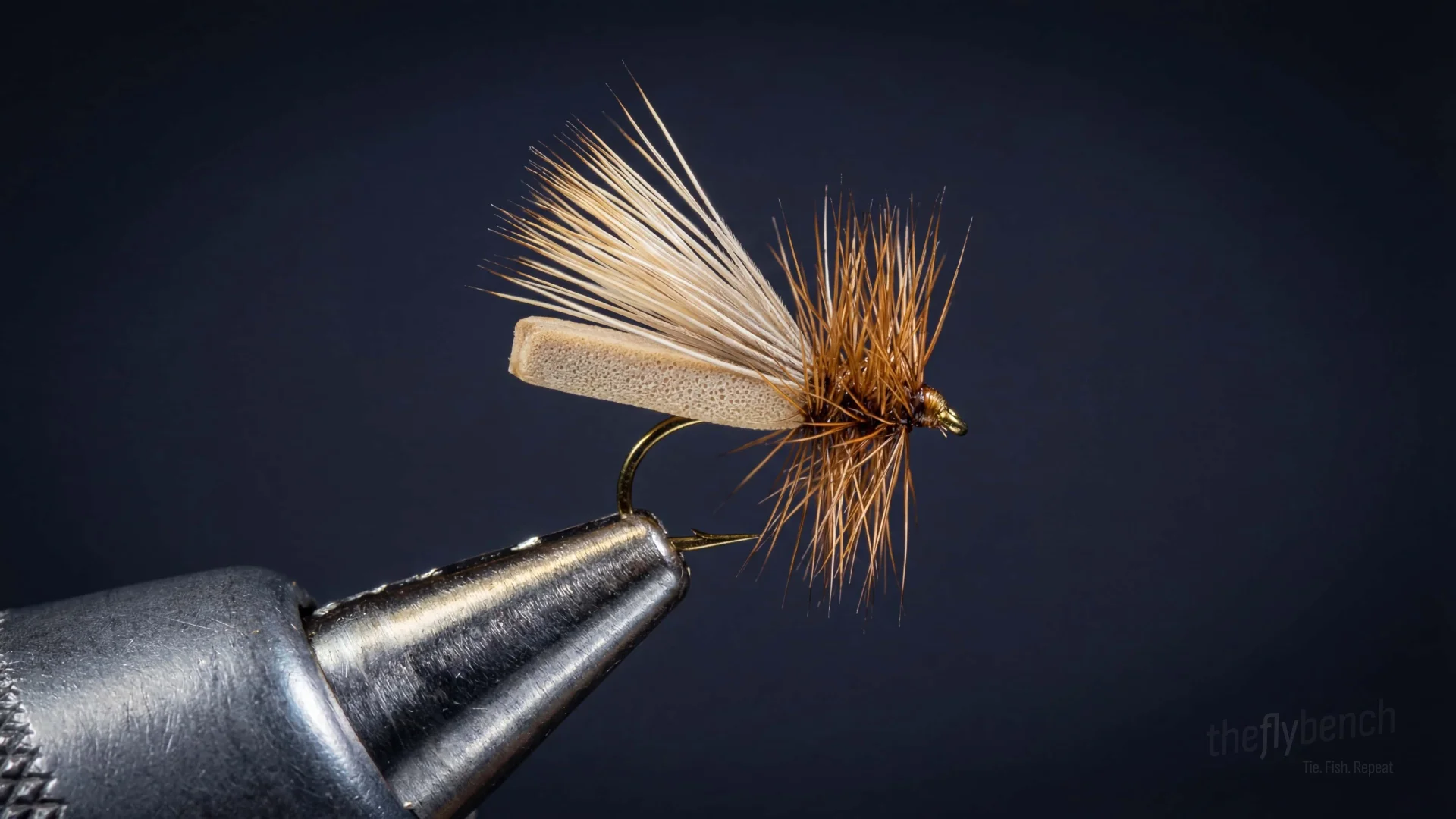
This high-floating caddis dry fly uses a folded foam body to mimic the wing silhouette of an adult caddis. Tied with a dubbed body, short legs or hackle for movement, and a strip of foam folded over as the wing, it's durable and floats well in riffles and fast water. The foam adds buoyancy while keeping the pattern simple and effective.
Where to Buy This Fly
We only link to fly shops we trust. Some links are referral links, which may earn us a commission at no extra cost to you.
Materials
- Hook:
- Firehole Sticks 419, Tiemco 100SP-BL #14-18
- Thread:
- 14/0 Veevus, Gold, UTC 70 denier, Tan
- Body:
- Tan 2mm Foam
- Underwing:
- Z-Lon or Antron yarn
- Wing:
- Elk Hair
- Hackle:
- Rooster Neck or Saddle Brown/Grizzly
Behavior & Presentation
Natural Behavior: During egg-laying flights, adult caddis hop and flutter across turbulent water, repeatedly touching down on the surface. This animated surface activity with visible wing movements triggers aggressive strikes in fast water.
Where Trout Eat It: Fish hold in feeding lanes through riffles, pocket water, and fast runs where caddis emerge and deposit eggs.
How to Fish It: Dead drift through riffles and pocket water, occasionally twitching or skating the fly to mimic fluttering egg-laying behavior.
Best Water: Target riffles, pocket water, seams, and current breaks in freestone streams where caddis activity concentrates.
Strike Type: Aggressive splashy strikes or explosive boils mark caddis takes; set immediately when you see the rise form.
Fishing Strategy
Rigging Suggestions: Use 4X-5X tippet with 9-foot leaders for standard presentations. Fish solo during heavy hatches or use as the lead fly in a dry-dropper rig with a size 16-18 soft hackle or emerger trailing 18-24 inches behind. The buoyant body supports trailing nymphs well.
Seasonal Timing: Most effective from April through September, with peak productivity during caddis hatches (May-June) and again during late (August-September) when multiple caddis species are active throughout the day.
Pro Tips: The foam body and elk hair wing provide exceptional floatation in rough water. Apply floatant to hackle and wing for maximum float time. Sizes 12-16 match most common caddis species.
Entomology
Adult caddisflies land on the water to deposit their eggs, skating and hopping across the surface with erratic movements that create distinctive rings and ripples. Trout respond to this animated surface activity with explosive strikes, particularly during evening egg-laying flights when caddis appear in dense concentrations.
- Order
- Trichoptera
- Common Name
- Caddisfly
- Organism Type
- insect
- Life Stage
- adult