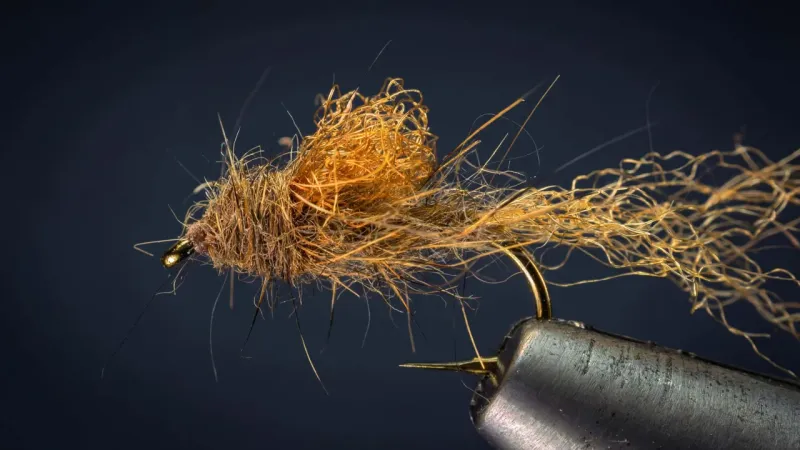
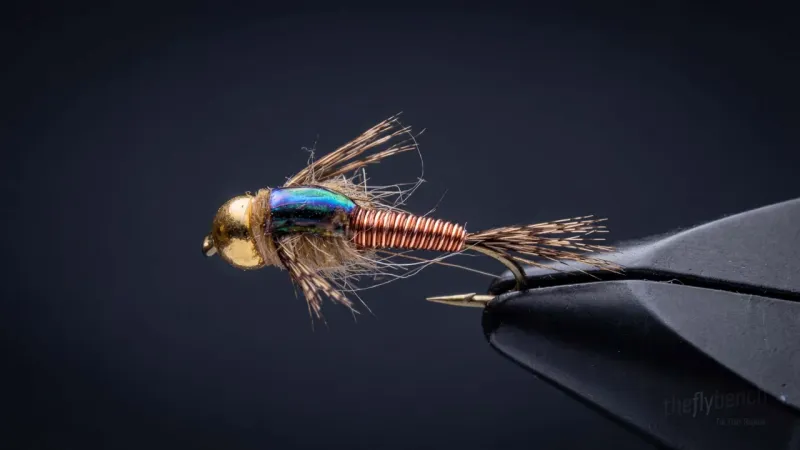
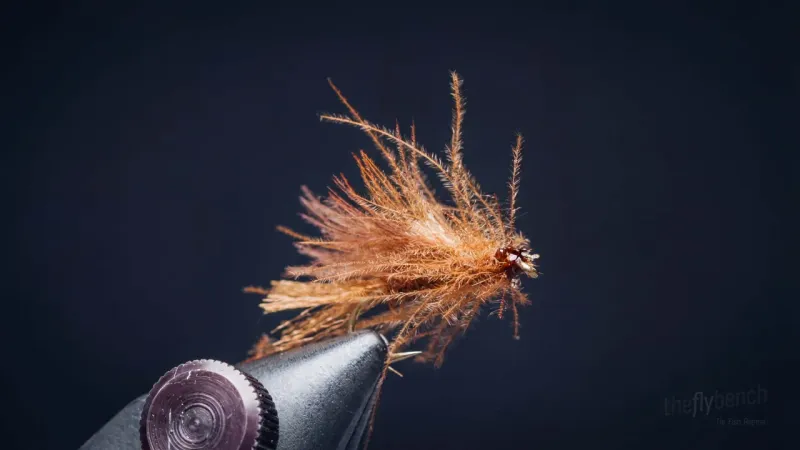
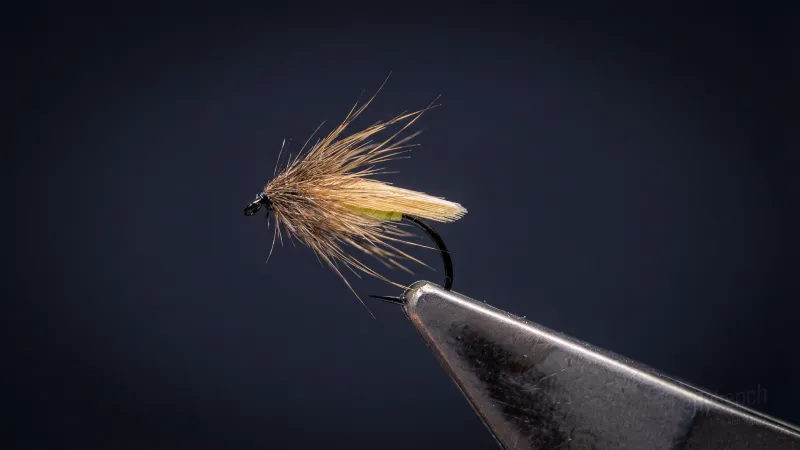
Dry FliesSpent Partridge Caddis
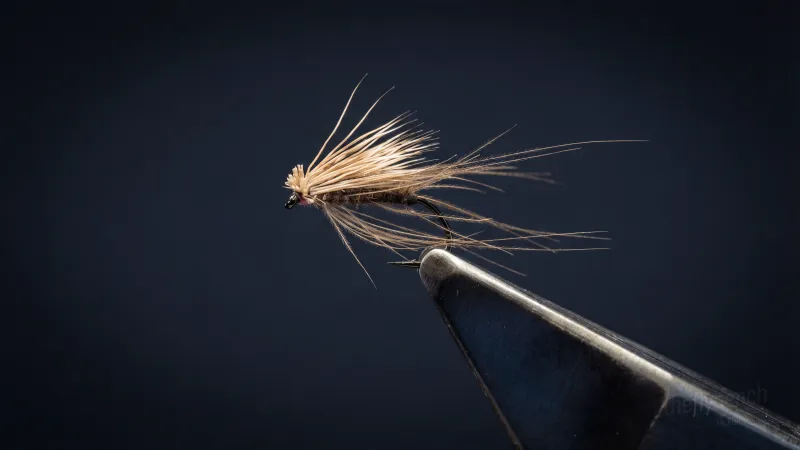
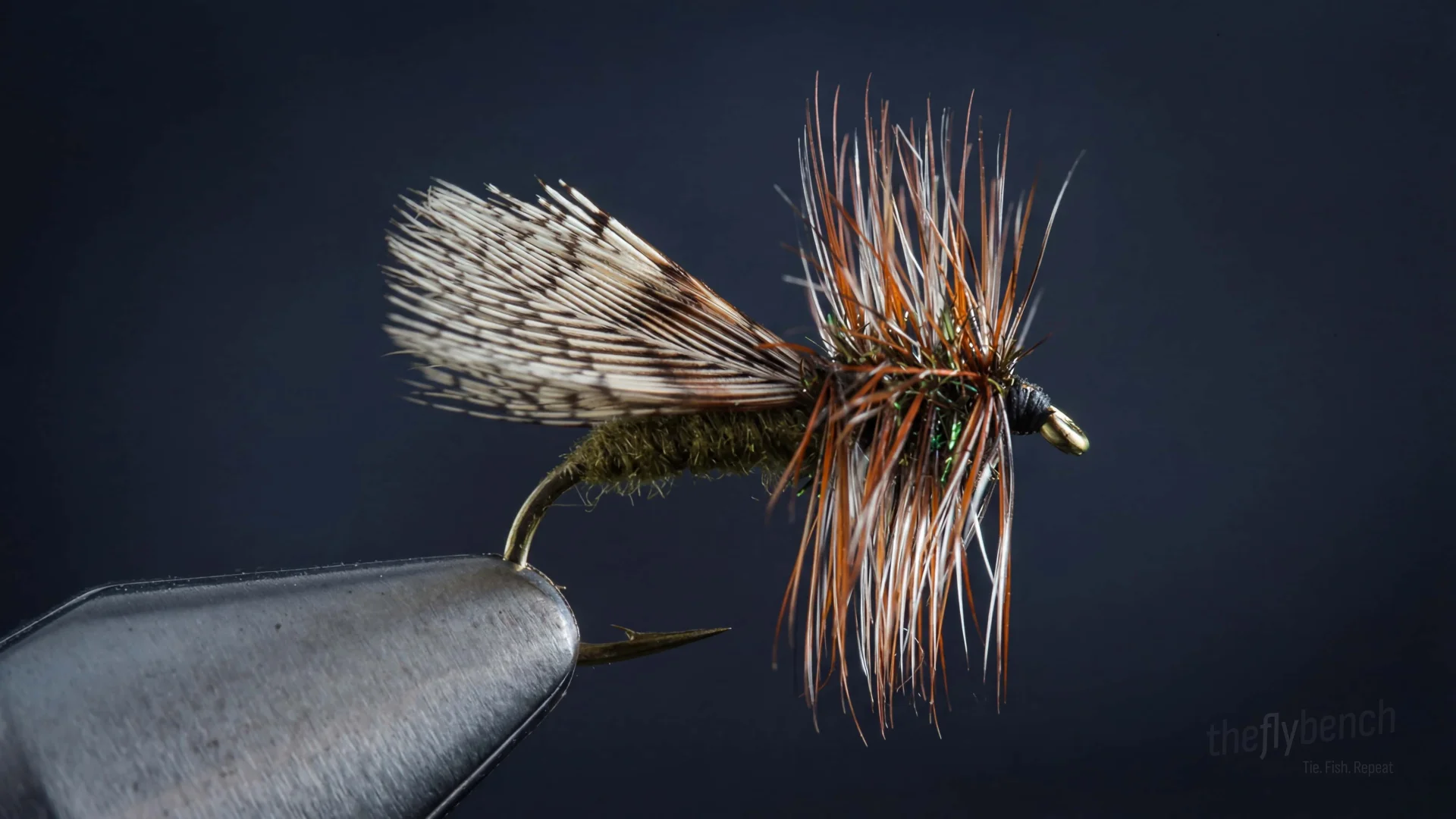
The Spent Partridge Caddis effectively imitates a spent caddis fly, making it a top choice during a caddis hatch. The Partridge feather gives it a realistic profile and motion in the water.
Spring, Summer
Beginner
Trout
Apr 2025
Overview
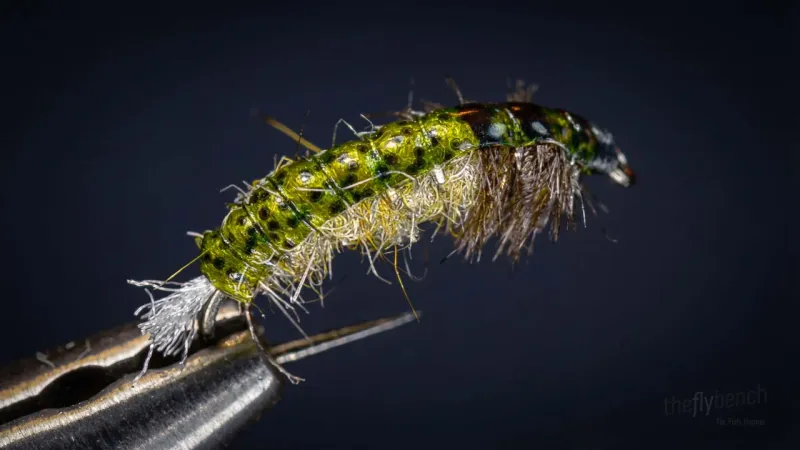
This spent-wing caddis imitation uses partridge feathers splayed flat for wings, with a dubbed or twisted body and trailing shuck. It rides flush in the surface film, perfectly mimicking a caddis after egg-laying or one that's expired on the water.
Where to Buy This Fly
We only link to fly shops we trust. Some links are referral links, which may earn us a commission at no extra cost to you.
Materials
- Hook:
- Standard dry-fly hook (e.g. TMC 100), sizes 14-16
- Thread:
- 6/0, olive
- Abdomen:
- Ginger Hare Tron Dubbin
- Underwing:
- Caddis-amber Straight Zelon
- Wing:
- Hungarian partridge feathers
- Thorax:
- Hare's ear dubbing
Behavior & Presentation
Natural Behavior: Exhausted female caddisflies collapse flush in the film after completing egg-laying runs, their wings splayed flat and bodies motionless as they drift lifeless in current lanes. Unlike actively fluttering adults, these spent insects present no escape threat, triggering confident feeding responses from selective trout that have learned to target this easy, protein-rich meal.
Where Trout Eat It: Fish feed on exhausted caddis in smooth glides, riffles 1-4 feet deep, and moderate runs where insects collapse after egg-laying.
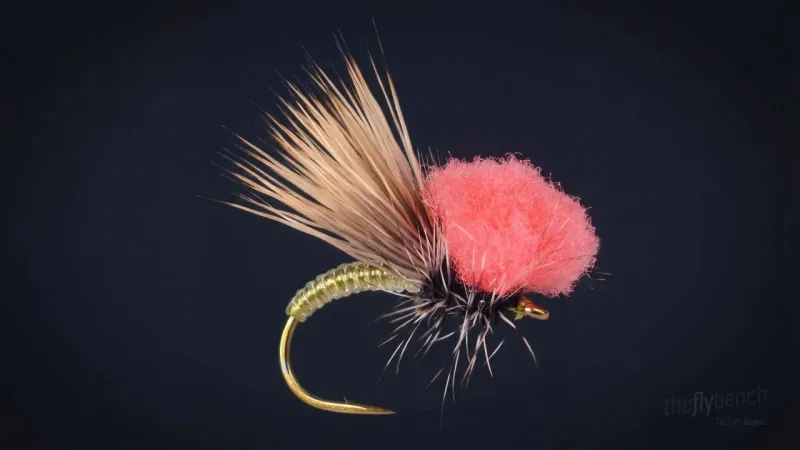
How to Fish It: Cast upstream with slack line for drag-free drifts. Fish as dropper 18-24 inches behind EZ Caddis during last hour of daylight.
Best Water: Riffle heads with moderate flow, pocket water with rocky substrate, soft edges 2-4 feet deep, and bubble lines concentrating spent insects.
Strike Type: Deliberate nose-pokes or calm sipping rises reveal fish feeding confidently on motionless adults.
Fishing Strategy
Rigging Suggestions: Use 5X-6X tippet (4-5 lb test) on 9-12 foot leaders. Consider 7X for selective fish in clear water. Single fly presentations work best during heavy hatches.
Seasonal Timing: Prime time is May through September during major caddis emergences. Peak activity occurs in June and July. Water temperatures between 55-68°F trigger the most consistent hatches.
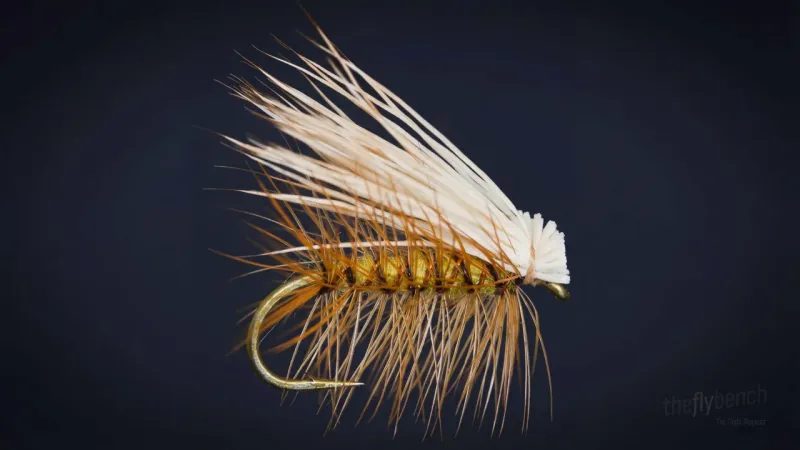
Pro Tips: The deer hair wing provides excellent floatation and visibility. Pre-treat with desiccant powder for extended float times. The partridge hackle creates a convincing spent-wing silhouette when viewed from below.
Entomology
Exhausted caddisflies collapse in the surface film after egg-laying, their wings splayed flat as they float motionless in current lanes. Fish gorge on these spent adults during spinner falls, recognizing the easy meal represented by insects too fatigued to escape or fly away from the water.
- Order
- Trichoptera
- Common Name
- Caddisfly
- Organism Type
- insect
- Life Stage
- adult