NymphMicro Madison Baetis
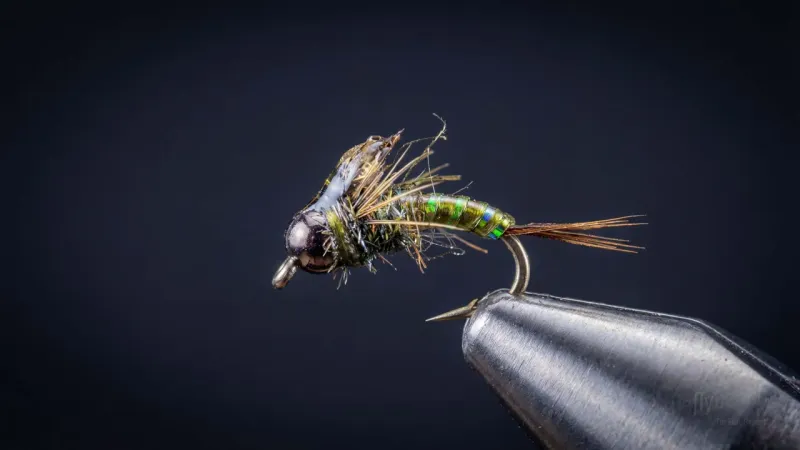
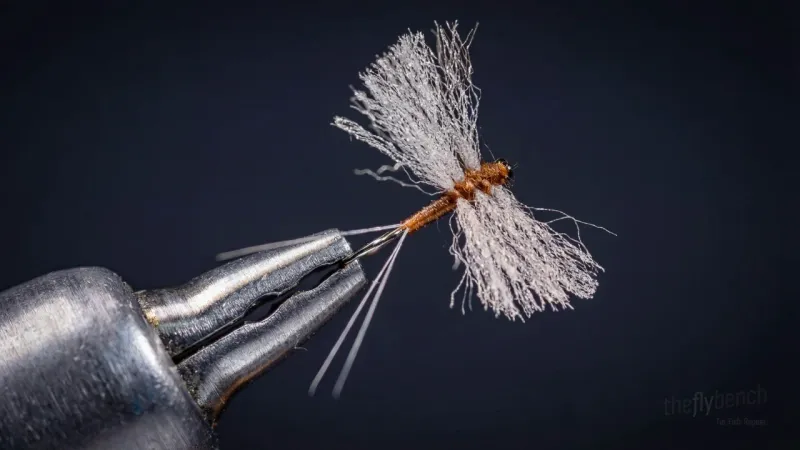
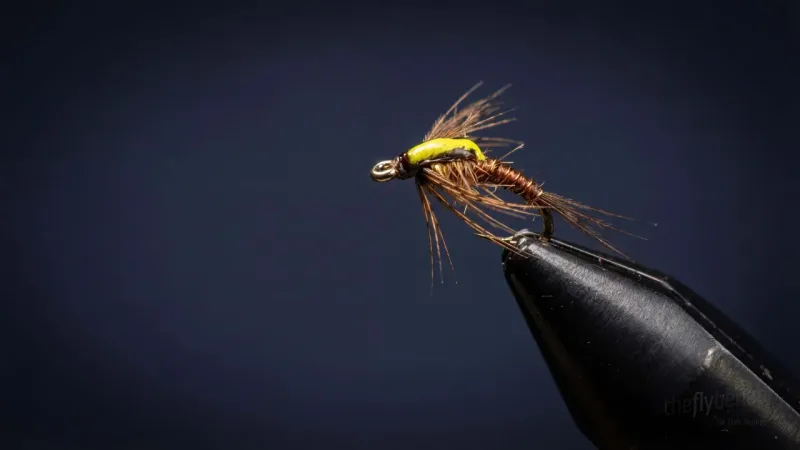
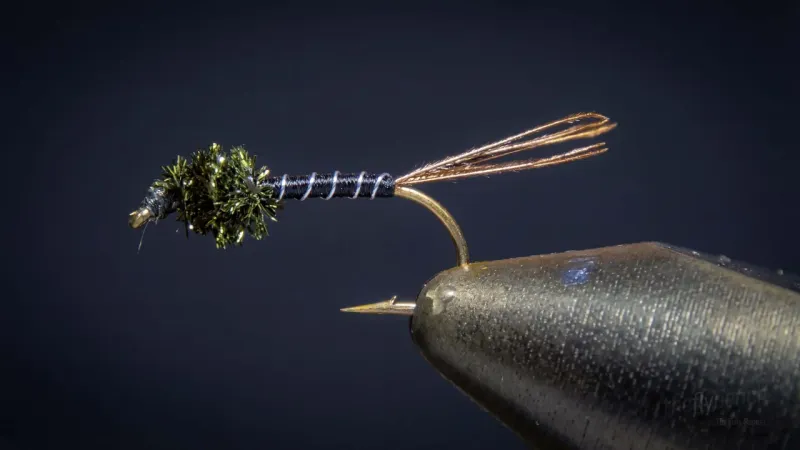
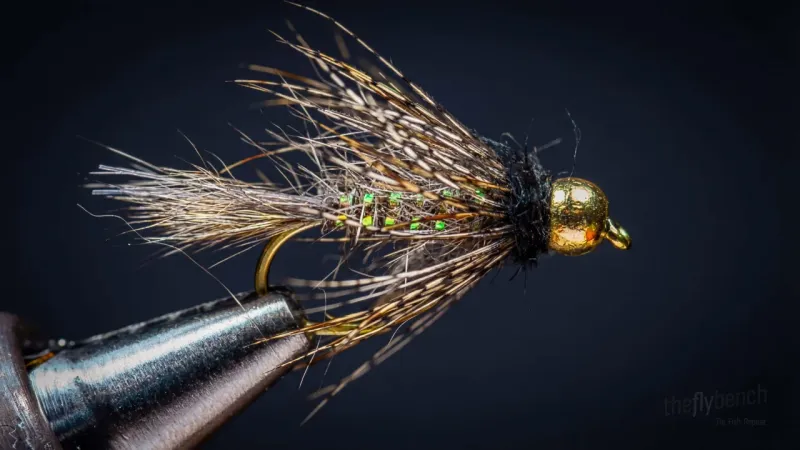
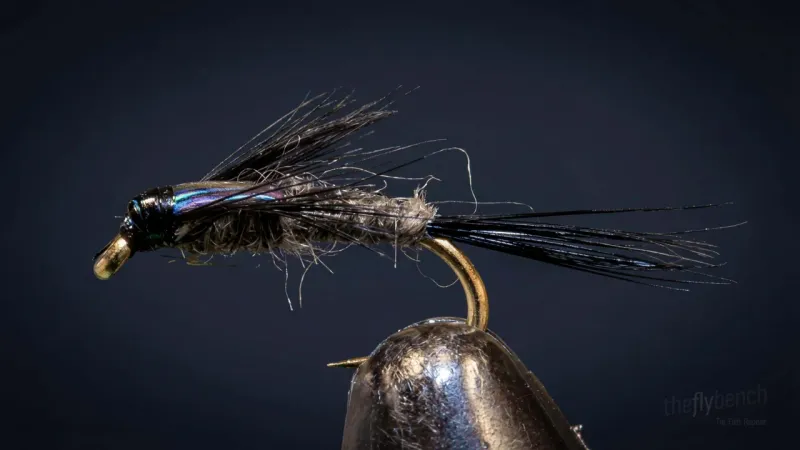
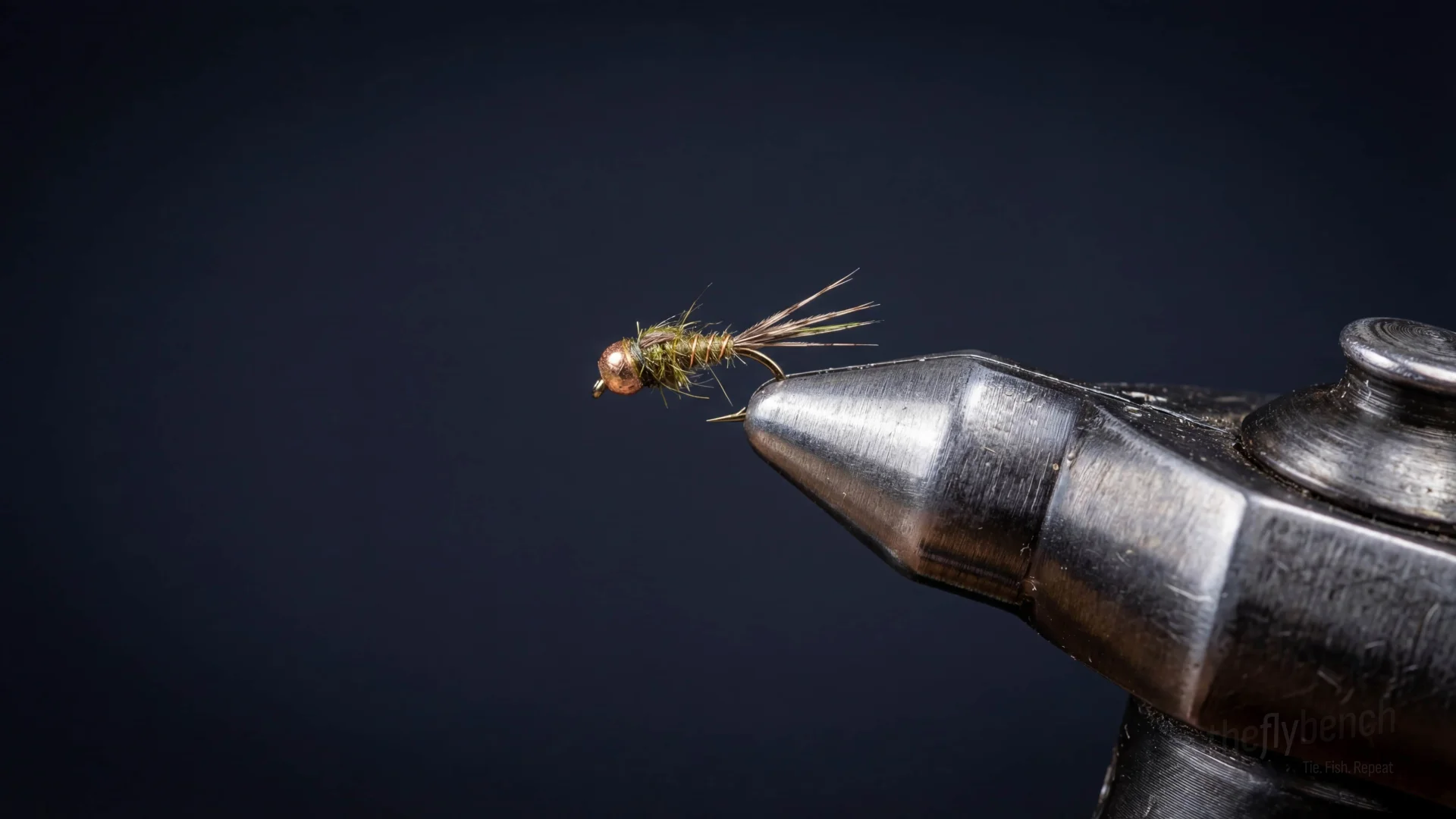
The Micro Madison Baetis is a small, precise mayfly nymph developed for the technical waters of the Madison River and similar fisheries. The Hungarian partridge tail, Baetis olive dubbing thorax, and opal mirage wing case combine to create a realistic Baetis nymph imitation. The copper bead adds weight without overwhelming the slim profile.
Spring, Fall
Intermediate
Trout
Dec 2025
Overview
The Micro Madison Baetis was developed for the demanding trout of the Madison River where Baetis hatches bring fish to feed selectively. The pattern captures the essential elements of a Baetis nymph without unnecessary bulk. The opal mirage wing case adds subtle flash that mimics the gas bubble forming under natural nymph wing cases.
Materials
Hook: Tiemco 3769 or Umpqua U105, #18
Thread: Uni-Thread, 8/0, tan
Bead: Brite Bead, 5/64", copper
Tail: Hungarian Partridge, natural
Rib: Ultra Wire, small, brown
Thorax: Zelon Dubbing, Baetis olive
Wing Case: Mirage Opal Tinsel, medium
Behavior & Presentation
Natural Behavior: Tiny Baetis nymphs release from moss beds and gravel during velocity changes, tumbling as dark specks through the drift. Their minuscule profile and consistent presence make them fundamental diet components that trout feed on continuously.
Where Trout Eat It: Fish intercept drifting nymphs in bottom currents through seams and feeding lanes, with slower runs allowing selective feeding on specific sizes. Technical waters demand precise depth control for success.
How to Fish It: Drag-free drift through seams and feeding lanes with light tippet allows natural movement. Precise depth control positions the small copper bead in the feeding zone where Baetis nymphs naturally tumble.
Best Water: Focus on seams where Baetis nymphs collect, slower runs with inspection time, and current breaks that concentrate small drifting insects.
Strike Type: Subtle indicator movements or barely perceptible line tightening requires focused attention and gentle sets.
Fishing Strategy
Rigging Suggestions: Fish as a dropper below a larger nymph or in a tandem rig during Baetis activity. Light tippet (5X-6X) aids natural drift.
Seasonal Timing: Most effective during Baetis hatches. These hatches often occur on overcast days and can extend through afternoon hours.
Pro Tips: Sinks steadily with the copper bead. The opal flash helps fish and angler locate the fly.
Entomology
Tiny Baetis nymphs colonize moss beds and gravel interstices, releasing into the drift when water velocities increase or during behavioral migrations. Their minuscule profile and consistent presence in tailwaters and spring creeks make them a fundamental component of the trout diet.
- Order
- Ephemeroptera
- Family
- Baetidae
- Common Name
- Baetis
- Organism Type
- insect
- Life Stage
- general