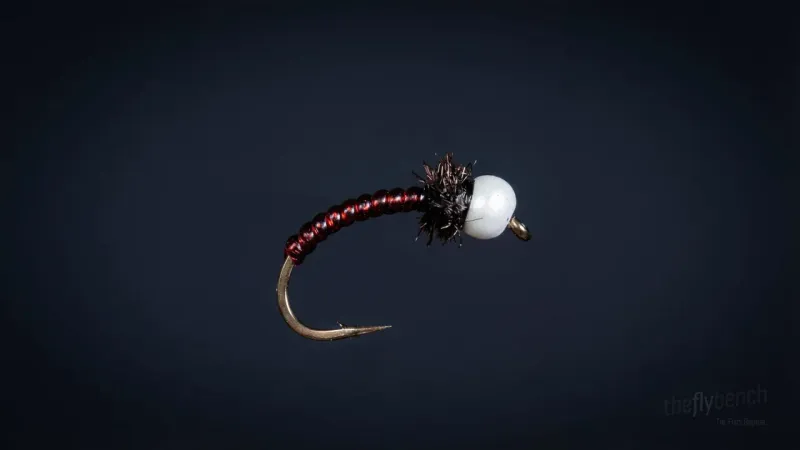
LeechPumpkin Head
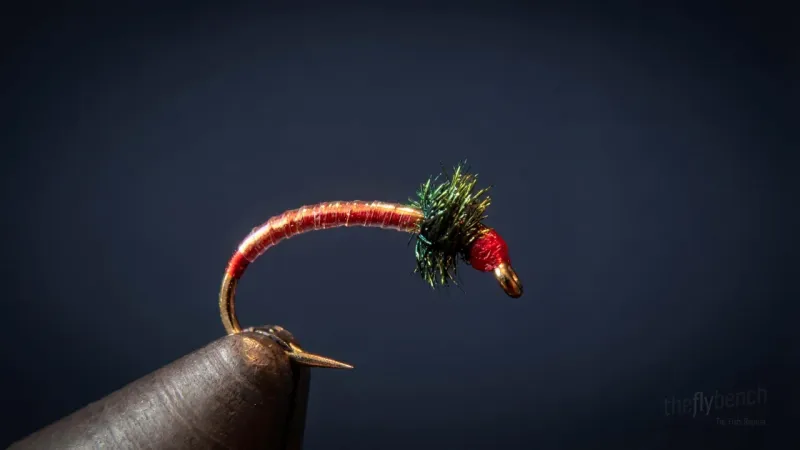
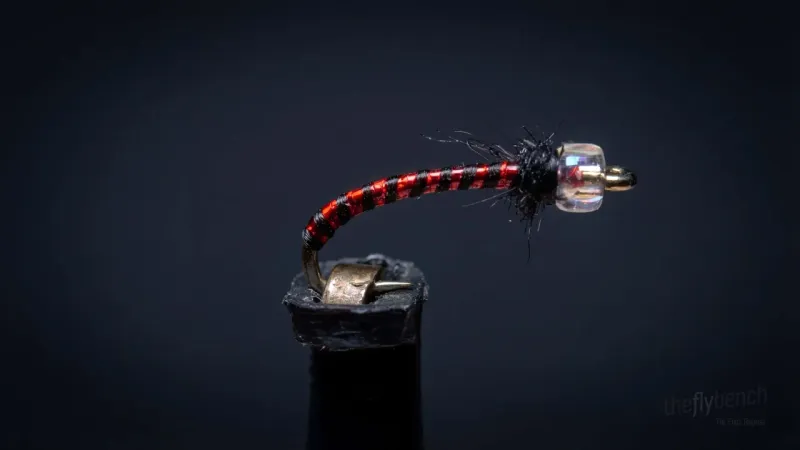
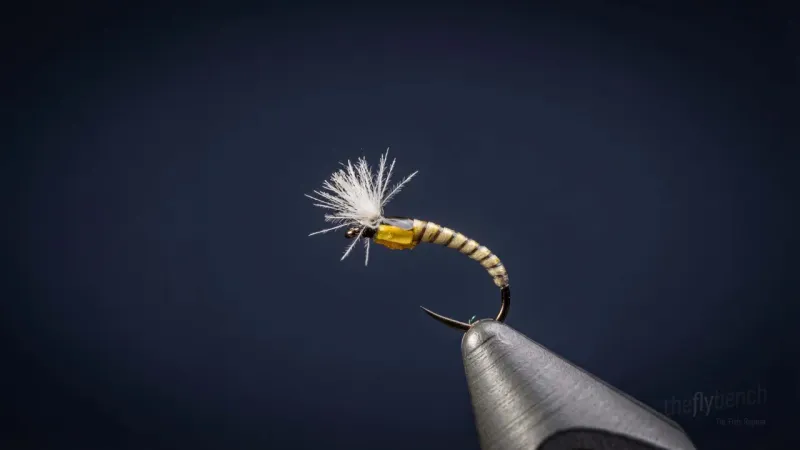
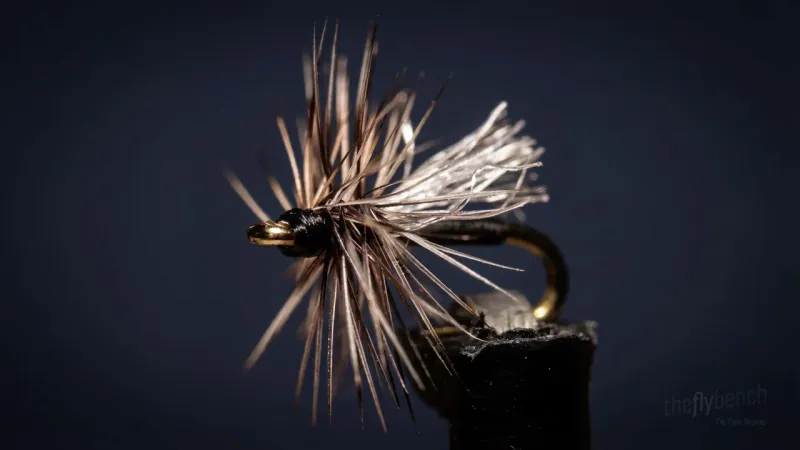
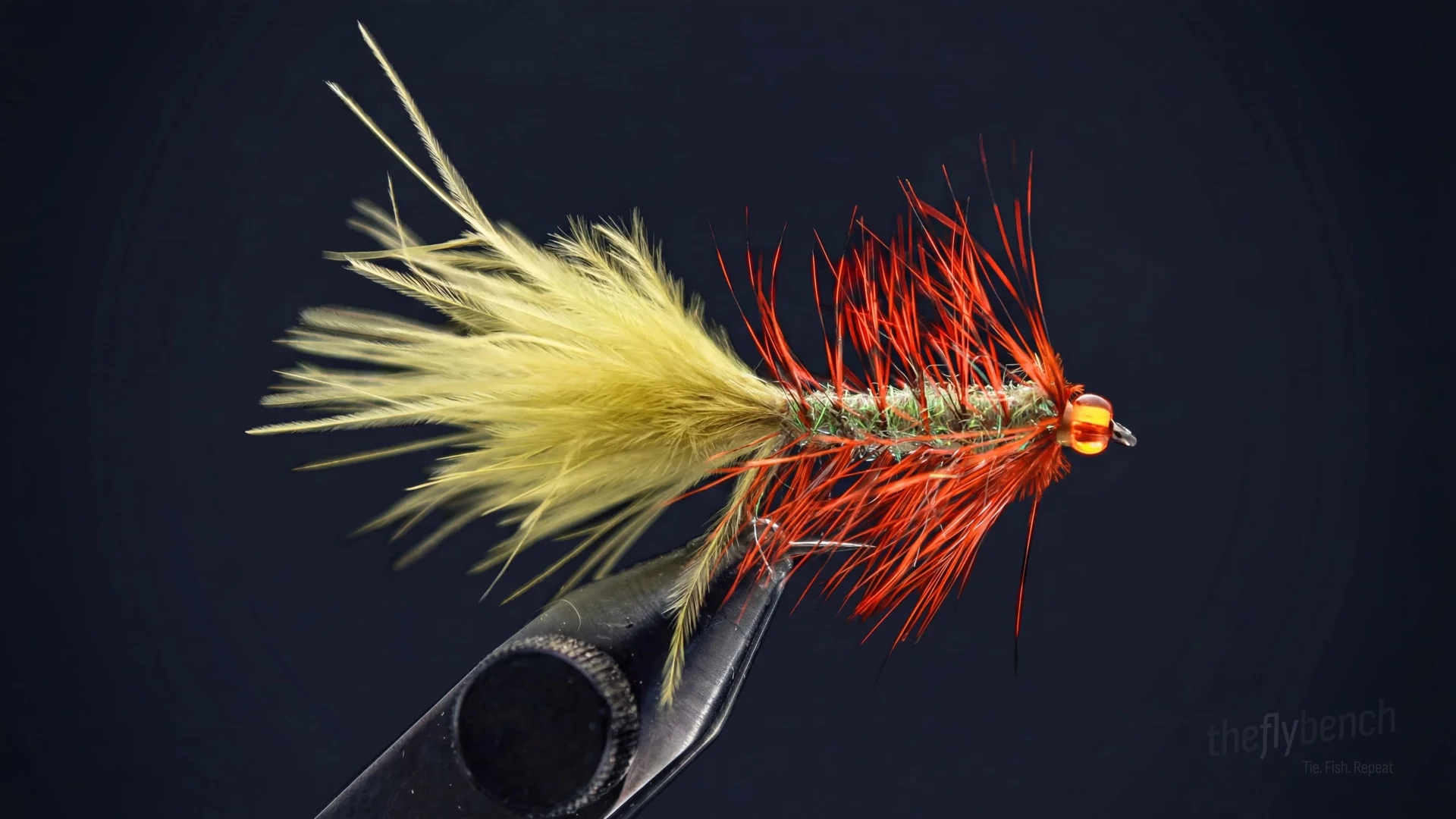
The Pumpkin Head is a popular stillwater fly pattern that was originally designed for targeting rainbow trout in British Columbia's interior lakes. Its bright orange bead head and marabou tail make it a great attractor pattern, and it can be especially effective in the fall when trout are actively feeding.
Fall
Beginner
Trout
Apr 2025
Overview
This attractor nymph features a flashy orange bead (the “pumpkin head”), peacock herl body, and small soft hackle. It's simple to tie and very effective in off-color or fast-moving water. Great for both Euro and indicator nymphing.
Where to Buy This Fly
We only link to fly shops we trust. Some links are referral links, which may earn us a commission at no extra cost to you.
Materials
- Hook:
- Size 12, Nymph 1X
- Bead:
- 7/64, Fl. Orange
- Thread:
- UTC 70, Light Olive
- Tail:
- Dark Olive Marabou
- Wire:
- Golden Olive, small
- Body:
- Arizona Simi Seal, Dark Olive
- Hackle:
- Orange Saddle
Behavior & Presentation
Natural Behavior: Leeches undulate through the water with rhythmic S-shaped movements, pausing periodically to rest on substrate or vegetation. Their slow, predictable swimming motion makes them vulnerable high-protein targets.
Where Trout Eat It: Trout intercept leeches throughout the water column in lakes and ponds, particularly during migration between weed beds and deeper structure.
How to Fish It: Fish on a sinking line with slow, steady retrieves punctuated by pauses to mimic swimming and resting behavior.
Best Water: Target weed edges, drop-offs, and shoals where leeches move between feeding zones and deeper water.
Strike Type: Strikes feel like a steady pull-down as fish swim away with the fly.
Fishing Strategy
Rigging Suggestions: This fly can be fished alone or as part of a tandem rig with a smaller nymph or chironomid pattern.
Seasonal Timing: This fly can be particularly effective in the when trout are actively feeding. Use this fly when fishing in lake conditions, especially in the .
Pro Tips: This fly sinks quickly thanks to its tungsten bead head. The bright orange bead and black body provide good contrast and visibility in a variety of water conditions.
Entomology
Leeches swim through stillwater columns using rhythmic undulations of their muscular bodies, creating a distinctive S-shaped wave motion before attaching to structure or substrate to rest. Fish pursue leeches actively because their slow, predictable swimming makes them easy targets, and their soft bodies contain substantial protein and fats that justify the effort of capture.
- Order
- Diptera
- Family
- Chironomidae
- Common Name
- Chironomid
- Organism Type
- leech
- Life Stage
- general