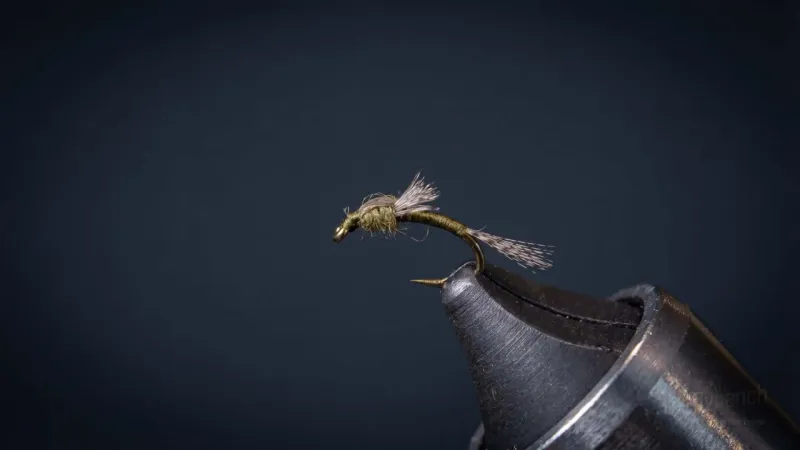
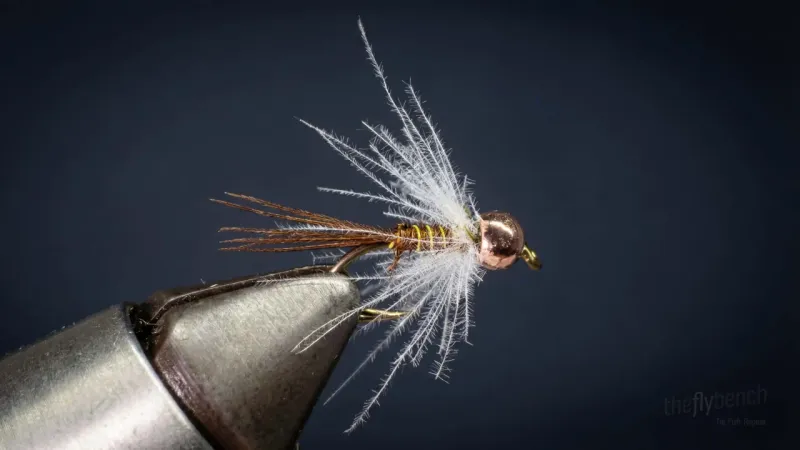
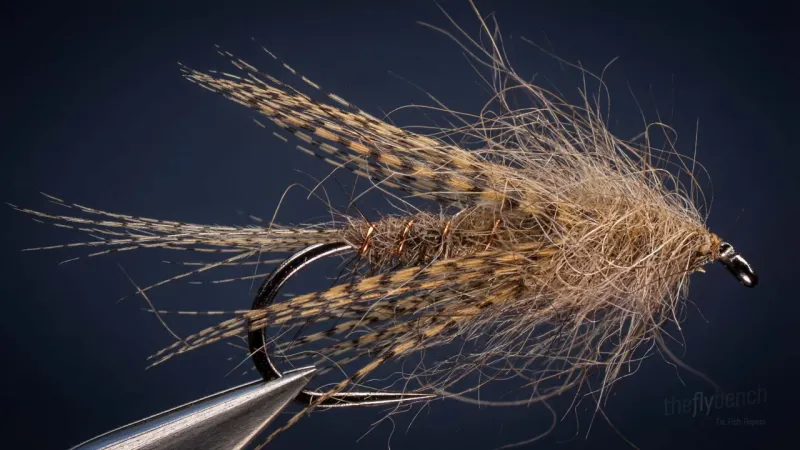
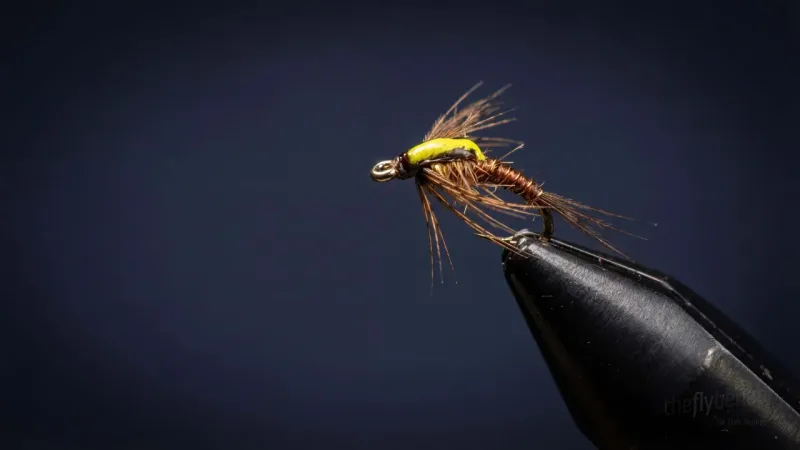
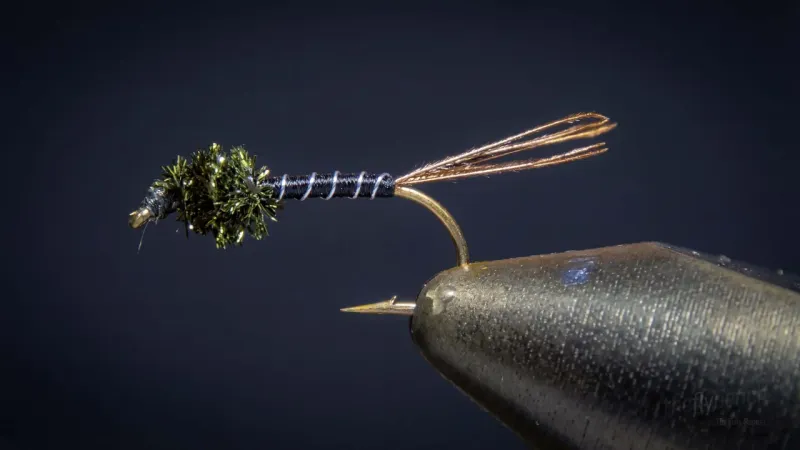
NymphPsycho Prince
Colorful, flashy pattern works well in attracting trout's attention. Versatile fly can be used in a wide range of water conditions and insect hatches, making it a favorite among many fly fishers. Variant of the Prince Nymph with extra flash and UV resin for added durability and attraction.
Spring, Summer, Fall
Intermediate
Trout
Apr 2025
Overview
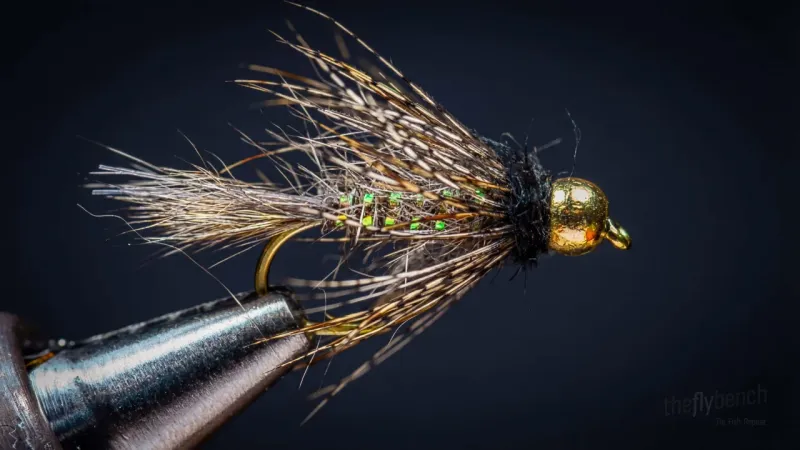
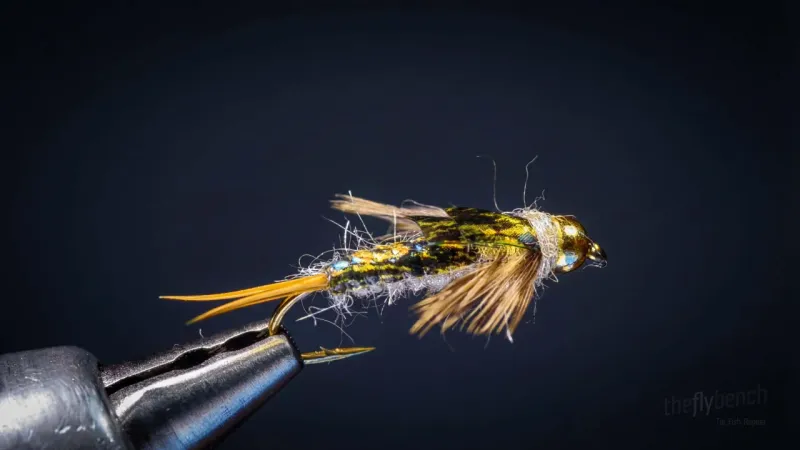
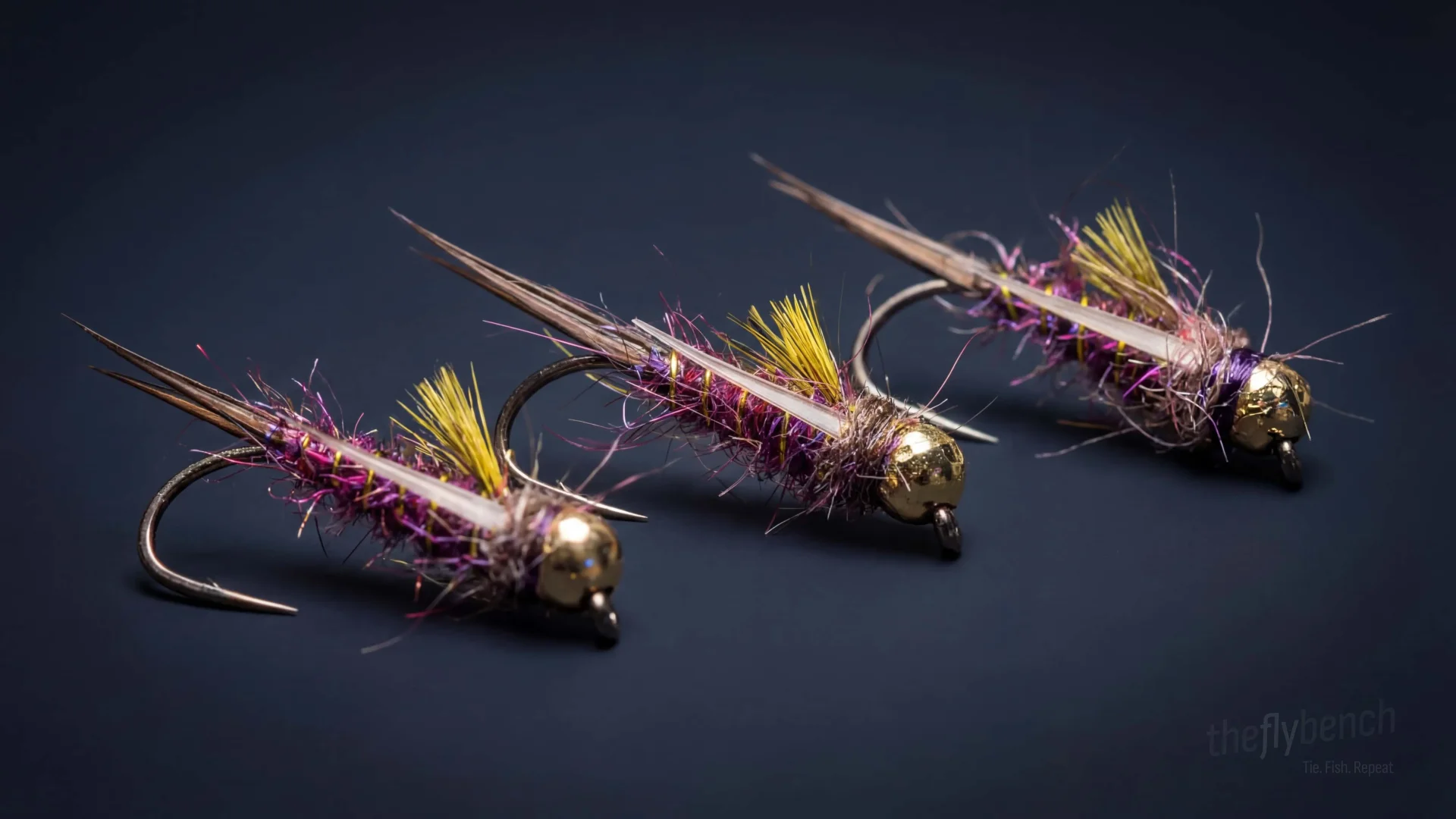
This pattern is a variant of the Prince Nymph developed in the 1990s with extra flash and durability. Can be tied in a variety of colors to match different mayfly nymphs including olive, brown, and black. The UV resin gives the fly a shiny, durable finish that helps attract fish while protecting the wingcase from teeth. Most effective in sizes #10-16 to match various mayfly nymphs and stonefly nymphs.
Where to Buy This Fly
We only link to fly shops we trust. Some links are referral links, which may earn us a commission at no extra cost to you.
Materials
- Hook:
- Tiemco 3769, size #12–#16
- Bead:
- Gold tungsten, 2.4mm
- Thread:
- Orange 8/0 Uni-Thread
- Tail:
- Brown goose biots
- Body:
- Purple Ice Dub
- Ribbing:
- Copper wire, small
- Wing Case:
- Pearl Flashabou, topped with Solarez Bone Dry UV resin
- Legs:
- Brown goose biots
Behavior & Presentation
Natural Behavior: Mayfly nymphs swim actively between substrate features using their gill plates, creating bursts of movement that attract attention. When dislodged, they tumble helplessly in the current.
Where Trout Eat It: Fish target these nymphs in the mid to lower water column of riffles, runs, and pocket water, as well as near weed beds in lakes.
How to Fish It: Dead-drift through feeding lanes or fish with occasional twitches to suggest active swimming nymphs.
Best Water: Target runs with moderate current, pockets behind structure, and channel swings that concentrate drifting insects.
Strike Type: Watch your indicator for subtle dips, hesitations, or sideways movements.
Fishing Strategy
Rigging Suggestions: A dropper setup with a weighted nymph or egg pattern can be very effective. Fish as the point fly with a smaller pattern 18-24 inches above. Use 4X-5X fluorocarbon tippet.
Seasonal Timing: Can be effective year-round, but is particularly useful April through October during periods when mayfly nymphs are most active. Water temperatures between 50-68°F are ideal.
Pro Tips: This fly sinks and is intended to be fished sub-surface at depths of 2-6 feet. The shiny wing case enhances visibility underwater and triggers strikes from aggressive fish.
Entomology
Mayfly nymphs actively swim between substrate features using their gill plates as propulsion, creating brief bursts of movement that attract predatory attention. Trout target these mobile nymphs opportunistically as they relocate within the stream, with the flashy materials triggering strikes from aggressive fish keying on active prey movement patterns.
- Order
- Ephemeroptera
- Common Name
- Mayfly
- Organism Type
- insect
- Life Stage
- nymph