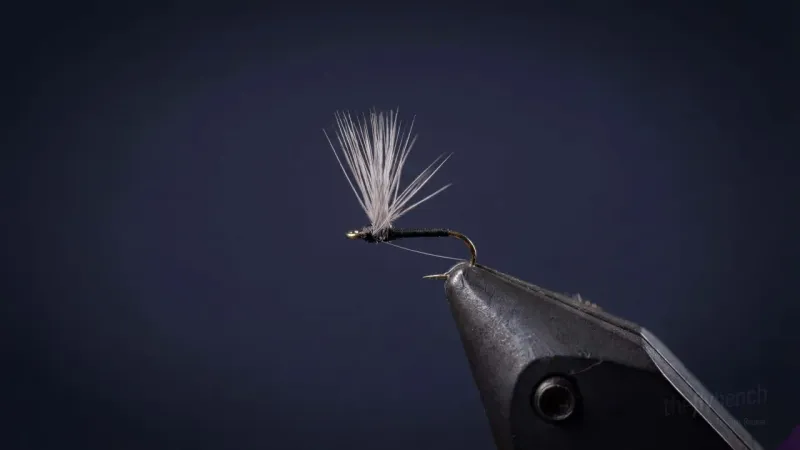
NymphPoxyback Callibaetis
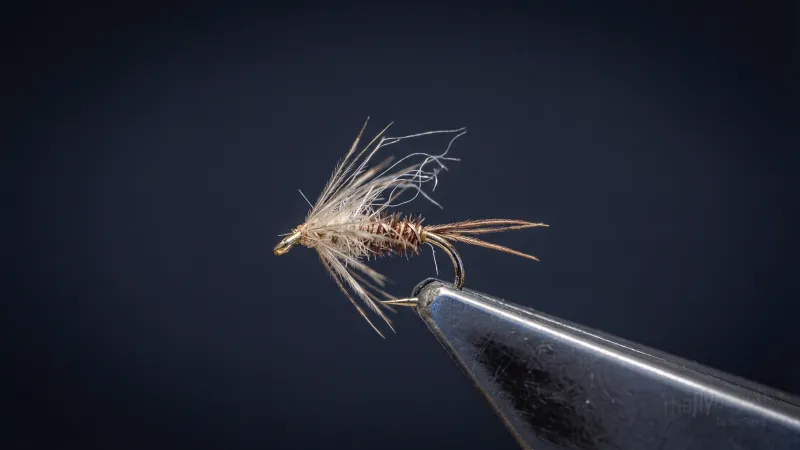
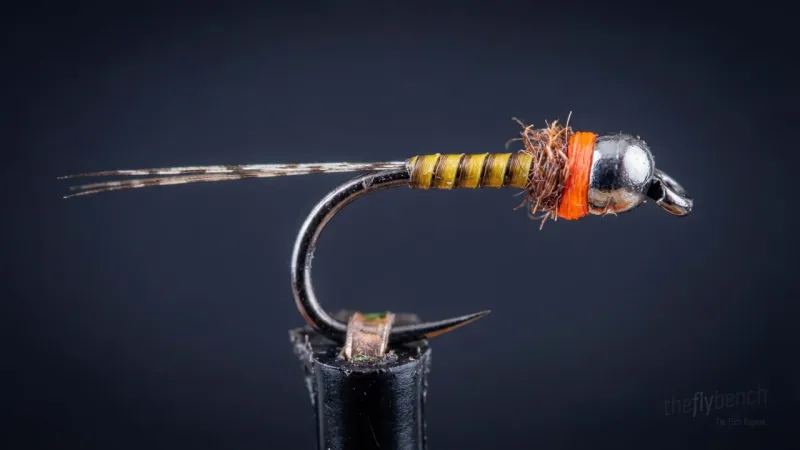
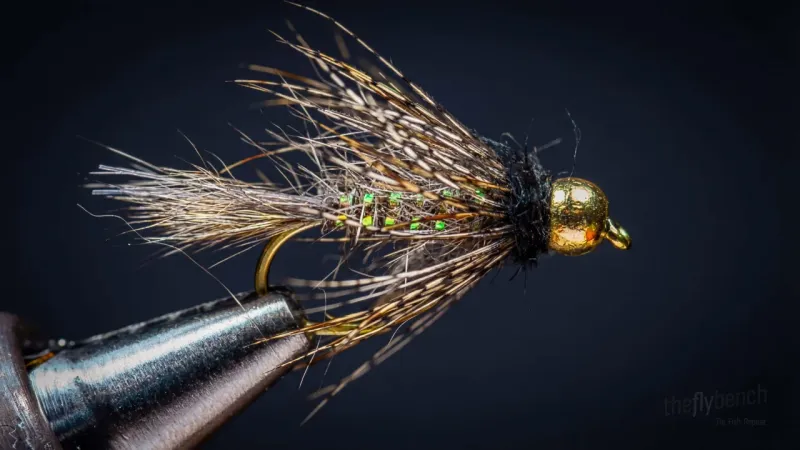
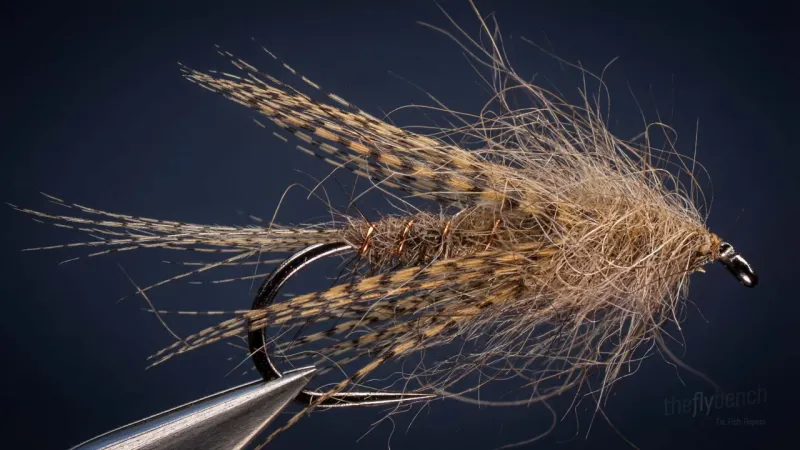
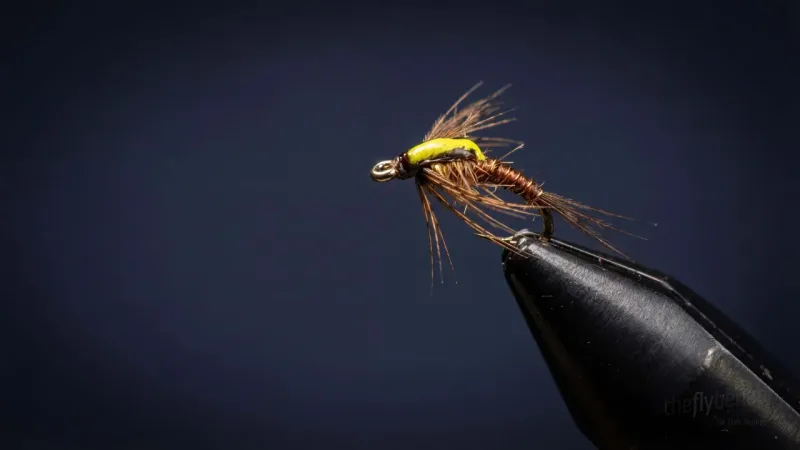
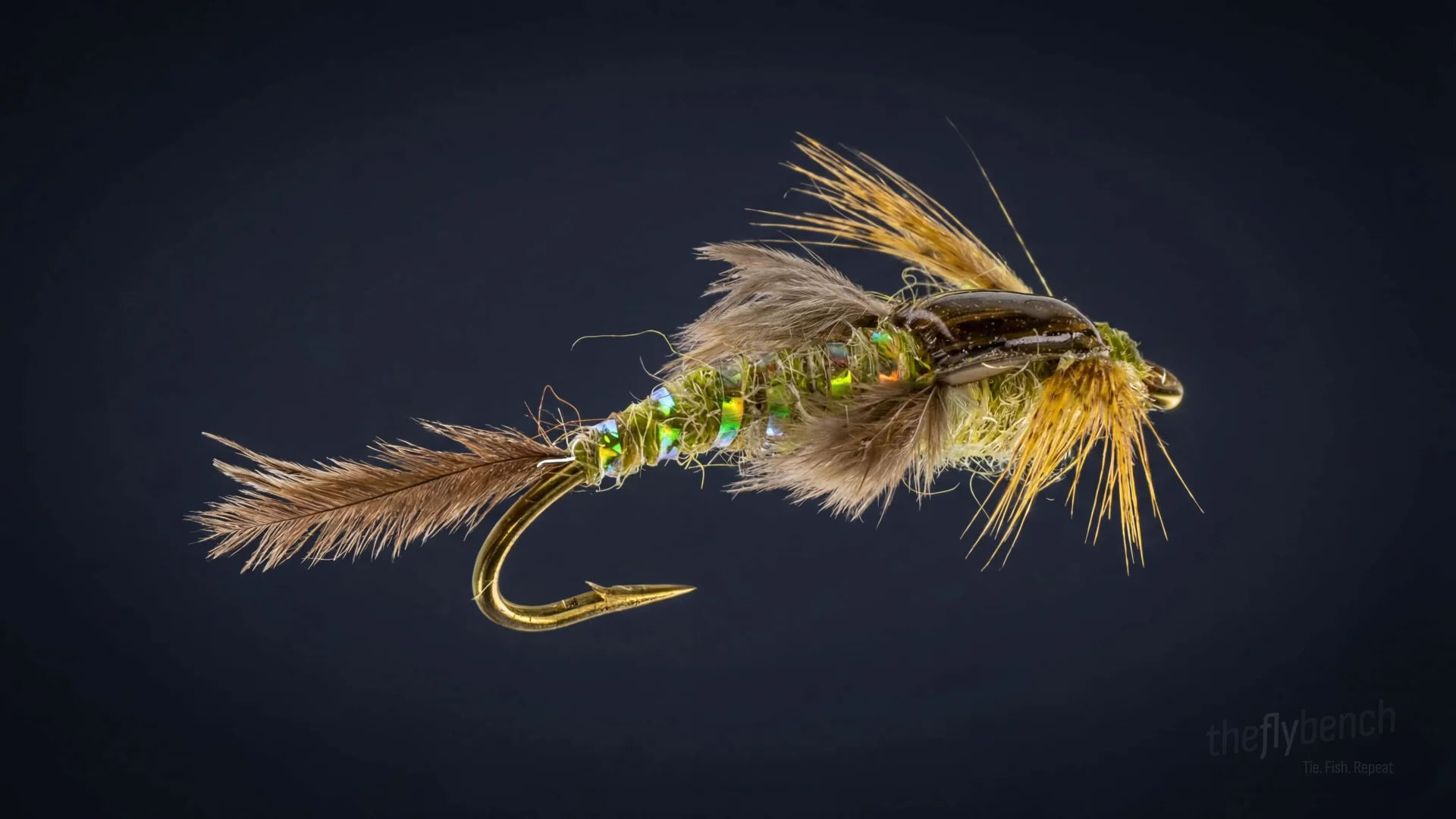
The Poxyback Callibaetis is a highly effective mayfly nymph imitation that displays a realistic profile in the water. It's poxyback gives it a natural, glossy shell-like appearance, making it irresistible to trout.
Spring, Summer
Intermediate
Trout
Apr 2025
Overview
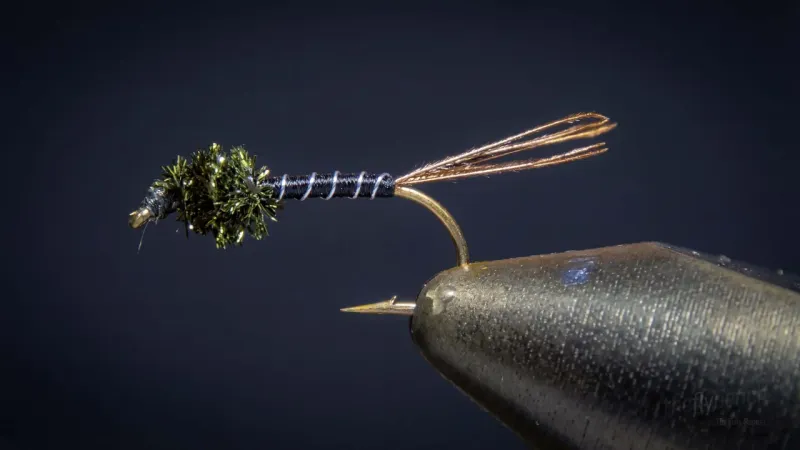
This stillwater nymph imitates the Callibaetis mayfly. It's tied with natural or synthetic dubbing for the body, turkey biot wingcases, and a bead head for weight. The signature “poxyback” is a coating of UV resin or epoxy over the wingcase to add durability and a lifelike shine.
Where to Buy This Fly
We only link to fly shops we trust. Some links are referral links, which may earn us a commission at no extra cost to you.
Materials
- Hook:
- #12–18 Tiemco 200R
- Thread:
- Olive UTC 70
- Tail:
- Gray ostrich herl
- Body:
- Scud Shrimp Olive SLF Dubbing
- Rib:
- Pearl Krystal Strand
- Gills:
- Gray ostrich herl
- Casing:
- Pheasant tail or turkey wing
- Legs:
- Natural partridge
- Glue:
- Loon UV Thick Fly Finish
Behavior & Presentation
Natural Behavior: Callibaetis nymphs are active swimmers that move through stillwater vegetation with quick, darting motions, using their feathery gills to propel themselves between weed beds. Trout patrol these weedy zones specifically to intercept the nymphs, which remain available as forage throughout the day unlike many mayflies that emerge primarily during morning and evening periods.
Where Trout Eat It: Trout patrol stillwater weed beds in 6-10 feet targeting active swimming Callibaetis nymphs during emergence dance. Fish intercept nymphs along weed bed perimeters and over shoals.
How to Fish It: Use slow stripping with occasional twitches above weed beds. Fish with floating line and long leader, twitching flies to mimic active swimmers during pre-emergence buildup.
Best Water: Focus on shallow weed bed tops in 6-10 feet and shoal edges with aquatic vegetation.
Strike Type: Feel for a firm pull or sudden loading of the rod as trout grab the swimming nymph during your retrieve. Takes often come during the pause or as you resume stripping.
Fishing Strategy
Rigging Suggestions: Tie this fly on a dropper off a dry fly or use it as the point fly in a nymphing rig.
Seasonal Timing: Ideally, use this fly during the and seasons when mayflies are most active.
Pro Tips: This fly is designed to sink and imitate a nymph. The glossy shellback increases visibility under water.
Entomology
Callibaetis nymphs are active swimmers that move through stillwater vegetation with quick, darting motions, using their feathery gills to propel themselves between weed beds. Trout patrol these weedy zones specifically to intercept the nymphs, which remain available as forage throughout the day unlike many mayflies that emerge primarily during morning and evening periods.
- Order
- Ephemeroptera
- Common Name
- Mayfly
- Organism Type
- insect
- Life Stage
- general