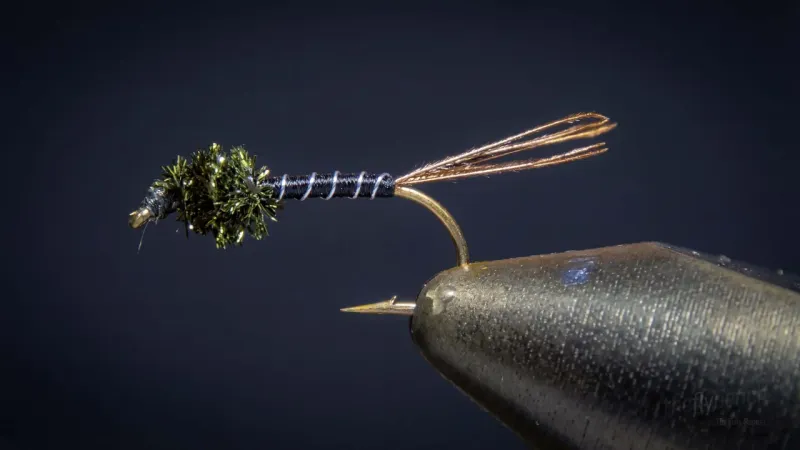
NymphCopper Quill Nymph
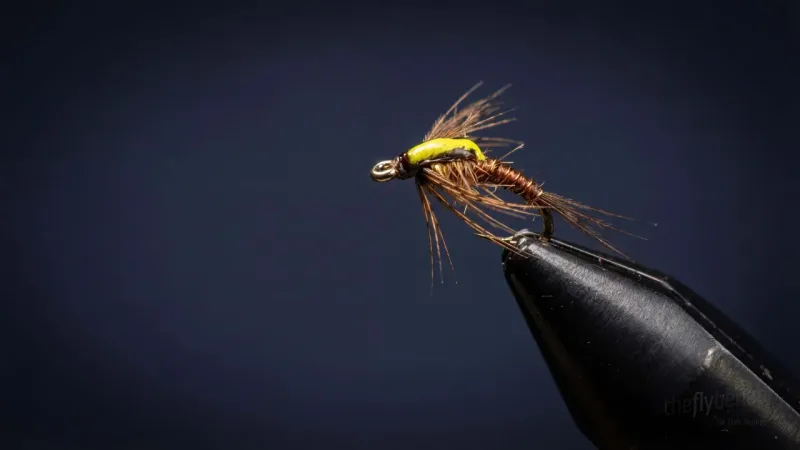
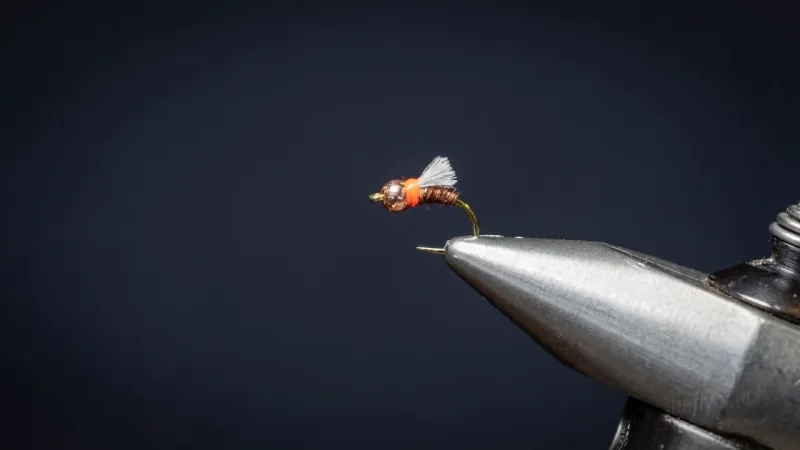
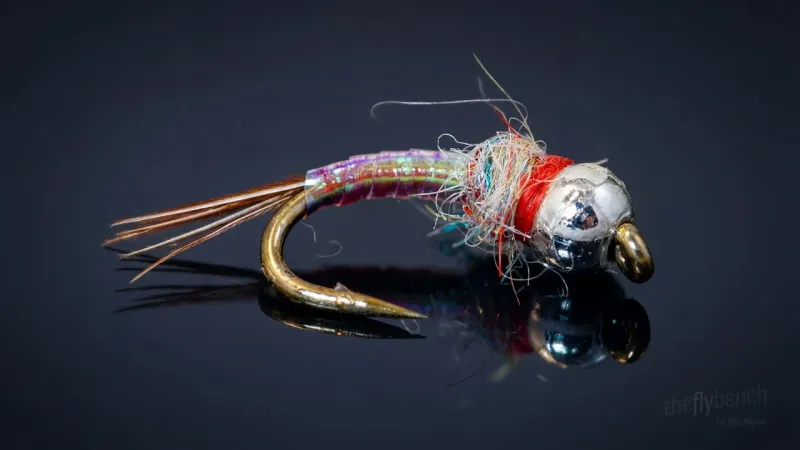
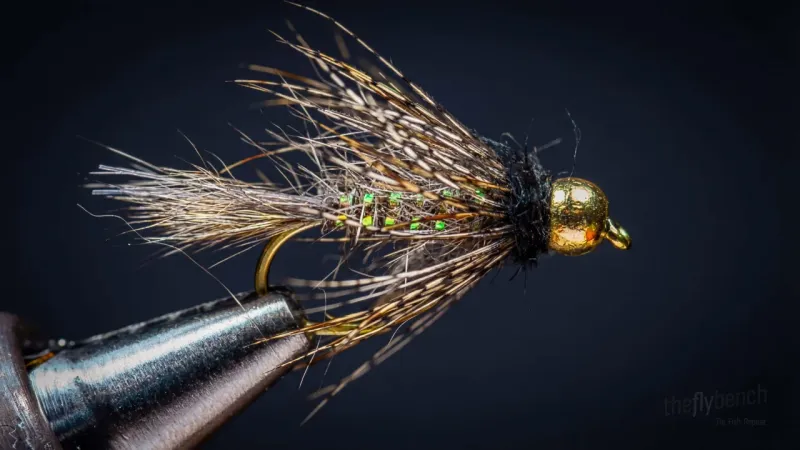
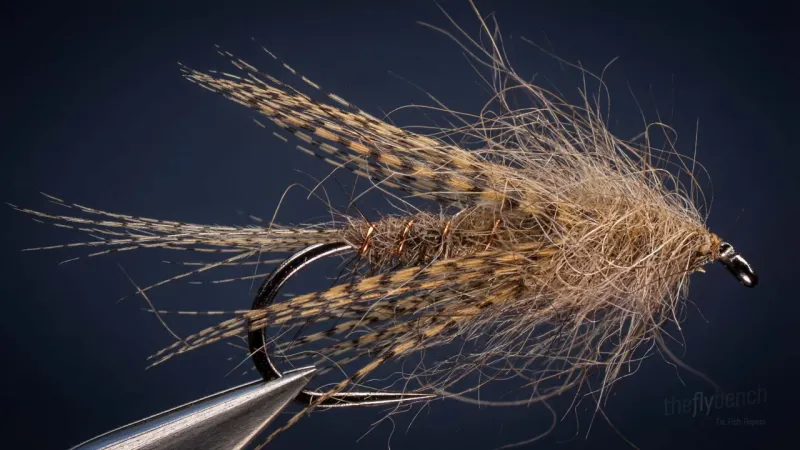
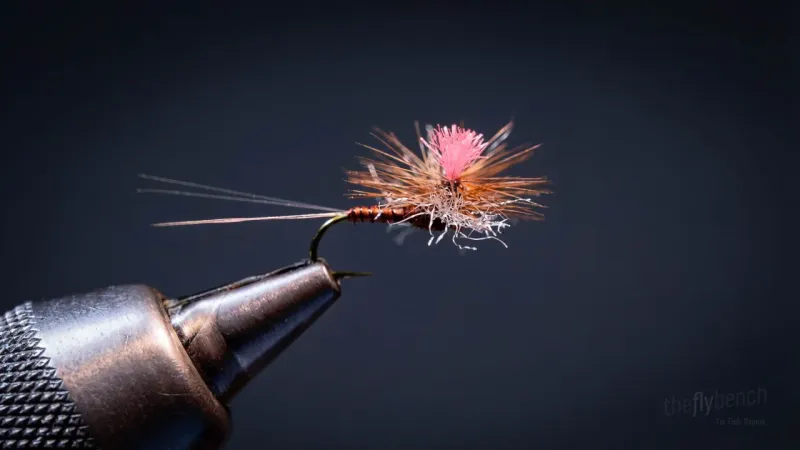
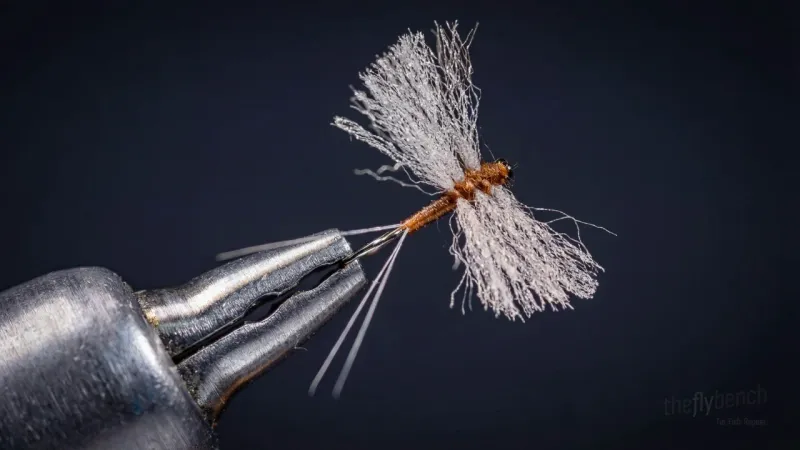
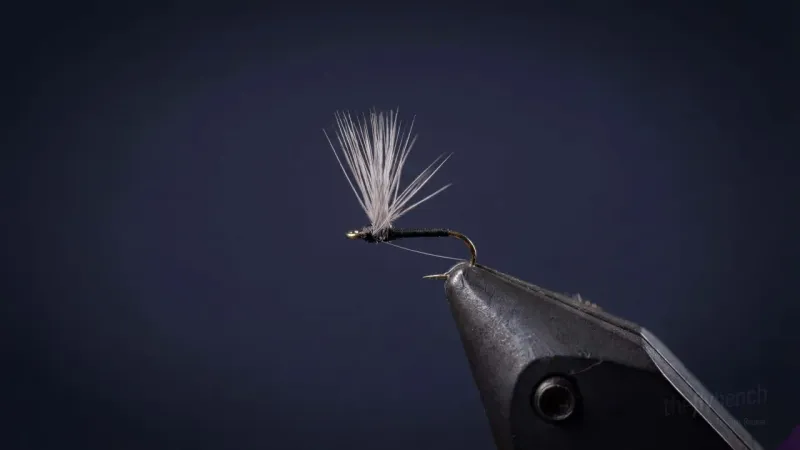
The Copper Quill Nymph is a sleek mayfly imitation featuring a synthetic peacock quill abdomen and Ice Dub thorax. The transparent tan quill creates beautiful segmentation while remaining durable through many fish. The copper tungsten bead provides weight and attraction, complementing the natural tones of the fly.
Year Round
Intermediate
Trout
Dec 2025
Overview
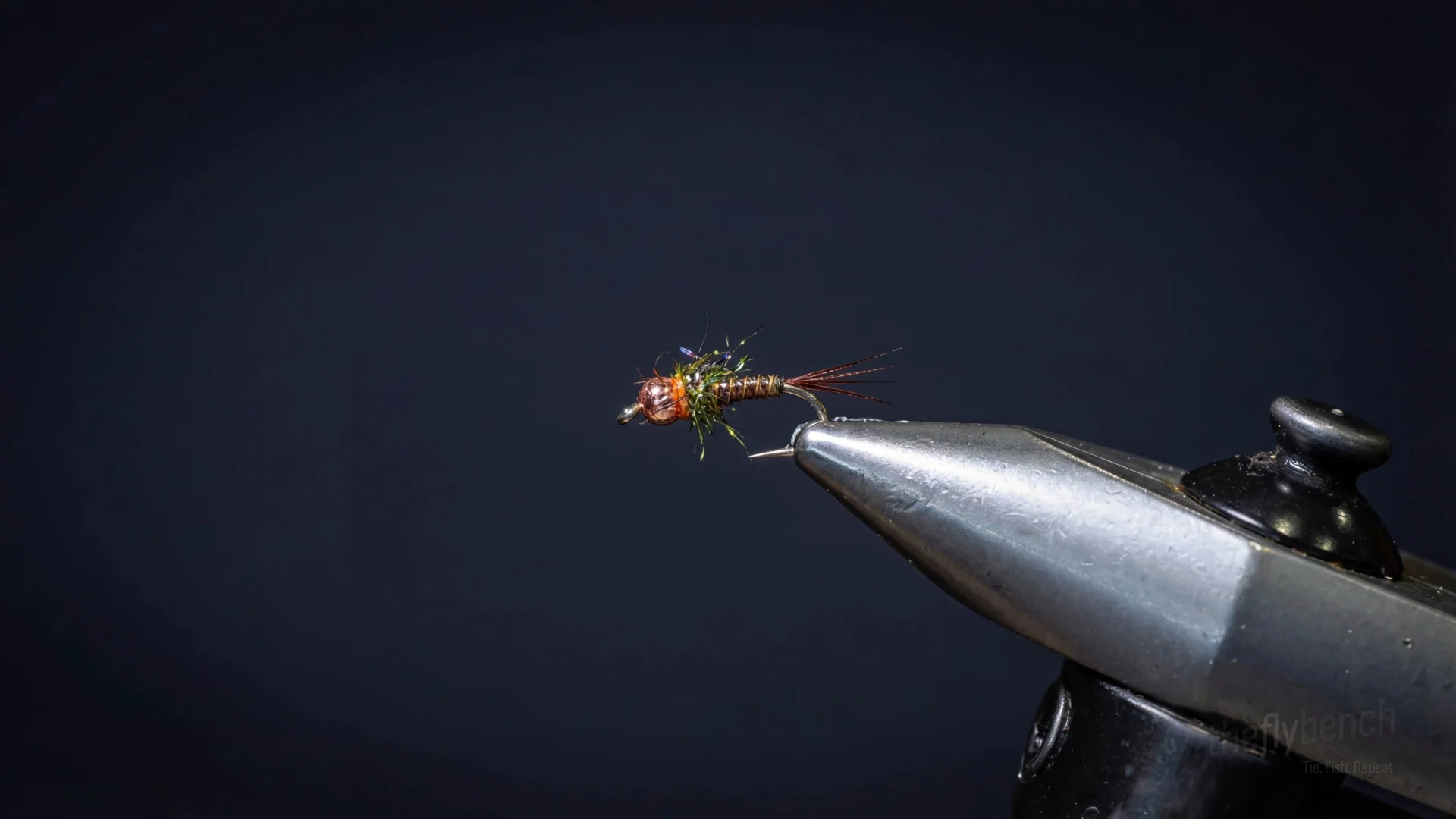
The Copper Quill Nymph uses synthetic peacock quill for durability and realistic segmentation without the fragility of natural quills. The transparent tan color mimics many mayfly nymphs while the copper bead and fluorescent orange thread provide subtle hot spots. A reliable pattern that holds up to aggressive takes.
Materials
Hook: Tiemco 3761 or Umpqua U101, #16
Thread: Ultra Thread, 8/0, fluorescent orange
Bead: Tungsten Bead, 3/32", copper
Tail: Dry Fly Hackle Fibers (Collins or Whiting), brown
Abdomen: Synthetic Peacock Quill, transparent tan
Thorax: Ice Dub, olive brown
Behavior & Presentation
Natural Behavior: Small mayfly nymphs maintain low profiles against cobbles, occasionally losing their grip and tumbling downstream through feeding lanes. When dislodged, they drift helplessly with legs tucked, unable to resist current until finding new purchase. Trout recognize this vulnerability and position to intercept drifting nymphs.
Where Trout Eat It: Fish hold near the bottom in moderate to fast runs where drifting mayfly nymphs concentrate. Focus on depths of 2-5 feet where current delivers consistent forage through pocket water and structure breaks.
How to Fish It: Dead drift through feeding lanes using indicator or euro techniques. The tungsten bead reaches feeding zones quickly while maintaining natural tumbling presentation that appears helpless.
Best Water: Target riffle edges, pocket water, current breaks, and seams where dislodged nymphs concentrate before settling.
Strike Type: Watch for indicator dips, line hesitations, or subtle tightening that signal interception.
Fishing Strategy
Rigging Suggestions: Fish below an indicator or in a euro nymphing rig. Works well as either point or dropper fly.
Seasonal Timing: as a general mayfly nymph imitation. Particularly productive during spring and fall Baetis hatches.
Pro Tips: Sinks readily with the tungsten bead. The olive brown thorax blends with natural nymphs.
Entomology
Baetis nymphs cling to submerged vegetation and rocks in swift current, periodically releasing their grip to drift downstream in search of new feeding zones. These micro-mayflies graze algae and detritus while maintaining streamlined postures in high-oxygen environments, becoming most vulnerable during behavioral drift periods. Their abundance in coldwater systems and predictable availability throughout winter months make them dietary staples for trout in tailwaters and spring creeks.
- Order
- Ephemeroptera
- Family
- Baetidae
- Common Name
- Baetis
- Organism Type
- insect
- Life Stage
- general