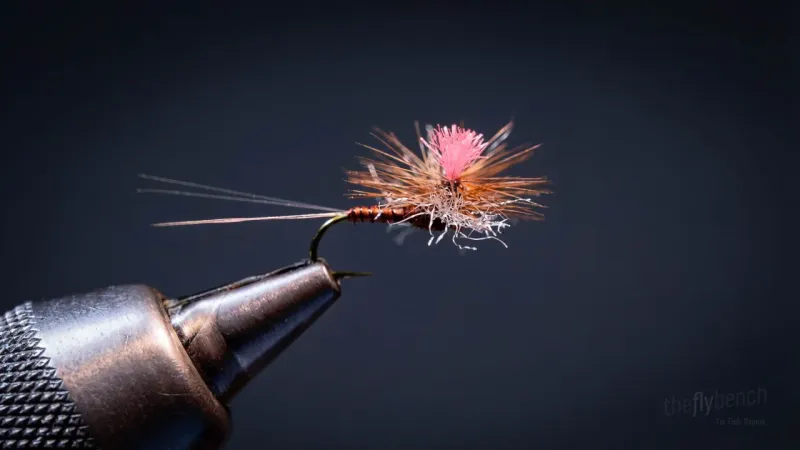
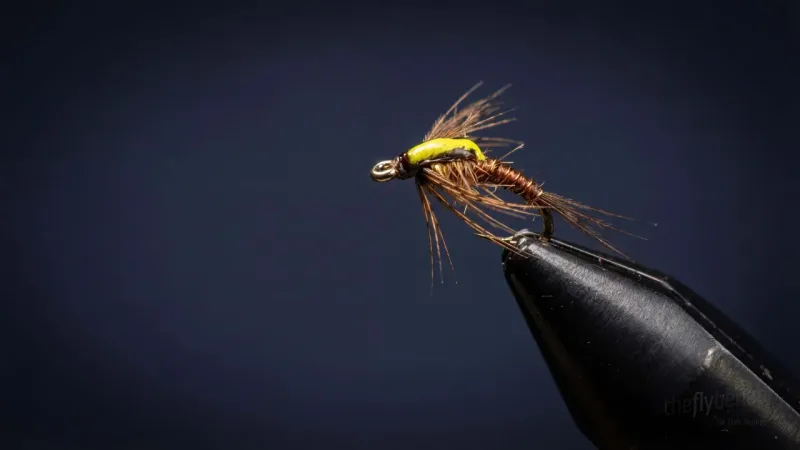
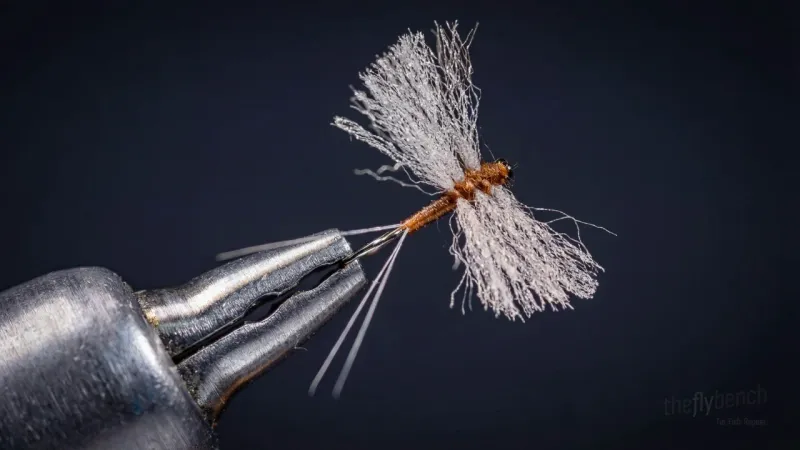
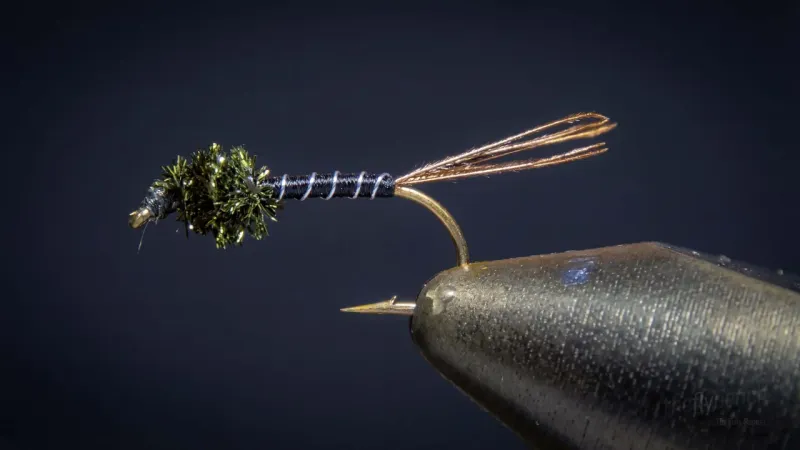
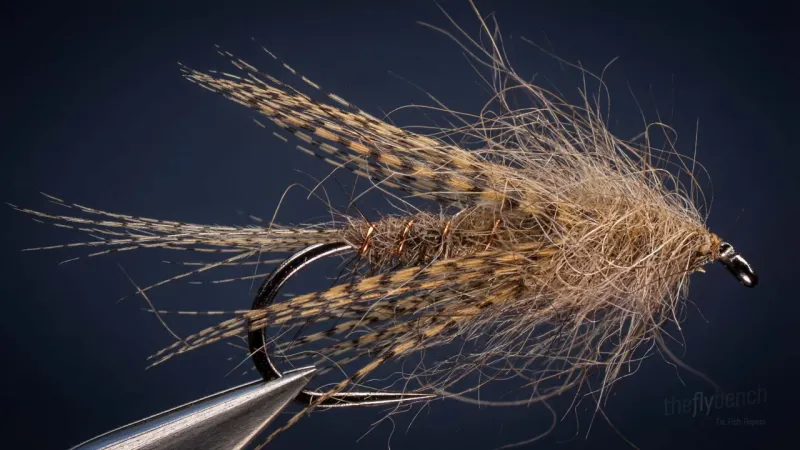
NymphAggravator Hares Ear
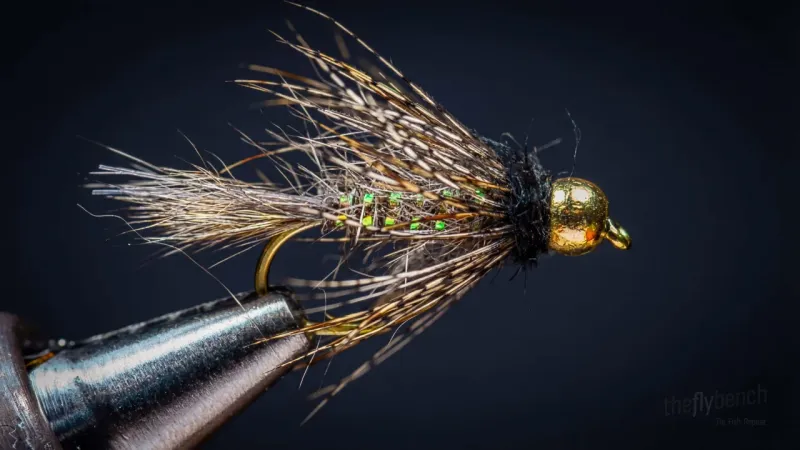
A modern twist on the classic Hare's Ear nymph, the Aggravator adds flash, rubber legs, and a bright hot spot to attract aggressive takes. This pattern maintains the buggy appeal of the original while enhancing visibility and movement.
Spring, Summer, Fall
Intermediate
Trout
Apr 2025
Overview
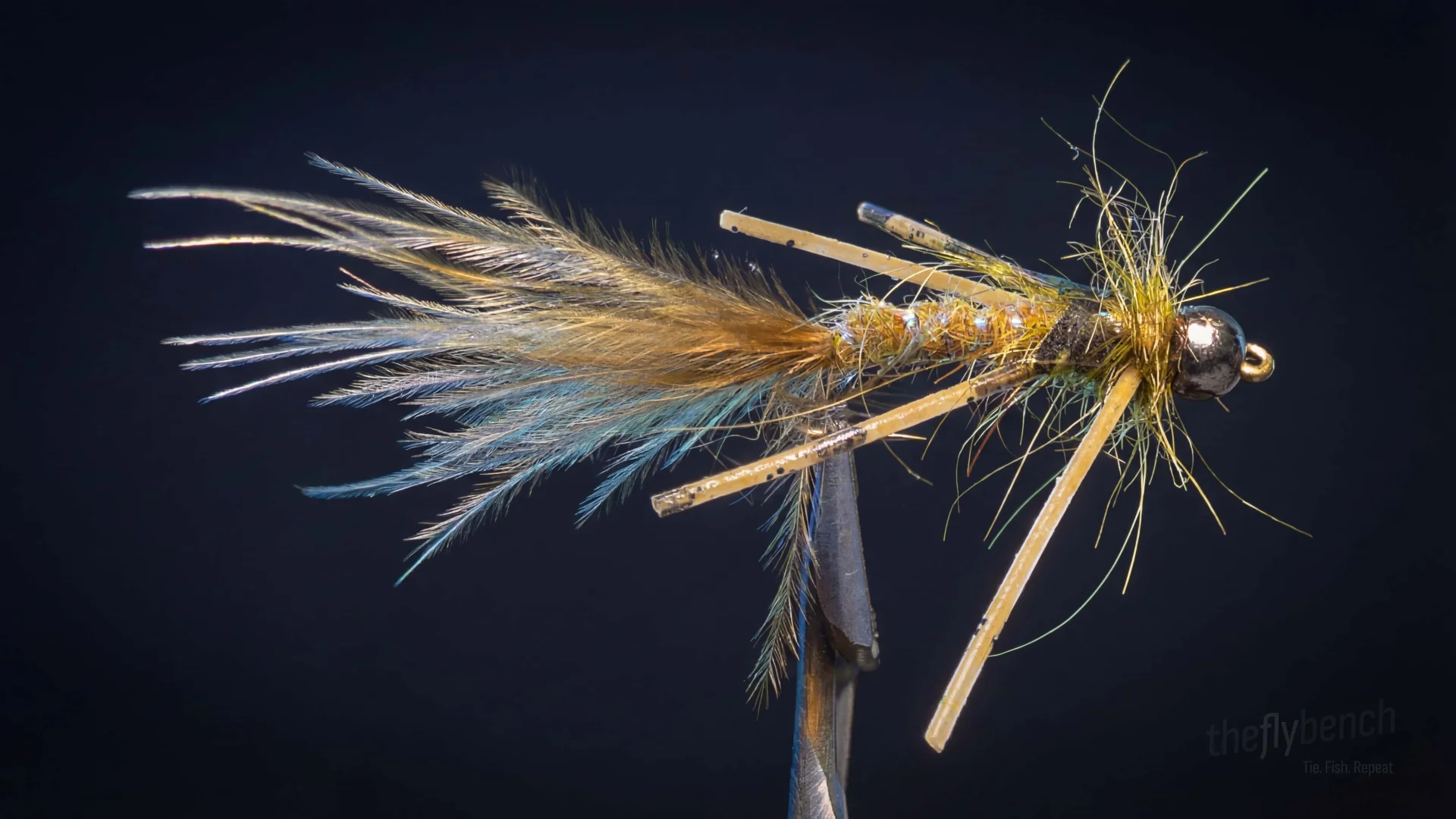
The Aggravator Hare's Ear is a flashy variation of the classic Hare's Ear nymph, enhanced with a peacock herl collar and often a bead head for added weight. It retains the buggy, dubbed hare's mask body and gold wire ribbing but adds a hotspot or sparkle to trigger more aggressive strikes. This pattern is easy to tie and versatile across seasons, combining natural appearance with attractor elements to cover both picky and opportunistic fish.
Where to Buy This Fly
We only link to fly shops we trust. Some links are referral links, which may earn us a commission at no extra cost to you.
Materials
- Hook:
- Tiemco 3761, size #12 - #16
- Thread:
- Brown UTC 70 denier
- Tail:
- Hares mask guard hairs
- Abdomen:
- Hares ear dubbing
- Ribbing:
- Oval gold tinsel
- Thorax:
- Hares ear dubbing
- Wingcase:
- Peacock Herl
- Bead:
- Gold brass bead
Behavior & Presentation
Natural Behavior: Mayfly nymphs release from substrate holds and drift downstream with legs and tails extended, creating a tumbling, helpless appearance as they navigate current seams. During emergence periods, they add vertical swimming motion, pulsing their gills and abdomens as they ascend through the water column toward the surface film.
Where Trout Eat It: Opportunistic feeders take this flashy attractor across varied depths from bottom to mid-column. The peacock herl collar and flash elements trigger aggressive strikes in off-color water and during active feeding periods.
How to Fish It: Dead drift with occasional subtle twitches or pauses to imitate distressed nymph, or swing through tailouts like traditional wet fly. The bead head sinks quickly while hare's ear dubbing maintains buggy movement.
Best Water: Versatile across riffle edges, pockets, and eddies—particularly effective in slightly stained water where flash stands out. Targets current seams and slack water adjacent to fast flows.
Strike Type: Strikes during dead-drift come as subtle taps or hesitations, while swung presentations produce more aggressive grabs as fish chase the fly through the swing arc.
Fishing Strategy
Rigging Suggestions: Combine with a lighter nymph in a two-fly setup or use as a dropper off a larger dry fly like a Stimulator. Fish on 4X-5X tippet with adequate split shot to reach the bottom.
Seasonal Timing: Primarily effective from March through November, with best results in when mayfly nymphs are most active. This pattern works well in fast and turbulent water where the flash and buggy profile stand out.
Pro Tips: The bead head and flash make this fly sink quickly and stand out in off-color or fast water. The rough hare's ear dubbing creates a lifelike buggy appearance that trout find irresistible.
Entomology
Mayfly nymphs tumble through the water column during behavioral drift, with legs and gills tucked against their bodies as they move helplessly downstream. They are particularly vulnerable during emergence periods when they swim actively toward the surface. The rubber legs and flashy materials of this pattern trigger aggressive strikes from trout, imitating the exaggerated movement of larger nymphs or multiple organisms drifting together.
- Order
- Ephemeroptera
- Common Name
- Mayfly
- Organism Type
- insect
- Life Stage
- general