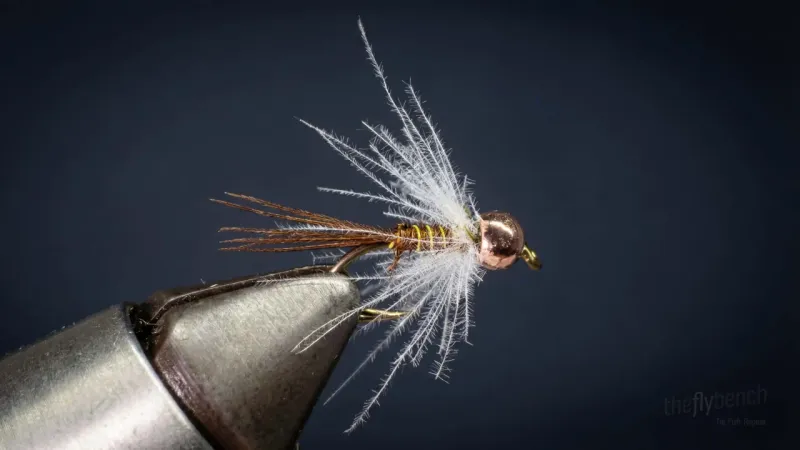
Euro NymphsEuro Pheasant Tail
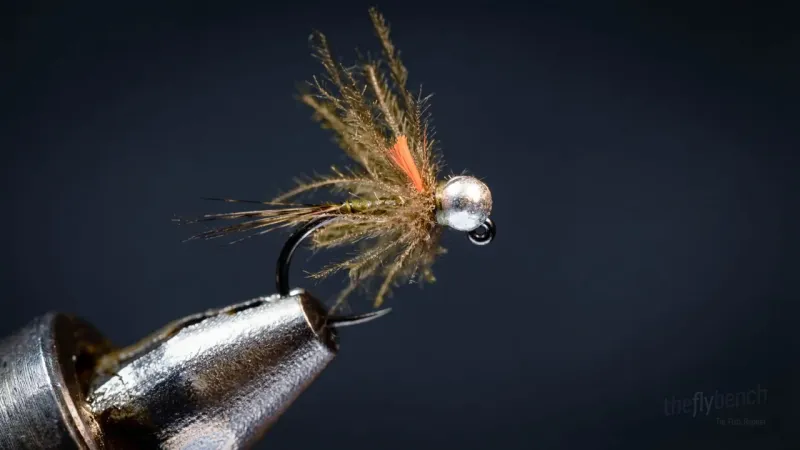
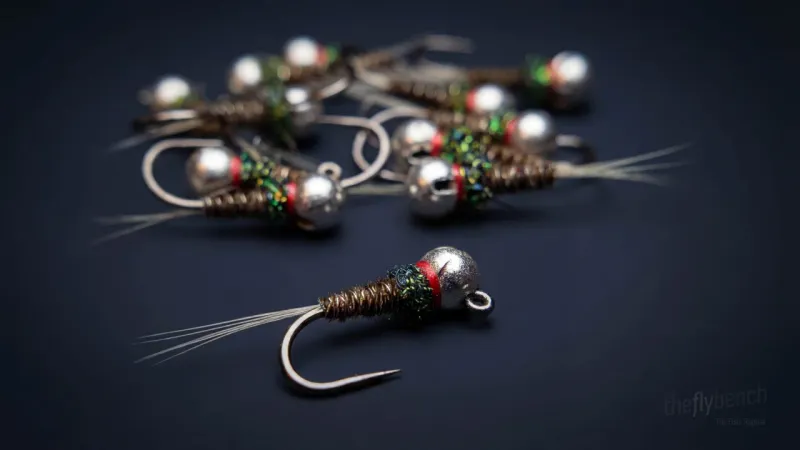
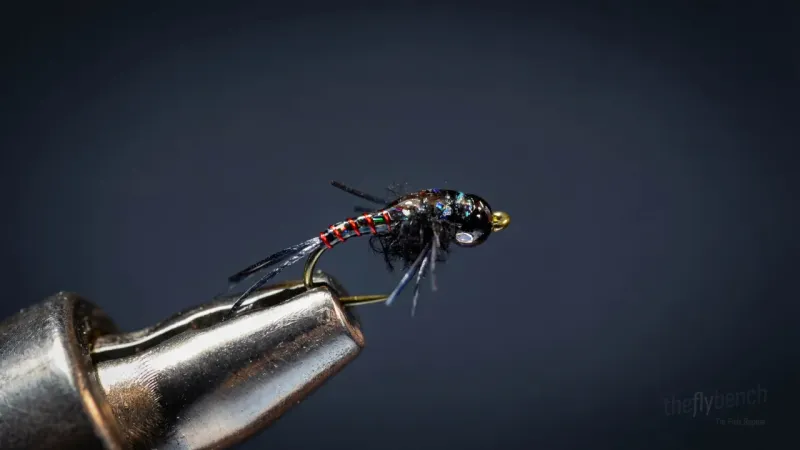
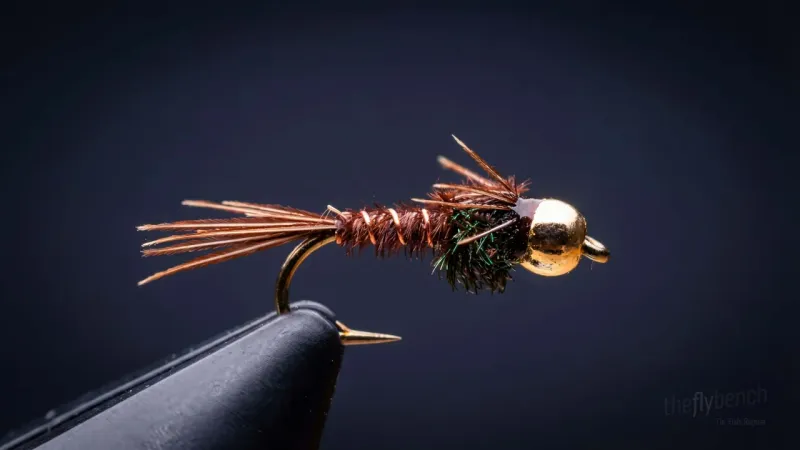
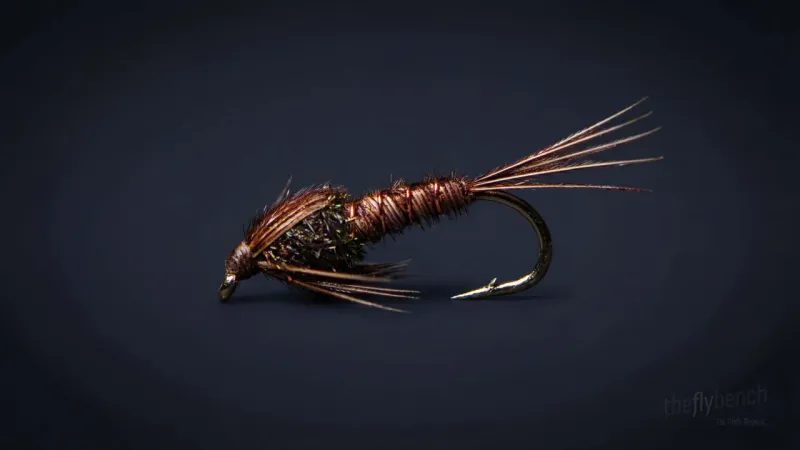
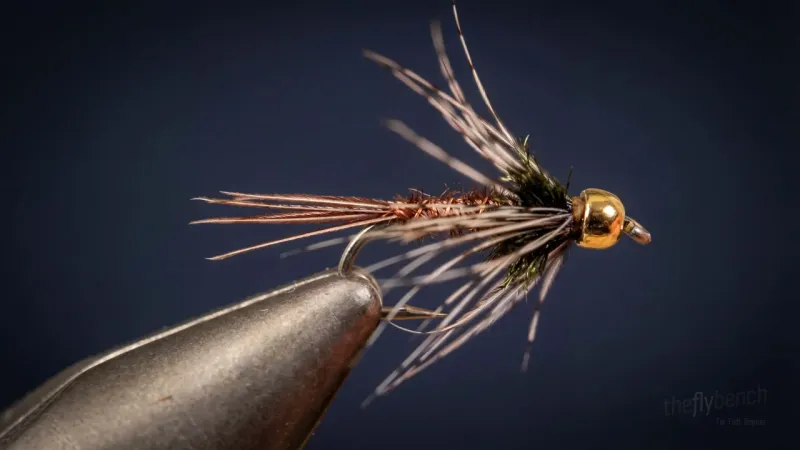
A variant of the traditional Pheasant Tail nymph, the Euro Pheasant Tail incorporates a tungsten bead to get the fly deep quickly. This pattern is highly effective in fast moving water and is a go-to for many European-style nymph fishers.
Year Round
Intermediate
Trout
Dec 2025
Overview
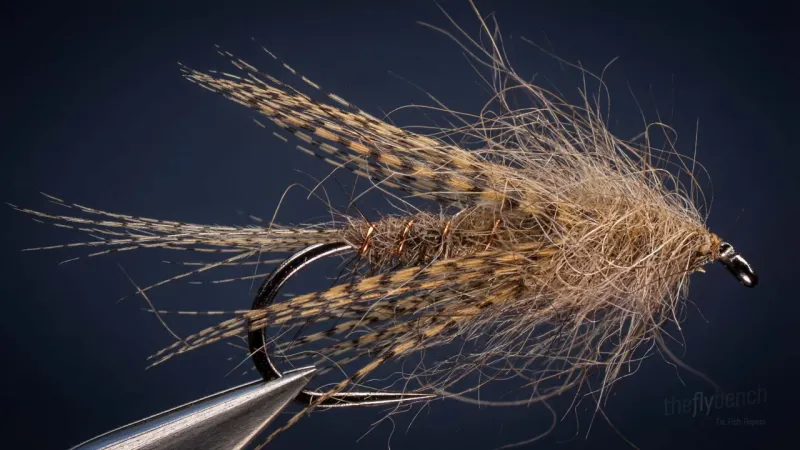
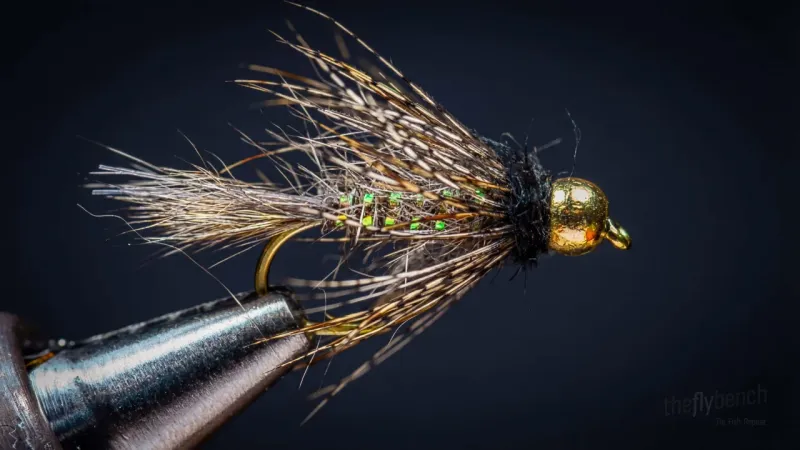
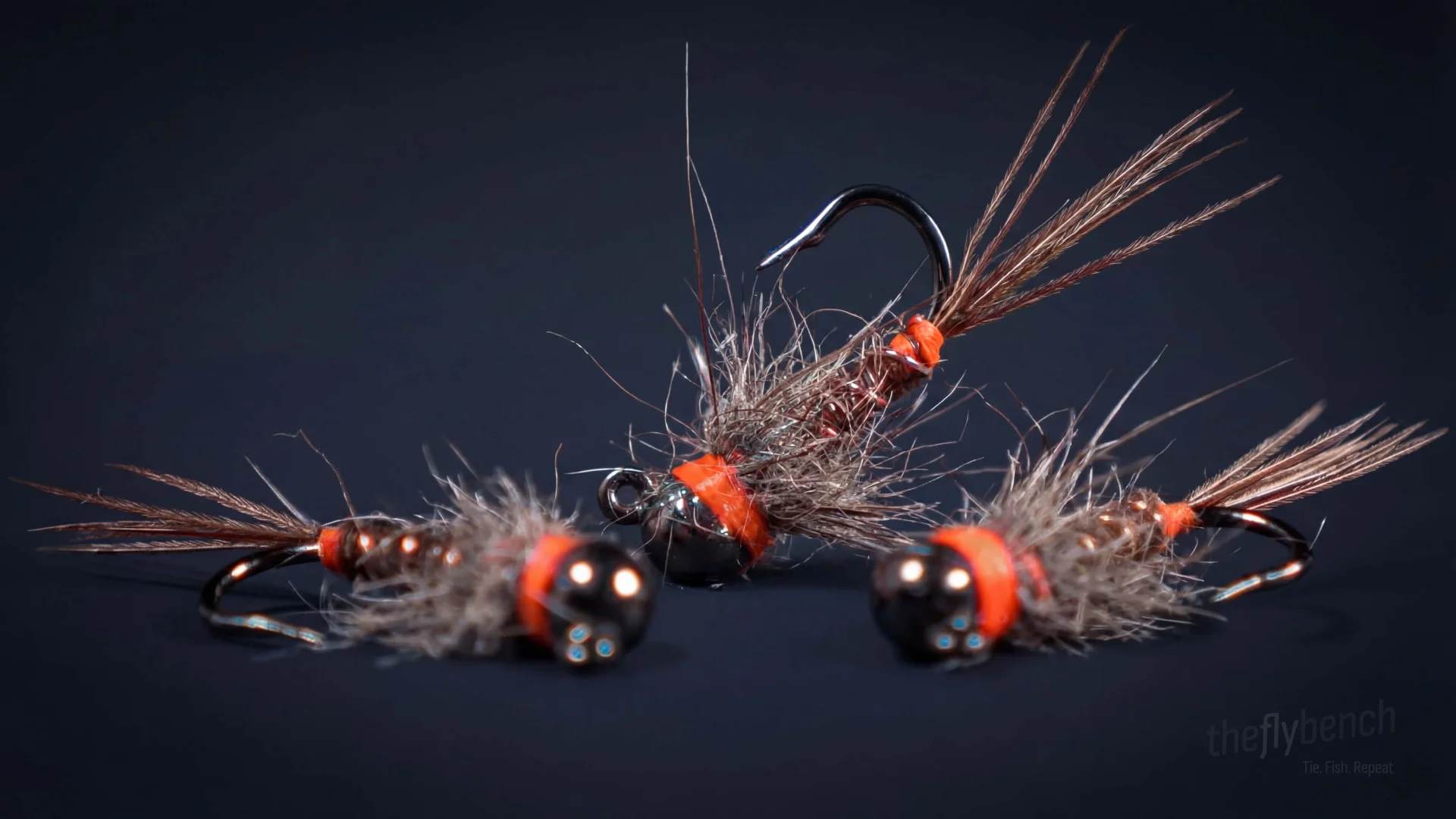
A streamlined take on the traditional Pheasant Tail Nymph, this version uses a barbless jig hook, copper ribbing, a tungsten bead, and a pheasant tail body. Often tied with a bright collar or hotspot to increase visibility and trigger strikes.
Where to Buy This Fly
We only link to fly shops we trust. Some links are referral links, which may earn us a commission at no extra cost to you.
Materials
- Hook:
- Hanák H 400BL, size #12–#16
- Head:
- Slotted tungsten bead, 3mm, black.
- Thread:
- 8/0 or 70 Denier, fluorescent orange.
- Tail:
- Medium Pardo Coq de Leon fibers.
- Rib:
- Ultra Wire, small, copper.
- Body:
- Pheasant tail fibers, dyed dark-brown.
- Thorax/legs:
- Dubbing blend—2 parts gray-squirrel fur to 1 part rabbit dubbing.
Behavior & Presentation
Natural Behavior: Slender mayfly nymphs navigate gravel interstices while grazing algae, darting actively between cobble surfaces before entering drift when repositioning in faster current. Their elongated profile and tail movements create subtle swimming motions during tumble.
Where Trout Eat It: Drifting near bottom in fast-flowing runs, riffles, and pocket water where mayfly nymphs tumble naturally.
How to Fish It: Tight-line euro techniques with rod high, leading the drift to maintain constant bottom contact.
Best Water: Excel in pocket water, riffle edges, and runs where competitive feeding demands instant strike detection.
Strike Type: Feel subtle ticks, sighter sag, or brief pauses in drift as fish intercept tumbling nymphs.
Fishing Strategy
Rigging Suggestions: Use with a 10-12 foot euro nymphing leader setup, no indicator needed. Tie direct to 4X or 5X fluorocarbon tippet. Can be point fly with lighter dropper above.
Seasonal Timing: Effective year-round with peak productivity from March through November. Particularly effective during when mayfly activity is highest and water flows are moderate.
Pro Tips: The UV resin adds subtle flash that attracts fish in off-color water. The slender profile allows for quick sinking and natural drift. High-stick through runs maintaining tight line contact for instant hook sets.
Entomology
Slender mayfly nymphs dart between gravel interstices and cobble surfaces, grazing on algae films and periodically entering the drift when feeding or repositioning in faster current seams. Their elongated body profile and active tail movements create subtle swimming motions during drift. Competitive feeding in swift European rivers means fish respond immediately to tumbling nymphs, making tight-line contact techniques ideal for detecting subtle takes as these delicate nymphs drift naturally through feeding lanes.
- Order
- Ephemeroptera
- Common Name
- Mayfly
- Organism Type
- insect
- Life Stage
- general