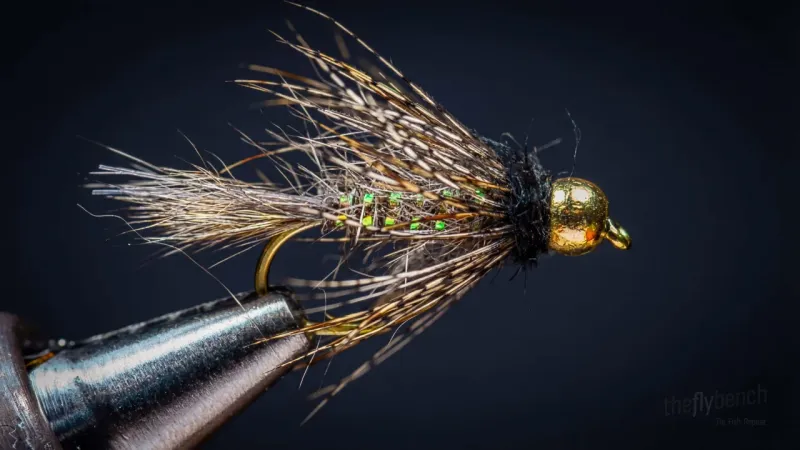
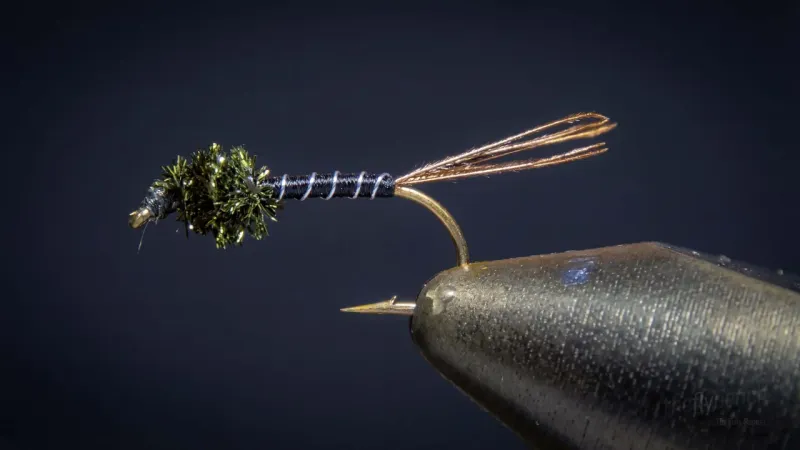
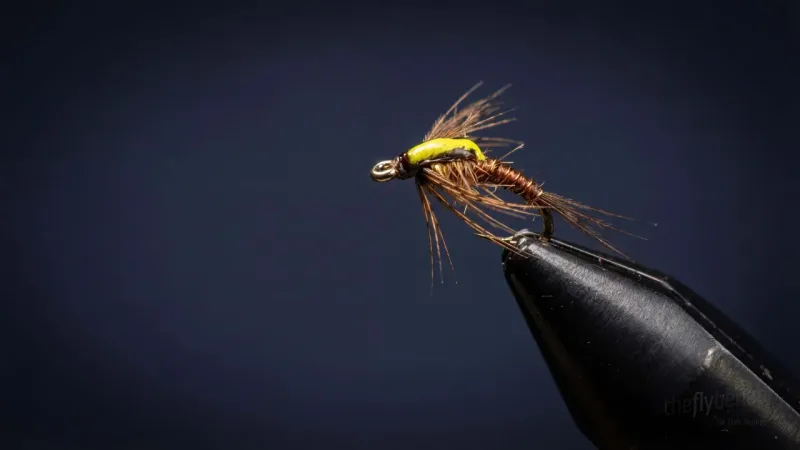
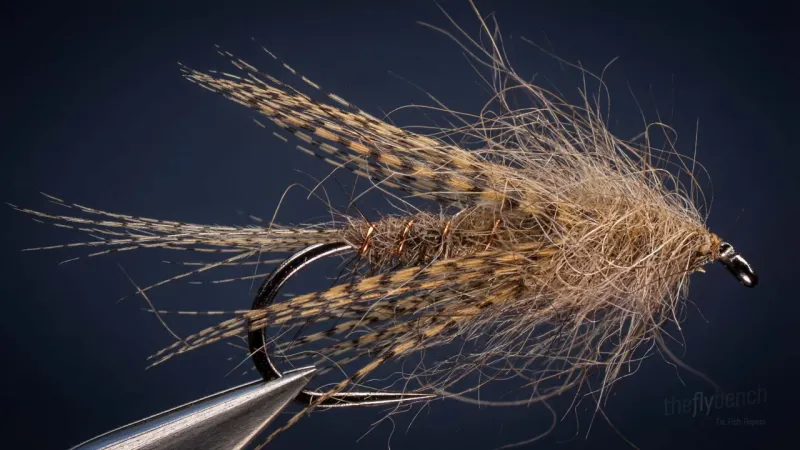
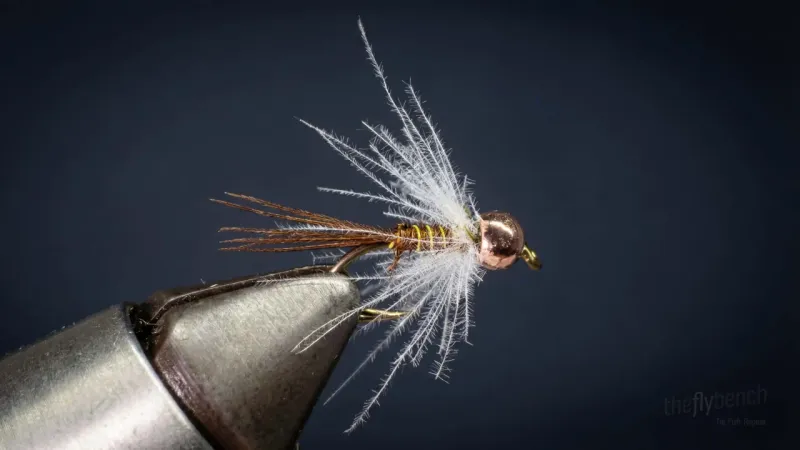
NymphBead-head Pheasant Tail
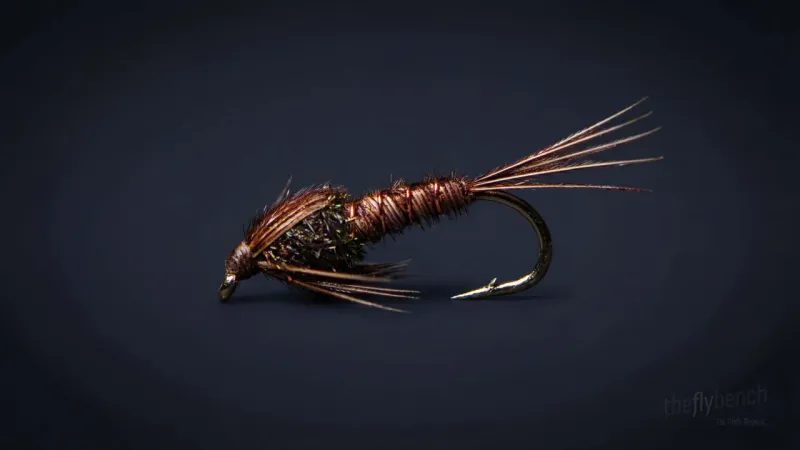
The Bead-head Pheasant Tail is a highly realistic nymph pattern that imitates a wide variety of aquatic insect larvae, including mayflies, midges, and small stoneflies. The bead head adds weight, helping the fly sink quickly to the feeding zone of the fish.
Year Round
Intermediate
Trout
Apr 2025
Overview
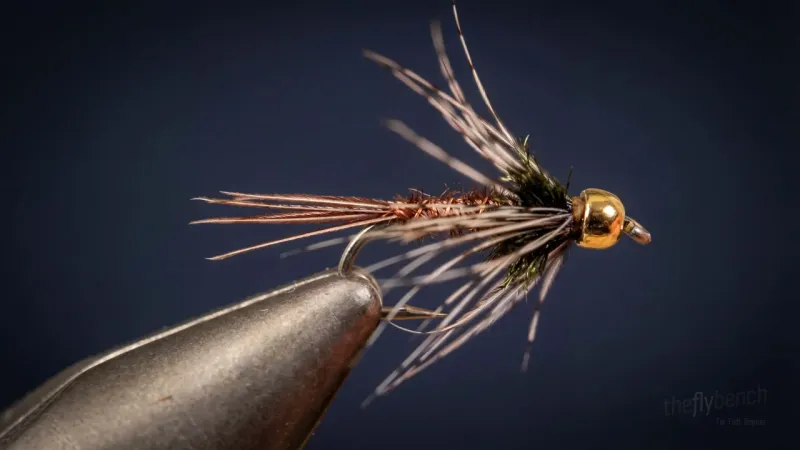
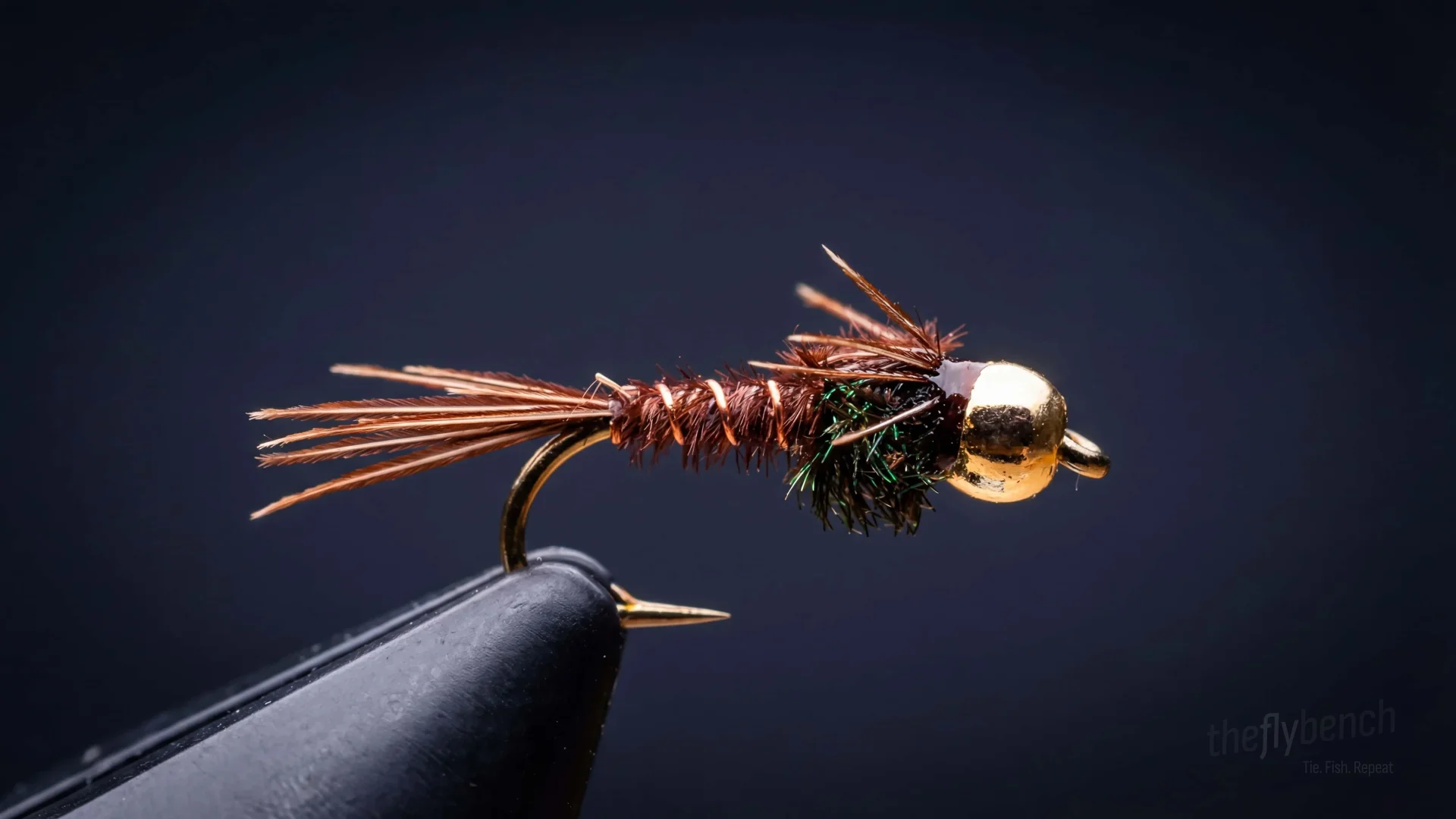
A foundational nymph pattern, the Bead-head Pheasant Tail uses natural pheasant tail fibers for both tail and body, ribbed with fine copper wire for durability and segmentation. The addition of a gold or tungsten bead helps the fly sink quickly. This pattern is straightforward to tie, and its effectiveness comes from clean proportions and tight material control.
Where to Buy This Fly
We only link to fly shops we trust. Some links are referral links, which may earn us a commission at no extra cost to you.
Materials
- Hook:
- Tiemco 3769, size #12–#16
- Bead:
- Gold tungsten, 3/32-inch
- Thread:
- Brown 8/0 Uni-Thread
- Tail:
- Pheasant tail fibers
- Body:
- Pheasant tail fibers
- Ribbing:
- Copper wire
- Thorax:
- Peacock herl
Behavior & Presentation
Natural Behavior: Nymphs cling to rock undersides in moderate currents, becoming dislodged during behavioral feeding movements or when water conditions change, their streamlined profiles blending with common drift items.
Where Trout Eat It: Fish opportunistically consume these multi-imitative nymphs during drift-feeding in runs, riffles, and pools throughout the water column.
How to Fish It: Dead drift with occasional induced movement to suggest active swimming or tumbling behavior during behavioral drift periods.
Best Water: Effective in riffle edges, current seams, pocket water, and runs where dislodged nymphs concentrate in feeding lanes.
Strike Type: Subtle takes ranging from ticks to solid grabs, depending on whether fish confidently sip or aggressively intercept the drifting nymph.
Fishing Strategy
Rigging Suggestions: Use it as a point fly in a nymphing rig or on a dropper behind a larger nymph or streamer.
Seasonal Timing: This pattern can be effective year-round. Use this fly when you suspect trout are feeding on mayfly nymphs or other small aquatic insects.
Pro Tips: The bead head helps this fly sink quickly, and the pheasant tail fibers give it a realistic, undulating movement underwater.
Entomology
Small stonefly nymphs cling to the undersides of rocks in moderate to fast currents, where they graze on algae and detritus while remaining concealed from predators. They are dislodged into the drift during behavioral feeding movements or when disturbed by changing water conditions. Fish opportunistically consume these nymphs during drift-feeding because their streamlined profile and neutral coloration blend with common mayfly nymphs, allowing anglers to effectively imitate multiple food sources with a single pattern.
- Order
- Plecoptera
- Common Name
- Stonefly
- Organism Type
- insect
- Life Stage
- general